

Introduction
Work-related stress is affecting employees worldwide; this is transforming into a new detrimental workplace phenomenon known as “burnout” [1, 2]. In the rapid rhythm of contemporary life, individuals operate amid significant pressures, and the issue of job burnout has emerged across various fields. It is typically recognized as a manifestation of occupational stress, and researchers have made extensive efforts to understand its prevalence, underlying causes, repercussions, and potential strategies for mitigation.
Burnout describes a condition of emotional, mental, and physical exhaustion resulting from sustained workplace stress [2]. Graham Greene’s novel, “A Burnt-Out Case,” which was published in 1961, is often credited with being the first work to bring the concept of burnout into consideration [3]. It wasn’t until the mid-1970s that the idea of burnout made its debut in the field of psychosocial literature, with psychiatrist Freudenberger introducing it in 1974 in the USA [4]. Interestingly, both Freudenberger and Maslach independently developed the concept after studying a consistent pattern of work-related stress among volunteers who worked with social problems among underprivileged citizens [5, 6].
Burnout was described as an adverse occupational and psychological condition consisting of a range of symptoms that include both physical and emotional exhaustion and reduced motivation [7-9]. Certain researchers view burnout as an extreme manifestation of stress [10]. Furthermore, it is considered a result of prolonged exposure to work-related stress or a physical and psychological reaction to sustained levels of job-related stress [11]. Frequently, the boundaries between various terms, such as depression, boredom, work-related stress, and others, are not clearly defined, resulting in a significant amount of terminology confusion and making it challenging to distinguish work-related burnout syndrome from other conditions. While the metaphor of “the flat battery” continues to be the primary representation of burnout, it is essential to highlight that burnout is more than just fatigue or exhaustion [12]. If it were merely fatigue, there would be no need for the concept of burnout. Burned-out individuals concurrently experience high levels of chronic fatigue while emotionally and cognitively distancing themselves from their work responsibilities [13].
There are many definitions for the term “burnout,” but there is no regularly accepted standard [14]. Cole et al. [15] identified it as individuals’ emotional response when their perceived abilities and work requirements do not fit. It is a psychological phenomenon that develops due to a prolonged reaction to chronic interpersonal stressors at work [16]. In 2018, in the 11th revision of the WHO International Classification of Diseases (ICD- 11), burnout was included and defined as a disorder that results from chronic (unsuccessfully managed) work-related stress characterized by emotional exhaustion, depersonalization, and a sense of ineffectiveness [17]. However, a universally accepted standard definition of burnout has yet to be established.
The term “burnout” is open to various interpretations by different individuals in different contexts [18]. It has, in fact, become a somewhat trendy concept, with different researchers providing diverse definitions for this complex phenomenon [19]. Burnout is the outcome of prolonged, cumulative work-related stress and represents the culmination of unsuccessful efforts to cope with a range of negative and stressful work conditions, demands, and environments. The International Classification of Diseases Institute, in its 11th revision (ICD-11), categorizes burnout as a “factor affecting health” or as an occupational phenomenon rather than a diagnosable condition, as has been extensively covered in the media [20, 21].
The incidence of burnout has increased over the past 30 years, with dire consequences harming human beings and affecting jobs, teams, and organizations [22]. At the individual level, physical symptoms include fatigue, headaches, nausea, musculoskeletal and sleeping disorders, as well as psychological symptoms such as hopelessness, sadness, and irritability [23]. In a study among crude oil production workers in China, burnout was found to be an antecedent of accidents, injuries, adverse events, near misses, and unsafe behaviors [24]. Work-related hostile conditions on offshore oil platforms are related to stress and strain, reduced well-being levels, depletion, sleeping disorders, tiredness, and other health issues [25]. Notably, the adverse symptoms associated with burnout among oil workers reflect their work-related and psychological health conditions, indicating that more attention is needed to this occupational phenomenon [26].
Over the past three decades, research on burnout syndrome has risen rapidly, establishing itself as a critical phenomenon in the contemporary era. However, it’s worth noting that most studies about burnout were related to healthcare providers and health professions [27, 28].
Occupations within the petroleum industry have gained a reputation for being exceptionally stressful [29, 30]. Oil and gas workers are facing the unique challenges presented by petroleum facilities, continuous production demands, and the rigors of some of the most adverse working conditions with limited resources [31]. Consequently, burnout among oil and gas workers has become a topic of significant interest and concern due to its substantial organizational and individual costs.
As such, the present research argues that employees in specific industries, such as those in oil and gas facilities, are consistently exposed to elevated stress levels stemming from persistent workloads, demanding shift schedules, job insecurity, repetitive tasks, and extreme isolation in locations like deserts and offshore units [32]. Consequently, occupational burnout emerges as a direct consequence of prolonged exposure to chronic stress in these challenging environments.
The oil and gas industry stands out as one of the most dangerous occupational fields globally, notorious for its extreme levels of stress [33]. Numerous researchers have expressed concern regarding the escalating stress levels within this sector [34]. Given the imperative nature of uninterrupted production in the petroleum industry, employees in this sector are constantly under the pressure of continuing demands, which affect their psychological health. Among these detrimental outcomes, job burnout has become increasingly prevalent among oil and gas workers.
The term “burnout” has been in use for approximately three decades, with numerous scientific articles dedicated to the subject. In the past few decades, research on burnout has seen exponential growth. In total, a staggering 19,628 articles related to burnout syndrome have been published on the PubMed database since 1973. However, research is still relatively uncommon in the literature about burnout, its factors, and its consequences among employees in the petroleum industry. This paper addresses this gap using a systematic review methodology. Systematic reviews are designed in order to be both methodical and replicable, to provide a basis for the development of research projects, identify approaches already used in a particular field, and point to future avenues for further studies [35].
Systematic reviews play several crucial roles. They offer comprehensive syntheses of the existing knowledge within a particular field, enabling the identification of future research priorities. Additionally, they address inquiries that individual studies may not adequately answer, pinpoint issues in primary research requiring correction in subsequent studies, and contribute to the generation or evaluation of theories explaining the occurrence of phenomena such as burnout syndrome among oil and gas employees.
Our choice of oil and gas workers was based on the particularity of the petroleum facilities and the multiple roles of the workers in the sector dealing with continuous production and being in one of the most adverse working conditions with limited resources to cope with daily stressors at work.
Materials and Methods
The authors conducted a systematic literature review covering the period following the PRISMA (Preferred Reporting Items for Systematic Reviews and Meta-Analyses) guidelines [36]. The authors employed an approach guided by Pahlevan et al. [37], which offers a framework for conducting systematic reviews in the social sciences field. The PRISMA statement offers contemporary guidelines for reporting systematic reviews, incorporating advancements in methodologies for the identification, selection, evaluation, and synthesis of studies.
The article selection process followed a three-stage procedure, which included identification, screening, and inclusion. During the identification stage, a comprehensive search was conducted across 14 databases, namely Science Direct, PubMed, Google Scholar, LILACS, IBECS, Scopus, Base (Bielefeld academic search engine), Cochrane Library, DOAJ (Directory of Open Access Journals), Wiley, Springer, Cogent OA, Academic Journals Accelerating Discovery, and JSTOR. The choice of these databases and bibliographic sources was based on their relevance to the field of psychology and aligned with the objectives of the present research.
The research utilized various keyword combinations, including “burnout” or “emotional exhaustion,” in conjunction with terms like “oil and gas,” “petroleum industry,” or “offshore.” In the case of the PubMed database, Medical Subject Headings (MeSH) terms were employed. Furthermore, advanced search options, Boolean Operators (“AND,” “OR,” and “NOT”), and tools such as “Perish 7” software were used to ensure the retrieval of effective and precise results across other databases.
Emotional exhaustion was used as a keyword in this study due to its recognized role as the central component of burnout. It has been proposed to be the core symptom that initiates the burnout process [38]. Numerous research studies have consistently identified emotional exhaustion as the most robust and persistent component of burnout, surpassing depersonalization and low personal accomplishment [39].
Additionally, to ensure comprehensive coverage of the relevant literature, the reference lists of electronically identified articles were meticulously reviewed. During this initial screening stage, article selection was based on the examination of the title and abstract of each study. It is worth noting that the task of searching for articles was a collaborative effort involving two authors, B.A and C.R, to enhance data collection. In cases of disagreement between the two authors, the full text of the articles was consulted for resolution.
During the screening stage, three substeps were carried out. First, a thorough analysis of the full texts was conducted, during which duplicates and studies that were not relevant to the research were removed. In the second substep, eligibility criteria were applied. The inclusion criterion specified that the articles had to be published in English and be available in full text, with no restrictions on publication dates. However, systematic review studies were excluded from consideration.
In the final substep, the screened articles were subjected to a quality assessment using the Q-SSP (Quality of Survey Studies in Psychology) checklist prototype developed by Protogerou and Hagger. This checklist, comprising 20 items, was designed to gauge the quality of the selected studies, and its validity and reliability were confirmed [40]. The quality assessment of the selected studies based on the Q-SSP checklist was conducted by two authors, B. A and A.S.
To determine the overall quality of a study, a numerical score was calculated as a percentage of affirmative responses to quality control items divided by the total number of applicable items. An “acceptable” overall quality score was set to be achieved when a research study received a “yes” on 70% to 75% of the applicable items [40]. In this study, the authors compared the average score they obtained with the Q-SSP threshold standards. In cases where there were discrepancies between the authors’ assessments, these were resolved through consensus. In the final stage, the authors determined the number of studies to be included in the systematic review. They analyzed these selected articles to ascertain the prevalence of burnout syndrome as well as identify common antecedents and outcomes of burnout in the oil and gas industry.
Results and Discussion
The search across 14 databases using the keyword combinations outlined in the methodology section yielded a total of 32 articles. Notably, no articles were retrieved from 8 of the 14 databases examined. Google Scholar, on the other hand, accounted for a substantial 47% of the selected articles (n = 15). Fig. 1 illustrates the distribution of search results obtained from each database.
Furthermore, an additional 4 articles were revealed through a manual examination of the reference lists of the 32 identified articles from the electronic research, bringing the total number of articles at the end of the identification stage to 36.
During the screening stage, the articles were evaluated in three substeps. In the first substep, the authors removed duplicate articles (n = 9) and articles that were not relevant (n = 9) after a comprehensive examination of the full texts of these papers.
In the second substep, articles were excluded based on eligibility criteria for the following reasons: abstracts with no access to the full text (n = 4), full texts written in languages other than English (n = 4), and one study was eliminated for being a systematic review (n = 1).
In the final substep of the screening stage, the quality assessment process using the Q-SSP checklist was extended to the remaining studies (n = 9). Two of these studies received low scores, falling below the 70% threshold in the quality assessment process. Ultimately, seven articles were chosen for the review. The flow diagram below illustrates all the stages of the systematic review (see Fig.2)..
In the present systematic review, a total of seven research papers were included based on the PRISMA framework. The first study related to burnout in the petroleum industry was an article published in 1999. This study explored the occurrence of burnout in a novel setting, specifically the offshore oil industry. The most recent study was published in 2020, and it examined the moderating effect of burnout on the relationships between safety performance and unsafe behavior among Chinese oil employees.
Table 1 below provides a summary of the key characteristics of the seven selected articles, including their titles, authors, publication years, research methods, sample sizes, and response rates.
The sample sizes in these studies ranged from 100 to 2093 participants, with a predominance of males across all samples. Response rates varied between 60% and 88.8% across the seven studies. Three of the studies were conducted in Iran, two in Norway, one in the North Sea, and one in China. The objectives, primary findings, stages of each study, and Q-SSP scores for each study are described in Table 2.
The current study aimed to investigate the existing literature regarding job burnout among oil and gas workers. We conducted a comprehensive search across 14 bibliographic databases to explore risk factors, consequences, and preventive measures associated with this issue. While job burnout has received substantial attention in recent empirical studies, there has been a notable lack of research in the petroleum industry. One interesting and unexpected finding in this review is that 53% of the searched databases yielded no results. Despite the increasing number of studies on burnout syndrome over the past two decades, it is evident that there remains a significant gap in research on this topic within the oil and gas sector. This is particularly noteworthy when considering that the majority of burnout research has traditionally been conducted within the healthcare sector.
Researchers have tended to focus on the healthcare sector due to the extensive and demanding person-to-person contact experienced by professionals in those fields [41]. Moreover, it’s worth noting that burnout syndrome was initially identified in such healthcare occupations. There is a general consensus that burnout syndrome is more prevalent among healthcare providers compared to the broader working population [42].
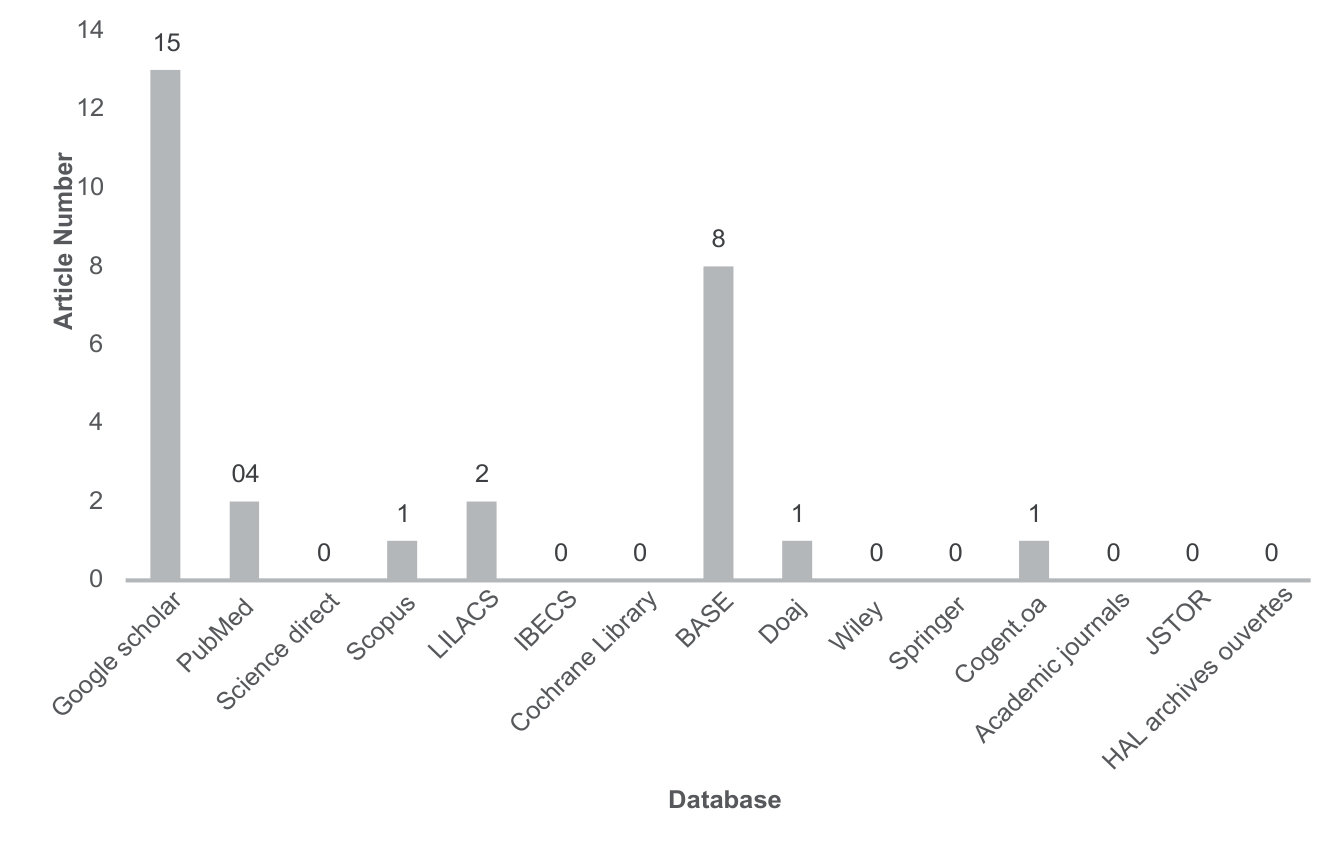
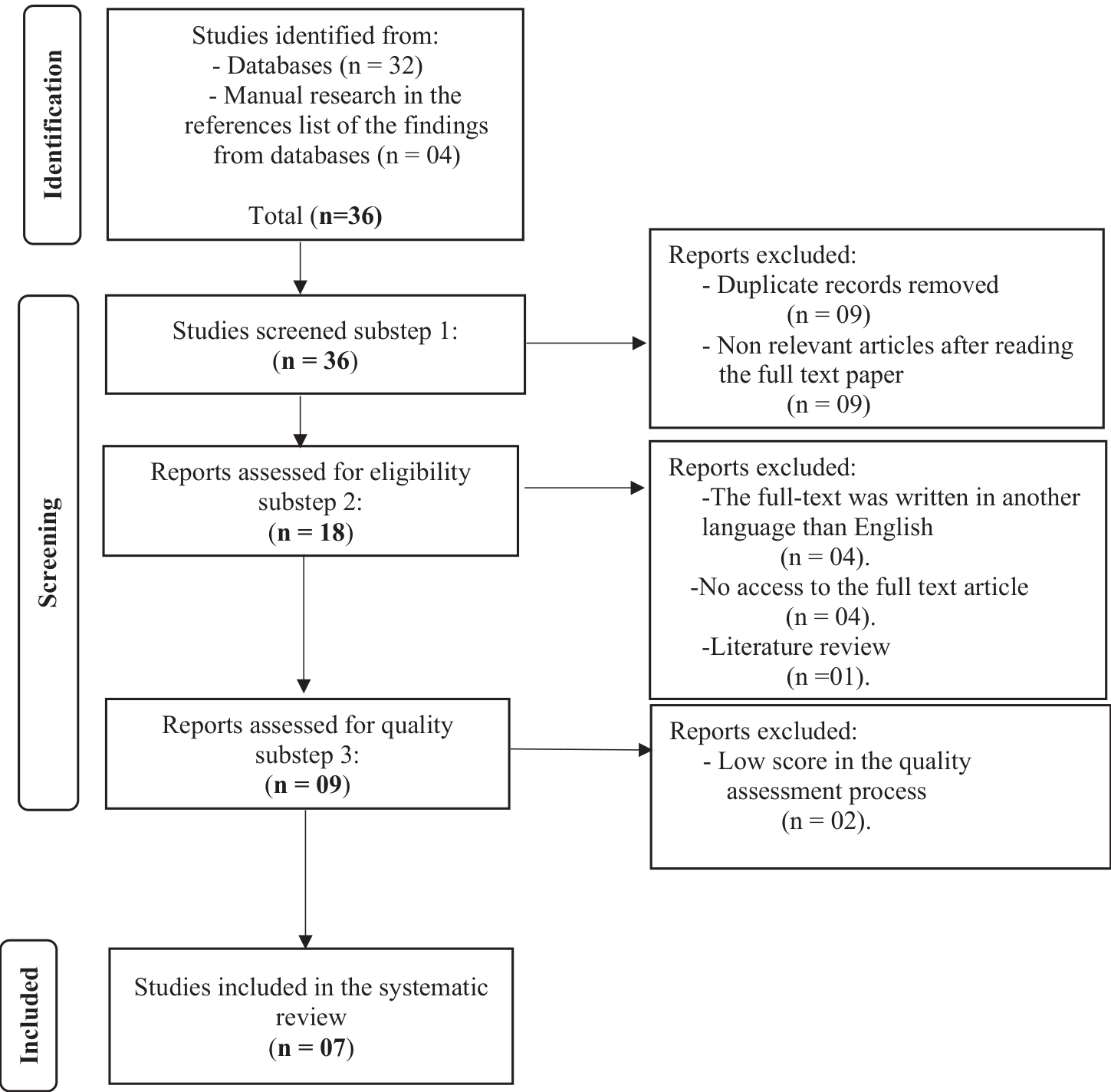
Table 1.
The Main Characteristics of the Selected Articles: Title, Authors, year of Publication, Method, Sample, and Response rate.
It’s worth mentioning that the results of a prior systematic review conducted by Dias et al. [23] in 2016, focusing on work-related stress and professional exhaustion syndrome among employees in the petroleum industry, revealed only two studies among the nine databases examined that were related to burnout syndrome. Despite the increasing understanding of psychosocial risk factors over the past two decades, there is still a noticeable lack of attention to these issues in research articles, particularly within the industrial sector [43, 44]. Nonetheless, employee burnout poses an increasingly significant societal challenge for organizations, as a growing number of employees are either at a high risk of developing burnout or are already experiencing its effects [45].
In 1999, Hellesoy et al. published a study aimed at examining the multidimensionality of burnout and evaluating the extent to which certain sociodemographic variables could predict this occupational syndrome. The authors sought to determine whether the job situation and work environment could influence burnout and its various dimensions. To do so, they utilized a structured questionnaire based on an adapted version of the Maslach Burnout Inventory, which had been condensed from 25 to 14 items. The measurement instrument was specifically adjusted to the unique demands of the offshore working environment.
The study’s findings indicated a limited predictive and explanatory significance of the included sociodemographic variables (such as age, marital status, and educational level) in relation to burnout. It’s worth noting that prior studies have reported conflicting results regarding the role of sociodemographic variables in the prevalence of burnout [46, 47]. In general, academic research has shown inconsistent results when exploring the interactions between demographic variables and burnout [12].
The three key components of burnout, namely emotional exhaustion, depersonalization, and reduced personal accomplishment, which have been consistently identified in prior research, were also found to be pertinent in the study by Hellesoy et al. This underscores the external validity and robustness of the concept of burnout’s multidimensionality.
Most burnout studies have relied on Maslach and Jackson’s (1986) framework, which defines burnout as comprising three key components: emotional exhaustion (EE), characterized by feelings of being overextended and depleted of emotional and physical resources; depersonalization (DPA) or cynicism, which involves negative or excessively detached responses to various job aspects; and diminished personal accomplishment (DPA), entailing feelings of incompetence and a lack of achievement at work [48, 49].
Due to the prominent use of the MBI, this questionnaire and Maslach’s definition of burnout have essentially become intertwined. Moreover, this research provided evidence for a fourth proposed component, “working away from home,” suggesting that certain dimensions of burnout are associated with industry-specific or work environment factors. Initially, diminished personal accomplishment was considered a dimension of burnout. However, scholars now tend to perceive it more as a personality trait than a fundamental dimension of burnout [50]. In fact, previous studies aimed at assessing the reliability and validity of the three burnout subscales have shown that the correlations between the professional efficacy subscale and the other subscales are notably low, suggesting that it is largely distinct from exhaustion and cynicism [51].
Table 2.
Hypothesis, Objectives of the Studies, Q-SSP Scores, and Main Findings.
In their study in 2011, Matin et al. conducted an investigation into the relationship between burnout and various outcome variables, which encompassed factors such as the intention to leave one’s job, job satisfaction, and organizational commitment. Their research was conducted among 154 employees, recognizing that burnout is associated with several detrimental outcomes within the workplace.
It is widely recognized that burnout has significant impacts on productivity, job satisfaction, and overall work performance [52, 53]. Consequently, research on job burnout has seen rapid growth in recent years [54]. Furthermore, burnout has been correlated with various types of job disengagement, including absenteeism, a desire to leave one’s job, and actual turnover [55, 56]. Burnout has been linked to a variety of significant adverse consequences, including heightened psychological distress, psychosomatic complaints, anxiety, and reduced personal accomplishment [57].
In a study published in 2014 by Maria Jensen, the investigation focused on exploring the link between work-related travel and its impact on work-family conflict and the emotional exhaustion dimension of burnout, using the JD-R (Job Demand-Resource) model as a theoretical framework.
This research was conducted within two units of a prominent Norwegian oil and gas company, representing an important contribution to the limited body of work on the psychological implications of business travel. Job burnout is closely connected to the strain of handling challenging work situations, including factors like work pressures, work overload, conflicts, and high stress levels [58].
It’s noteworthy that only a small amount of research has delved into the psychological disorders and burnout associated with frequent business travel, making this study particularly valuable. The study’s results indicated that the frequency of business travel played a significant role in predicting work-family conflict, although it did not appear to significantly contribute to emotional exhaustion. This aligns with prior research that has consistently demonstrated the relationship between workplace demands and the occurrence of burnout [59]. The study underscores the importance of understanding the specific consequences of work-related travel and its impact on employees’ work-family balance and overall well-being. Adverse working conditions may lead to job burnout; this syndrome may have undesirable consequences for workers, their families, the work environment, and organizations. However, findings have indicated that non-professional factors, such as personal resources and family demands, can also influence the development of professional burnout [60].
In a 2016 study by Roodbar and Jamshidian., the research focused on examining the influence of 20 organizational and individual factors on the development of burnout among employees at Aghajari Oil and Gas Company. Among the 20 organizational and individual variables examined, the research findings indicated that only three variables, specifically professional educational level, experience, and career expectations, have a significant impact on the occurrence of burnout among employees at Aghajari Oil and Gas Company. Burnout is influenced by personal factors, including but not limited to age, gender, marital status, job position, and work style [61, 62]. Additionally, an individual’s lifestyle choices, such as smoking, excessive drinking, lack of physical activity, and obesity, are linked to the likelihood of experiencing burnout [2]. Individual characteristics play a significant role in the development of burnout. Some individuals may have expectations and professional inclinations that lead to increased workloads, thereby making them more susceptible to burnout [8]. In summary, burnout is a significant phenomenon resulting from chronic emotional responses and interpersonal stress factors [63].
In 2016, Mathisen and Bergh conducted a study to explore the mediating role of health complaints and engagement in the relationship between emotional exhaustion and instances of action errors or violations among employees working on two oil rigs. The study’s findings revealed a significant link between emotional exhaustion and decreased engagement, and this, in turn, was associated with an increase in reports of action errors and violations [64]. Prior research on the subject of burnout has primarily revolved around the origins of the burnout syndrome, given its implications for the mental well-being of employees and its adverse effects on the quality of services delivered by these individuals [65, 66].
These results highlight the critical importance of addressing emotional exhaustion, both at the individual and organizational levels, to mitigate the occurrence of action errors, which could have severe consequences in a high-risk environment like the petroleum industry. Therefore, it becomes imperative to implement preventive measures, particularly considering the challenging environmental conditions in the oil and gas sector, which can significantly impact the well-being and health of employees.
In 2019, Khaksar et al. conducted a study to investigate the mediating role of psychological resilience in the relationship between social capital and burnout within hazardous work environments. This comprehensive model involved three key components: three dimensions of Social Capital (structural, cognitive, and relational), the dependent variable, which is job burnout, and a mediator variable, Psychological Resilience (PR). The study yielded a significant finding indicating that the adjustment of social capital should enhance psychological resilience and subsequently reduce job burnout within the gas industry.
It’s important to note that difficulties in intra-team relations were identified as a contributing factor to increased burnout. In a study involving 211 registered social workers in California conducted by Kim and Lee in 2009, it was observed that communication had a negative correlation with emotional exhaustion, indicating that communication levels play a significant role in the experience of burnout [67]. The organization is responsible for maintaining clear, smooth, and regular communication with its staff, which helps build trust and a sense of control among employees [68].
As a result, managers within the gas industry should place emphasis on fostering positive relationships with their employees and promoting social cohesion among their workforce by prioritizing qualitative factors in the work environment and the mental health of employees to better achieve their organizational goals [69]. However, a significant portion of subsequent research has shifted its focus to other predictors, including organizational factors such as the absence of social support, autonomy, and others [70]. Consequently, interventions to tackle this issue can be categorized into two groups: those centered on the individual and those aimed at improving the working environment [71, 72]. At the organizational level, it is essential to implement interventions such as eliminating excessively heavy workloads, recognizing the value of staff contributions, clarifying role assignments, and fostering a sense of fairness [73]. It has been demonstrated that individuals often report low levels of burnout, even when working in highly stressful environments, when they perceive their work as meaningful and significant [74]. Nonetheless, the effectiveness of such interventions in reducing the risk of burnout remains unproven [75]. Research should also consider the cost-effectiveness of available interventions, especially in comparison to the costs of non-intervention [76].
Vulnerability to professional burnout stems from exposure to a complicated, conflicting, and unsupportive organizational environment [77]. While previous research primarily concentrated on individual contributors to burnout, it is now widely believed that organizational factors exert a more substantial influence than personal ones. There are numerous factors that contribute to job burnout. There is no single, easily identifiable cause for professional burnout; many factors can contribute to it [78].
It’s worth mentioning that the results of Khaksar et al.’s study are consistent with earlier research findings [79, 80]. However, it’s important to acknowledge that the generalizability of these findings may be limited due to the unique nature of the sample and its relatively small size.
In their published article in 2020, Tong et al. found that employees in the petroleum industry were experiencing severe levels of burnout, which had a significant negative impact on their safety compliance and participation, thereby affecting their engagement in unsafe behavior [81]. The results of the study highlighted the importance of addressing safety compliance, participation, and burnout among oil workers as essential components of effectively managing and reducing unsafe behaviors. Occupations characterized by high levels of stress can contribute to what is commonly known as burnout syndrome. This not only elevates the risk of the condition but also significantly affects personal and social life. It can result in decreased self-esteem, diminished work quality, and even impact safety performance in the workplace [82]. One possible explanation is that enhancing the safety, health, and well-being of petroleum employees can be achieved by addressing both their working conditions and psychological environment. As a result, it is recommended that measures aimed at reducing unsafe behavior take into consideration the occupational and psychological factors affecting employees.
Burnout leads to a decline in the quality of employee performance. Instead of operating at their highest potential, employees tend to operate at minimal levels, adhering to the bare minimum in terms of job performance, work standards, and production quality. They become more prone to making mistakes, become less thorough, and have less creativity for solving problems. Moreover, their commitment to the organization diminishes, and they become less inclined to go the extra mile or make a meaningful impact. On a broader scale, burnout has been demonstrated to predict severe injuries, insomnia, incidents of coronary heart disease, and hospitalizations for mental and cardiovascular disorders [83].
The seven selected studies employed self-reported methods, which inherently introduce potential sources of error. From a research methodology standpoint, utilizing self-assessment scales primarily involves evaluating individual subjective experiences. These assessments reflect the perception of reality as observed by the individual, rather than an objective representation of reality as it truly exists. For instance, workers may encounter challenges in accurately recalling specific details, such as the exact number of hours worked, the frequency of errors, or health-related issues. Furthermore, there is a risk of underreporting or inaccurate reporting of behavioral errors and violations.
Considering that all the studies have a cross-sectional design, establishing a clear causal relationship is a challenging task. Longitudinal surveys would offer a more comprehensive understanding of causality. Moreover, it’s important to note that burnout syndrome is a condition that develops gradually over time, making longitudinal studies essential for gaining deeper insights into its progression and effects [84].
Another significant limitation observed in four of the seven selected studies is the use of small sample sizes. Small samples can restrict the ability to generalize the study results to a broader range of organizations and cultures within the petroleum industry. Therefore, it is imperative to conduct research that explores variations in burnout levels across different facilities and countries within the petroleum sector. To enhance the generalizability of findings, researchers should consider using samples from multiple companies engaged in diverse field areas [85].
Conclusions
In these challenging times, employees in the oil and gas industry are increasingly vulnerable to higher levels of burnout. Nonetheless, there is a limited body of research specifically addressing burnout in the petroleum sector. The findings of the present study underscore the significance of prioritizing the management of the work environment, job satisfaction, social capital, psychological resilience, and organizational commitment as effective buffers for reducing the prevalence of burnout among oil and gas industry employees.
Conversely, factors such as work-family conflict, reduced engagement, and poor working conditions were identified as contributors to employees’ emotional exhaustion. It’s important to note that findings regarding the influence of demographic variables like age, gender, salary, and education level on burnout appear to be inconsistent. Further research may be necessary to clarify the role of these demographic factors in the context of burnout among oil and gas industry workers.
Burnout among oil and gas industry employees has detrimental consequences both at the individual and organizational levels. Increased levels of burnout are associated with increased occurrences of action errors, violations, and unsafe behaviors. These outcomes can potentially result in catastrophic accidents in a high-risk industry such as oil and gas. It is crucial to continuously and vigilantly monitor organizations and work environments for signs of burnout factors. This ongoing observation serves as a foundational step in establishing preventive measures and implementing effective policies to mitigate burnout and its adverse effects within the industry.

