

Introduction
Circulating cooling water plays a crucial role in the water consumption of coal power plants. Over time, various factors, such as exposure to light and air, evaporation, concentration changes, temperature fluctuations, and pollutant leakage, can lead to a series of biochemical reactions within the system [1-3]. These reactions, in turn, contribute to accumulating scale, slime, and corrosion sites on the pipeline’s surface, significantly compromising heat transfer efficiency and the equipment’s lifespan [4]. Consequently, the investigation and advancement of scaling inhibition technology in circulating cooling water systems hold significant importance for ensuring these systems’ safe and optimal operation.
Scaling and corrosion processes are believed to be mainly controlled by the microbial community within the circulating cooling water system. The biofilms created by microorganisms secrete extracellular polymers to form biogels on the metal, protecting against chemical sterilants for the microbes residing at the bottom while creating a gradient of dissolved oxygen from aerobic to anaerobic environments [5, 6]. Corrosive bacteria, such as iron bacteria, sulfate-reducing bacteria, and sulfur-oxidizing bacteria, lead to local corrosion by establishing oxygen concentration difference cells and producing acid through metabolism activities[7]. Scaling control in circulating cooling water treatment mainly relies on chemical and physical methods. Chemical methods often involve adding agents such as polyphosphates and organic phosphonic acids, which exhibit effective anti-scaling properties under low concentration levels [8, 9]. However, excessive use of chemical agents can degrade the quality of circulating cooling water, leading to secondary pollution. For instance, Zhang et al. [10] reported phosphorus agents resulted in calcium phosphate precipitation, reducing heat exchange efficiency. In contrast to chemical agents, physical treatment technologies do not have the potential to cause secondary pollution in the water system. Physical methods realize scale removal by converting electrical energy into magnetic or electric fields, which require higher energy consumption [11, 12]. Despite their convenience and environmental friendliness, physical methods require substantial investments and additional pre-treatment. Consequently, the current research focuses on developing innovative treatment methods to enhance the concentration ratio and effectively control scaling, addressing the challenges posed by conventional approaches.
Recently, biological treatment technology has shown great potential in the treatment of circulating cooling water and is considered a novel green solution to the scaling and corrosion processes by treating the circulating cooling water system as a micro-polluted water body. These methods regulate microbial growth and remove the attached slime by regularly adding biological enzymes and compound microbial preparations [13-15], exhibiting advantages such as not requiring extra electricity, avoiding nutrient additives like phosphorus, and having lower treatment costs. However, only a few studies have reported applying biological methods for scale control. For example, Chen et al. [16] developed a novel microbial agent by mixing nitrobacteria, Bacillus subtilis, photosynthetic bacteria, and Thiobacillus denitrificans for biofouling treatment in a circulating cooling water system. The functional strains within the microbial agent efficiently stabilized pH conditions and degraded NH3-N through metabolism action, achieving a 22.21% removal rate of biofouling on Q235 carbon steel. In addition, Wang et al. [14] used compound microorganism preparation, including Nitrosomonas, Nitrospira, Bacillus cereus, Bacillus subtilis, and Pseudomonas, to treat circulating cooling water. Calcium carbonate dissolution test results showed that the microbial agent was able to increase the anti-scaling efficiency of the cooling water system by 55.34-61.29%.
While certain types of denitrifying bacteria have been deemed effective in composite microbial agents used for treating circulating cooling water due to their ability to regulate water pH through acid production, resulting in improved corrosion inhibition and scaling effects, the specific role of individual denitrifying bacteria in the treatment of circulating cooling water has not been thoroughly explored. Considering that most denitrifying bacteria struggle to thrive in low-COD circulating cooling water environments due to a lack of carbon sources, this study introduces, for the first time, Denitrobacillus licheniformis EM1 – a strain of denitrifying bacteria extracted from a wastewater treatment plant and adapted to low-carbon environments – into the treatment of circulating cooling water systems. The primary aim of this study was to assess the anti-scaling effects of a denitrifying bacterial agent and elucidate the mechanisms of action of Denitrobacillus licheniformis EM1. To achieve this, we conducted coupon tests and monitored the quality of circulating cooling water and the weight of coupons to evaluate the anti-scaling and anti-corrosion efficiency of the microbial agent. Additionally, we compared the surface morphology of coupons, the composition of corrosion products, and the distribution of elements in the presence and absence of the microbial agent to investigate the effects of Denitrobacillus licheniformis EM1 on scaling formation processes. Furthermore, we employed gene sequencing methods to compare the microbial communities in samples from different experimental groups and investigate the shift of functional microbes in circulating cooling water systems.
Materials and Methods
Corrosion and Scale Inhibitors, Carbon Steel, and Microbial Agents
In this experiment, denitrifying bacteria, Denitrobacillus licheniformis EM1, was purchased from the Conservation and Management of Industrial Microbial Strains in China Co. Ltd. (China). Corrosion and scale inhibitor (Azoles (calculated as C6H4NHN:N): ≥1.0%, phosphonate (calculated as PO43-): ≤20%, phosphite (calculated as PO43-): ≤1%, orthophosphate (calculated as PO43-): ≤0.5%, solid content: ≥32%, pH (1% aqueous solution): 3.0±1.5) was purchased from Beijing Zhongtian Lanqing Environmental Technology Co. Ltd. Carbon steel (Fe purity: >98%, thickness: 2 mm, size: 50×25 cm, weight: 20 g, surface area: 28.00 cm2) was purchased from Wuhan Iron and Steel Co. Ltd.
Circulating Cooling Water and Supplementary Water
The circulating cooling water and supplementary water were collected from the power plant in Zhangjiakou, China. The water quality index of the used circulating cooling water is provided in Table S1, and the quality index of the treated water after coupon tests is shown in Table S2.
The Scale Inhibition Rate Experiment
The calcium carbonate deposition test evaluated scale inhibition performance based on the method recorded in Chinese Standard GB/T 16632-2019. The test was conducted using four groups of 1 L beakers. 480 mg/L Ca2+ and 1464 mg/L HCO3− were added to the circulating cooling water as a blank control group to stimulate the alkaline water environment as a blank control group. In group CK, 8 mg/L corrosion and scale inhibitor was added to stimulate the circulating cooling system’s daily operation condition. In group S, 9.5 mg/L corrosion and scale inhibitor was added as the excessive chemical agent added group. In group M, a 160 cm3 biological carrier with 107 cells/mL denitrifying bacteria attached was immersed in 800 mL of circulating cooling water to obtain a microbial agent-treated group. The solutions of the four groups were maintained at a constant temperature of 36°C for 72 hours. Subsequently, the solutions were filtered using filter paper, and the Ca²⁺ concentration of the filtered solutions was measured. The pH of each solution was monitored. The anti-scaling efficiency (η) of the different agents was calculated using Equation (1):
Where CCa is the initial concentration of Ca2+ (mg/L); CCa,1 is the concentration of Ca2+ of the blank control group after 72 h (mg/L); CCa,2 is the concentration of Ca2+ of the test group with the agent added after 72 h (mg/L).
The Corrosion Rate Experiment
The corrosion rate was measured using the weight loss method. CK, S, and M groups were set to represent the control group, the excessive chemical agent-added group, and the biological agent-added group. In group CK, the on-site circulating cooling water, containing 8 mg/L of corrosion and scale inhibitor, was used as the testing water; in group S, 1.5 mg/L of excessive corrosion and scale inhibitor was added to the circulating cooling water. A 40 cm3 biological carrier with 107 cells/mL denitrifying bacteria was added into the 200 ml circulating cooling water system in group M. The coupons were suspended in the rotary hanging-piece corrosion device under 45ºC and 75 r/min conditions. Each group underwent testing with three parallel samples, and the coupons were removed from the device after 408 hours to simulate practical working conditions in a coal power plant. Corrosion rate (F) and corrosion inhibition efficiency (η%) were calculated following the guidelines outlined in GB/T 18175-2014. The computational formulas are shown by Equations (2) and (3):
Where C is the conversion factor, 8.76×10⁴; w0, w are the weights of the coupon before and after corrosion (g); A is the surface area of the coupon (cm2); T is the corrosion time (h); ρ is the density of the coupon material (g/cm3); F0 is the corrosion rate of the coupon without addition (mm/a); F1 is the corrosion rate of the coupon with addition (mm/a).
Characterization of Carbon Steel and Water Quality Analysis
Different carbon steels’ surface element composition and morphology were analyzed using a scanning electron microscope (SEM, TESCAN MIRA LMS, Czech Republic) and an energy dispersive spectroscope (EDS, OXFORD Xplore, UK). The crystal type of surface corrosion products was determined by X-ray diffraction (Smart Lab-SE, Rigaku, Japan), electron paramagnetic resonance (EMXmicro-6/1/P/L, Karlsruhe, Germany), and X-ray photoelectron spectroscopy (ESCALAB 250Xi, Thermo Fisher, USA). The concentration of Ca2+ was measured using the EDTA titration method (detection range: 0.5-25 mg/L as CaCO3) [17]. A pH meter (Shanghai Yueping Scientific Instrument Co. Ltd., China) was used to measure the pH of circulating cooling water (detection range: 0-12). To analyze the total salt content in the circulating cooling water, the salt concentration was quantified using an electronic balance (Mettler Toledo, detection range: 0-25000 mg/L). The concentration of SO42- was characterized by the barium chromate spectrophotometric method (Limit of detection: 0.02 mg/L), and the concentration of Cl- was characterized by the ion chromatography method (Limit of detection: 20 μg/L) [18].
Microbial Community Analysis
The composition and variation of the microbial community in the circulating cooling water experiment were analyzed by high-throughput sequencing. Duplicate water samples were collected before and after the coupon tests. DNA extraction, polymerase chain reaction (PCR) amplification, and pyrosequencing were carried out as in previous studies [15, 16]. Relative abundances were based on the proportional frequencies of DNA sequences to reflect the microbial community diversity.
Results and Discussion
Anti-Scaling and Anti-Corrosion Performance of Denitrifying Bacteria
Scaling Inhibition Efficiency of Different Agents
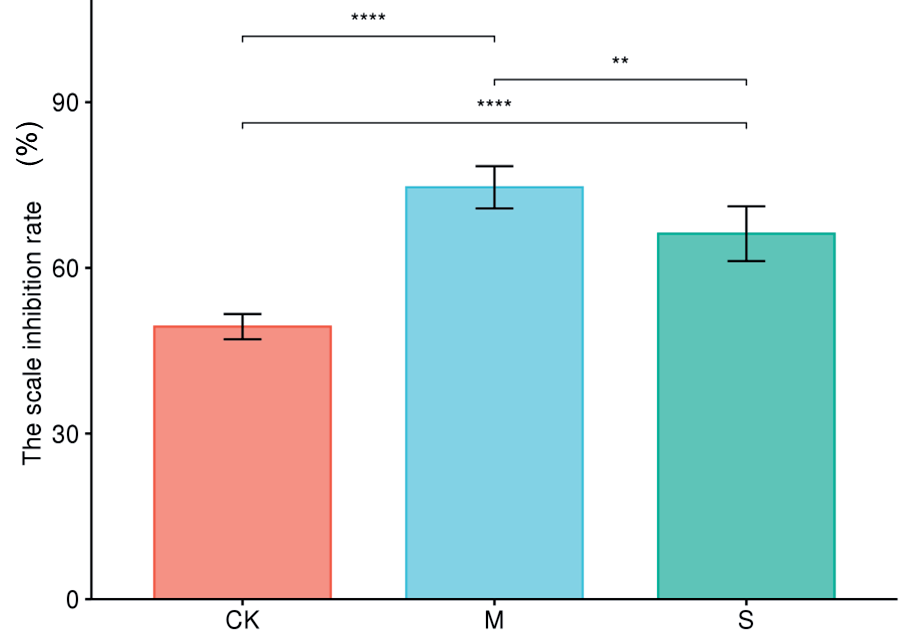
As shown in Fig. 1, the average scale inhibition efficiency of 8 and 9.5 mg/L chemical agents is 49.36% and 66.19%, respectively. The addition of denitrifying bacteria significantly slowed the accumulation of calcium ions in the circulating cooling water system, and the scale inhibition efficiency was significantly increased to 74.59%. The results of the scale inhibition test (detailed data are shown in Table S3) indicate that both chemical reagents and biological agents exhibit good scale inhibition effects for circulating cooling water systems. Compared to the commonly used scale inhibitor concentration (8 mg/L) in actual power plants, the addition of an appropriate amount of extra chemical reagent or the introduction of denitrifying bacteria can significantly improve scale inhibition efficiency (p<0.0001). Furthermore, compared to the group with an excessive amount of chemical reagent, the addition of denitrifying bacteria also significantly reduced the scaling risk in the circulating cooling water system (p<0.01).
Corrosion Rate of Different Agents
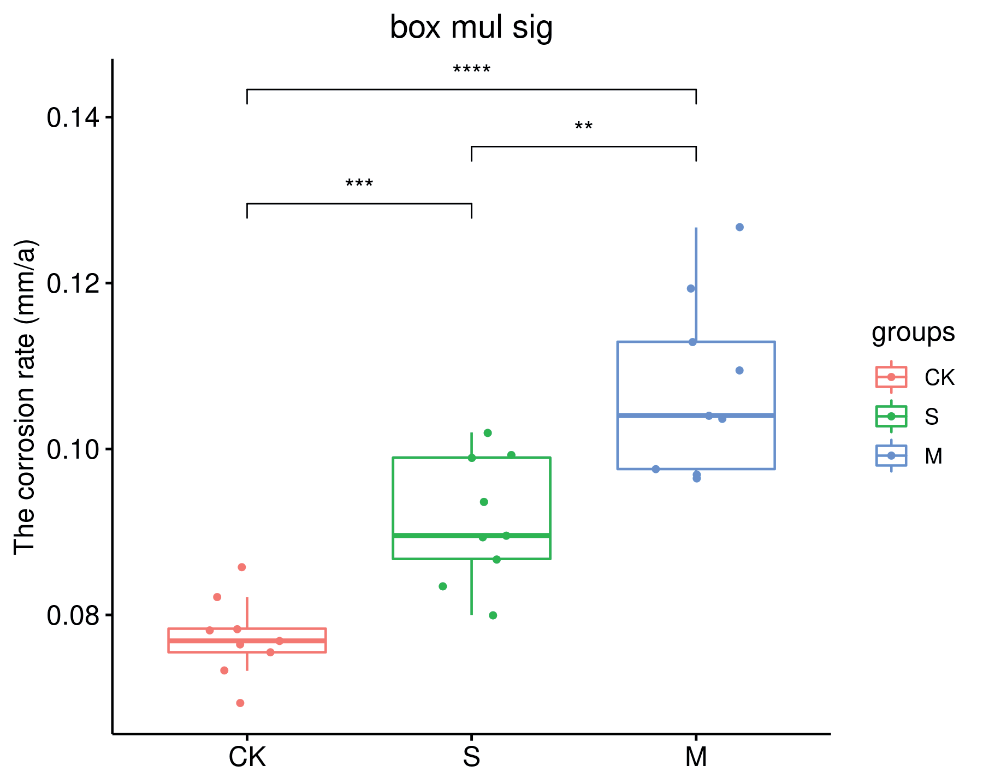
The corrosion rate was measured using the weight loss method, as illustrated in Fig. 2. The average corrosion rate of carbon steel in the CK group was 0.0773 mm/a, which was significantly lower (p<0.001) than that of the S group (0.0915 mm/a) and the M group (0.1074 mm/a). The results of the coupon corrosion tests (detailed data are shown in Table S4) indicated that the corrosion inhibition efficiency was compromised by adding microbial agents to the circulating cooling water system, resulting in a corrosion rate 38.94% higher than that observed with the commonly used chemical corrosion and scale inhibitors.
Although the scaling rate was significantly reduced in the M group, the coupon corrosion test results indicate that adding denitrifying bacteria alone was inefficient in reducing the corrosion rate of the carbon steel coupons. Similar phenomena were also found in the literature, and the acid-producing metabolic processes of the denitrifying bacteria accelerating the corrosion of the metal were commonly speculated as the main contributor [19, 20]. Compared to previously reported anti-corrosion and anti-scaling performance of composite microbial agents, which generally exhibit corrosion inhibition efficiencies exceeding 50%, the corrosion inhibition performance of denitrifying bacteria alone is not satisfying [14, 15, 21]. It is speculated that the contribution of denitrifying bacteria to the corrosion and scale inhibition process is mainly focused on controlling calcium ion concentration and the scaling process.
Characterization of Carbon Steel Coupons
Surface Topography Analysis
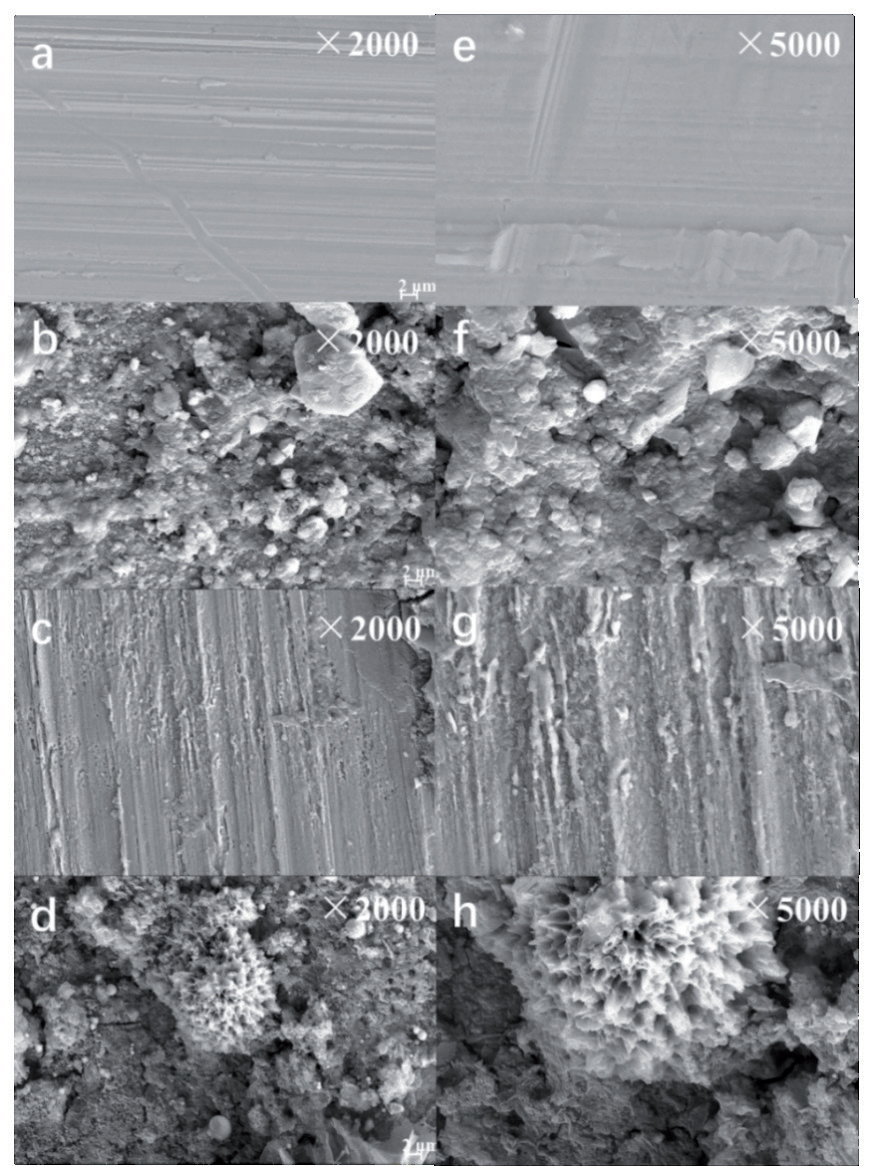
The KB group (blank coupon) was set for comparison in the surface characterization experiments. SEM images (Fig. 3(a-h)) revealed the roughness and defects of the carbon steel coupons increased significantly after cooling water treatment, with numerous corrosion sites appearing. This structure may be caused by the action of microorganisms and their metabolites, which could corrode the surface metal by forming a galvanic cell with anions from cooling water. Notably, the surface of the microbial agent-treated group (Fig. 3c)) was much smoother with less deposited irregularly shaped scale, indicating a lower scaling rate with denitrifying bacteria added to the system. Moreover, flower-shaped porous products were found, as shown in Fig. 3h), while reports found that carbon steel can form iron (II) compounds (FeO and Fe(OH)2) and Fe3O4 after being passivated and corroded by solutions in high dissolved oxygen and strong alkaline environments and ultimately oxidized to form flower-shaped hydroxyl compounds as corrosion products [22, 23]. The corrosion products of carbon steel with similar SEM morphology were also found in a report from Wan et al. [24]. They showed that the self-catalytic pitting corrosion phenomenon of high chloride ion concentration water on carbon steel causes such surface morphology. Therefore, it was speculated that excessive scale and corrosion inhibitors could cause the formation of hydroxylated iron oxide on the carbon steel coupons.
Element Composition and Distribution Pattern Analysis
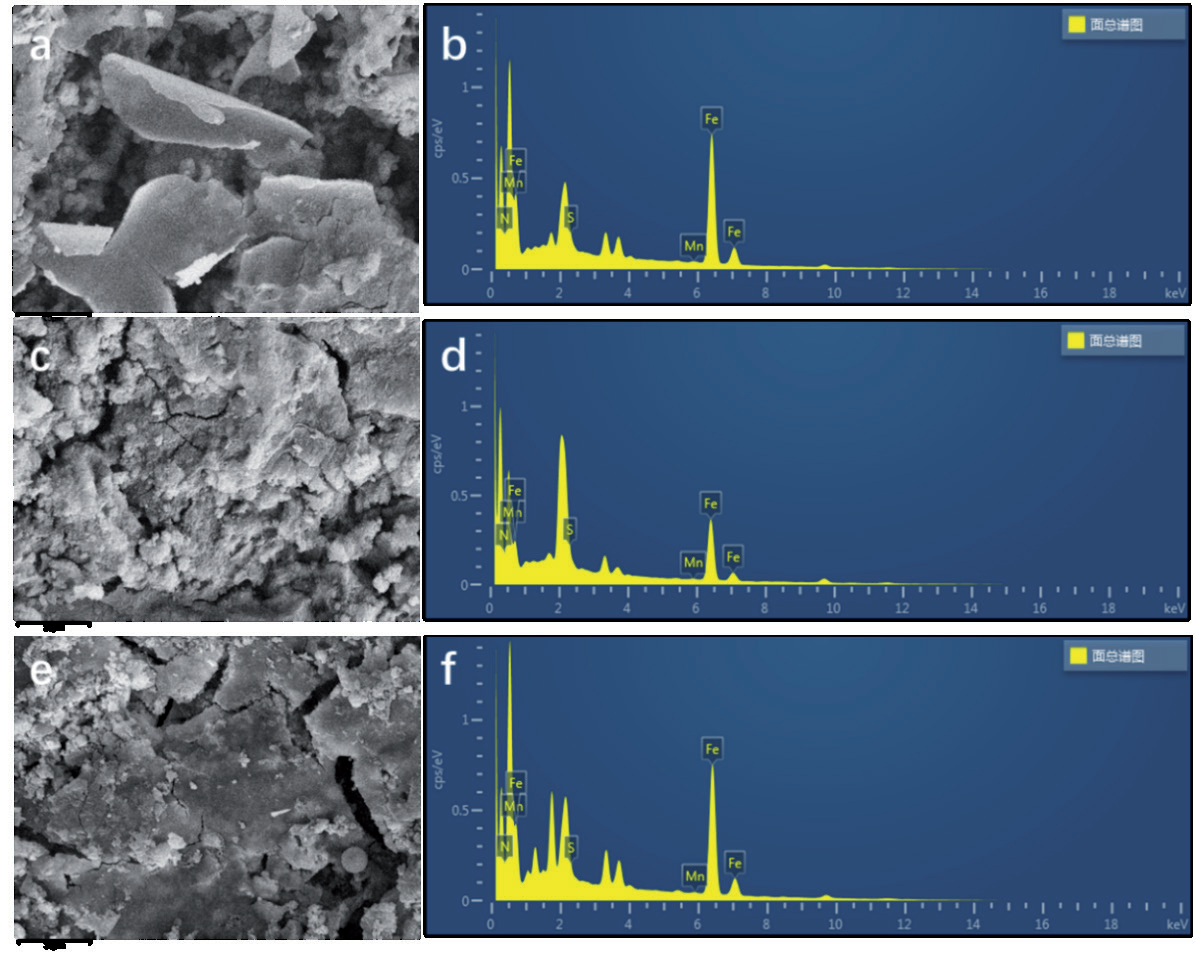
EDS spectra (Fig. 4(a-f)) of the corrosion region on three treated coupons detected Fe, N, S, and Mn in all groups, and the content of these elements was ranked in descending order as Fe>N>S>Mn. In particular, large amounts of N and S were detected in all samples, which serves as an important basis for the participation of bacteria in the corrosion process in circulating cooling water.
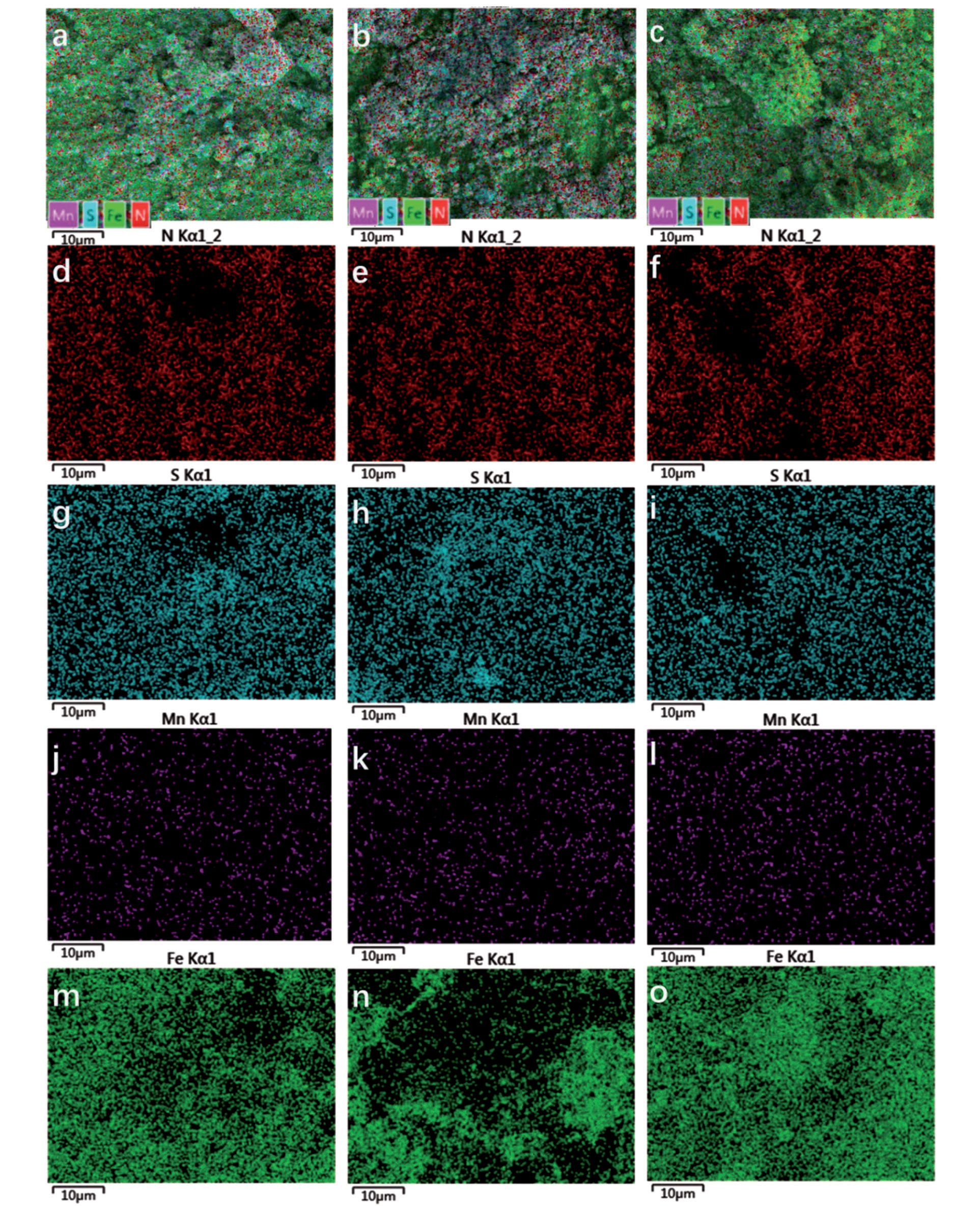
The compositional distribution of elements was further investigated by EDS mapping. Fig. 5(a-c) shows that the main elements on the corroded surfaces were Fe, Mn, N, and S, which was consistent with the EDS spectrum. The distribution of the Fe element was denser in the CK and S groups, which indicated that the content of Fe was relatively low in the M group coupon. Considering that the distribution of the Fe element in EDS mapping showed a high degree of consistency with the location of the surface product in SEM figures [25], the components of the surface product in the M group were found to be mainly iron-free scaling products.
Corrosion and Scaling Product Components Analysis
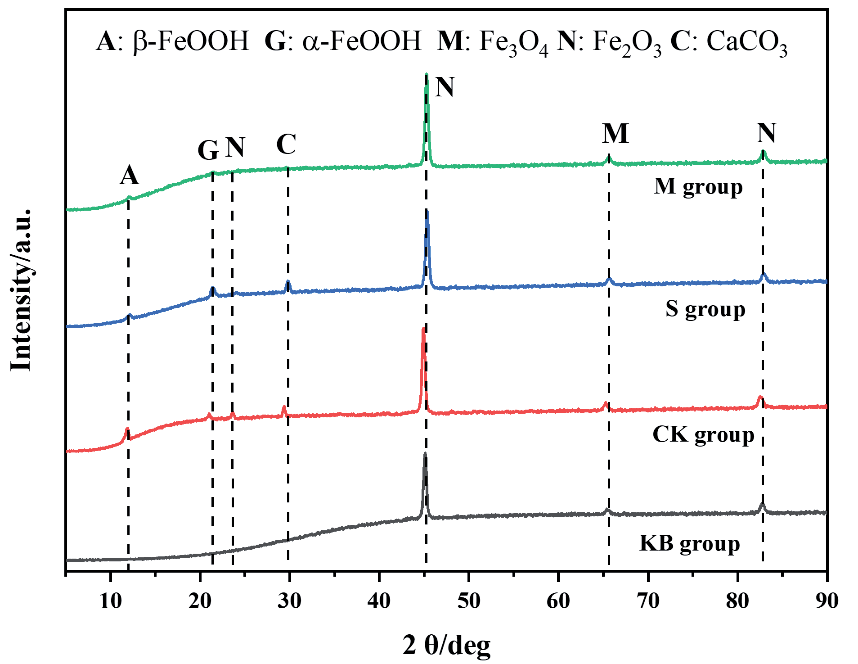
As shown in Fig. 6, the characteristic peaks of Fe2O3 and Fe3O4 in the treated coupons were clear and strong, and the peaks of α-FeOOH and β-FeOOH were detected simultaneously. In the XRD patterns from the steel inner walls of drinking water pipelines reported previously by Lin et al. [26], characteristic peaks at 20.8° and 42.9° similarly appeared, indicating that goethite and lepidocrocite, as typical corrosion products, commonly participate in the material transformation process on the carbon steel surface. With the extension of the reaction time, the characteristic peaks of each component in the treated groups changed significantly, indicating scaling and corrosion products were generated gradually during the reaction process, and the mineral crystallization state was gradually better. It can be clearly found that only in group M did the characteristic peak corresponding to scaling product calcium carbonate at 29° not appear, indicating that the microbial bacterial agent can effectively improve the scale inhibition efficiency of circulating cooling water. However, a lower α-FeOOH peak was observed in the XRD pattern of the M group. Ishikawa et al. [27] found that when two kinds of hydroxyl iron oxides form a passivation film in the corrosion of the outer layer, the α-FeOOH is more protective than the β-FeOOH for the inner metal, and it can be inferred that microorganisms in the microbial agent can prevent the conversion of α-FeOOH on the surface of the carbon steel to decrease the corrosion resistance of the coupon in the circulating cooling water system.
Fig. 4.
SEM-EDS images of the carbon steel coupons surface before and after the reaction of circulating cooling water. (a), (b) control group; (c), (d) biological treatment group; (e), (f) excessive corrosion and scale inhibitor treatment group.
Analysis of Oxygen Vacancies in Scaling and Corrosion Products
In order to detect the possible changes in the nature of oxygen vacancies on the surface of the carbon steel coupons after reacting with the circulating cooling water, the coupons from the control group, the biological treatment group, and the overdosing group were subjected to electron paramagnetic resonance (EPR) analysis in this study. Fig. 7a) shows that strong EPR signals were captured on the surface of all groups. Typically, strong signal intensity indicates a more active material transformation process and a more drastic electron transfer activity on the coupon’s surface. The signal strengths of the four groups were in the following order: control group>excess corrosion and scale inhibitor treatment group>biological treatment group>pickling blank group (Fig. 7a). A higher degree of scaling on the surface of carbon steel and the deeper corrosion sites provide more reaction area for the iron atoms inside the carbon steel. Moreover, Fig. 7b) shows that after the coupons reacted with the circulating cooling water, the g value of all experimental groups increased from 2.005 to 2.01, indicating similar electron transfer processes on the surfaces of all experimental groups’ coupons. This is consistent with the XRD detection results showing new characteristic peaks at A, G, N, and C positions after reacting with the circulating cooling water. Since carbon steel does not contain phosphorus (P) elements, the strong symmetric EPR signal with a g value of 2.01 is hypothesized to result from unpaired electrons trapped by phosphorus vacancies[28], formed when active sites produced by corrosion of the FeC surface combine with phosphorus-containing chemical corrosion inhibitors and scale inhibitors in the water environment. The g value of the M group is closer to 2.01 than other groups, indicating more abundant phosphorus vacancies in the M group and more active corrosion and Fe-P combination activities on the carbon steel surface, consistent with the calculated corrosion rate results.
Elemental Property Analysis
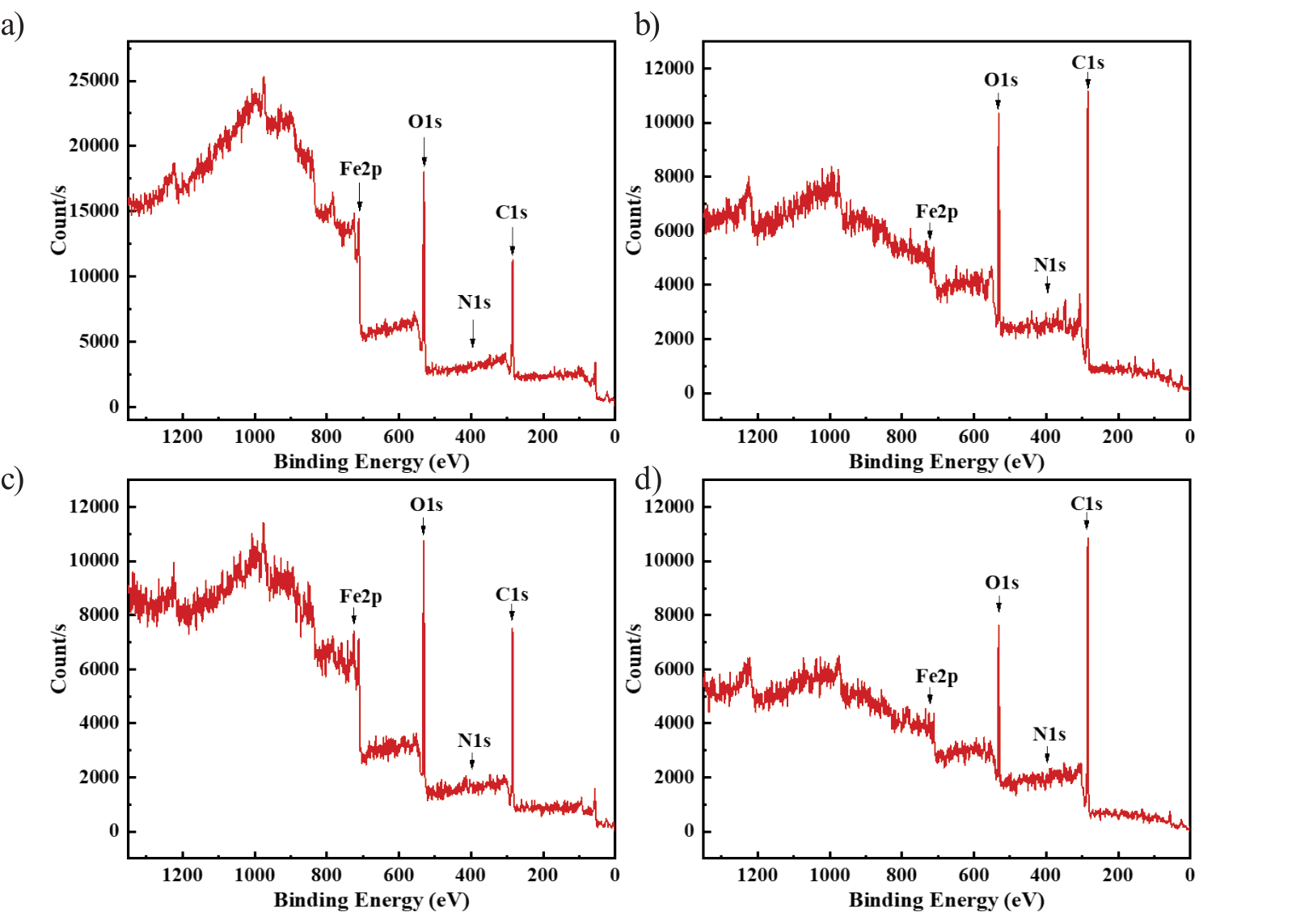
In order to detect the possible changes in the nature of carbon steel, a comparison of XPS spectra of carbon steel coupons before and after circulating cooling water treatment was used to further characterize changes in elemental surface composition. After treatment, two strong peaks at S2p3 (168.35 eV) and S2p1 (169.65 eV) associated with metal sulfates were observed in the XPS spectrums of treated groups (Fig. 8), indicating the presence of microbial corrosion processes dominated by sulfate-reducing bacteria during the corrosion process [29, 30].
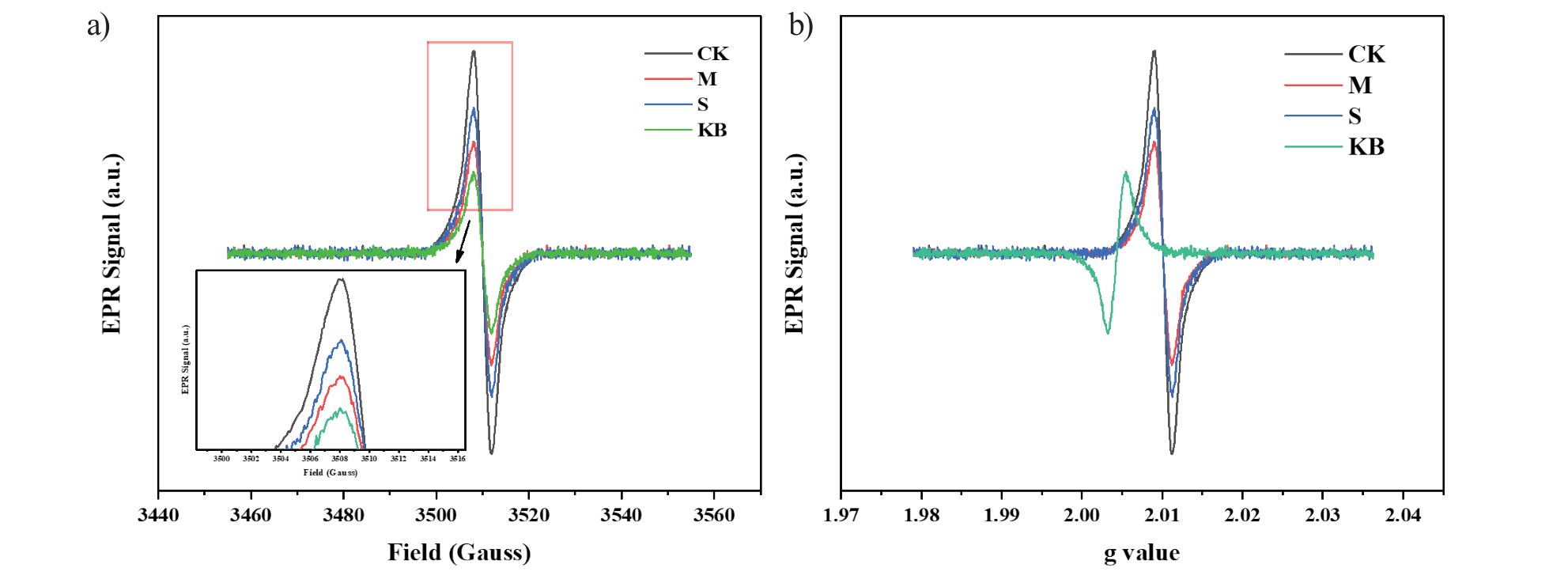
Fig. 8.
XPS spectrum of carbon steel coupons before and after circulating cooling water treatment for full spectra (a: KB group; b: CK group; c: M group; d: S group).
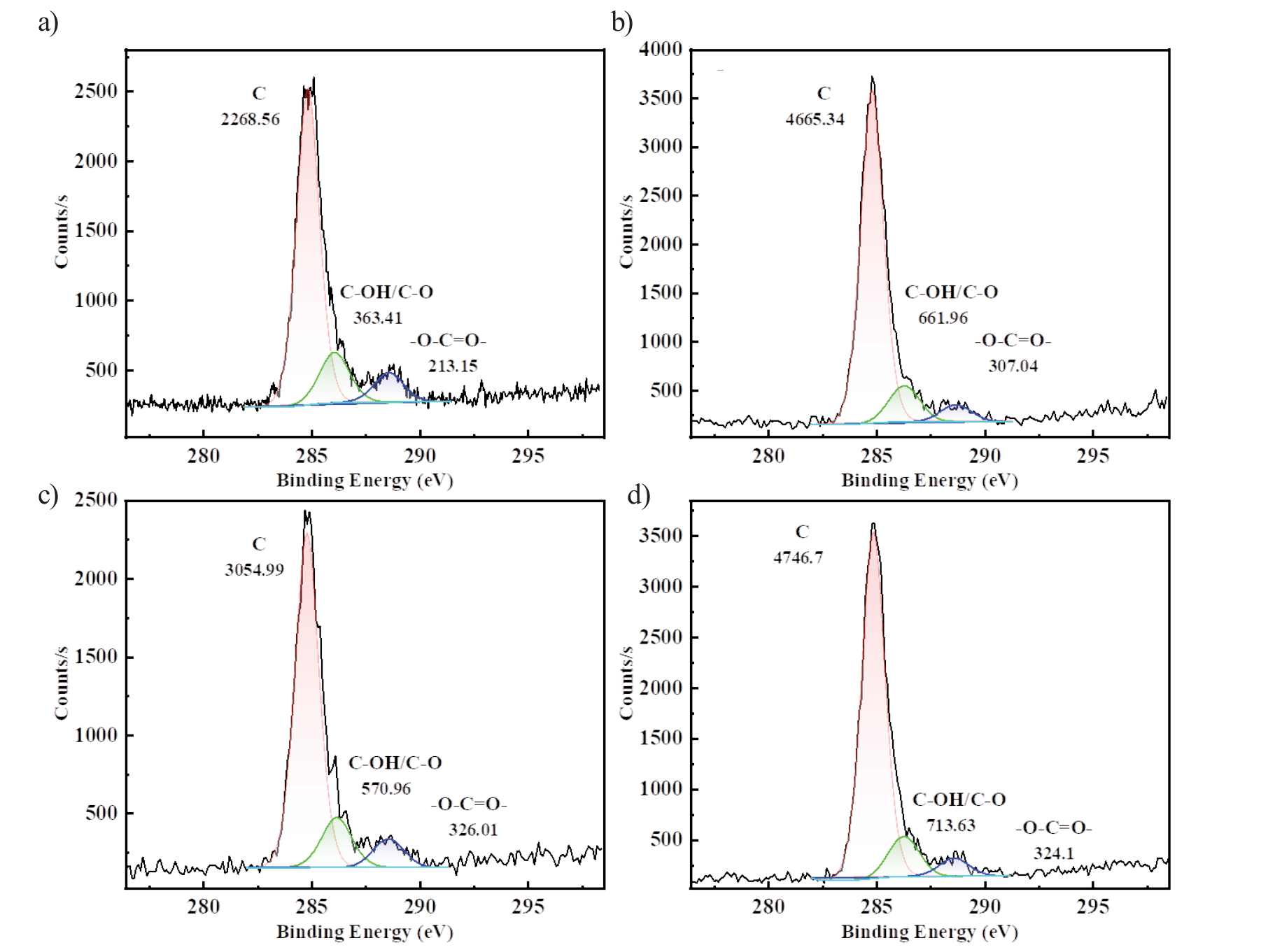
The C 1s fine spectra (Fig. 9) before treatment showed peaks attributable to C=C (284.78 eV), C-OH/C-O (286.15 eV), and -O-C=O- (288.54 eV), where after treatment the binding energies of the C=C functional group in the CK group and M group decreased slightly together with a significant increase in height. The C=C group is normally attributed to the organic product in circulating cooling water treatment, which revealed an increase of protective product on the coupon surface.
A comparison of the O 1s spectra (Fig. 10) with and without microbial agent addition showed that the binding energy of Fe2O3 at 530.13 eV increased as their height decreased, suggesting the transformation or oxidation of Fe2O3 into other Fe-containing products. In addition, in the O 1s spectrum, the peak position of O-C=O* became slightly lower after cooling water treatment, suggesting a possible reaction between Fe (III) and Fe (II). Combined with the results from the XRD analysis, the FeOOH could be formed during the corrosion process. Moreover, the molar percentage of carbonate in the excess corrosion and scale inhibitor treatment group in Fig. 8d) reached 42.44%, significantly higher than that of the control group (26.74%) and that of the microbial group (19.37%). It was indicated that the excessive addition of corrosion and scale inhibitors in circulating cooling water would accelerate the scaling process of the surface of the hanging piece while reducing the corrosion rate. Adding a microbial bacterial agent could act as a scale inhibitor.
Microbial Community Dynamics
The shift in microbial communities can alter metal surface corrosion and scaling processes by affecting biofilm formation, the proportion of different functional microorganisms, and biomineralization processes. In order to explore the changes in microbial abundance and diversity during the biological stabilization by Denitrobacillus licheniformis EM1, the α diversity index of the cooling water treatment system was first analyzed in this study (Table 1).
Chao1 and ACE indices are commonly used to estimate the richness of unobserved species; the Shannon index measures species diversity, and goods coverage estimates the completeness of sample coverage. The ACE and Chao indices in the S group showed that the microbial abundance decreased with the treatment time, indicating that a high concentration of scale inhibitor inhibited microbial growth and reduced their abundance and diversity in the cooling water system. The Shannon index reflected the diversity of the microbial community, and a higher value was found in group M, indicating the inoculation of exogenous denitrifying bacteria promoted the abundance and diversity of bacteria in the cooling water. Moreover, the coverage indices for each group of experiments were greater than 99.9%, so the sequencing results could truly reflect the diversity of the microbial community.
Fig. 9.
XPS spectrum of carbon steel coupons before and after circulating cooling water treatment for C 1s spectra (a: KB group; b: CK group; c: M group; d: S group).
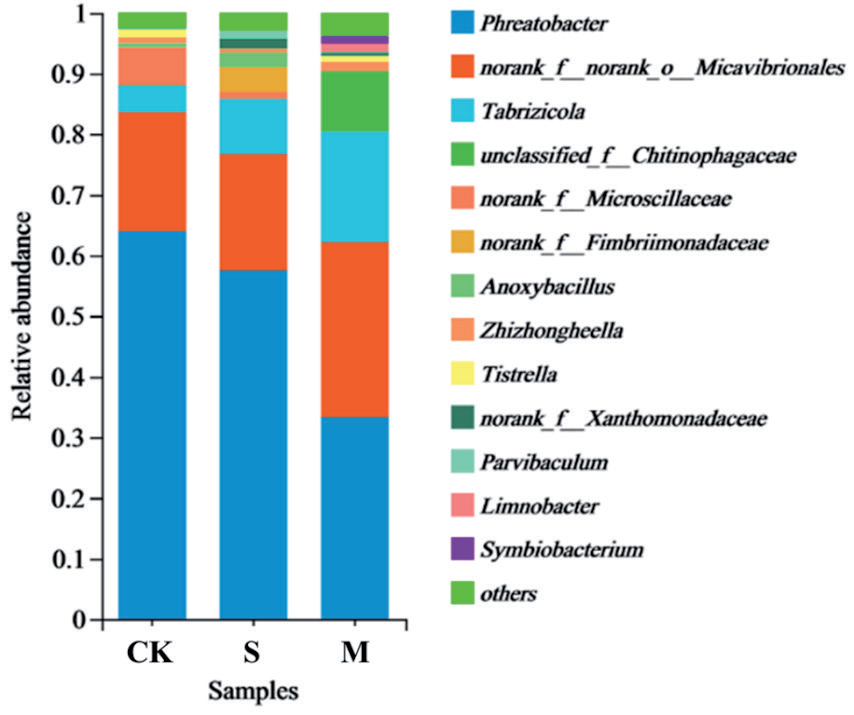
In addition, the change process of microbial community structure at the genus level was analyzed to further investigate the microbial community shift during biological treatment by Denitrobacillus licheniformis EM1. As shown in Fig. 11, the species and abundance of dominant bacteria in the CK group system at the genus level were significantly different from those in the M group.
For the three groups, the dominant bacteria were Phreatobacter, norank_ f _norank_o_Micavibrionales, and Tabrizicola at the genus level, with a relative abundance of approximately 70% of the whole microbial community. In particular, the abundance of Tabrizicola was significantly increased in the S and M groups compared to the CK group, with abundances of 9.12% and 18.17%, respectively. Tabrizicola was isolated in the earliest studies from heavy metal-contaminated sludge and lake sediments. It is mainly a photo-energetic heterotrophic bacterium and has a significant role in the metabolic cycling of nitrogen, sulfur, and other metabolic processes [31]. It has also been hypothesized that it may be one of the microorganisms responsible for increased corrosion under long-cycle operations with high agent concentrations. Moreover, the abundance of norank_ f _Fimbriimonadaceae (4.09%) in the S group and norank_ f _Chitinophagaceae (9.95%) in the M group was significantly higher than in the other two groups. Yan et al. [32] had reported that Chitinophagaceae, the dominant bacterial group of the sludge community in membrane bioreactors, could have good removal efficiency of NH4+-N and TP. The results indicated that microbial treatment allowed more Tabrizicola and Chitinophagaceae strains to grow and metabolize under high scale and corrosion inhibitor concentrations as the operating time prolonged.
Scaling Inhibition Mechanism
The limited carbonate test and surface characterization prove that the denitrifying bacteria agent can control the scaling of carbon steel in the circulating water system and accelerate the surface corrosion process at the same time. Surface characterization results and changes in the microbial community indicate that the denitrifying bacterium Denitrobacillus licheniformis EM1 primarily enhances the system’s overall concentration ratio by regulating the water environment’s pH and increasing the abundance of nitrogen-removing bacteria. It is hypothesized that the anti-scaling and pro-corrosion effects of Denitrobacillus licheniformis EM1 are based on the following process:
Fig. 10.
XPS spectrum of carbon steel coupons before and after circulating cooling water treatment for O 1s spectra (a: KB group; b: CK group; c: M group; d: S group).
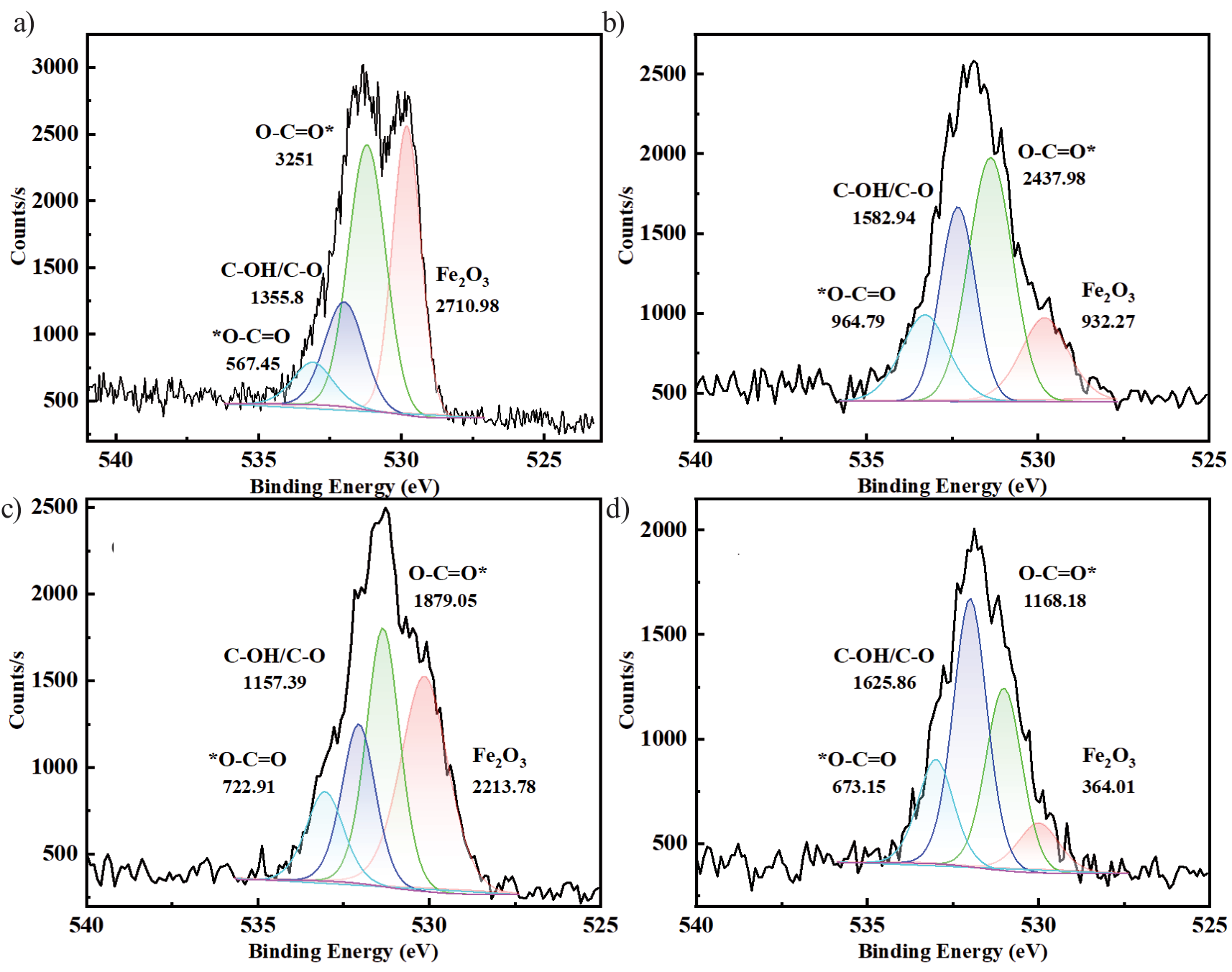
Table 1.
α diversity index of the microbial community in different testing groups.
| Category | Ace | Chao | Shannon | coverage |
|---|---|---|---|---|
| CK | 54.53±3.99 | 54.33±4.16 | 1.34±0.37 | 0.999±2.02*10-5 |
| S | 47.51±1.67 | 48.5±3.54 | 1.06±0.17 | 0.999±2.55*10-5 |
| M | 60.79±2.89 | 6043±3.37 | 1.82±0.12 | 0.999±6.12*10-5 |
a) Denitrobacillus licheniformis EM1 exhibits the capability to produce acidic substances through the denitrification process. The interaction between the H+ ions generated by these functional strains and the CO32- ions present in the circulating cooling water results in the formation of HCO3-. Notably, the solubility of bicarbonate is higher compared to carbonate. Consequently, the functional strains contribute to an increased solubility of Ca2+ and effectively hinder the formation of CaCO3.
b) Ammonia and nitrogen in the circulating cooling water system create favorable conditions for microbial reproduction, resulting in the substantial production of biological slime. The denitrification reaction, facilitated by denitrifying bacteria, plays a crucial role in depleting the water’s alkalinity.
This, in turn, leads to the dissolution of connections between biological slime and scale components, such as calcium carbonate and magnesium carbonate. This observation aligns with the findings of an experiment conducted by Wang et al. [14], the microbial agent was observed to continuously decrease the pH value of cooling water, contributing to an increase in the limit concentration rate.
c) Introducing denitrifying bacteria into the circulating cooling water system leads to a notable increase in the relative abundance of Tabrizicola and Chitinophagaceae bacteria within the microbial community. This enhancement is advantageous for the decomposition and transformation of ammonia and nitrogen within the system, ultimately resulting in a reduction of the overall NH3-N concentration.
d) The acidic substances produced by partially attached denitrifying bacteria on the surface of carbon steel not only reduce the overall alkalinity
Fig. 11.
Microbial community structure at the genus level in three groups at the genus level after circulating cooling water treatment.
of the circulating cooling water system but also
have a certain oxidation effect on the iron oxide
at the contact interface and enter the inner side of
the carbon steel through corrosion cracks, thereby
increasing the degree of the corrosion process.
Conclusions
Novel denitrifying bacteria Denitrobacillus licheniformis EM1 was added into circulating cooling water taken from a coal power plant to evaluate the effect of biological treatment techniques on the corrosion and scaling processes on the surface of carbon steel materials. The results of comparative experiments showed that the scale inhibition efficiency of the Denitrobacillus licheniformis EM1 addition group surpassed the blank group by 25.32%, while the corrosion rate was accelerated by 38.94%. The surface morphology and surface properties of the carbon steel were evaluated by SEM-EDS, XRD, EPR, and XPS, showing that a smoother interface and less protective iron hydroxide were formed on the surface of the carbon steel with denitrifying bacteria. More phosphorus vacancies and fewer carbonate deposits were also observed in the group with added denitrifying bacteria. Moreover, Tabrizicola and Chitinophagaceae strains were found to be the main functional bacteria for anti-scaling and pro-corrosion effects through secreting acidic substances and dissolving the calcium carbonate on the surface of carbon steel. Scaling inhibition can be achieved by adding denitrifying bacteria to a circulating cool water system, providing a theoretical basis for developing new green composite corrosion and scale inhibitors. Moreover, the microbial community shifts and interaction mechanisms between denitrifying bacteria and other corrosion-inhibiting functional bacteria or functional enzymes in circulating cooling water habitats should be further studied to promote the selection and optimization of high-efficiency biological corrosion and scale inhibitors.

