

Introduction
The strength characteristics of the soil can affect the mechanical properties of the stress process, which involve many aspects of geotechnical problem in airport engineering, such as soil pressure in the soil retaining structure, the settlement of the subgrade, the stability of the slope [1-5]. However, engineering practice reveals that the majority of the soil in engineering projects remains unsaturated [6]. Therefore, the study of the strength characteristics of unsaturated soil has important engineering significance. Many domestic and international scholars have performed numerous studies of the strength characteristics of unsaturated soil. For unsaturated soil, it may have three possible stress states with variable combinations, and the relationship between shear strength and matric suction via experimental investigations was established by several researchers [7-8].
Based on the shear tests of the unsaturated soil by using a conventional triaxial apparatus, it was discovered that the reciprocal of the initial saturation is linearly related to the intensity of adsorption [9]. At the same time, it can obtain the adsorption strength of unsaturated soil and the relationship between cohesive force and adsorption strength based on the shear test with low shearing rate. Through the indoor tests and theoretical analyses, several researchers analyzed the strength and deformation characteristics of unsaturated loess soil [10].
There, the soil selected at a high-plateau airport of China belongs to the Q3q of pleistocene series, which is different from other unsaturated soils in physical and mechanical characteristics. The soil is always named “The old clay”, and its parent material soil is the quaternary loess, which always stay unsaturated. This kind of soil is widely distributed and many engineering projects were built on the soil in the plateau area of China. So it has important engineering significance to study the strength characteristic of this kind of soil.
Material and Methods
The Theory of Shear Strength of Unsaturated Soil
For unsaturated soils, the pore fluids contain not only the pore water but also the pore air, which renders the effective stress more complex than saturated soil. Many researchers focused on the shear strength of unsaturated soil and developed several formulations for quantifying the effect of matric suction on the shear strength of unsaturated soils. But the most popular formula is the double-variables theory proposed by Fredlund. The Fredlund’s shear strength equation for unsaturated soils is with two independent strength parameters that correspond to (ua – uw) and (σ – ua),
where φ b represents the angle of shear resistance with respect to matric suction. When a soil is fully saturated, the pore air pressure becomes equivalent to the pore water pressure and the matric suction component is eliminated. Then, Eq. (2) reduces to the conventional Mohr–Coulom shear strength equation for saturated soils (Eq. (2)).
For an unsaturated soil, the matric suction ψ and the angle φ b are additional parameters that increase the shear strength compared with Eq. (1). Specimens at different degrees of saturation can be tested, and the shear strength determined from each specimen can be plotted against the matric suction. The slope of the shear strength vs. matric suction failure envelope is the angle of shear resistance with respect to the matric suction φ b. Many researchers had focused on the φ b [11-15], but the relationship between the shear strength and φ b was not very clearly up to now.
The Theory of Suction Stress Characteristic Curve (SSCC)
In 2006, Lu and Likos expanded the effective stress of unsaturated soil by defining a new stress variable, which is referred to as suction stress, in the effective stress equation as
where σs stands for the suction stress, it can be described as
where θe is the effective volumetric water content θ, which is normalized by the difference between the saturated values and the residual values, i.e., θs and θr Lu and Likos (2006) defined the relationship between suction stress and matric suction as the suction stress characteristic curve (SSCC) of unsaturated soil.
In Eq. (4), the volumetric water content can be substituted by the corresponding degree of saturation. Based on the Van- Genuchten’s SWCC model (1980), the effective volumetric water content θe and matric suction can be described as
Depending on the geologic conditions and climatic conditions of soil formation, soils with an extensive range of particle sizes may produce an extensive range of pore sizes, which are typical for loess soils and cohesive soils. Based on Eqs (4) and (5), suction stress can be written in a closed-form equation either as a function of matric suction or the effective volumetric water content,
The Soil Properties
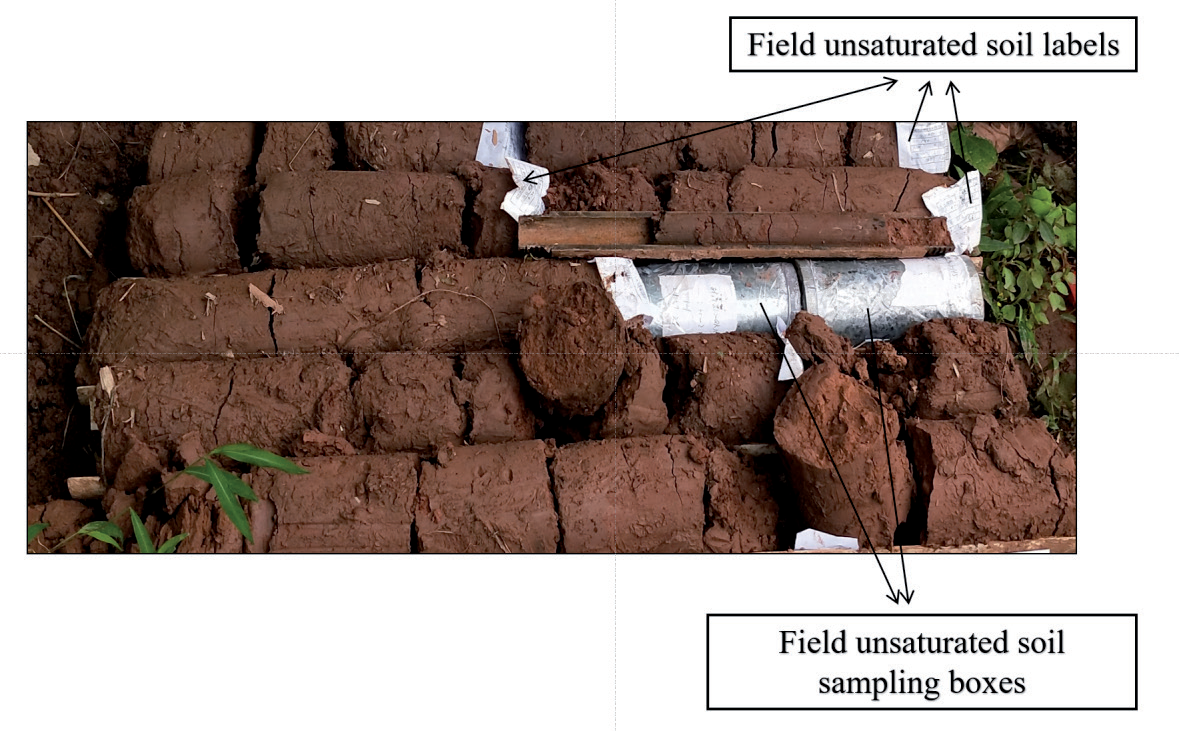
In the study, the soil at a high-plateau airport of China was selected.which is a representative type of unsaturated soil in China (Fig. 1).
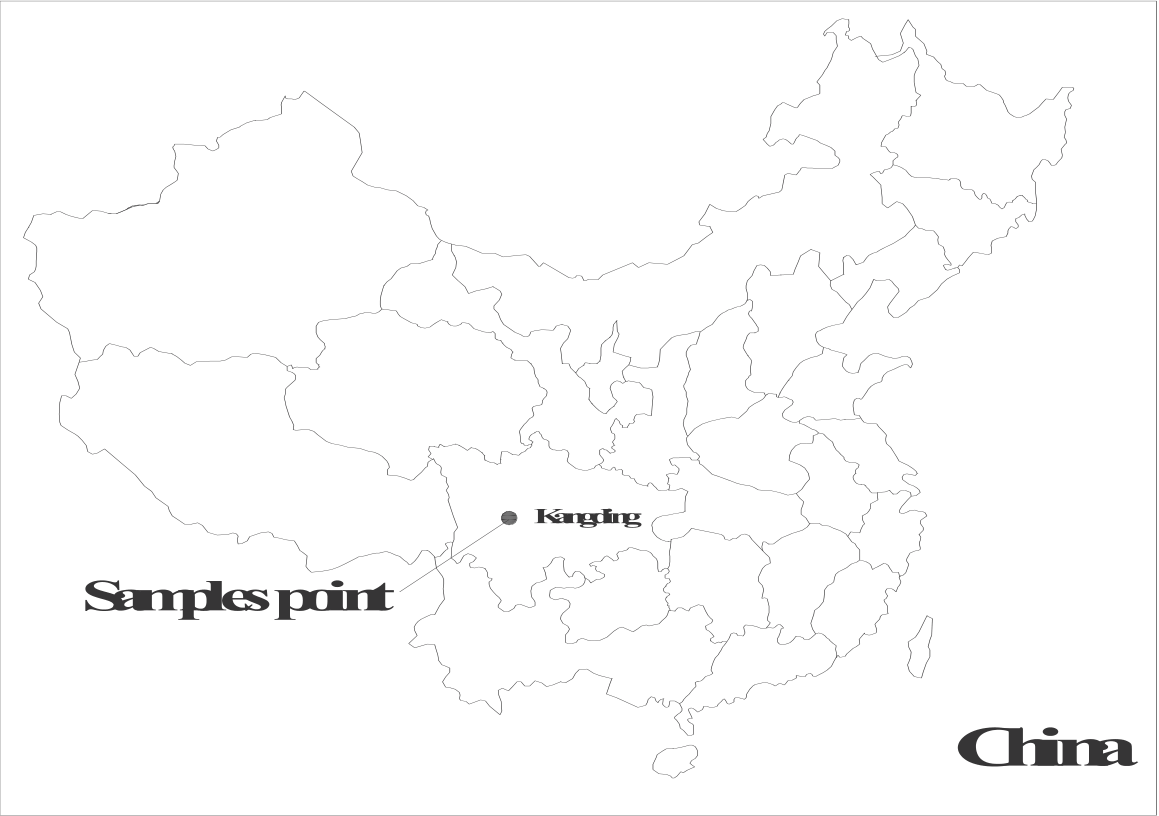
A large number of studies have shown that the unsaturated foundation soil in Kangding City, Sichuan Province, China is the representative of the typical soil of high plateau airport. The unsaturated soil in Kangding area can not only reflect the special geological environment of the high plateau airport soil, but also reflect the special physical and chemical properties of the soil. Therefore, the unsaturated soil in Kangding area is selected as the research object in this manuscript (Fig. 2).
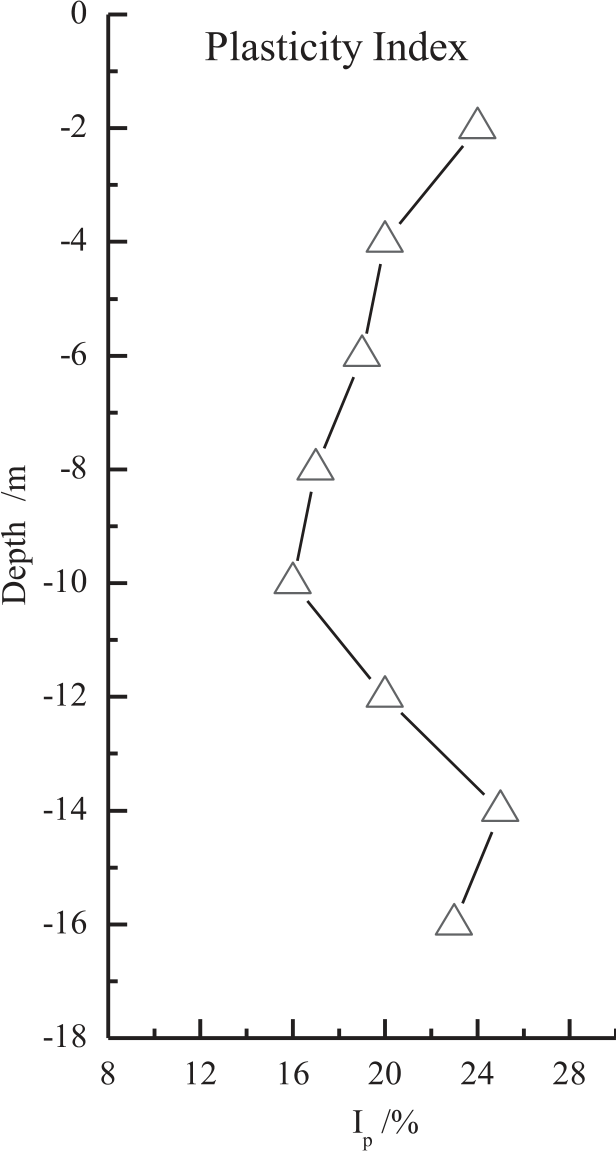
Laboratory tests were conducted on soil samples at different depths of the research airport, and the plasticity index of soil samples at different depths was obtained, as shown in Fig. 3.
Considering the engineering characteristics of soil samples, the depth of the foundation soil was 4 m, the soil at this depth always keep unsaturated because of the low underground water level, which usually below the depth of 8m. The rig was used to drill the foundation soil into cylindrical samples with the diameter of 100mm and height of 200mm. At the same time, the aluminum tin covers were used to encapsulate undisturbed soil samples, and the wax was used to seal the cracks on the package. Then the encapsulated soil samples were taken to the indoor laboratory. According to the “Specification of geotechnical test of China (GB/T50123-1999)”, the encapsulated soil samples were cut into triaxial specimens, which were with the diameter of 39.1 mm and height of 80 mm. Then the triaxial specimens were used for testing.
The results of the X-ray diffraction test showed that the total clay content is 55.4%, which the main clay minerals of the soil consisted of montmorillonite (30.3%) and illite (12.4%). The grain size distribution curve for the cohesive soil is shown in Fig. 4. The maximum dry density was 1.59g/cm3 and the optimum water content was 21.8% for this kind of soil. The basic physical properties of the cohesive soil were listed in Table 1.
The Test Apparatus
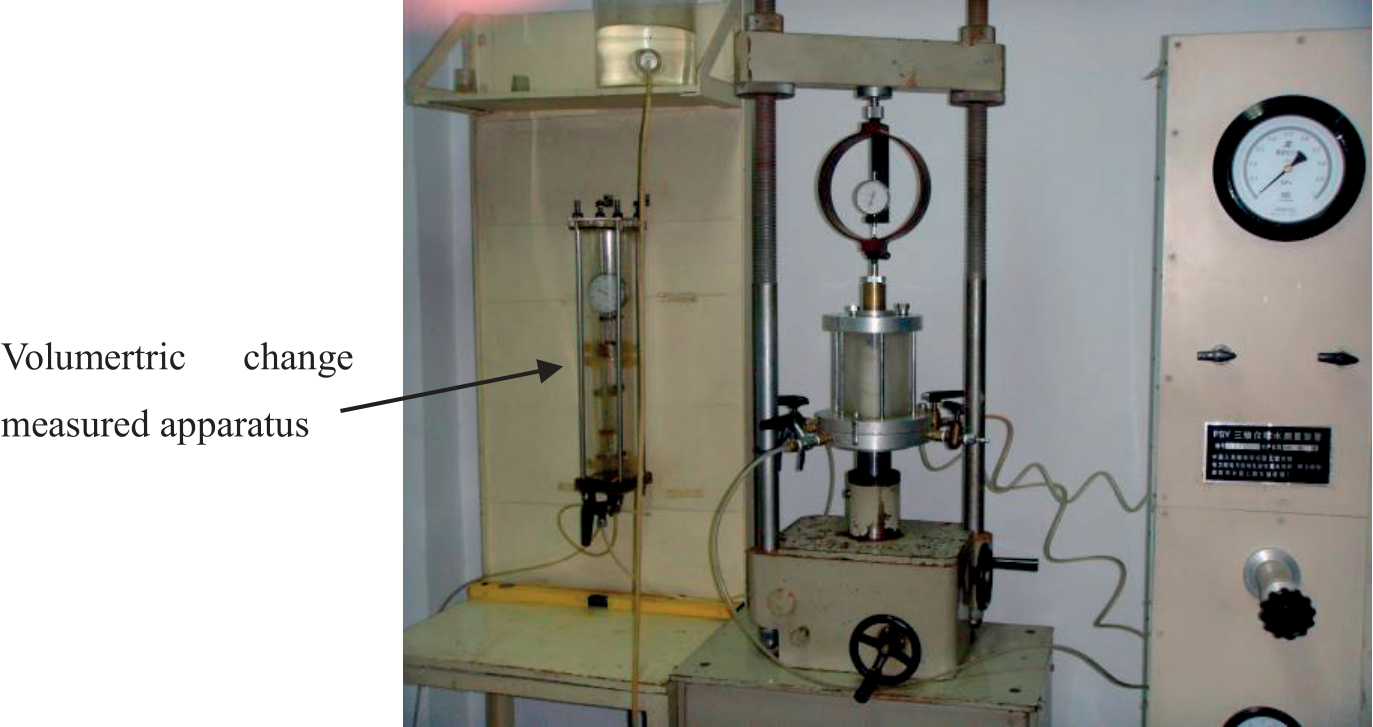
The triaxial tests were performed by using an unsaturated soil triaxial test apparatus (Fig. 5). In the tests, the suction and net confining pressures were simultaneously controlled.
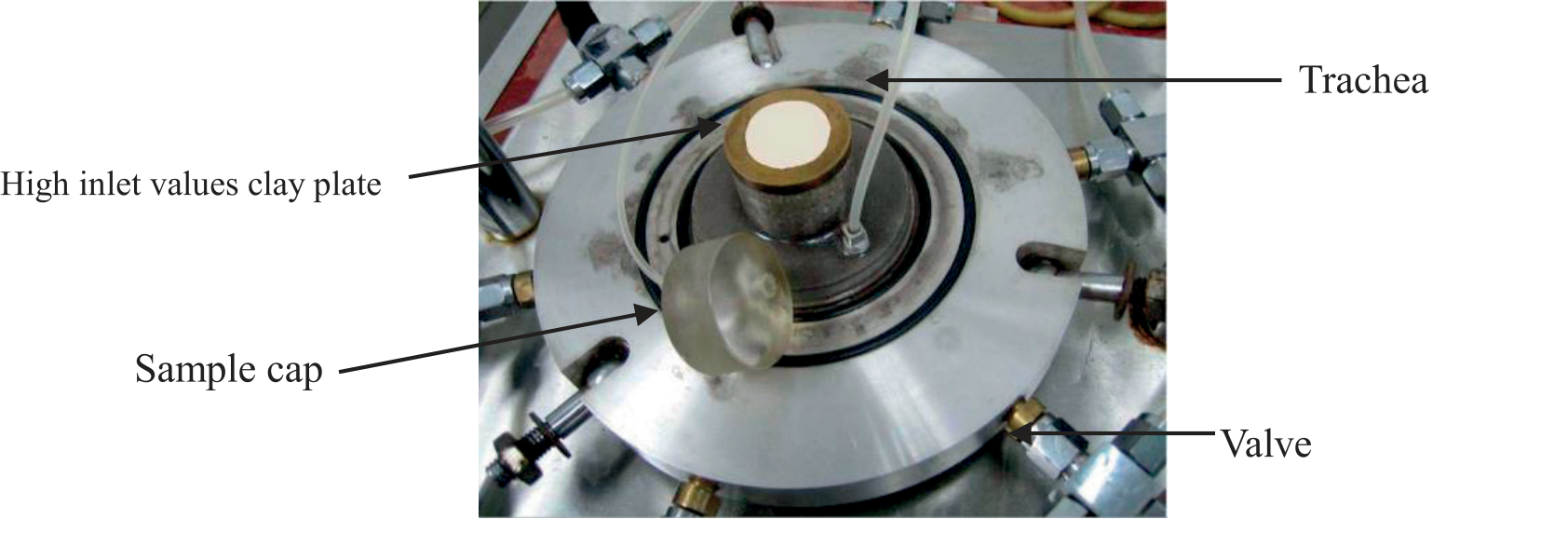
For the apparatus, there has a high inlet values clay plate (Fig. 6), which the pore water can through by but the pore gas. During the triaxial tests, there have a thin perforated copper sheet on the sample, and above the copper sheet, there would be a sample cap with trachea. The trachea would be aimed at the hole on the copper sheet, and the pore air pressure from air compressor can transmitted to the soil through the trachea. Based on this method, the matric suction was controlled at the set value in the scheme, and the change of water didn’t need to be measured in the consolidation drained shear triaxial test.
The volume change was measured by the apparatus as Fig. 5. The distilled water (no gas water) was filled with the pressure chamber. If the sample has change in volume, the distilled water would be packed into the trachea and the volume change measured device. The volume change measured device was a syringe with calibration, and the volume change could be measured by the change of the calibration. For the syringe device, each 0.01 mm displacement corresponds to the 0.0063 cm3 volume change of soil sample.
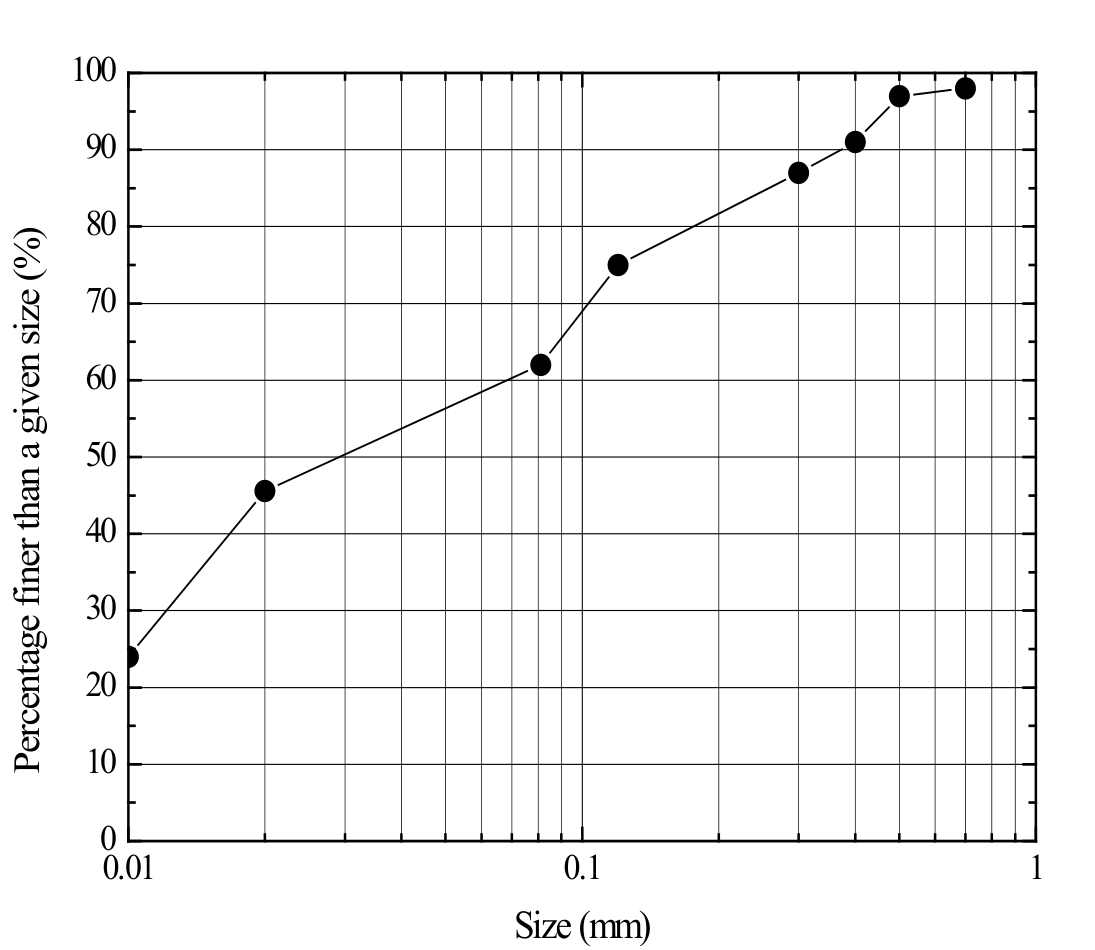
Table 1.
Physical properties of studied soil.
| Soil Sample Depth /m | Natural Density / (g/cm3) | Natural Moisture Content /% | Liquid Limit /% | Plastic Limit /% | Plasticity Index |
|---|---|---|---|---|---|
| 4 | 1.66 | 19.3% | 35.3 | 15.3 | 20.0 |
In the process of shearing, the rate was selected at 0.0125 mm/min, which was selected on the basis of past experience in actual engineering. The indicators for termination in the shear process are mainly: if the shear displacement appear peak in 12mm (i.e., the axial deformation of 15%), it could terminate the test. If not, it could terminate the test at 12mm (i.e., the axial deformation of 15%) of the shear displacement.
The Test Schemes
The samples tested in the manuscript were saturated by the vacuum suction method before the tests, and the initial saturation of the samples were not less than 95% (which can be thought of as saturated soil), then the initial suction were nearly 0 kPa. It could ensure that the same initial conditions for all samples before tests and showed the effect of suction and net confining pressure.
A large number of studies have shown that the variation of matric suction of unsaturated soils in specific engineering is usually limited to a certain range. In the design of this test scheme, combined with the monitoring data of soil mass in the study area over the years, it is obtained that the variation range of soil matric suction in the study area is 50~200 kPa. In order to change the matric suction equally during the test, the interval value of matric suction was selected as 50kPa. Also, combined with the possible vertical load distribution of the airport in the study area, the change range of the net vertical stress value is 100~400 kPa, and the interval of the net vertical stress value is 100 kPa.
In view of the above considerations, in the test schemes, four groups of suction were considered: 0 kPa, 50 kPa, 100 kPa and 200 kPa. The net confining pressures were controlled at 100 kPa, 200 kPa, 300 kPa and 400 kPa, which were also illustrated in Table 2.
The triaxial tests in the manuscript contain two stages, one for consolidation and the other for shearing. The standard for terminating the process of consolidation was that the volume change was less than 0.0063 cm3 and the drainage discharge was less than 0.012 cm3 within two hours. The stage for shearing started after the process of consolidation. For each specimen, the triaxial test required three days, including two days for the consolidation stage and one day for the shear stage. The test with suction of 0 kPa (saturated soil) was settled as a contrast test for unsaturated soil.
Results and Discussion
The Strength Parameters
For the unsaturated moraine soil, the strength parameters of the triaxial tests can be calculated, as shown in Table 3.
The qf , pf represent the deviatoric stress and the net mean stress inthe failure state. For the specimens, no distinct peak points in the failure state were observed. In the study, the failure strengths qf were equivalent to the deviatoric stress when the axial strain was 15%. They can be calculated by the following formulas,
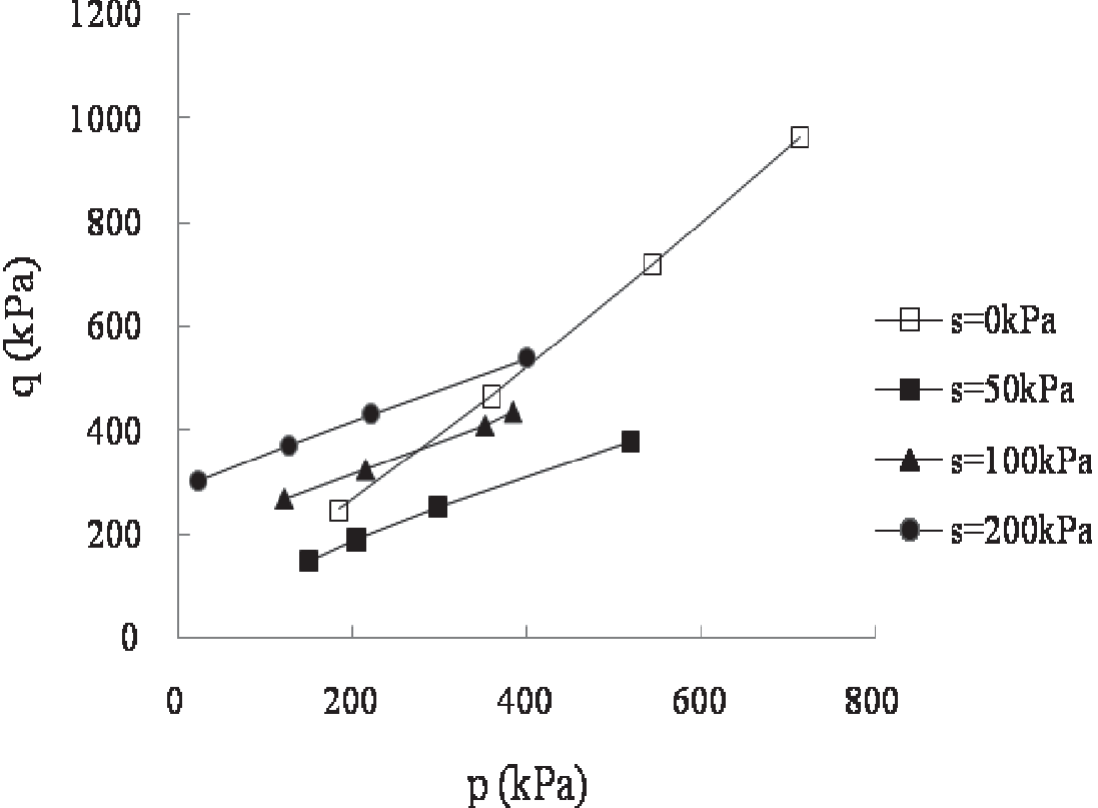
where σ1, σ2, σ3 denote the three principal stresses, which can also be calculated using the triaxial tests. The relationship between p and q can be described as shown in Fig. 7.
In the Figure, the condition of s = 0kpa is equivalent to that of saturated soil. The purpose of test for “s = 0kpa” is to compare with that of s ≠ 0kpa (that is, soil is in an unsaturated state), so as to obtain the rule of influence of the presence of matric suction on soil strength parameters. Because of the strength characteristics of soil in saturated state and unsaturated state are quite different, the curve of s = 0kpa is different from the other three conditions.
Table 3.
Strength parameters of triaxial tests.
Table 2.
Schemes of triaxial tests.
| Matric suction (kPa) | Net confining pressure (kPa) |
|---|---|
| 0 | 100 |
| 200 | |
| 300 | |
| 400 | |
| 50 | 100 |
| 200 | |
| 300 | |
| 400 | |
| 100 | 100 |
| 200 | |
| 300 | |
| 400 | |
| 200 | 100 |
| 200 | |
| 300 | |
| 400 |
In the p-q plane, the relationship can be fitted by the following formula
where ξ represents the intercept of the line and tωg denotes the slope, which were obtained using the least squares method. The calculated values are listed in Table 3. According to the formulas,
c' and φ' represent the cohesion and angle of internal friction of the unsaturated soil.
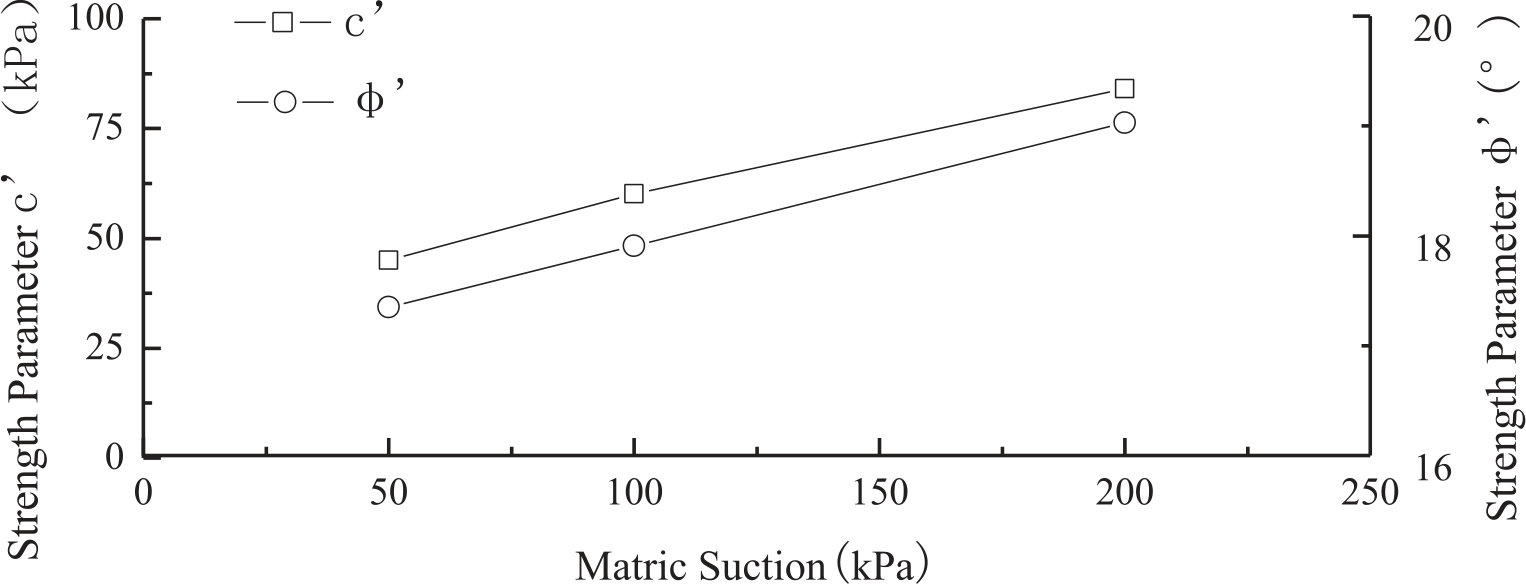
The cohesion c' and the angle of internal friction φ' of the unsaturated soil were analyzed, as shown in Fig. 8, c' and φ' have increase to a certain degree with an increase in suction and the growth rates were similar. Based on the shear strength theory by Fredlund,
For the unsaturated moraine soil, the strength parameters c' = 39 kPa, φ' = 17.2°, and the φb = 14.98°, where φb denotes the rate of shear strength, increased with the matric suction.
The Relationship between Volumetric Strain and Net Confining Pressure
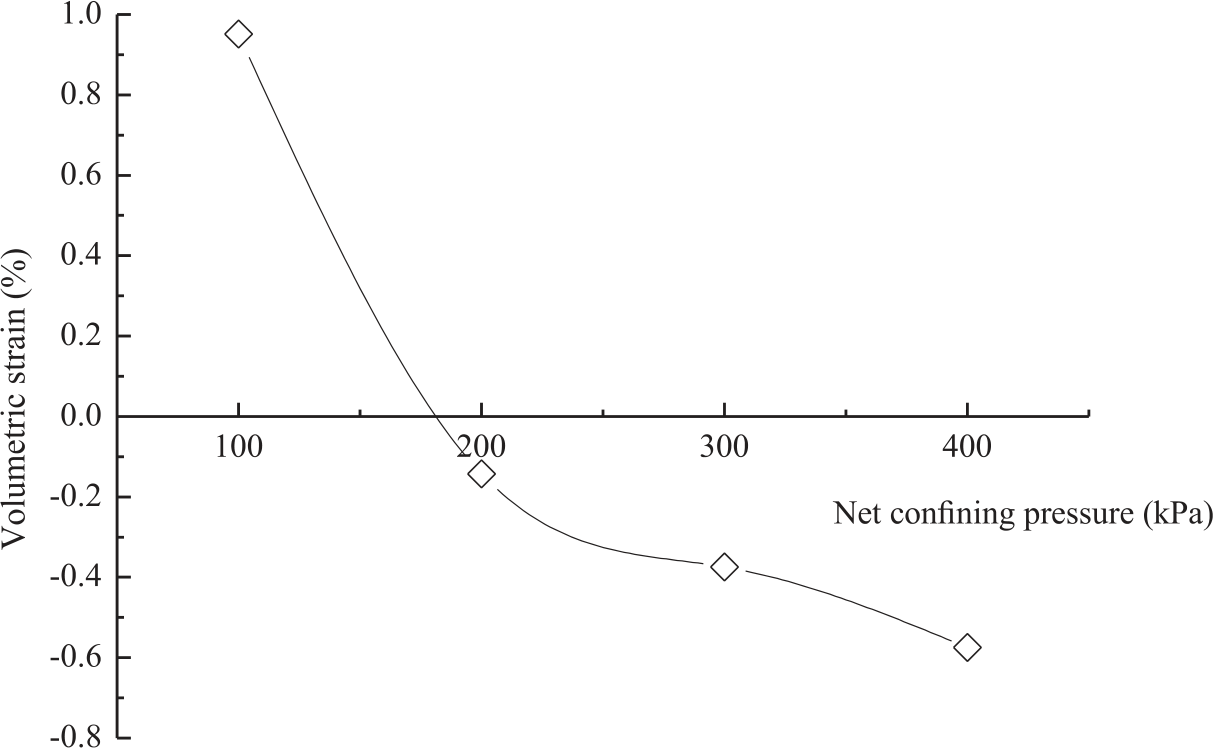
Fig. 9 shows the relationship between volumetric strain and net confining pressure. The specimens were in a state of dilatancy for a small net confining pressure and the amount of dilatancy rapidly decreased and developed into a shear shrinkage state with an increase in net confining pressure. The last amount of the shrinkage was stable at approximately 0.6%.
The Characteristic of the SSCC
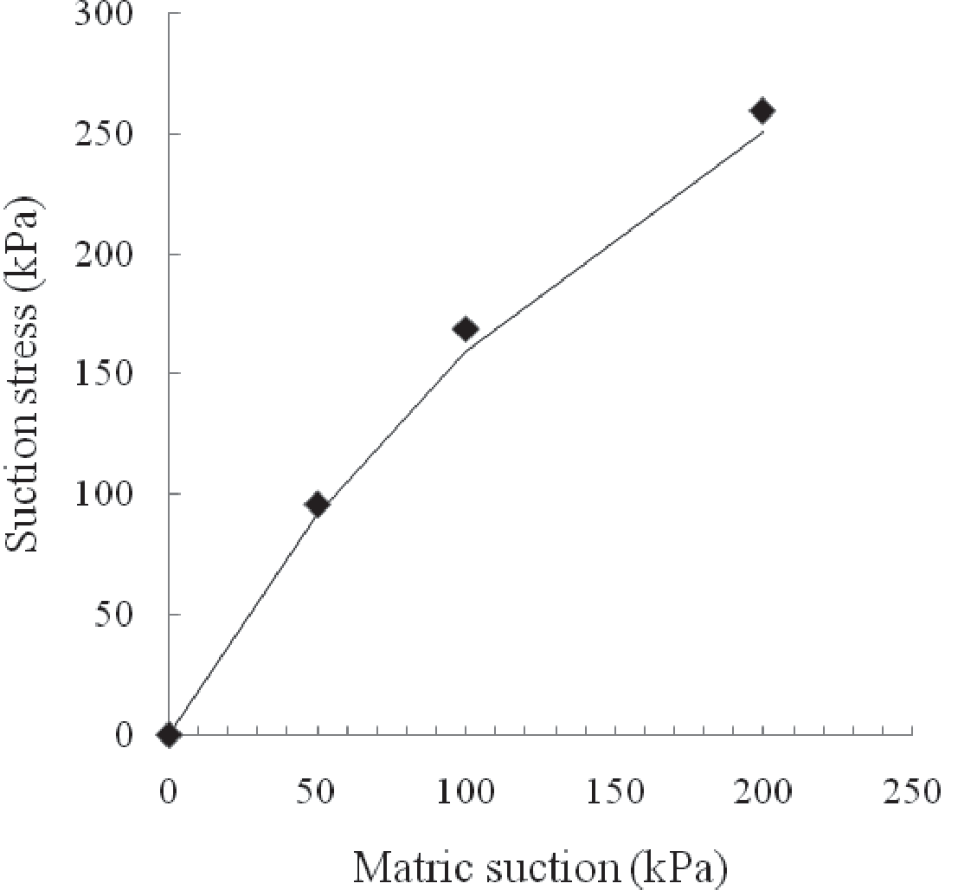
For the studied unsaturated soil, the SSCC could be obtained based on the triaxial tests, and it was shown as Fig. 10. From Fig. 10, the results showed that the suction stress increased with an increase in the matric suction in the scope for the studied unsaturated soil.
Conclusions
In this study, triaxial tests were performed for the unsaturated cohesive foundation soil at a high-plateau airport of China. In the triaxial shear strength tests, the matric suctions were controlled and the following results were obtained:
(1) For the unsaturated moraine soil, c' and φ' increase with in the matric suction and their growth rates were similar.
(2) The relationship between volumetric strain and net confining pressure showed that the specimens were in a state of dilatancy with a small net confining pressure and the amount of dilatancy rapidly decreased and developed into a shear shrinkage state with an increase in net confining pressure. The last amount of shrinkage was stable at approximately 0.6%.
(3) Based on the triaxial tests, the SSCC was obtained and the suction stress increased with an increase in the matric suction for the studied unsaturated soil.

