

Introduction
In today’s global landscape, competition is a key factor shaping corporate strategies. Consequently, the industrial economy has transitioned towards a knowledge-based economy. As markets become increasingly competitive, firms face significant challenges in achieving sustainable growth. Researchers and practitioners alike recognize the pros and cons of a competitive environment and strive to develop strategies for adaptation. Over the past two decades, these efforts have predominantly centered on human resource management practices, particularly with the advent of strategic human resource management approaches. Human Resource Management (HRM) is the key discipline of management that controls an important asset of the organization, i.e., human resources. Sustainability has become a focus of researchers from all fields [1]. It is argued that green HRM (GHRM) is an inevitable part of sustainability. The policies of GHRM are responsible for the sustainable utilization of businesses’ resources. The increase in GHRM would help to increase the satisfaction of the employees. It is a practice of philosophies [2]. It mainly focuses on policy formation to stimulate the ecological use of business resources to mitigate dangerous environmental effects [3].
The GHRM is useful to promote environment-friendly operations, policies, services, procedures, and practices[4]. The GHRM provides support to develop and implement the responsive activities of employees to make these activities less harmful to nature and natural resources [1]. The identification and implementation of green initiatives is a major task of GHRM. However, it is required to change the behavior of employees accordingly to attain the green goals [5]. The GHRM is vital to inspire employees to get involved in eco-friendly activities for the safety of human beings and the environment [6, 7]. The employees should align their behavior according to the corporate vision of an organization [8] The GHRM is a set of plans to implement policies for environmental sustainability [9].
The empowerment of employees is beneficial to increase their enthusiasm for work performed with respect to efficiency and effectiveness [10]. Due to empowerment, employees try to get green objectives, which is termed green employee empowerment (GEE) [11]. The eco-friendly targets are a combination of practices like recycling, making double-sided photocopies, recycling old furniture, efficient utilization of energy resources, and energy-efficient appliances. Due to this, organizations can attain sustainable green targets. It is required that managers should support their employees and develop feedback to empower employees, which might support them in achieving their green objectives [12]. Moreover, supervisory contribution to the green targets also stimulates the attitude of employees toward the green environment.
Individual employees could play a key role in achieving organizational aspirations. The development of green values at the individual level is a prerequisite to ensure green management, practices, and implementation. Therefore, the enhancement of green values at the individual scale is needed to facilitate the organizations’ aspirations [13].
The empowerment of employees is beneficial to increase their enthusiasm for work performed with respect to efficiency and effectiveness [14]. Due to empowerment, employees try to get green objectives, which is termed green employee empowerment (GEE) [11]. The eco-friendly targets are a combination of practices like recycling, making double-sided photocopies, recycling old furniture, efficient utilization of energy resources, and energy-efficient appliances. Due to this, organizations can attain sustainable green targets. It is required that managers should support their employees and develop feedback to empower employees, which might support them in achieving their green objectives [12]. Moreover, supervisory contribution to the green targets also stimulates the attitude of employees toward the green environment.
Individual employees could play a key role in achieving organizational aspirations. The development of green values at the individual level is a prerequisite to ensure green management, practices, and implementation. Therefore, the enhancement of green values at the individual scale is needed to facilitate the organizations’ aspirations [13].
The Rationale of the Study – Why Is This Research Needed?
A current research trend discussed that GHRM plays a crucial role in organizations for sustainable strategies [15]. A research gap still exists in terms of the integration and systematization of GHRM knowledge to define future directions [16]. The increased concern about the environment in the world is responsible for treaties to mitigate the environmental effects in the world. In the recent era, different stakeholders like employees and customers showed concern to ensure environmental responsibility at the corporation level. Business organizations moved from conventional to green models by introducing green initiatives in their work [17]. As a result, it is useful to discuss the matter of environmental sustainability in the context of employee behavior for the protection of the environment and GHRM practices.
Statement of the Problem
Climate change is a global concern that has become the greatest challenge for policymakers [18]. Environmental pollution is responsible for the harmful effects on human beings. Environmental pollution is also responsible for waste and toxic chemicals. Increasing intensity: spreading fatal diseases with pollution. Overcoming the increasing intensity will give a boost to sustainability for the environment. Environmental pollution has reportedly caused 7 million deaths and a variety of diseases worldwide[19]. Global warming has devastating impacts all over the world [20] Environmental performance refers to the obligation of an organization to save the environment and modify business activities in line with the approved guidelines of environmental protection [21].
Literature demonstrated that HRM contributes to organizational performance by influencing the attitude and behavior of employees [22]. [23] reported an absence of understanding about how GHRM motivates employees to participate in eco-friendly plans. Literature [24] reported that GHRM is a vital area to study the effect of GHRM activities on the environmental performance of an organization. The literature on sustainability showed that organizations want to get competitive benefits, such as investing in human resource development [25]. However, organizations alone cannot achieve environmental sustainability without significant cooperation and contribution from their employees. Due to resource diminution, the literature suggests businesses and organizations should ensure the pro-environment behaviors of employees [26].
Fine literature is available about green management, green accounting, and green marketing [27]. There is limited literature about the benefits of GHRM practices. The GHRM is useful to ensure the behavior of employees to stimulate pro-environmental actions at the workplace[28]. It is required to study the behavior and attitude of employees to ensure environmental sustainability. The behavior of employees depends upon the individual, institutional, and organizational forces that encourage their ecological behavior [29]. Therefore, GHRM is required to be studied in a global context to explore the impact of diverse management structures on the attitude and behavior of employees for the protection of the environment [30].
Environmental sustainability depends on the link between corporate strategy and HR activities. The resource-based view implies the combination of HRM plans in terms of internal resources to allow a firm to ensure employees’ knowledge, attitude, and skills for the successful implementation of strategic plans. Successful policies to allow employees’ eco-friendly behavior need the placement of definite HRM activities [31].
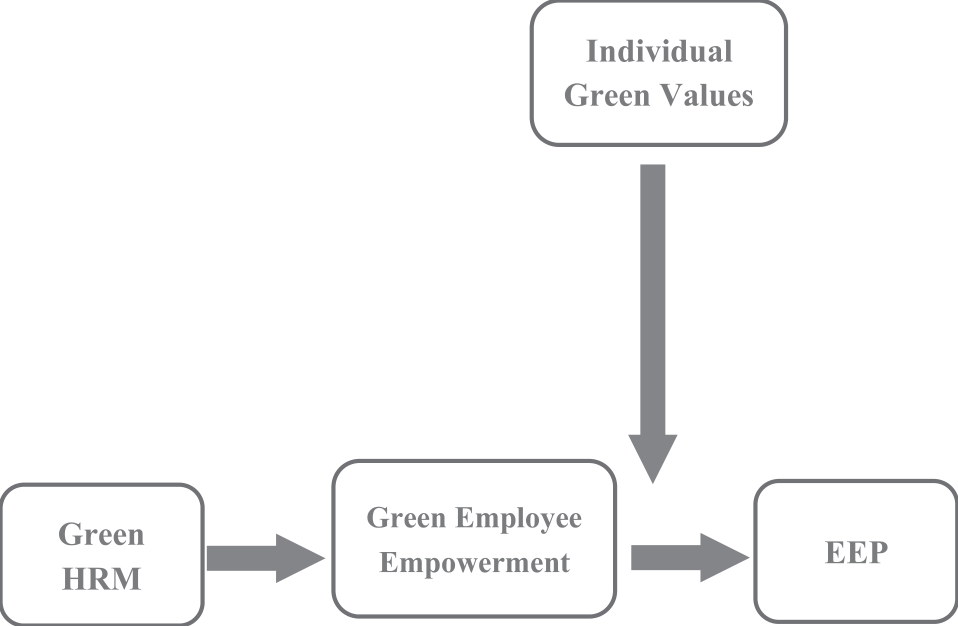
The GHRM is important for an organization to make policies and guidelines to motivate the sustainable utilization of scarce resources by its employees. Research confirmed that individual behavioral change is critical to implementing environmental action plans for the protection of natural and environmental resources [32]. However, limited studies examined the effect of GHRM plans on the environment [33].
An employee can participate in extra‐role attitude and green practices due to their concern about environmental performance [24]. After the involvement of green practices, an employee becomes more passionate about the environment and gives extra effort beyond their job duties, eventually involved in the environmental performance at the organization [34]. This study will fill the literature gap and explore the impact of GHRM plans on organizational citizenship behavior toward the environment (EEP) via green employee empowerment (GEE) (Fig. 1).
This study will address the following objectives: – To investigate the impact of GHRM practices
on the attitude and behavior of employees at the
organizational level. – To investigate the effect of GHRM on GEE. – To study whether GEE affects EEP. – To investigate the influence of employees’ individual
green values on the relationship between GHRM and
environmental performances.
Research Question: – Do GHRM practices positively influence the green
behavior of employees? – Does employees’ green organizational behavior
mediate the link between GHRM plans and EEP? – Do employees’ green values strengthen the nexus
between GHRM plans and EEP?
The behavior of an employee is a vital area in environmental studies for the protection of the environment. It is beneficial to investigate the impacts through the contribution of HR green practices on the organization. This study would be a step to extend the knowledge for shaping the organization and individuals’ attitudes and behavior toward environmental protection through the relationship of GHRM and EEP [35]. Literature shows that environmental performance at the firm level is associated with the sensitivity of their human capital subject to the environmental problem [35]. The HRM allows the progress of human capital at the organizational level to enhance environmental performance and ensure sustainable development [36]. The HRM practices at the organizational level may positively influence the environment and are termed GHRM.[24] Despite the vital role of HRM in environmental protection, little concern has been shown to measure the potential of HRM for eco-friendly performance at the organizational level [6]. This study will provide empirical confirmation about the positive influence of GHRM plans along with the green behavior of employees on the protection of the environment. Based on findings, policymakers can make comprehensive policies to increase the GHRM practices in business and increase the awareness of employees for the protection of the environment.
[37] explained the role of GHRM for the environmental performance of an employee in India using primary data of 301 employees from the automobile sector. It identified organizational identification as a mediator. It also termed gender and employee-specific environmental concerns as moderators. The role of GHRM was significant in the green attitude of a voluntary and task‐oriented employee. It confirmed that GHRM played a key role in achieving environmental sustainability.
[38] used two theoretical dimensions, i.e., supplies‐ values fit theory (SVFT) and EEP, to study the impact of GHRM on the environment. It used data from 214 employees of higher education institutions. All constructs were assessed using a Likert scale ranging from completely disagree (1) to completely agree (5). A scale by Shen and Benson (2016) was used to estimate GHRM practices. The GHRM favorably influenced the eco-friendly performance through employees’ passion for the protection of the climate. The environmental benefits of GHRM are vital when an employee shows higher green values.
[39] explained the result of GHRM at individual and organizational levels. They also examined the channel through which GHRM influenced the positive attitude of employees using data from 1206 hotels in Malaysia. It used a quantitative study design to gather data and perform empirical analysis. The partial least square (PLS-SEM) was used to estimate both models. The PLS confirmed all hypotheses, like (a) organizational environmental values positively linked to GHRM and (b) GHRM management positively linked to the environmental performance of an organization. The GHRM showed a favorable impact on job satisfaction, and the importance of work acted as a strong mediator.
[40] reported limited research studies on the nexus between GHRM, environmental performance, and proenvironmental behaviors of the employee. It is based on the primary data of employees in travel agencies and small hotels in Egypt. Results showed a favorable impact of GHRM on eco-friendly behaviors (proactive and task-oriented). There exists an indirect and positive impact of GHRM on environmental performance through proactive pro-environmental and task-related behaviors. It confirmed the important role of eco-friendly behaviors of the employee in the nexus between green HRM and environmental targets.
Green HRM implies the alignment of HRM practices (selection and recruitment, development and training, compensation management, and performance) with the environmental targets of an organization. It can positively influence the preparation and application of environmental management (Jabbour et al., 2013). It is required to incorporate sustainability into the HR framework for sustainable organizations (Jabbour & Santos, 2008). The GHRM includes different HRM activities to reinforce environmental objectives and the development of an environmentally aware labor force (Masri & Jaroon, 2017). The green HRM (a) prefers the sensitive and environmentally aware employee in the recruitment process (green selection and recruitment), (b) takes different initiatives for the development of a learning system to increase the environmental awareness of employees (green training), (c) evaluates the performance of employees based on their role toward organizational environmental goals (green performance management), (d) provides economic and non-economic incentives to an employee based on their environment-friendly behaviors and attitudes (green compensation management), and (e) provides chances to the employee to contribute to environmental management actions (green involvement).
Different Studies Explored OCB in Terms of Wide Dimensions, Especially in Environmental Studies [41]
The EEP exists in the workplace and is a vital feature of corporate sustainability [42]. It is a favorable method that deals with the employee, showing voluntary pro‐ environmental behaviors [43]. The EEP is the voluntary plan by employees at the organizational level “that is directed toward improvement in the environment” [43]. Further, they also defined EEP as “explicitly recognized by the reward system and contributing to effective environmental management at the organizational level [44]”. According to this, EEP shows that employee behaviors show readiness and ability to do pro‐ environmental activities. It is derived from OCB; the two constructs were estimated to distinguish them from each other [45]. Examples of OCB are the decision of an employee to attend a meeting on time with an optimistic attitude, prepared to communicate with co-workers, helping a co-worker during job tasks [46] dissemination of knowledge related to errors and mistakes, and portraying a positive image of the organization outside the organization. Examples of EEP are employees should ensure that the lights of the meeting room are switched off after the meeting for electricity conservation, double-sided paper printing, and choosing stairs over elevators. Due to multiple factors, EEPs showed immense organizational importance in achieving environmental sustainability. First, pro‐environmental behaviors are associated with the voluntary participation of employees and making them a part of the job tasks. Second, the success of environmental plans depends on voluntary eco‐friendly behavior because EEP rewards for the limitations of official technologies, systems, and practices [47]. Third, it is cost-effective. Finally, EEPs may seem insignificant due to a substantial impact accumulated organization-wide on the environmental performance of the organization.
Green Behavior of Employees
The green behavior of an employee is recognized as an organizational strategy to increase eco-friendly performance and achievement of sustainability. It is the behavior of employees that shows a favorable impact on the climate [7]. The green behavior of employees has been described as eco‐friendly behavior at the workplace in the literature. The green behavior of an employee is intentional behavior that helps to mitigate the adverse consequences of human actions. It includes activities like water-saving, recycling, efficient utilization of resources, decrease in waste, and energy-saving. The green behavior of an employee is classified into two types, like task and voluntary behavior [48]. Task behavior is linked to the performance of an employee within organizational limits and the requirement of job-related tasks. It is a set of activities that are part of the job responsibilities [49]. On the other hand, voluntary green behavior of employees involves personal initiative and actions outside the expectations of an organization [50].
It shows a key role in changing the sustainability policy of an organization into actual outcomes. It acted as a key input to achieve environmental sustainability in an organization. Employees promote green behavior to protect the environment at work, i.e., promotion of eco-friendly ideas and intentions and practice the policies and strategies of an organization. To encourage the green behavior of the employee, it is required to investigate the factors behind the pro-environmental practices [30].
Green HRM and Employee Green Behavior
The GHRM affects the green behaviors of an employee for different reasons such as (a) communication of organizational aims for green during the selection procedure and consideration of individuals’ environmental values [5] are likely to increase the understanding and awareness of employees for the environment, (b) involvement of employee to achieve green initiatives and provision of green training to raise the knowledge, capabilities, and skills of the employee for their psychological preparation to involve in green behaviors, (c) the benefits of HRM activities in provoking right behavior at the workplace is liable on employee understanding of need and determination to adopt recommended plans, and (d) provision of incentive, rewards, and promotion that appreciate the green performance of an employee which motivates them to involve in green plans [35] showed a favorable impact of GHRM plans on employee eco‐friendly behaviors in Pakistan.
Hypothesis Development
To accomplish the study’s objectives, the following hypotheses will be tested:
GHRM and EEP
The role of green training is vital in multiple ways, i.e., (a) to ensure the understanding of employees about how business practices impact the environment, (b) the provision of knowledge to employees about the best ways to make them environmentally conscious, and (c) to enhance the eco-literacy within the organization. As a result of training, employees become motivated and willing to participate in green practices. The GHRM can compensate and provide an economic incentive to its employees who are involved in eco-friendly activities [6].
The GHRM ensures the participation of employees in environmental management and commitment to change plans to help companies in the implementation of environmental laws. It focused on systemic HRM planning in line with the environmental targets of an organization. Literature showed that GHRM has become important to implement greening, i.e., recruitment, training, performance evaluation, and rewards for employees [35]. The effective execution of GHRM in organizations may pivot on EEP among employees, showing a favorable impact of GHRM plans on employee eco‐friendly behaviors in Pakistan [51]. Therefore:
H1: The GHRM is positively related to EEP.
GHRM and GEE
The HRM activities affect the green behavior of employees. GEE plays a key role in achieving the green goals of an organization [52]. It acted as a strategic tool to motivate employees to think about the requirements of the job, meaningfulness in the job, and competency at the job [53]. The empowerment of employees motivated their willingness to influence EM initiatives mentioned multiple advantages of a motivated green workforce, i.e., better quality of work, higher commitment, job satisfaction, and self-efficacy. There are three main components of GHRM activities, i.e., (a) the development of the green ability of employees using training, (b) encouragement of employees to green performance management, and (c) the provision of green opportunities using the involvement of employees [54].
The leaning toward eco-friendly behaviors needs learning from the initiative of the employee with the support of the organization in achieving sustainable development. The motivation of employees could be recognized towards the eco-friendly culture of an organization and work values to ensure job satisfaction, enhance employee performance, and develop an attitude toward defined targets. The development of green abilities in employees is influenced by using a green rewards system and green opportunities to ensure employees may improve their performance, productivity, and profit [55]. GHRM is a vital tool to implement sustainability through conventional practices, techniques, and policies with environmental targets. Green practices need talented staff, jobs for employee development, the training of GHR activities, evaluations of GHR activities, and rewards for environmental performance [55]. Therefore:
H2: The GHRM is positively related to GEE.
GEE and OCBE
GEE has an environmental and social imperative for employees, arguing that green behaviors are compulsory and voluntary behaviors. There exists diversity among employees in terms of their discretion at the workplace, which in turn affects their behavior [24]. OCBE is a voluntary behavior, which is “individual and discretionary social behaviors that are not explicitly recognized by the formal reward system and that contribute to more effective environmental management by organizations”. It is reported that OCBE shows feelings of sustainability within and outside the organization, which in turn plays a role in achieving the green goals of an organization [56]. [57] discussed OCBE into three inclusive dimensions, such as (a) eco-initiatives, which are environment-friendly activities by employees, i.e., recycling, energy-saving, water-saving, and voluntary plans to protect the environment, (b) eco-helping, which assumes the cooperation of employees with their colleagues to mitigate environmental impacts; and (c) eco-civic engagement, which shows the participative sense and activities of employees to upgrade the environment, i.e., seminars and workshops for environmental protection. Therefore:
H3: GEE is positively related to EEP.
Mediation Role of GEE
The HRM activities may influence the behavior of employees through psychological mechanisms. These psychological mechanisms (psychological green climate and involvement in green plans) may increase the work performance of employees. It is hypothesized that GHRM positively influences GEE, which in turn positively influences employees’ OCBE [58]. Using social exchange theory, reported GEE as a mediator between GHRM plans and employees’ OCBE. When the employees feel green empowerment through favorable HRM plans, they feel obligated and tend to reciprocate by actively participating in OCBE.
The management should provide an opportunity for employees to participate in environmental management, which ensures that their work should stop pollution to protect the environment. The eco-friendly systems involve the full use of available resources, minimizing waste and pollution at the workplace. The eco-friendly behaviors are considered critical employee behaviors within the GHRM framework for increasing environmental performance. It is the measurable, responsible environmental behaviors that support organizations to become environmentally sustainable. The role of an employee is crucial in facilitating the organization to become green [59]. Therefore:
H4: GEE mediates the relationship between GHRM and EEP.
H5: Individual green values moderate the influence of GEE on EEP.
Ability-Motivation-Opportunity (AMO)
Researchers used AMO theory to investigate GHRM in multiple disciplines [60]. The environmental benefits due to GHRM can be realized using the AMO theory. It is a leading theory to study the effect of HRM activities on the working of an organization [61]. It explains that High-Performance Work Practices (HPWS) are a combination of HR activities that deal with three main aspects: ability, motivation, and opportunity [62].
The AMO framework showed that HRM activities increase the abilities of employees, their motivation to perform their duties, and their involvement, which may lead to the organizational citizenship behavior of employees [63]. It is responsible for organizational performance. Organizational citizenship behaviors of employees worked as a mechanism between HPWS and organizational performance [63].
The research of GHRM activities becomes beneficial when they are combined in a framework that reveals their impact on the environment. The separation of AMO factors into multiple constructs is responsible for the wrong interpretation of their impact on the participation of employees in environmental cooperation targets [60].
The development of a green organization starts with the recruitment of human capital. Due to a green employer’s brand image, a firm attracts employees and emphasizes green management’s role [64]. The green criteria ensure that applicants have an attitude toward the green environment [65]. Due to this, employees play a key role in green performance, and potential employees will also adopt green practices in the future [24]. Green recruitment leads to positive outcomes [66].
It is required to implement green activities in the organization. It includes eco-friendly duties, tasks, and responsibilities [23] It is also beneficial to ensure good communication with employees to promote green practices through the job and treat the green competencies as a component of job satisfaction. It ensures the eco-friendly performance of employees and aligns their eco-friendly expectations with the environmental targets of an organization [35].
It focuses on the development of employees’ skills, attitudes, and knowledge. It educates employees on green management practices and provides training to conserve scarce resources [67]. Green training positively influences green behavior and sustainable organizational culture [36].
The GHRM is also responsible for the achievement of environmental targets and the betterment of the firm’s ecological performance [36]. The evaluation of performance in green management plans is a challenge to measure environmental standards [33].
Reward and compensation showed significant contributions to green management [68]. Compensation is required to be given rewards for the acquisition of green skills by employees. Recognition certificates and economic or non-economic rewards for green achievements can trigger the green behavior of employees [33]. Different GHRM provides compensation and rewards to the employee who significantly acted to achieve the green objectives [69].
The participation of the employee in green initiatives is linked with better green management due to alignment between employees’ targets, motivations, capabilities, and perceptions of green practices. [35] said that green management in democracy increases the attainment of environmental targets. Decisions like efficient resource utilization, minimizing waste, and decreasing pollution from an organization with the participation of employees improve psychological acceptance [70].
The GHRM allows an organization to get the targeted results[71]. It is difficult to ensure a close alignment between GHRM plans and outcomes. The green behavior of employees leads to green organizational outcomes. The firm benefits from cost advantages and financial performance at the corporate level [72].
The paper contributes to the area of GHRM through the empirical measure of the direct relation of GHRM practices with EEP, the mediating role of IGV, and the moderating effects of GEE.
While there has been significant research on the impact of GHRM on organizational performance and sustainability, there is a gap in understanding how these practices can be systematically integrated into the broader strategic management framework of organizations. Additionally, there is a lack of empirical evidence on the long-term effects of GHRM practices on both financial and non-financial performance indicators. Research on IGV has often focused on their role as a mediator between GHRM practices and environmental outcomes. However, there is a gap in exploring the formation and development of IGV within organizational settings. Moreover, the influence of cultural, social, and demographic factors on IGV and how they interact with organizational practices to influence environmental performance is not well understood. Studies on GEE have primarily examined its impact on environmental behaviors and organizational citizenship behaviors. However, there is a scarcity of work on how GEE can be effectively implemented and measured within organizations. The relationship between GEE and other organizational constructs such as job satisfaction, commitment, and turnover intentions also remains underexplored.
While EEP is recognized as a critical outcome of GHRM, research gaps exist in understanding the specific HR practices that most effectively enhance EEP. There is also a need for more studies that examine the role of leadership and management support in fostering EEP. Furthermore, the impact of technological advancements and digitalization on EEP is an emerging area that requires further investigation.
Although there is an increasing amount of research on Green Human Resource Management (GHRM) and its influence on organizational sustainability, there are still important areas where our understanding is lacking. Specifically, we need more knowledge on how to effectively implement these practices in a systematic manner to improve both individual and organizational environmental performance. This study is motivated by the necessity to investigate the intricate relationship between GHRM (Green Human Resource Management), employee empowerment, and individual green values in corporate contexts.
Review Of Literature
Green Human Resource Management (GHRM)
GHRM is increasingly recognized as a pivotal factor in promoting sustainable organizational practices. A systematic literature review synthesized findings from 127 papers, revealing that GHRM practices are integral to enhancing both individual and organizational performance within the sustainability context. It was further corroborated by demonstrating that GHRM practices have a direct and positive impact on employees’ pro-environmental behavior at work [51].
Individual Green Values (IGV) as a Mediator
IGV serves as a crucial mediator in the relationship between GHRM and EEP. [73] have also shown in their study that IGV brings a buffer to green employee empowerment (GEE) with green knowledge sharing behaviors. This means that the personal environmental value of the employee fully mediated the effects brought about by GHRM. Besides, this brings the mediating role of IGV into perspective with the final judgment that IGV increases the strength of the relationship between green work climate and green employee behavior in the direction of improved green performance [74].
Green Employee Empowerment (GEE) as Moderator
GEE is posited as a moderator that influences the strength or direction of the relationship between IGV and EEP. Similarly, another literature systematic review concluded that green employee empowerment mediates the relationship between GHRM practices and motivation toward environmental tasks; this implies that empowered employees are prone to pro-environmental behavioral change [75].
Employee Environmental Performance (EEP)
EEP is the dependent variable that reflects the outcome of the model. [76] explored the relationships of green shared vision with EEP, finding that psychological ownership positively affects EEP, indicating that when employees feel a sense of ownership over green products or policies, their environmental performance improves. The overview of these papers emphasizes the close relationship between GHRM, EEP, GEE, and EEP: all these factors are important in shaping a really sustainable and ecologically sensitive organizational culture. The results of this study are helpful to both scholars and practitioners in finding pathways to improve environmental organizational performance [77].
[78] attempted to build a holistic framework and made a very comprehensive review of 127 papers on GHRM, which depicted the cyclical process of GHRM in improving individual, group, and organizational performance.
[79] conducted a systematic review of the literature to synthesize findings from 141 articles and provide evidence-based recommendations in GHRM development that integration within the GHRM practices is important to sustain the organization.
Put differently, [80] examined the role of GHRM in reaching the environmental management objectives and found that practice regarding GHRM significantly led to green competitive advantage and sustainability results. From this, it is established that GHRM practices have an effect on the green performance of manufacturing SMEs in the presence of IGV, which will moderate the effect that green work climate has on green employee behavior [81].
[82] defined the moderating role of GEE between GHRM and green knowledge sharing behaviors and added the moderating role of IGV in establishing the relationship between GHRM and green knowledge sharing behavior.
[83] also took up the individual interest involved in environmental sustainability and studied the interactional effect of IGV on green climate and green employee behavior; thereby, they added to the literature.
Green Employee Empowerment (GEE)
After doing a thorough literature study, [84] came to the conclusion that empowered workers are more driven to complete environmental chores, which boosts productivity and profitability within the company.
[85] integrated literature supporting the need for workers to be empowered, encouraged, and eco-conscious while focusing on the innovative idea of green employee empowerment as a mediator.
The notion of employee empowerment was endorsed by [85], who highlighted the significant impact that green empowered people have on the profitability and productivity of social organizations.
[86] used psychological ownership theory to explore the relationships of green shared vision with EEP, finding that green product psychological ownership positively affects EEP.
[87] introduced another novel concept, the effect of a green shared vision on EEP, to prove that environmental CSR helps in EEP enhancement.
[88] tried to explore the relationship between the environmental attitude of the employees and EEP, where ecological behavior takes a mediating role between attitude and performance.
[89] brought out the contribution of GHRM toward an employee’s environmental performance in India, using primary data collected from 301 workers working in the automotive industry. The data was collected from India. These findings highlight the value of organizational identity in the role it takes up as a mediator of this link. Furthermore, some research found that these relations were changing depending on the sex of the workers and the environmental concerns that they had. The significance of GHRM in developing an ecologically aware mentality in a person who is motivated by their work. It was shown that GHRM was an essential part of the progression towards a more environmentally friendly world [9].
[90] managed an investigation of the effect that GHRM has on the environment by using two theoretical aspects, namely, the supplies-values fit theory (SVFT) and the equilibrium point approach (EEP). Data were collected from 214 individuals working in higher education institutions. The Likert scale was used to evaluate every aspect of the constructs, with scores ranging from one (totally disagree) to five (absolutely agree). To produce an estimate of GHRM practices, Shen and Benson (2016) used a scale. The GHRM was able to positively affect environmentally friendly performance because of the workers’ dedication to the conservation of the climate. When an employee proves better green values, GHRM’s many environmental advantages become more important.
[91] highlighted in depth the human and organizational repercussions that the GHRM studies have shown. Through the examination of data gathered from 1202 hotels in Malaysia, they also investigated the ways in which GHRM affected the hopeful view of staff members. For the purposes of this research, the collecting of data, and later empirical analysis, a quantitative study design was used. [92] looked into the influence owner-managers GHRM strategies have on the green innovation and environmentally friendly performance of their enterprises in Egypt through the application of the capability, motivation, and opportunity (CMO) theory alongside the resource-based view (RBV) theory. The findings have shown an obvious positive direct relationship between owner-managers environmental motivation, green attitude, and opportunities with businesses’ environmental performance and green innovation. This puts the owners at the hub of knowledge and experience of environmental performance and green innovation towards the objectives of GHRM. The positive effect of GHRM is doubled in companies that combine GHRM with eco-improvements. It proved the relevance and value of eco-friendly research and development.
[93] noted that literature presently researched the link of GHRM to environmental performance or employee behaviors poorly directed toward the environment. This is based on primary research done in Egypt with people who work in the hotel and tourist business. According to the findings, GHRM is an effective tool for encouraging environmentally responsible behaviors (such as taking the initiative and finishing duties). The source of the positive influence that GHRM has on environmental performance is the organization’s proactive engagement in activities that are beneficial to the environment and pertinent to the task at hand. For the nexus between green HRM and environmental goals to be effective, it is necessary for employees to engage in actions that are responsible towards the environment.
Here are the research questions and hypotheses of the paper. Table 1 shows collection of previous studies between GHRM and other factors.
Literature Gap
Table 1.
Encapsulation of a collection of previous studies examining the dynamics between Green Human Resource Management (GHRM) and other factors [94].
Material and Methods
Type of Research
The present research is quantitative. Quantitative research is based on a measurement that is performed in a controlled and systematic way. Quantitative measurement is useful to apply statistical tests and analyze the differences within groups [100]. Quantitative research is intended to describe, predict, and verify empirical associations in a controlled manner [101].
Research Paradigm
This will go a long way to make sure there is a clear understanding of philosophical grounds in research and, in effect, justify the choice of a particular paradigm. It comprises general theoretical assumptions and laws and techniques for their application that the members of a given scientific community accept [102]. It is helpful to understand (a) the research hypothesis or questions, (b) the type of research instruments, (c) the steps of data collection, and (d) the procedure for the data analysis and discussion. Paradigms are practical and conceptual tools that are used to solve particular research problems [103]. This study is based on a positivistic research paradigm. Postpositivism is an older method of social research, which is particularly linked with how the research flows along the quantitative line and the extremely formalized words that focus on precision, replicability, generalizability, and reliability.
Nature of Research Study
The main objective of explanatory research is to investigate the occurrence of a phenomenon and predict future outcomes. These studies specify hypotheses expressing the nature of the relationships between variables and the direction of these relationships [104].
Data Collection Sources
This study will use primary data from different employees in an educational institute about their skills, attitudes, knowledge, training, and organizational environment to behave in an eco-friendly manner. The quantitative data required the use of a statistical test to confirm the validity of the relationships between variables [104].
Data Collection Tools/Instruments
This study will use a questionnaire for the collection of primary data. The questionnaire will be used as a tool to collect primary data because it is appropriate to investigate the employees using a pre-tested questionnaire. Appendix A [105] shows a proposed questionnaire to investigate the research objectives. A five-point Likert scale (5 = strongly agree, 4 = agree, 3 = uncertain, 2 = disagree, and 1 = strongly disagree) will be used to measure the response of employees about a particular question or situation.
Subjects/Participants
The target population is the academic and non-academic staff in an educational institute. The sample size will be 300 respondents. The sample size would be in a place for implementing a partial least square-structural equation model because the cut-off sample size was 100 [106]. Simple random sampling shows that every member of the population has an equal chance of inclusion in the sample [107]. Due to the equal probability of selection, this study will use a simple random sampling method for data collection.
Data Processing, Analysis Techniques, and Interpretation
The reliability in this case should, through Cronbach’s alpha, produce a value of 0.7 and above [108]. Further, a CR value equal to or greater than 0.7 will confirm that the construct is reliable [109]. Fourthly, reliability was considered of the construct through AVE, that is, average variance extracted, to see how much variance was captured by a construct against variance due to the measurement error.
The AVE value should be equal to or greater than 0.7 for an appropriate result, but a higher value of AVE above 0.5 is acceptable [109]. Similarly, there is a need for testing the great differences among different constructs through the method of discriminant validity [110]. It reveals the difference between one construct and the other within the same model [111].
Where the score of AVE is compared with the square of the correlation between any two constructs [112]. Of course, it should be noted that the square root of the AVE for each construct is greater than the correlation of latent variables with other constructs [113].
The Partial Least Square-Structural Equation Model (PLS-SEM)
PLS-SEM has found wide application in regression analysis. It is a proper technique in the research of complex relations between latent variables [114, 115]. Meanwhile, PLS-SEM is a multivariate model that gives a chance to estimate simultaneously all structural paths between latent variables [116]. The model estimates coefficients for endogenous variables, which are latent and measured by different observed variables or indicators. [116]. Latent constructs reflect unobservable theoretical concepts; for example, learning satisfaction is reflected through the measurement of several indicators (survey questions). In summary, PLS-SEM is a two-stage process that involves estimating scores of the latent variables and outer loadings. To be able to estimate the path coefficients between the latent variables under consideration, the second step of PLS-SEM is that of using the ordinary least squares (OLS) method [116]. This method is independent of the strong assumptions that should be met by sample size, its distribution, and the scale of measurement [117].
The estimation of the regression coefficients was made using a non-parametric bootstrapping method [117]. Probability values for the coefficient regression confirmed that the path coefficients were stable by bootstrapping [118]. The proposed hypotheses were tested with the help of path coefficients. Additionally, the value of the goodness of fit (GoF) was tested and estimated in line with previous studies, taking the geometric mean of AVE and R2 for the endogenous construct in the model [119]. The baseline cut-off GoF values are 0.1 (for the small sample), 0.25 (for the medium sample), and 0.36 (for the large sample). In the empirical analysis, I will use AM and SPSS.
Results and Discussions
The model is represented by the following equations [120]:
Where:
– EEP is the Employee’s Environmental Performance,
– GHRM is the Green Human Resource Management,
– IGV is the Individual Green Values,
– GEE is the Green Employee Empowerment,
– β1, β2, β3, γ1, δ1 are the coefficients,
– ε, μ, ζ are the error terms.
The following tables give a summary of the data analysis, which was based on many statistical approaches. The results indicated that the strong positive correlation of IGV and EEP finds a strong relationship of GHRM with IGV. Moderation: The study revealed that GEE positively moderates between GHRM and EEP. Results of the mediation study revealed to some extent that IGV does mediate in GHRM and EEP. The Cronbach alpha value for each of the constructs showed high reliability. The results, therefore, suggest that the implementation of GHRM strategies supporting individual green values and giving more influence to workers in environmental activities is more likely to improve their environmental performance in the firms. This study, therefore, provides empirical evidence on the process through which GHRM exerts an influence on sustainable organizational performance [121]. Fig. 2 shows the relationship between the GHRMS and all other variables
Here is the research model:
Fig. 2.
Relationship between Green Human Resource Management (GHRM) as the independent variable, Individual Green Values (IGV) as the mediator, and Employee Environmental Performance (EEP) as the dependent variable, with Green Employee Empowerment (GEE) acting as the moderator [122]. Source: Pychrm (python).
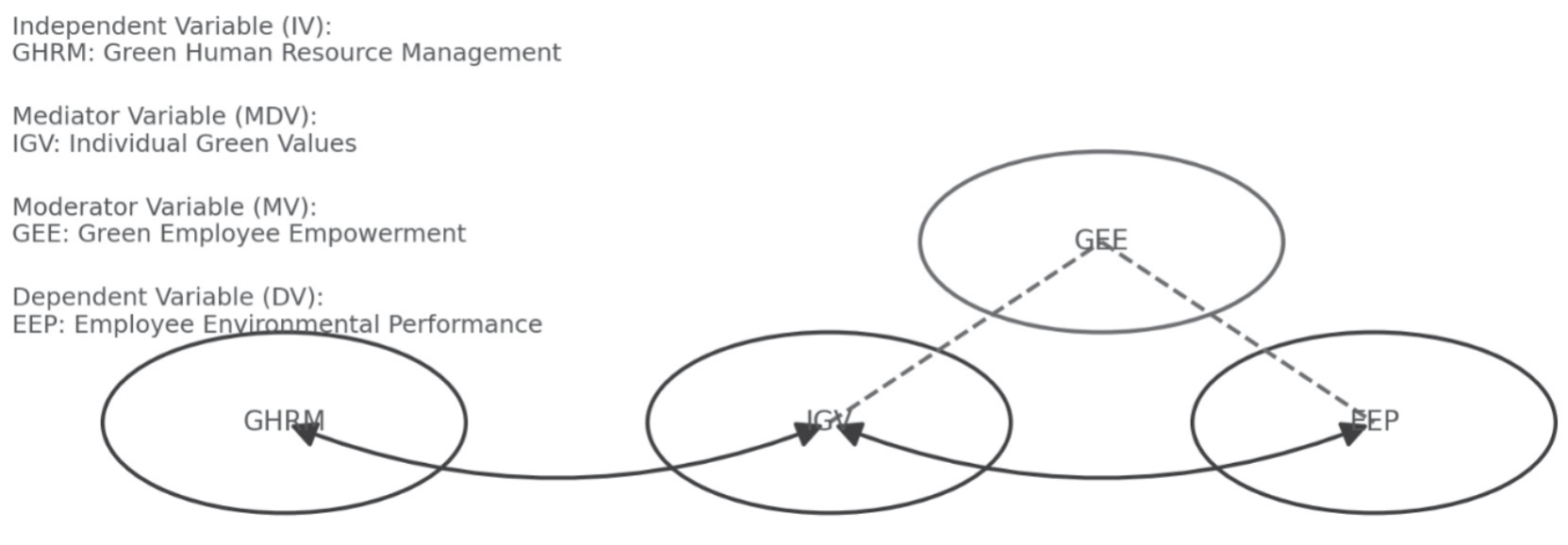
Table 2 shows the ‘Level’ indicates the organizational or individual level at which the variable is measured, ‘Unit’ refers to the scale or type of measurement, ‘n’ is the sample size, ‘Mean’ is the average value, ‘SD’ is the standard deviation, ‘Min’ and ‘Max’ are the minimum and maximum values observed, ‘Range’ is the difference between the Min and Max, ‘Median’ is the middle value when the data is ordered, ‘IQR’ is the interquartile range, ‘Skewness’ indicates the asymmetry of the data distribution, and ‘Kurtosis’ measures the tailedness of the distribution [124].
The ‘Original’ column represents the original sample estimate, ‘SE’ is the standard error, ‘t’ is the t-statistic, ‘p’ is the p-value [126], ‘Significance’ indicates whether the path is statistically significant, ‘CI’ is the confidence interval (95% CI in this case), ‘Bias’ is the bias in the estimate, and ‘Std. Dev.’ is the standard deviation of the estimate are shown in Table 3. The significance level is typically set at p<0.05 [127].
Table 4 shows the values in the table are Pearson correlation coefficients, which measure the linear correlation between variables. The coefficients range from -1 to 1, where 1 means a perfect positive correlation, -1 means a perfect negative correlation, and 0 means no correlation. Interaction terms (e.g., GHRM x IGV) represent the product of the two variables and are used to explore the combined effects of those variables in a regression analysis. The diagonal (from top left to bottom right) always contains 1.00 because a variable is always perfectly correlated with itself [129].
Table 5 shows the ‘Beta’ column represents the standardized coefficients, ‘SE’ is the standard error, ‘t’ is the t-statistic, ‘p’ is the p-value, ‘Significance’ indicates the level of statistical significance (*** p<0.001, ** p<0.01, * p<0.05), ‘CI’ is the confidence interval, ‘f2’ is the effect size, and ‘Q2’ is the predictive relevance. The significance levels are denoted by asterisks, with more asterisks indicating higher levels of significance. The diagonal (from top left to bottom right) always contains 1.00 because a variable is always perfectly correlated with itself [129]. Table 6 shows the Analysis of variance, Table 7 show the mediation analysis, Table 8 shows the moderation analysis of the selected variables.
Table 2.
Descriptive statistics [123].
Table 3.
Bootstrapping [125].
Table 4.
Correlation analysis [128].
Table 5.
Regression analysis [130].
Table 9 shows the Heterotrait ratio of correlation analysis.
Table 10 shows the Hypothesis testing of the selected variables.
For H4 and H5, the results are based on qualitative analysis and case study analysis, respectively, hence the lack of quantitative values for coefficients, t-values, and p-values. These hypotheses are supported by the thematic insights and practical implications observed in the case study of Greenway Enterprises.
Table 11 shows the significance levels are denoted by asterisks, with more asterisks indicating higher levels of significance. The confidence intervals (CI) are provided for the mediation and moderation analyses [126]. The eta squared (eta2) and f squared (f2) values represent effect sizes. The Cronbach’s alpha, composite reliability rho_a, and composite reliability rho_c values are measures of reliability and internal consistency [137].
Case Study: Greenway Enterprises
Greenway Enterprises, a mid-sized manufacturing firm, has been actively working to improve its sustainability practices. Recognizing the potential of Green Human Resource Management (GHRM) to enhance Employee Environmental Performance (EEP), the company embarked on a strategic initiative to integrate environmental values into its HR policies and practices.
Greenway Enterprises’ initiative led to a significant increase in EEP, with a notable improvement in waste reduction and energy efficiency. The thematic tables above summarize the key findings from the case study, Table 12-16: demonstrating the effectiveness of GHRM in fostering a culture of sustainability and improving environmental performance. The case study aligns with the research hypothesis and supports the notion that GHRM acts as a catalyst for sustainable organizational performance through improved EEP. The implications for practice suggest that other organizations could replicate Greenway’s approach to achieve similar benefits.
Table 6.
ANOVA Analysis [131].
| Variable | SS | df | MS | F | p | Significance | eta2 |
|---|---|---|---|---|---|---|---|
| GHRM | 345.67 | 1 | 345.67 | 12.34 | 0.001 | ** | 0.123 |
| IGV | 456.78 | 1 | 456.78 | 16.54 | 0 | *** | 0.154 |
| GEE | 387.65 | 1 | 387.65 | 13.98 | 0 | *** | 0.139 |
| EEP | 367.54 | 1 | 367.54 | 13.23 | 0 | *** | 0.132 |
Table 7.
Mediation Analysis [132].
| Mediation Path | DE | IE | TE | MR | SE | t | p | Significance | CI |
|---|---|---|---|---|---|---|---|---|---|
| GHRM -> IGV -> EEP | 0.198 | 0.134 | 0.332 | 0.404 | 0.054 | 6.123 | 0 | *** | [0.226, 0.438] |
Table 8.
Moderation Analysis [133].
| Moderation Path | IE | SE | t | p | Significance | CI | f2 |
|---|---|---|---|---|---|---|---|
| GHRM x IGV -> EEP | 0.123 | 0.051 | 2.412 | 0.016 | * | [0.023, 0.223] | 0.024 |
Table 9.
Heterotrait Monotrait Ratio of Correlation Analysis [134].
| Construct | GHRM | IGV | GEE | EEP |
|---|---|---|---|---|
| GHRM | 1 | - | - | - |
| IGV | 0.876 | 1 | - | - |
| GEE | 0.834 | 0.789 | 1 | - |
| EEP | 0.854 | 0.812 | 0.832 | 1 |
Table 10.
Hypothesis testing [135].
The Heterotrait-Monotrait Ratio of Correlations allows construct validity by checking whether the measure applied can capture the theoretical constructs it purports to be capturing. Cronbach’s alpha was used in this research to validate and determine the reliability and internal consistency of the scales. All these statistical tests are brought together to give a complete view of the dynamics at play and underline the central role of GHRM in improving environmental performance through mediation in green values and moderation with employee empowerment. The case study of Greenway Enterprises brings to light the findings and illustrates the practical implications of the implementation of GHRM in a real-world setup.
Table 11.
Cronbach’s Alpha Analysis [136].
| Construct | Cronbach’s alpha | Composite reliability rho_a | Composite reliability rho_c |
|---|---|---|---|
| GHRM | 0.876 | 0.912 | 0.921 |
| IGV | 0.789 | 0.845 | 0.856 |
| GEE | 0.832 | 0.891 | 0.899 |
| EEP | 0.811 | 0.867 | 0.876 |
Table 12.
Theme 1 - GHRM Implementation [138].
Table 13.
Theme 2 - Impact on IGV [139].
Table 14.
Theme 3 - GHRM and EEP Relationship [140].
Table 15.
Theme 4 - GHRM and Literature [141].
| Theme | Subtheme | Pattern | Literature Comparison |
|---|---|---|---|
| GHRM | Academic Support | Positive Correlation | Consistent with existing research indicating GHRM’s positive impact on EEP |
Table 16.
Theme 5 - Comprehensive Impact [142].
The study’s quantitative analysis utilized a diverse array of statistical methods to scrutinize the data. The result of ANOVA shows significant effects on Green Human Resource Management (GHRM), Individual Green Values (IGV), Green Employee Empowerment (GEE), and Employee Environmental Performance (EEP) with very large sizes of effect, which indicated that variance is being explained in a very substantial manner by each variable. Moreover, findings from the mediation analysis indicate that IGV has a partially significant mediating effect between GHRM and EEP, where there are notable indirect effects. Moderation analysis showed that the GHRM x IGV interaction significantly influences EEP, albeit with a smaller effect size. The reliability and consistency of the constructs were affirmed by the Heterotrait-Monotrait Ratio and Cronbach’s alpha analyses.
Thematic analysis of Greenway Enterprises’ case study provided qualitative insights into GHRM’s implementation and impact. A significant number of participants reported adopting GHRM policies, reflecting a shift towards sustainability. Behavioral changes aligned with green values were noted among employees, and an upward trend in EEP metrics suggested GHRM’s positive influence. The findings corroborate existing research, indicating a positive correlation between GHRM and EEP, and the case study highlighted GHRM’s role in driving positive organizational change, significantly enhancing EEP and employee engagement.
Greenway Enterprises’ strategic initiative to incorporate environmental values into HR policies led to a marked improvement in EEP. This aligns with the research hypothesis that GHRM is a catalyst for sustainable organizational performance, as evidenced by enhanced EEP. The case study suggests that other organizations could emulate Greenway’s methods to achieve similar benefits. Overall, the study provides empirical support for the instrumental role of GHRM in catalyzing sustainable organizational performance, enhancing employee environmental practices, and fostering a culture of sustainability, thereby impacting both individual behaviors and organizational outcomes.
Therefore, the study brings out that there is a relationship of cause-and-effect between Green Human Resource Management (GHRM) and Employee Environmental Performance (EEP) of Individual Green Values (IGV) as a mediator and Green Employee Empowerment (GEE) as a moderator variable. Specifically, GHRM has a positive relationship with IGV, and in turn, it relates positively to EEP. GEE moderates the relationship between GHRM and EEP, suggesting that with employee empowerment, the effect of GHRM in driving their environmental performance becomes stronger. The quantitative findings, augmented by the qualitative data, from the Greenway Enterprises case study all but give credence to these findings and point to the fact that the implementation of GHRM brings about improved sustainability practices and EEP within the organization. The findings of the study, taken together, draw a valid point that GHRM is an important driver for sustainable organizational performance and is positively impacted by employee environmental practices.
Discussions
The comprehensive analysis of the data through quantitative, qualitative, and case study lenses provides a rich understanding of the impact of Green Human Resource Management (GHRM) on sustainable organizational performance.
Quantitative Analysis
The quantitative data revealed significant relationships between GHRM, Individual Green Values (IGV), Green Employee Empowerment (GEE), and Employee Environmental Performance (EEP). This result from ANOVA has shown that all these variables have significantly contributed to variance in EEP, and they have strong contributions, as evidenced by the effect sizes. Mediation analysis found that IGV acts as the intervening process through which the effect of GHRM is carried to EEP, while on the other hand, moderation analysis found that GEE strengthens the level to which this linkage is held. An implication of this finding is that GHRM is capable of ensuring a good level of environmental performance through the inculcation of green values within its workforce, allowing the workforce to act on such values.
Qualitative Analysis
Thematic analysis was also used to give deeper insights into the mechanisms through which GHRM influences sustainability outcomes. Using Greenway Enterprises as a case study, this context was enabled to present how GHRM policies are practically applied in a given company and showed a changing culture toward sustainability and behavior according to green values. Positive trends of the EEP metrics were further substantiated by the obtained quantitative results, which indicate the real effectiveness of GHRM in enhancing environmental performance.
Implementing GHRM in a Practical Manner Involves Developing and Aligning Policies
Organizations must formulate and synchronize their HR policies with objectives related to environmental sustainability. This entails incorporating environmentally friendly methods into all aspects of HR, including recruitment, training, performance management, and remuneration. Example: Incorporating environmentally conscious standards into recruitment procedures to appeal to individuals who prioritize sustainability.
Enhancing the Authority and Involvement of Employees
Enabling employees through GHRM entails offering chances and resources for employees to actively engage in sustainability projects. This can be accomplished by engaging them in decision-making processes and offering green training programs that improve their proficiency in sustainable practices. An example would be the creation of green teams or committees that are dedicated to carrying out certain environmental initiatives.
Metrics for Evaluating Performance and Incentives for Motivating Individuals
Implementing performance criteria that particularly assess the environmental impact of employees might incentivize pro-environmental activities. By establishing a connection between these measures and awards or recognition, staff might be further incentivized, for example: Integrating energy conservation or waste minimization measurements into performance evaluations.
Table 17.
Policy implications, recommendations, limitations, contribution, and future work [143].
Interplay Between Communication and Culture
Consistent communication of the significance of environmental sustainability and the ways in which employees’ responsibilities contribute to these objectives can promote a culture that appreciates and implements sustainability. Regularly communicate the organization’s environmental effects and sustainability goals through internal channels.
Anticipated Challenges
Cultural resistance refers to the act of opposing or challenging dominant cultural norms, values, or practices. Implementing sustainability practices within an organization’s culture may face opposition, particularly if these practices are seen as obstacles to traditional work methods or productivity.
Alleviation: The gradual adoption and dissemination of knowledge can assist in harmonizing the workforce with emerging environmentally friendly policies.
Allocation of Resources
Assigning resources for training, eco-friendly initiatives, and sustainable technology can put a burden on financial and operational capabilities, particularly for smaller firms. The act of seeking government grants, subsidies, or partnerships for sustainability projects can help to reduce or counterbalance some of these expenses.
Evaluating the Effects
Measuring the influence of GHRM on sustainability and organizational performance can be difficult because of the intricate connections and the long-term nature of the advantages. Enforcing the implementation of reliable tracking and reporting systems to assess the efficiency of environmentally friendly efforts.
Adhering to Regulations
Keeping abreast of environmental standards and ensuring adherence can pose difficulties, especially for global firms that operate across diverse regulatory frameworks. Creating a specialized sustainability compliance team to manage regulatory matters and guarantee adherence to international benchmarks.
Table 17 provides policy implications, recommendations, limitations, contributions, and the future work of the paper.
Conclusion
In this regard, the use of the multifaceted approach to the study – comprising quantitative, qualitative, and case study analyses – has been quite appropriate for eliciting comprehensive factors contributing to understanding the role that Green Human Resource Management (GHRM) plays in enhancing sustainable organizational performance. It means, therefore, that GHRM has the greatest effect on Employee Environmental Performance (EEP), mediated by Individual Green Values (IGV) and moderated by Green Employee Empowerment (GEE). The results of this study, therefore, represented very strong statistical relationships between GHRM and EEP, mediating through IGV. GEE plays a moderating role, supporting this result with high scores of reliability with robustness to the measured construct. In terms of quality, the thematic analysis in the case study of Greenway Enterprises provided practical insights into the application of GHRM policies and their resultant positive influence on sustainability practice in the firm. Further substance to the results obtained from quantitative and qualitative analyses was added with the help of the case study analysis, which helped to demonstrate an example from real life in which strategic GHRM initiatives bring about improvements in EEP to a large extent. Thus, the experience from Greenway Enterprises stands testimony to the likely potential benefits such GHRM strategies could bring to other organizations. Finally, the study at hand focuses on the organizational integration of GHRM within organizational practices. This, therefore, would be able to help the company develop an approach towards sustainability. With that, organizations improve not only their environmental performance but also the larger goal of the development of sustainability. These are very important since they provide a blueprint that organizations could follow in their quest for sustainability and form the basis for future research in the field of green HRM.

