

Introduction
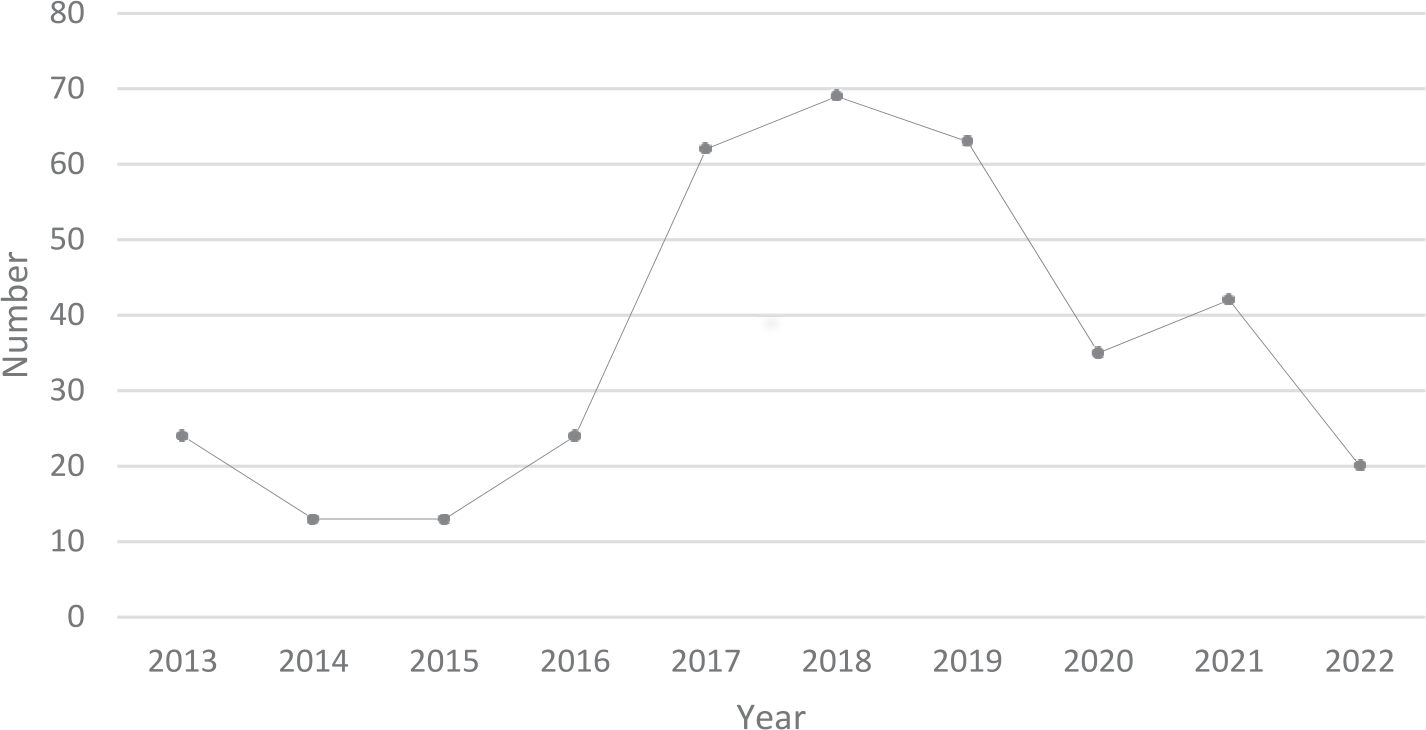
As one of the largest developing countries and economies in the world, China has experienced a long period of rapid economic growth and industrialization, but the quality of the urban environment also shows a trend of gradual deterioration [1]. Air pollution, water shortage, soil pollution, ecological damage, and other problems have become important factors restricting China’s sustainable development [2]. Environmental protection policies are directly related to national environmental legislation, environmental management, and overall environmental situation. To solve these problems, the Chinese government has put forward a series of environmental policies and actions aimed at promoting the coordinated development of the economy, society, and environment [3]. Through the collection of environmental protection policies and the distribution of the number of policies issued from 2013 to 2022 according to the time, as shown in Fig. 1. The issue of environmental protection was gradually emphasized during the 12th Five-Year Plan. In 2014, China revised and completed the Environmental Protection Law [4]. During the “13th Five-Year Plan” period, the environmental protection system became more mature and finalized, and the new development concept highlighted the issues of “green development” and “environmental protection”. On January 1, 2018, the Law of the People’s Republic of China on Environmental Protection Taxes formally replaced the sewage charging system, which had been in place for nearly 40 years. The law also introduced a new environmental protection system, which is now being implemented in the People’s Republic of China [5]. During the 14th Five-Year Plan period, new progress was made in the construction of ecological civilization, and the development situation was unstable due to the impact of the new coronavirus epidemic, which also had an impact on the formulation and introduction of environmental protection policies [6].
China’s environmental protection policies are of great significance to the sustainable development of the international environment. First, China’s efforts in combating air pollution, water resource management, and waste disposal provide lessons for other developing countries to learn and apply corresponding strategies to improve environmental protection [7, 8]. Second, China is the world’s largest emitter of greenhouse gases, providing important lessons for global climate change governance. China actively participates in international organizations and multilateral environmental agreements such as the Paris Agreement, and China’s efforts reflect the ability and willingness of developing countries to reduce emissions and respond to climate change [9]. In addition, China’s environmental protection policies play a key role in maintaining the global ecological balance. China has taken a series of measures to protect rare animal and plant species and ecosystems, such as establishing nature reserves and strengthening wildlife protection. Those efforts not only contributed to China’s ecological governance, but also helped to protect global biodiversity [10, 11].
Although China’s environmental policy has realized the transformation from a “management system” to “specific measures” and from “single means governance” to “multiple means governance”, gradually forming a complete environmental protection system. However, it also faces problems such as further development, utilization, and supervision [12, 13]. The distribution of environmental protection policy texts issued by the government or industry sector is scattered and cannot meet the needs of the current increasingly active environmental protection practice. Based on this, this paper investigates and collects environmental protection policies, generates a reliable environmental protection policy text set, and then cleans, organizes, and classifies the text set in a relatively standardized and effective way. Finally, with the help of visualization or pointing method, hot topics of domestic environmental protection policies are extracted and analyzed to find the mutual fit between environmental protection policies and China’s economic development. The contributions of this paper are as follows: at the domestic level, it provides an in-depth study and assessment of China’s environmental protection policies, providing references and suggestions for policymakers; at the international level, it conducts international comparisons and impact analyses, providing useful insights into China’s environmental protection policies and international environmental protection cooperation.
Literature Review
Environmental protection policies are designed to protect the natural environment and human health. They usually include pollution control of air, water and land, management of energy and response measures to climate change. The formulation and implementation of environmental protection policies require the joint participation of governments, enterprises and the public to ensure sustainable development [14, 15]. In the past decades, governments have adopted many environmental policies to cope with the deteriorating environmental problems. Scholars’ studies mainly include the historical background of China’s environmental policies [16], policy formulation and implementation [17], policy effects [18], and policy evaluation and improvement [19]. The research methods include literature review [20], case study [21], questionnaire survey [22], statistical analysis [23], etc., forming a certain theoretical framework and empirical analysis system.
At the international level, global average temperatures are rising and the frequency and scale of natural disasters are increasing almost globally [24]. Some countries have also established strict carbon emission standards, such as Canada, the United States and Japan [25, 26]. Meanwhile, the carbon trading mechanism has become an important way to reduce carbon emissions [27, 28]. In addition to the above policy measures, many countries have begun to vigorously develop renewable energy sources, such as wind, solar, and hydropower [29-31]. These policy measures have played an important role in mitigating climate change and protecting the environment [32]. The increasing severity of global water scarcity and pollution problems has made it increasingly important for governments to formulate and implement water conservation policies [33]. Some countries have raised the price of water resources by taxing water resources to encourage water conservation and reduce water wastage so as to realize the sustainable use of water resources [34, 35]. Internationally, specialized water resource management agencies have been established to formulate and implement water resource protection policies, and their main responsibility is to formulate and implement water resource protection policies [36]. In addition, in order to reduce the waste of water resources, many countries have adopted water conservation measures. These measures include the promotion of water-saving equipment [37] and the development of water-saving standards and norms [38]. Forest conservation policy deals with the protection, management, and utilization of forest resources globally with the aim of protecting and enhancing the ecological, economic, and social values of forests [39]. However, in recent years, forests have faced many challenges such as deforestation [40], illegal logging [41], and forest fires [42], which threaten the sustainability of global forest resources. Some important policy measures for forest protection include forest certification and sustainable forest management [43, 44], establishment and management of protected forest areas [45], and deforestation and logging restrictions [46]. Meanwhile, the emergence of some new technologies and business models has also promoted the development of forest protection policies, such as the application of blockchain technology [47] and the establishment of forest carbon sink markets [48].
In recent years, a number of new environmental policy trends have emerged. For example, some countries are pursuing green finance, circular economy and carbon neutral policies to promote sustainable development [49-53]. Meanwhile, environmental policies are facing new challenges due to the new crown epidemic [54]. Although environmental policies vary from country to country and region to region, in general, they all aim to protect the environment and promote sustainable development. The success of environmental policies depends on policy formulation, implementation, and monitoring. To summarize, most of the existing studies focus on specific aspects of environmental protection, but the explanation of environmental protection policy itself is not precise enough. This paper tries to start from the text of environmental protection policy itself and study the focus themes and evolutionary trends of the policy in different periods, so as to understand the current and even future environmental protection measures that may be focused on, in order to facilitate the government and enterprises to pay reasonable attention to and utilize environmental protection policy and take the road of sustainable development.
Material and Methods
Data Source
This paper takes China’s policies related to environmental protection from 2013 to 2022 as the research object, and the selected policy texts are all from the “Peking University Magic Law Database”. In the section on laws and regulations, “environmental protection” was used as the keyword, and searches were conducted under “central regulations” and “local regulations” until September 20, 2022, respectively. To ensure the accuracy and representativeness of the samples, policies were screened and categorized according to the following principles:
(1) The title of the policy includes “environmental protection”.
(2) The content of the policy text is closely related to environmental protection, so it is only cursorily mentioned and not adopted.
(3) Normative documents such as administrative regulations and departmental rules are mainly studied. Informal policy-making documents, approvals, notices, announcements, etc. are not adopted.
(4) The current effective policies are selected, and the invalid policies are not adopted.
Based on the above steps and principles, 365 policy texts were selected to be included in the research category. There are 41 policy texts at the central level and 324 at the local level.
Text Preprocessing
The collected environmental protection policies are divided into words with the Jieba database and then further processed through the stop words list. In the process of processing stop words, this paper integrates the current users’ popular stop words, Baidu stop words, etc., adds new words that need to be filtered in the stop words dictionary, and constantly adjusts the stop words glossary in this process.
Topic Model
The LDA (Latent Dirichlet Allocation) model is introduced to conduct topic modeling for policy text data. After the preprocessing of data, the text data conforming to the training of the LDA model is obtained. Then, the topic model is constructed by using the Python Gensim library LdaModel function, and the text data is clustered to find the hidden topic pattern in the text. In this paper, the confusion index and consistency index are selected to measure the effectiveness of the model.
Results and Discussion
Keyword Analysis
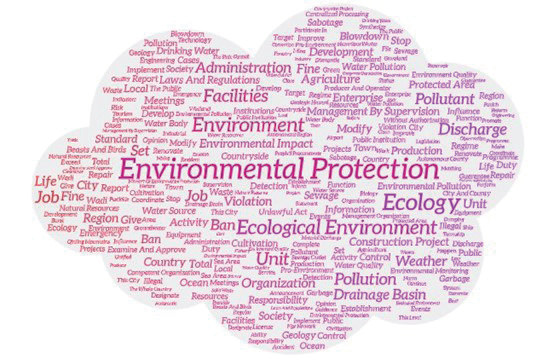
Fig. 2 shows the cloud image of the top 200-word frequencies, from which the following points can be drawn:
(1) China’s environmental protection policies in recent years are closely related to “ecology”, “environment”, “pollution” and “pollutant”. As “ecology” is broad in scope and rich in connotation, it includes the state of existence of all living things and the relationship between living things and the environment. The aim of environmental protection is to build a harmonious and healthy natural ecosystem, and the discharge of pollutants has seriously hindered the process of environmental protection.
(2) The environmental protection policy also focuses on high-frequency words such as “sewage”, “drinking water”, “water source”, “water pollution” and “protected area”, indicating that the state gives special protection to important water bodies. Set up water source protection areas for drinking water sources, water bodies in scenic and historic sites, and special management measures shall be taken for the water source protection areas to ensure that the water quality in the protected areas conforms to the water quality standards for specified purposes.
(3) In addition, environmental protection policy also focuses on high-frequency words such as “enterprise”, “production”, “facilities” and “fine”. This shows that the policy emphasizes the supervision and restraint of enterprises, which need to meet the supporting environmental protection facilities, pay attention to environmental supervision from the source, and the pollution generated by daily activities of enterprises should also meet environmental protection standards.
(4) Environmental protection policies also focus on high-frequency words such as “administration”, “work”, “organization” and “management by supervision”. This means that the relevant environmental protection departments have a high degree of participation in environmental protection work. Environmental management is one of the basic functions of the government, and the performance of environmental responsibility by environmental protection departments is directly related to the quality of the environment.
Considering the importance of the policy level, Table 1 lists some of the local policies with their associated central policies.
Table 1.
Central policy and local policy.
Analysis of the Evolution of Environmental Policies
To reflect the key concerned objects of environmental policies at different time intervals more intuitively, the environmental policy time interval is divided into three parts, which are 2013-2015, 2016-2018, and 2019-2022. Prior to 2015, the main goal of China’s environmental policy was to protect environmental quality and maintain ecological balance, but environmental regulation and enforcement were relatively weak during this period. After 2015, China actively participated in international climate change negotiations, signed the Paris Agreement, and committed to more aggressive environmental actions. This led to adjustments and changes in China’s environmental policies to better fulfill its international environmental commitments. Starting in 2019, the Chinese government has begun policy innovations and reforms in the field of environmental protection. For example, novel environmental policies such as the carbon emissions trading market and the ecological and environmental damage compensation system have been introduced to promote a comprehensive upgrade of environmental governance.
First, the keyword frequencies are counted and sorted from high to low and the top 50 policy keywords in each interval are retained. Secondly, the similar or related keywords between sections are paired by manual identification. Then, according to the paired text data, the knowledge map is drawn and classified according to the interval. Finally, the size of the word frequency is combined with the radius of each keyword node. The size of word frequency can reflect the importance of the term in the article. The keyword statistical results are shown in Fig. 3.
According to the visualization results during 2013- 2015, the main body of environmental protection policy focused more on the management related to mineral resources. As a major resource-consuming country in the world, China needs to import some important minerals to make up for the gap between domestic supply and demand because they have no advantages in reserves, abundance, and mining costs. In 2014, China imported 933 million tons of iron ore, up 13.8% year on year. The import volume of the steel industry in China is also increasing. At the same time, environmental pollution is increasing, and the construction of ecological civilization has put forward new requirements for mineral resources exploration and development. Therefore, geological work needs to be transformed and upgraded, and mineral resources management needs to actively adapt to the changing situation. In order to promote the development of the mining industry, the policy at this stage aims to strengthen the exploration of mineral resources, establish and improve a new mechanism for saving and intensive utilization of mineral resources, increase the supply capacity of mineral products, attach importance to the allocation of mineral resources, strengthen the management of mining rights and mining organization, improve the level of social services and other measures to stimulate the vitality of the mining market and promote the transformation and upgrading of the mining industry.
During the period of 2016-2018, the main body of environmental protection policy focused more on the management related to petroleum resources. China is the world’s largest market for petrochemical products. The “13th Five-Year Plan” period is a crucial period to maintain the steady growth of China’s economy and realize the development of petroleum and chemical industries from large to strong. In order to promote the petrochemical and chemical industries from large to strong, and guide their sustained, scientific and healthy development, the Development Plan of Petrochemical and Chemical Industries (2016-2020) was issued in 2016, which defined the development goals in five aspects: economic development, structural adjustment, innovation-driven, green development and integration of the two industries. Facing the complicated and changeable international macroeconomic situation, China will continue to deepen the reform of the system and mechanism of the petroleum and chemical industries and build an effective competitive market structure and system. The active support and guidance of the state has created a good policy environment for the transformation and development of the petroleum and chemical industries.
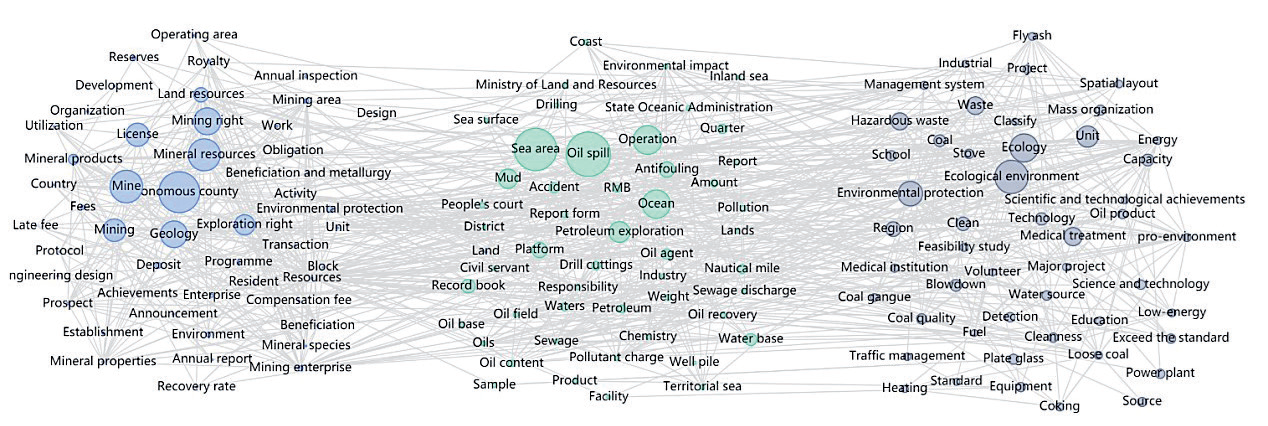
From 2019 to the present, the main body of environmental protection policy focuses more on ecological management. The state has paid more and more attention to environmental protection, increased investment in environmental protection infrastructure, and effectively stimulated the market demand of related industries. The data shows that the market scale of the environmental protection industry in China is increasing after 2016, and its market scale will reach 7.9 trillion yuan in 2020. It is estimated that with the development of the environmental protection industry, the market size of the environmental protection industry will reach 8.7 trillion yuan in 2021 and increase to 10 trillion yuan in 2022. At present, China’s environmental protection equipment has formed a certain scale and system in three major areas: air pollution prevention equipment, water pollution control equipment, and solid waste treatment equipment. The overall scale of the environmental protection industry has expanded rapidly, the industrial structure has been gradually adjusted, and the industrial level has been significantly improved.
Determine the Number of Topics
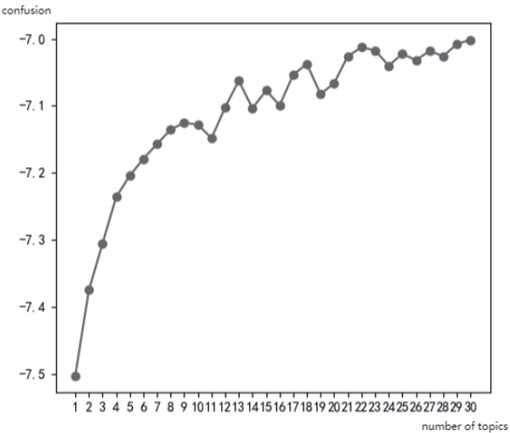
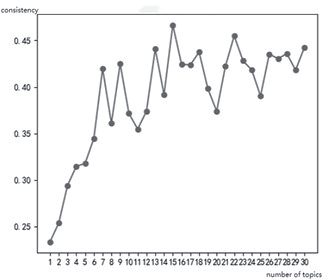
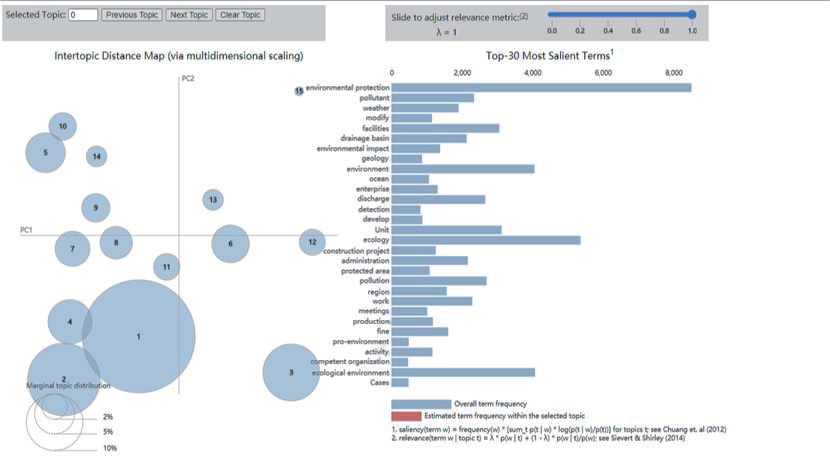
LDA (Latent Dirichlet Allocation) is introduced to model policy text data. According to the modeling results in Fig. 4 and Fig. 5, when k = 15, the consistency score is the highest. At the same time, the pyLDAvis package is invoked for visual analysis of the distance between topics. When k = 15, the discrimination between topics is obvious, as shown in Fig. 6. Therefore, it is determined to set the optimal number of topics k = 15. On this basis, the hot topics and the evolution process of environmental policies are deeply explored and analyzed.
Hot Topics Identification
Through the integration of similar topics, 15 hot topics with high attention are obtained as shown in Table 2.
(1) Marine environmental protection. Topics 6 and 9 belong to marine and water resources environmental protection, which includes marine pollution, oil development, wastewater discharge, and so on. China is a land power and a maritime power. The CPC Central Committee and the State Council attach great importance to the national marine cause and work and adjust the marine management ideas and strategies in a timely manner according to the domestic and international marine development and protection situation. In particular, in 2018, the institutional reform in the State Council adjusted the marine environmental protection function to the newly established Ministry of Ecology and Environment, which opened up the land and the sea, strengthened the overall planning and top-level design of marine pollution prevention and ecological protection and restoration in river basins, and provided a fundamental guarantee for systematically solving the problems of unsystematic, unbalanced and uncoordinated land and sea ecological environment governance.
(2) Revision of environmental protection documents. Topic 7 is the revision of environmental protection documents, which includes file review, document modification, holding meetings, etc. Under the background of frequent environmental pollution accidents and heavy environmental control pressure, it is necessary and urgent to revise the environmental protection policy. From the practical situation, on the one hand, the problems of content and connection between multiple single laws are prominent, which further affects the implementation and formulation of local laws and regulations. On the other hand, the formulation of local laws and regulations will be adjusted in time according to local environmental changes. In addition, China’s environmental protection policy not only needs to conform to reality but also needs to be consistent with international environmental protection laws.
(3) Topic 8 belongs to the protection of the ecological environment, which includes the exploitation and exploration of ecological resources, the restoration of the regional ecological environment, and the promotion of environmental protection work by environmental protection departments. At present, China has entered a stage of high-quality development, and the supporting role of the ecological environment is becoming more and more obvious. Report to the 20th CPC National Congress of the Communist Party of China made an overall plan for ecological and environmental protection work in the next five years or even longer. It stressed that people must firmly establish and practice the concept that lucidity and lush mountains are invaluable assets, plan development from the perspective of harmonious coexistence between man and nature, constantly improve the diversity, stability, and sustainability of ecosystems, and accelerate the implementation of major projects to protect and restore important ecosystems.
(4) Enterprise pollution supervision. Topics 3, 11, and 13 belong to enterprise pollution supervision, which includes enterprise construction project review, crime filing, pollution punishment, and so on. Major pollutant-discharging units are key targets of environmental supervision. According to the provisions of the People’s Republic of China (PRC) Water Pollution Prevention Law and People’s Republic of China (PRC) Air Pollution Prevention Law, key pollutant discharge units should install automatic monitoring equipment for water and air pollutant discharge and ensure its normal operation, connect with the monitoring equipment of the ecological environment department, and be responsible for the authenticity and accuracy of the automatic monitoring data. On December 21, 2021, the Ministry of Ecology and Environment issued the Administrative Measures for Environmental Information Disclosure of Enterprises, which further clarified the environmental information disclosure obligations of key pollutant discharge units.
Table 2.
Topic identification and keyword list.
(5) Meteorological monitoring. Topic 12 belongs to meteorological monitoring, which includes meteorological detection, earthquake hazards, and so on. There are many meteorological disasters in China, which are widely distributed and have high frequency. Accurate meteorological monitoring can reduce the losses caused by meteorological disasters and play a role in disaster prevention and mitigation. The application of science and technology makes the monitoring application of weather station equipment gradually replace artificial meteorological observation. Weather station equipment is used to monitor the changes in meteorological elements, such as temperature, relative humidity, wind direction, wind speed, rainfall, and light intensity. Meteorological monitoring has a great influence on social stability, economic development, and agricultural production in China, which directly affects the output and quality of agriculture.
(6) Airport environmental protection. Topic 4 belongs to airport environmental protection, which includes airport areas, aviation units, flight activities, and so on. Airport environmental protection prevents aircraft from polluting the environment around the airport, reduces or eliminates harmful substances entering the environment, and protects the physical and mental health of passengers and residents. The noise generated by the engine during the operation of the aircraft affects the normal work of the instruments and equipment on the aircraft and the comfort of passengers, interferes with public life and work in the airport and nearby areas, and even affects people’s health. In addition, the emissions from aircraft engines include the fuel leaked from turbine engines and the smoke and gas emitted by the fuel after burning in the engine combustion chamber, which will pollute the environment around the airport.
(7) Environmental protection of protected areas. Topic 2 is the environmental protection of protected areas, which includes activities and penalties of protected areas, and so on. Nature reserves are the core carrier of ecological construction. In June 2019, the General Offices of the CPC Central Committee and The State Council issued the Guidelines on Establishing a System of Protected Natural Areas with National Parks as the main body. Green and healthy nature reserves can play an important role in water conservation, soil and water conservation, environmental improvement, and ecological balance.
(8) Conservation of natural resources. Topics 1, 5, 14, and 15 are natural resources protection, which includes agricultural environmental protection, geological disasters, natural resources, and so on. The Law on the Protection of Natural Resources regulates the legal norms of various social relations arising from the development, utilization, protection, and management of natural resources. The relevant provisions in the Constitution: “The state guarantees the rational utilization of natural resources and protects precious plants and animals. It is forbidden for any organization or individual to occupy or destroy natural resources by any means. “ At present, the laws and regulations on the protection of natural resources mainly include the following aspects: land resources and grassland resources; forest resources, wildlife resources, and fishery resources; water resources, mineral resources, and special regional environmental resources.
(9) Air pollution protection. Topic 10 is air pollution protection, which includes air emissions, pollution punishment, and so on. Air pollution will harm the human body and industrial and agricultural production, affect economic development, and cause a lot of loss of manpower, material resources, and financial resources. Air pollutants also affect the weather and climate. When the concentration of air pollutants is very high, the surface of the leaves of plants will be scarred, leading to the wilting of the leaves and leaves. On February 17, 2017, the Ministry of Environmental Protection issued the Work Plan for Air Pollution Prevention and Control in the Surrounding Areas of Beijing, Tianjin, and Hebei in 2017, ranking the improvement of air quality in “2+26” cities monthly and assessing them quarterly. The promulgation of this policy has effectively strengthened the environmental protection efforts in various districts.
Analysis of the Topic Evolution of Environmental Policies
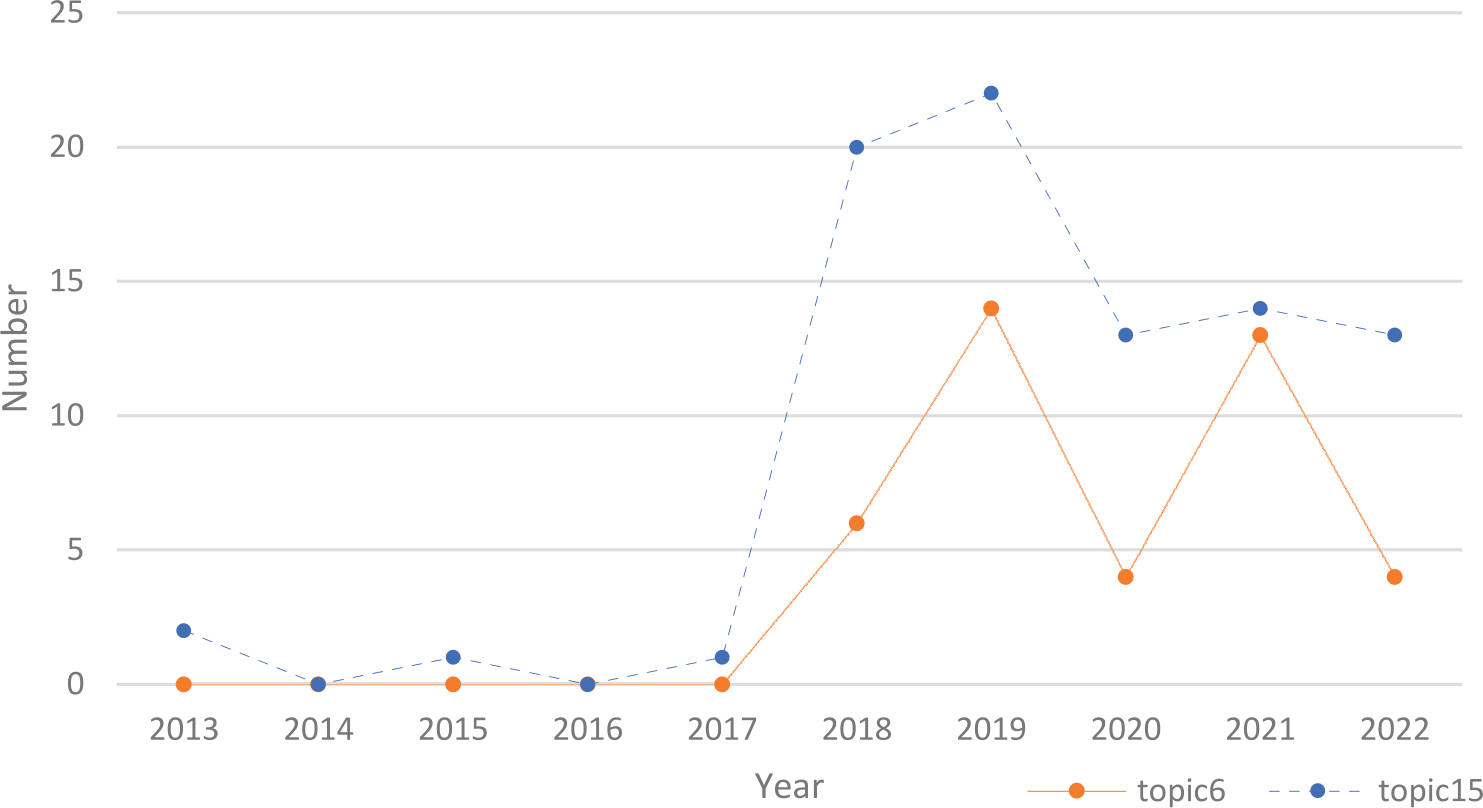
According to the change of the topic in different time windows, the evolution path of the topic in time is analyzed. The results show that two of the 15 research topics have shown an increasing trend in the last 10 years. The increasing topics are topic6 “water pollution punishment” and topic15 “agricultural pollution protection”, as shown in Fig. 7.
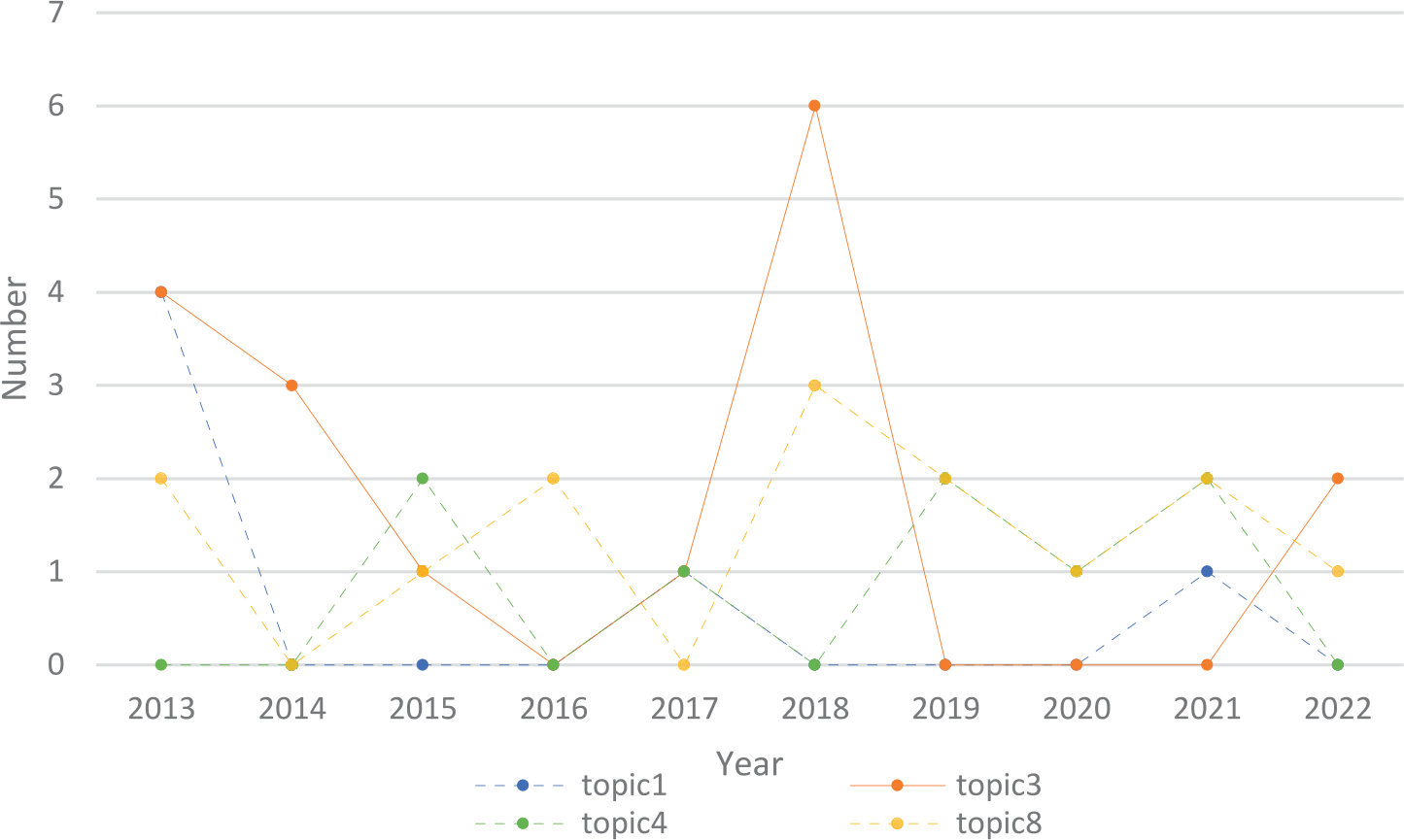
There are four topics showing a stable trend, which are topic1 “Grassland environmental protection”, topic3 “Environmental protection case”, topic4 “Airport environmental protection” and topic8 “Ecological environmental protection”, as shown in Fig. 8.
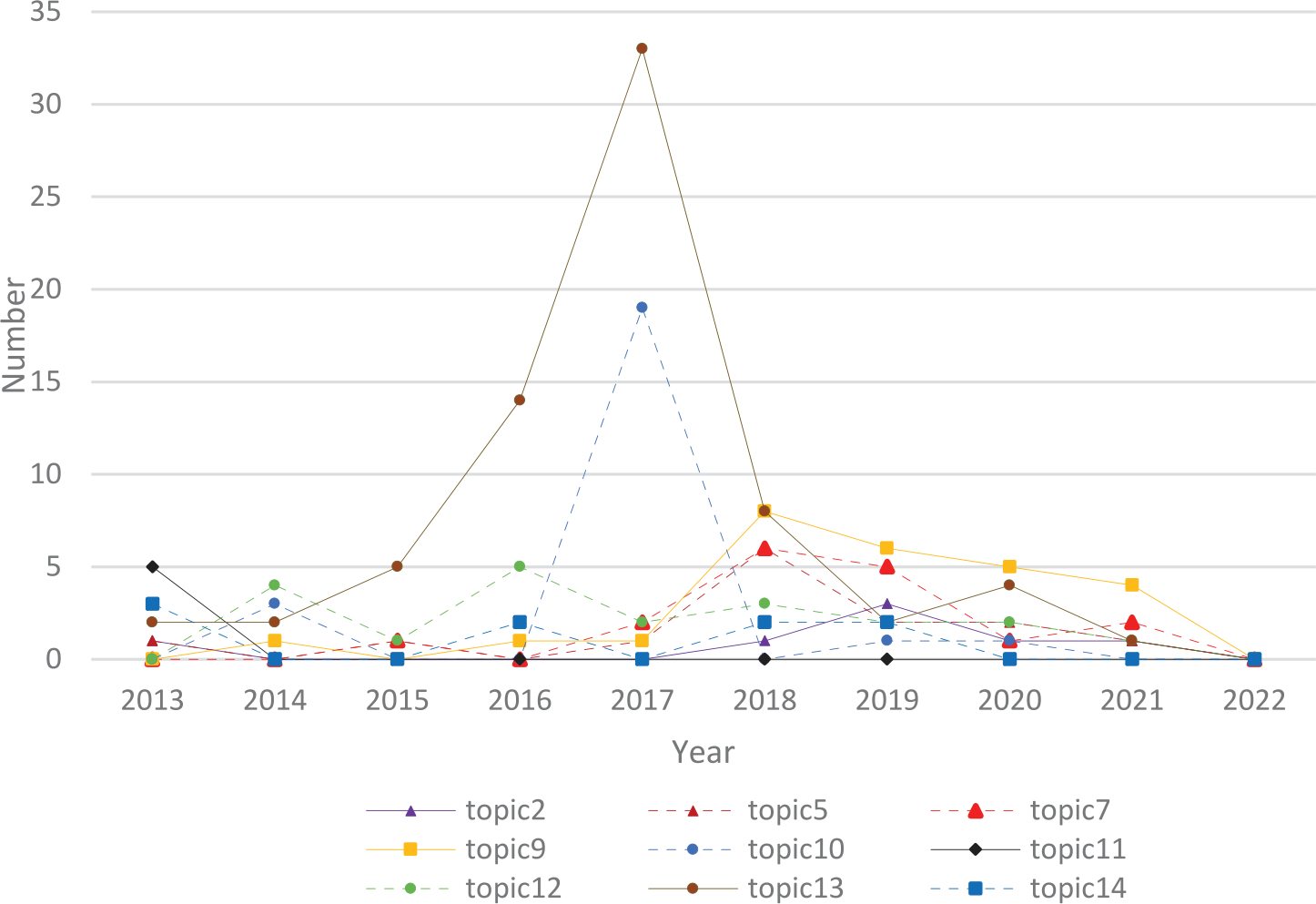
There are nine topics showing a declining trend, topic2 “Environmental protection of protected areas”, topic5 “Land resource protection”, topic7 “Revision of environmental protection policy”, topic 9 “Marine environmental protection”, topic10 “Air pollution protection”, topic11 “Enterprise pollution supervision”, topic12 “Meteorological monitoring”, topic13 “Environmental protection process audit”, and topic14 “Resource development and protection”, as shown in Fig. 9.
The reason for the different evolutionary trends of different environmental protection themes may be that the improvement of policies is related to urgency. Environmental problems such as air pollution, water pollution, and land pollution are closely related to human life, so they have attracted more attention in the early stages. Second, policy formulation has a progressive relationship, only to solve the basic problems, in order to plan for long-term development. In addition, the formulation and modification of the policy will be based on the implementation effect of the previous period for important environmental issues, to make up for policy gaps. Therefore, the theme with a downward trend does not mean that it is not important, and it may be that the implementation of environmental protection policies in the early stage is better.
Conclusions
(1) By statistic keyword frequency, China’s environmental protection policies focus on ecological environment protection and pollutant emission control; Protection of important water bodies such as drinking water sources, water bodies in scenic spots, and important fishery water bodies; Supervise and restrain the pollution of enterprises, and punish enterprises for exceeding the standard of sewage discharge; Environmental protection departments supervise each other and improve the environmental protection system. After more than a decade of environmental protection policy support and requirements, social awareness of environmental protection has significantly increased, including urban household waste classification, rural household waste recycling, the use of biodegradable plastic bags, and drone river patrols. The digital transformation of enterprises has reduced the consumption of resources for offline transactions to a certain extent, and strict inspection and rectification plans for high-energy-consuming and high-polluting enterprises have controlled the discharge of pollutants such as wastewater and waste gas at the source. This reflects that local environmental protection departments will focus on highly polluting enterprises, so enterprises should self-regulate their own pollutant discharge facilities and activities, introduce more useful pollutant treatment facilities, and improve pollutant discharge treatment processes according to the requirements of environmental protection departments.
(2) Through the evolution of environmental protection policy, the main body of environmental protection policy has changed from the protection and management related to minerals and geological resources to the management related to petroleum and marine resources, and now the main body of environmental protection policy focuses more on ecological management. China has a large population but limited natural resources. Excessively high and rapid rates of economic growth rapidly bring about high energy consumption and pollution, causing damage to the various balanced relationships necessary for normal economic operation. Currently, the central government emphasizes “stable growth” and maintaining a moderate rate of economic growth. At the same time, it relies on scientific and technological progress to utilize natural resources more effectively, reduce pollution, and shift from a crude resource-consuming economy to a resource-saving one. The existing environmental protection policy is more comprehensive and coordinated in terms of environmental governance. It is recommended that government departments give full play to the power of the masses, deal with their complaints seriously, keep the environmental protection hotline open, make clear that specialists are responsible for it, investigate and deal with the outstanding environmental problems that are strongly reflected by the masses in a serious manner, and solve the people’s environmental aspirations in a practical manner.
(3) The topics distilled from the policies cover many aspects of environmental protection, which can be categorized into supervision and punishment of enterprises, exploitation and protection of natural resources, supervision and protection of the ecological environment, and improvement and revision of policies. In terms of the topics of growth policies, “agriculture” and “water” are the government’s key protection targets, reflecting the importance of green water sources and green agriculture to the development of the economy, society, and people’s livelihood. The formation of the concept of green GDP reflects the requirements of the law of economic development, that is, the protection of the environment will support better economic development in the future, and failure to protect the environment and manage the environment will jeopardize the fruits of economic development. The news media at all levels have reported on environmental pollution incidents and the increase in national environmental protection publicity, as well as the strengthening of public awareness of environmental protection, prompting the government to introduce more and more stringent environmental protection policies, which provides opportunities for the development of the environmental protection industry. Relevant food enterprises can increase the research and development of green food, to “green” as the object of publicity, combined with their own product characteristics to take the road of green food development.

