

Introduction
The primary forms of pollution detrimental to human health encompass water contamination, atmospheric pollution, soil degradation, light disturbance, and noise emissions [1]. Among these, skin is notably affected by air pollution, which constitutes the contamination of both indoor and outdoor atmospheric conditions. Among the well-known sources, primary pollutants are classified as anthropogenic industrial processes: coal-burning power plants, traditional home heaters, exhaust from transportation, and agricultural activities such as fertilizer application and herbicides [2]. In the last decade, a comprehensive analysis has evidenced a notable escalation in air pollution on a global scale. Epidemiological data reveal that exposure to air pollutants can lead to numerous adverse effects on human health. Emerging evidence indicates that prolonged or chronic exposure to these pollutants contributes to a range of clinical issues, including respiratory problems, asthma, chronic obstructive pulmonary disease, diabetes, hypertension, and various inflammatory and dermatologic conditions [3, 4].
The epidermis of the skin and the scalp of the head are the body’s first line of defense, and prolonged exposure to air pollutants can cause significant harm, which can be dramatically exacerbated by simultaneous exposure to UV radiation [5]. Meanwhile, the skin may be protected by clothing, but the hair and scalp are still exposed to natural environmental factors as well as man-made pollutants. Prolonged and repeated exposure to these environmental stressors can overwhelm the scalp’s normal defenses and disrupt skin barrier function, leading to a variety of scalp-related conditions [6]. Numerous airborne pollutants, measuring less than 10 µm in size, are capable of penetrating skin pores. Combustion particles smaller than 2.5 µm exhibit lipophilic properties, allowing them to adhere to the skin and the lipid-filled intercellular spaces. These particles can effortlessly traverse the lipid-filled intercellular spaces within the skin cells [7]. This constant exposure to air pollution leads to a buildup of pollutants in the body. Human hair and scalp are two important bioindicators. The mineral content of the hair provides information such as the concentration of elements in the internal organs. Long-term exposure to toxic substances can be determined by looking at the contents of the hair and seeing what changes have occurred over time [8]. Exposure to fine particulate matter causes the scalp to become sensitive, uncomfortable, dry, and/or oily. Hair follicles can be weakened. and there are some signs of this. It can even cause hair loss [9]. Hair fibers and the scalp provide ample surfaces for particulates to bind. Therefore, it can penetrate the cuticle or skin layer of the epidermis. One of the main mechanisms responsible for the adverse effects of particulate matter is the production of reactive oxygen species (ROS) [10].
The cells of the human body have an extensive endogenous antioxidant defense mechanism composed of enzymes. They are composed of hydrophilic and lipophilic radical scavengers and chelating agents. Under normal conditions, cells can maintain a balance between the production of oxidants and antioxidants. However, excessive concentrations of ROS and a compromised antioxidant defense system lead to oxidative stress. This can make tissues more susceptible to damage, cause cells to malfunction, and even promote cell death. This can lead to symptoms such as erythema and edema, inflammatory processes, hypersensitivity, damage to the scalp microbiome, skin keratinization, and ultimately skin damage, skin keratinization, and skin cancer [7]. In addition, the stress-induced in oxidative hair follicles (HF) and HF stem cells is a pivotal mechanism that eventually leads to hair loss [11].
The aim of this review is to examine the threats posed by increasing air pollution to the hair and scalp. To do so, we understand the structure and function of the skin and scalp in protecting the body from external environmental factors and consider the mechanisms by which air pollution interacts with the scalp. Through a detailed examination of the clinical manifestations and establishment of associations for the negative effects of air pollution on the hair and scalp, we will discuss ways in which the negative effects of air pollutants can be reduced.
Material and Methods
This review updates the state of research on the effects and mechanisms of air pollutants on hair and scalp. It also aims to focus on suggestions for a healthy scalp in an era of increasing environmental pollution. Below, we describe in detail our search strategy, article selection methods, and data synthesis procedures.
Search Strategy
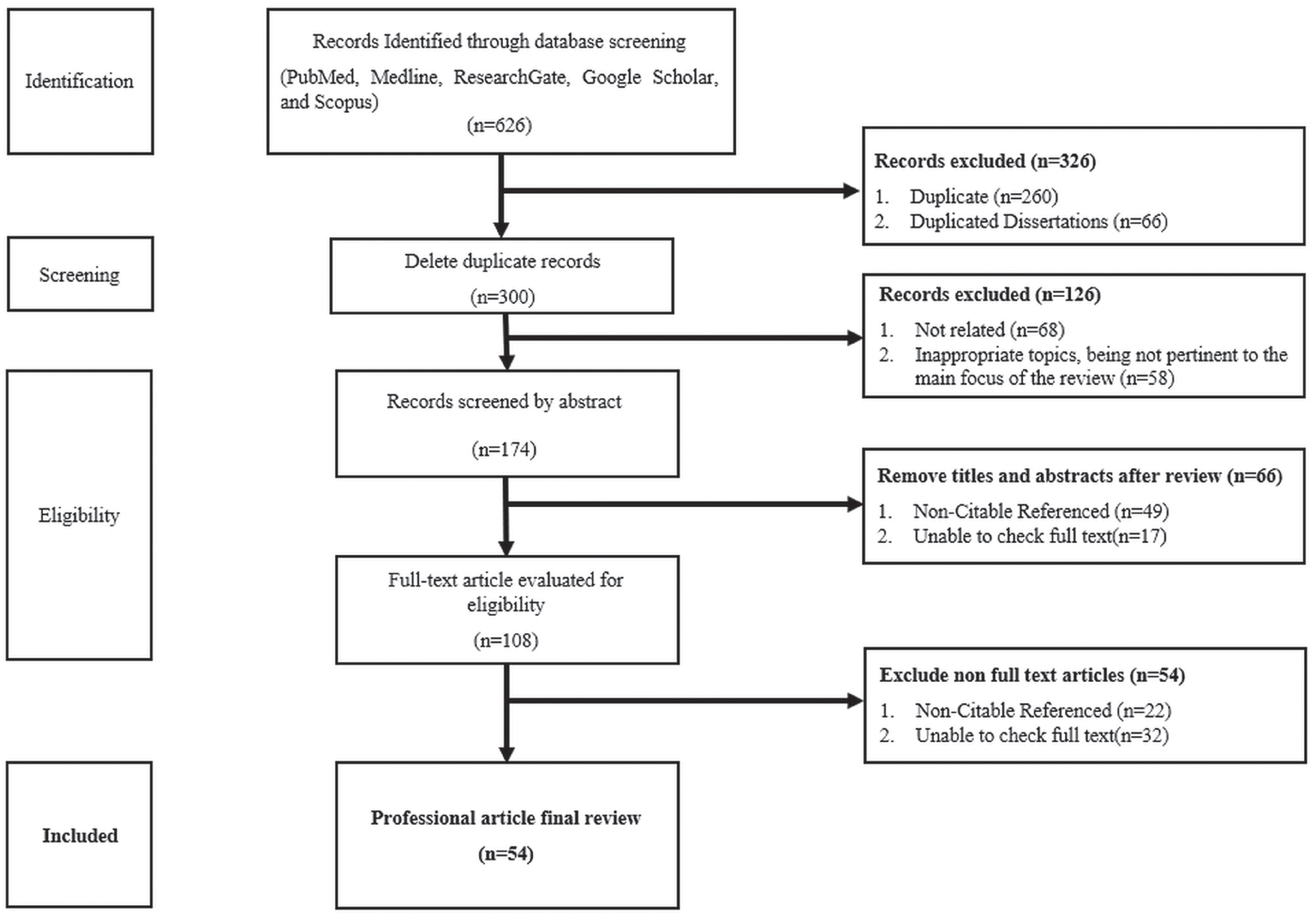
For this review, we searched the literature in the relevant fields using keywords such as (a) ‘air pollution’ and ‘air pollutants and the scalp’, (b) ‘air pollutants’ and hair damage’, and (c) ‘scalp problems’ and oxidative stress’. Fig. 1 is a flowchart showing the process of selecting studies for inclusion in this review.
Eligibility Criteria
Articles included in this review had to meet the eligibility criteria for this review, including selecting studies related to the effects of air pollutants on the scalp, air pollutants and oxidative stress, scalp and hair damage factors, and the association between pollutants and scalp problems.
Screening and Data Extraction
Studies were included if they (1) investigated the nature of air pollutants and their effects on the scalp, (2) addressed the association of air pollutants with hair and scalp damage, (3) addressed the consequences of scalp cells undergoing oxidative stress, (4) addressed the health of scalps damaged by pollutants, (5) were peer-reviewed, and (6) were journal articles or conference presentations.
We excluded articles that (1) did not investigate the nature of air pollutants, (2) did not investigate the link between environmental pollution and hair and scalp problems, or (3) did not investigate the defenses and properties of hair and scalp cells. Different types of articles were considered, including original articles, full-text articles, internet articles, summary reports, and series, and there were no restrictions on publication date or language. Exclusion criteria included inaccessible full text, full text without raw data, inappropriate topics, and doctoral dissertations, which were searched through the ProQuest Dissertations and Theses global database.
Study Selection and Data Extraction
Using a systematic review approach, a total of 616 references were selected using the PRISMA flowchart from the major journal search sites PubMed, Google Scholar, ResearchGate, Medline, and Scopus. This resulted in a total of 53 articles being selected. The PRISMA flowchart is shown in Fig. 1.
Results
The Impact of Air Pollutants on Scalp Health
The area of skin extending from the forehead to the back of the neck, known as the scalp, encompasses hair follicles, sebaceous glands, and sweat glands. Various external stressors, abundant in air pollution, have the potential to disturb the scalp’s natural balance, leading to issues such as inflammation and hair loss [12].
Airborne pollutants like particulate matter, volatile organic compounds, nitrogen oxides (NOx), and carbon oxides (CO and CO2) have the potential to accumulate on the hair and scalp or infiltrate deeper skin layers through hair follicles or percutaneous absorption [13]. In living organisms, nanoparticles from urban particulate matter have been detected both in intact skin and in barrier-disrupted skin, as well as within hair follicles [14]. Particulate matter (PM) from air pollution has the ability to adsorb polycyclic aromatic hydrocarbons (PAHs) on its surface, inducing the production of reactive oxygen species (ROS) and ROS-dependent inflammatory reactions in the skin. This process has the potential to exacerbate hair loss [15]. Additional research indicates that particulate matter (PM) can impede hair growth by triggering apoptosis in keratinocytes within cultured scalp hair follicles in an ex vivo environment [16]. Furthermore, cigarette smoke, containing polycyclic aromatic hydrocarbons (PAHs), is acknowledged as an oxidizing agent and is linked to the early onset of androgenetic alopecia in men [17]. In a parallel study using an animal model, a significant majority of C57BL/6 mice exposed to cigarette smoke for a duration of three months exhibited hair loss and graying. The skin of mice exposed to smoke displayed signs of atrophy, reduced subcutaneous tissue thickness, the absence of hair follicles, and extensive apoptosis of hair bulb cells along the balding perimeter [13].
Other scalp conditions that may be influenced by environmental factors include seborrheic scalpitis. Seborrheic scalpitis affects the scalp as well as the face, postauricular region, and upper chest and can cause flaking, scaling, inflammation, itching, and pronounced erythema [18]. In adults, the face, scalp, and chest are the most common areas affected. It is more common in men than women, and prevalence increases with age [19]. Higher urban particulate matter concentrations were also associated with an increased risk of seborrheic scalpitis symptoms. Studies have shown that higher levels of urbanization and traffic-related exposures were associated with eczema, facial erythema, or seborrheic scalpitis symptoms [20].
Hence, the presence of airborne pollution originating from urban dust poses a considerable threat to public health in various industrialized countries. Damage induced by pollutants leads to key pathophysiological mechanisms, including oxidative stress and activation of the Aryl hydrocarbon Receptor (AhR), underscoring the critical implications for human well-being. When examining the impact of pollutants on the scalp and hair follicles, the activation of the Aryl hydrocarbon Receptor (AhR), a predominant pathway associated with damage induced by pollutants, was identified in miniaturized hair follicles in cases of female pattern baldness. Furthermore, in an experimental study involving mice, exposure to air pollutants, particularly environmental tobacco smoke, resulted in hair loss and premature graying [19]. These findings lead to the hypothesis that pollutants might have detrimental effects on Human Follicle Dermal Papilla Cells (HFDPCs), crucial for hair growth regulation. The scalp, being an epithelial tissue, establishes a robust barrier known as the stratum corneum. Within this barrier, filaggrin, a pivotal component, exists in the form of pro-filaggrin bound to keratin fibers within epithelial cells [21]. The reduction in filaggrin expression can compromise the integrity of the skin barrier. Consistent with this expectation, studies have substantiated that urban dust exposure leads to decreased expression of filaggrin in keratinocytes and ex vivo models [22].
Accumulation of Pollutants in the Hair and Premature Graying
The escalation of industrialization and population migration has resulted in a substantial rise in environmental pollution originating from industrial and transportation-related emissions, as well as the proliferation of toxic chemicals. This trend, observed over recent centuries, has had adverse impacts on human health [23, 24]. Despite global initiatives aimed at curbing emissions of air, chemical, and soil pollutants, exposure to fine particulate matter and numerous other air pollutants continues to rise on a global scale [25]. A growing body of evidence is accumulating, driven by increasingly sensitive human biomonitoring methods [26], showing correlations between air pollution and disease [24, 27]. Contemporary research involving in vitro experiments and in vivo correlations provides compelling evidence for a causal connection between exposure to particulate matter (PM), the generation of reactive oxygen species, inflammatory responses, and DNA damage. This elucidates the relationship between PM exposure and elevated mortality rates [28]. Certain pollutants, specifically those within the polycyclic aromatic hydrocarbon (PAH) family, exhibit phototoxic properties. In vitro experiments have demonstrated that the detrimental effects of PAH pollution and ultraviolet (UV) exposure are amplified when these factors coincide on the skin [26].
The heightened sensitivity of analytical techniques like chromatography-mass spectrometry has elevated the status of hair as a standard biomonitoring matrix. Alongside matrices such as breast milk and saliva, hair has bridged the gap with traditionally employed matrices like urine and blood [27, 29]. Utilizing human hair as a matrix offers the benefit of offering comprehensive insights into chronic contamination exposure spanning several months for each individual. Furthermore, hair analysis enables the identification of both maternal contaminants and their metabolites, a capability not shared by frequently employed biological fluids. Contaminants can permeate the hair follicle through the bloodstream or adjacent tissues, becoming sequestered within the cortex of the differentiated hair matrix [27, 30]. In contemporary studies, a range of organic pollutants have been identified in hair samples, encompassing polycyclic aromatic hydrocarbons (PAHs) and polychlorinated dibenzodioxins (PCDDs), originating from sources of air pollution. Furthermore, various pesticides utilized in agricultural practices, including organophosphates and organochlorines, have been detected in hair samples. Polychlorinated biphenyls (PCBs), present in coolant liquids and plasticizers, along with polybrominated diphenyl ethers (PBDEs), commonly employed as flame retardants, are also traceable in human hair [29]. During the growth of hair and as the fiber ages, environmental factors such as UV exposure, fluctuations in humidity, and mechanical abrasion progressively compromise both the internal structure of the cortex and the integrity of the outer cuticle [31].
External factors associated with premature graying include air pollution, smoking, and nutrition. All of these factors have been reviewed to have a direct or indirect effect: they produce reactive oxygen species (ROS) that lead to further damage. Over the past few years, research has expanded regarding the micro, chemical (hormones, enzymes), and molecular changes that occur within the hair follicle/hair shaft, but the exact mechanisms that lead to premature graying of the hair remain poorly understood [31]. Graying or graying hair refers to the loss of pigmentation with aging, which occurs in different ways depending on the individual. Various studies have described the loss of melanocyte stems as the cells responsible for producing melanin and the primary pigment. However, environmental factors also play a role in the complexity of premature graying. Oxidative stress from pollutants that penetrate the hair also causes changes in gene expression. When oxidative stress increases, BCL-2 expression decreases, leading to cell death. This has been observed to lead to cell death and a decrease in anagen hair follicles [32].
Cigarette smoke is also classified as an air pollutant, and the mechanism of PHG through direct and secondhand smoke is related to the production of large amounts of ROS, thus leading to damage to hair follicles before they reach maturity [33]. Unfortunately, smoking is not only associated with graying of the hair, but also has a potential impact on hair loss. Fig. 2 illustrates the mechanism between air pollutants and hair damage.
Fig. 2.
Mechanisms of Air Pollution and Hair Damage [38]. When pollutants accumulate in the hair, they become irritating and affect the hair cycle by causing oxidative stress. This can lead to hair loss.

Premature graying, the premature turning of hair white before the normal age (20 years in Caucasians, 25 years in Asians, and 30 years in Africans), is a seemingly harmless condition, but it has a tremendous impact on the self-esteem of young patients because it is socially perceived as a sign of aging.
Excessive production of ROS leads to macromolecular and cellular damage due to lipid peroxidation, single-stranded DNA breaks, mutations, and denaturation of proteins/enzymes. ROS-induced cell membrane damage leads to the formation of arachidonic acid/other PUFA bicyclic endoperoxides, which subsequently form aldehydes, namely MDA and 4-hydroxynonenal, as secondary end products. MDA crosses the cell membrane into the extracellular space, and its serum concentration is a sensitive marker of oxidative stress, supporting the role of oxidative stress in the pathogenesis of premature graying [34]. In another study on premature graying, researchers created a long-term cultured gray hair HF model that mimics gray hair in the elderly and irradiated it to identify the mechanisms. They found that oxidative stress and DNA damage decrease melanin synthesis and are involved in the graying and aging process [35].
Mechanisms of Scalp Toxicity from Air Pollutants
Currently, hair is recognized as a remarkably sensitive tool for examining prolonged exposure to environmental pollutants [36]. Examining the presence of PM2.5, mercury, zinc, lead, and heavy metal concentrations in compromised hair samples from individuals residing in mining regions or alongside roadways serves as an illustration of the impact of air pollutants on hair [37, 38]. Contaminants are found in the scalps of not only adults but also adolescents, whose life cycle is shorter depending on environmental factors. Hair from adolescents of both sexes living near petrochemical plants in Palermo, Italy, was compared with hair from adolescents in Sicily, a control area, and higher median lead concentrations were found in the hair of adolescents living near industrial sites [39].
Pollutants penetrate through the hair follicle into the dermis and cause oxidative stress. Smaller particles, especially nanoparticles, are thought to penetrate deeper layers of the scalp to a greater extent. In addition, fine particles can absorb surface PAHs in highly polluted areas and become a major source of reactive oxygen species [36]. Recent studies have shown that the pattern of nonlinear circulating AA flares correlates with PM10 concentrations [38, 40]. A possible explanation for this mechanism is that PM may induce oxidative stress in the hair follicle, stimulating an overreaction of T cells [36].
Whatever the route of exposure, chemical, physical, and biological pollutants modify whole-organism responses; therefore, experimental models that describe the effects of pollution on the scalp and its mechanisms can shed light on the pathways by which air pollution affects the scalp. Scalp exposure to pollutants via oral and inhalation routes had significant effects at both local and systemic levels, and all pollutants affected the scalp by altering scalp thickness, epidermal barrier strength, and structure [13]. This phenomenon arises because the skin, hair, and scalp collectively constitute the initial defense against exposure to air pollution. When large, suspended particles, small airborne particles, smoke, and gas pollutants settle on the scalp and hair, they gradually induce irritation and damage. Similar to how diffuse pattern baldness, diffuse alopecia areata, early patchy alopecia, or chronic off-season alopecia can resemble androgenetic alopecia, hair loss attributed to pollution (HDP) can either coexist with or imitate the symptoms of androgenetic alopecia [41].
Research exploring the impact of airborne pollutant particles on the skin and hair has revealed that nanoscale suspended particulate matter (PM) itself can induce oxidative stress, irrespective of its biological interactions with cells. The hypothesis suggests that these particles may serve as carriers for organic chemicals and metals, localizing in mitochondria and generating reactive oxygen species. Particularly worrisome are polycyclic aromatic hydrocarbons (PAHs), emitted from sources like vehicle exhaust, asphalt roads, wood burning, and industrial waste. These PAHs, found in the air, soil, and groundwater, adhere to fine particulate matter surfaces in urban environments. PAHs can activate xenobiotic metabolism by converting into quinones– redox cycle chemicals that produce reactive oxygen species. Prolonged exposure to high concentrations of fine particulate matter may facilitate dermal, transdermal, or scalp penetration through hair follicles, leading to the delivery of toxicants [42]. Philpott’s experiments also showed that air pollution levels increased oxidative stress in hair follicle cells, which is similar to the mechanisms seen in patients with androgenetic alopecia (AA) hair loss [43].
Other studies have pointed out that exposure to pollution causes the outer layer of the scalp to exfoliate rapidly, exposing the sensitive inner layer and making it more sensitive, and prolonged exposure leads to more flaking and psoriasis [44]. Dandruff sufferers complain of dandruff that does not respond to standard treatments. This is due to the persistence of excessive seborrheic and oily scalps after constant exposure to irritation from pollution. This mechanism is associated with hair follicles undergoing unreduced inflammation, leading to low-level fibrosis and permanent hair loss [45].
The effects of pollution on humans in the city of Milan were documented regarding the impact of pollution on human hair in a study titled “What your hair breathes.” The study conducted scalp analyses on an average of 300 volunteers from July 2007 to April 2008 and found that the concentration of fine particulate matter and heavy metals deposited in the hair was 1.5 times higher than in air, and the amount deposited on the scalp was twice as high as in air [41].
Many people suffer from scalp hair-related issues such as dandruff, folliculitis, hair loss, and oily hair for a variety of reasons, including unbalanced nutrition, severe stress, and toxins in the environment. At least 30 percent of these problems lead to hair loss. This review evaluated the causes and clinical presentation of hair loss due to air pollution. Dandruff is a condition in which the white flakes on the scalp do not fall off. Folliculitis involves hair follicle pores, inflammatory symptoms, and pustules of hair follicle cells. Alopecia is the absence of hair in the hair follicle pores or the blockage of hair growth by secretions. Oily hair has clogged pores due to excessive sebum secretion. Oil reflects light. Air pollutants penetrate the scalp in this way, clogging hair follicles, preventing hair growth, and causing scalp diseases [46].
Discussion
Substances Alleviating Scalp Issues Caused by Environmental Pollution
Urban particulate matter (PM) has been documented to trigger skin and scalp inflammation by elevating inflammatory mediators such as reactive oxygen species (ROS), cyclooxygenase (COX), prostaglandin E2 (PGE2), and tumor necrosis factor-alpha (TNF-α). Conversely, E. cava is recognized for its anti-inflammatory properties in diverse contexts. A recent study highlighted E. cava’s ability to mitigate inflammation induced by airborne particulate matter (PM). Specifically, it was found that E. cava could suppress PM-induced COX and PGE2 production in keratinocytes, indicating its potential as an anti-inflammatory agent against PM-triggered skin inflammation [47]. In addition, E. cava was shown to exert an inhibitory effect on LPS-induced NO production and IL-4-induced iotaxin-1/CCL11. E. cava is a brown alga in the Asia-Pacific region. In a recent study, it was demonstrated that E. cava extracts suppress the inflammatory response in LPS-stimulated human endothelial cells. These results suggested that E. cava extract could act as an inhibitory substance in the immune response to external stimuli. We also conducted a clinical trial to determine whether E. cava extract had scalp-soothing and moisturizing effects in volunteers with scalp flaking and redness. After four weeks of using a shampoo containing 0.02% sea buckthorn extract, scalp flaking and redness were reduced and skin moisturization was significantly increased [42].
Furthermore, an assessment of active components extracted from the oligosaccharide-enriched leaves of Pogostemon cablin revealed compelling biological properties. These properties included the reduction of excessive keratinization by inhibiting keratinocyte migration, thereby limiting stratum corneum thickening, and enhancing Natural Moisturizing Factor (NMF) production through the restoration of filaggrin and caspase 14 expression. Clinically, the application of this plant extract led to the normalization of skin sebum levels and scalp microbial composition, resembling conditions found in ‘normal’ scalps. This normalization involved an increase in the relative abundance of Staphylococcus aureus and Cutibacterium, both capable of producing Stratum Corneum Free Fatty Acids (SFFAs) essential for preserving lipid barriers, regulating cell-host metabolism, and maintaining immune system homeostasis. Remarkably, the normalization of scalp microbial composition correlated with the restoration of normal sebum production and keratinocyte differentiation levels, demonstrating the interconnected nature of these biological processes [48].
While rare among scalp conditions, folliculitis manifests as a disorder marked by scarring alopecia, neutrophilic inflammation, enduring hair loss, aggregation and encrustation of hair follicles, perifollicular erythema, and discomfort [49, 50]. Traditional treatments for folliculitis, involving the use of steroids and topical or systemic antibiotics, often prove ineffective for numerous patients, with reported instances of relapses [50, 51]. In an exciting development, it has recently been shown that botulinum toxin A can be used as an alternative treatment for non-scarring androgenetic alopecia [52].
Numerous research studies have indicated that botulinum toxin A serves as an effective alternative treatment for non-scarring androgenetic alopecia, suggesting a potential link between its therapeutic effect and modulation of the patient’s immune response. However, the precise mechanism underlying the therapeutic impact of botulinum toxin A on folliculitis decalvans remains elusive. Nevertheless, several studies have proposed that the toxin may exert its effect by normalizing the hyperactive immune response, inhibiting the activation of TRPV1 (transient receptor potential vanilloid 1) receptors, and suppressing the release of neurotransmitters such as CGRP (calcitonin gene-related peptide) [53]. This inference is grounded in the presence of these receptors, which are found on unconventional C fibers, hair follicles, and immune cells within the scalp, indicating their role in triggering modified immune responses and acting as mediators of hair growth inhibition [54]. Botulinum toxin holds potential as a promising therapeutic avenue for individuals with diverse scalp conditions. However, further research is essential to enhance our understanding of its effectiveness and safety.
Conclusions
Increasing concentrations of air pollution are causing a variety of human health problems. To summarize the effects of air pollution exposure on the hair and scalp, it has been shown that continuous exposure to pollutants can cause hair damage and hair loss, as well as conditions such as folliculitis and seborrheic scalpitis, as the hair and scalp act as the first line of defense against the external environment. A related mechanism is that pollutants that enter the body through the scalp generate free radicals and oxidative stress in the body and play a pivotal role in mediating the systemic toxicity of air pollution exposure. Therefore, further exploration of the relevance of chronic exposure to air pollutants and endogenous antioxidant defenses is important when studying hair damage and scalp problems. Although substances such as fishweed extract and Botox have been introduced, further exploration of the relevance of chronic exposure to air pollutants and endogenous antioxidant defenses should be the focus of future research to strengthen this finding.

