


Introduction
Water is frequently referred to as the source of life and is essential to humans, plants, and animals. It serves multiple applications, spanning drinking and non-potable uses, including air conditioning, industrial cooling, and agricultural irrigation [1, 2]. As a result, there is a significant burden on global water supplies, with numerous countries, even developed nations, facing extreme water shortages [3].
An estimated half a billion people struggle year-round, highlighting the severity of global water scarcity. In addition, it has been ranked as one of the top five worldwide hazards for eight years in the Global Risk Report of the World Economic Forum [4]. The increasing number of people living there makes water scarce in many areas. As a result, researchers are investigating different water sources, such as atmospheric water, fog, and dew, employing sorbent and desiccant approaches [5]. The passage of water vapor in the atmosphere connects ecosystems around the planet. Changes in land use can influence how much water evaporates from the surface, altering how atmospheric moisture is recycled and potentially significantly impacting downwind precipitation and the ecological consequences that follow [6]. The amount of water present in the air at different temperatures varies with relative humidities and might exceed 100 g/m3 at 80% RH [7].
Although dew-gathering and fog harvesting have become feasible techniques for supplying water, they are inevitably restricted by the presence of fog. Large-scale standard fog collectors catch water droplets on mesh surfaces and let them fall to the ground due to gravity [8].
A squared aluminum funnel was created and tested in the field in Abu Dhabi to find novel approaches to collecting dew, rain, and fog water. According to the findings, the average daily rate of water collection was 0.016 mL/day [9]. Studies conducted in Bahrain found that aluminum condensing surfaces performed better in accumulating dew water than glass and polyethylene foil surfaces [10].
Adsorption-based atmospheric water collection devices are being researched to gather air moisture with low relative humidity. Sorbing agents like metal-organic frameworks, drying agents like silica gel, and salts are used in these systems to take in humid air at night and condense water during the day from sunlight or active sources like lightning [11]. With hygroscopic agents as a basic component, many developments and advancements in hygroscopic adsorbent AWH agents suggest applications for adsorbent AWH technology [12].
In Taif, a water-extraction method was created using dry ingredients and sand beds saturated with calcium chloride, producing 1.01 L/m2 [13]. A new sorbent, LiCl, encased in hollow nanocarbon capsules, has shown extraordinary efficacy in absorbing atmospheric moisture. This sorbent takes 10 hours to complete three cycles to release 1.6 kg of water [14]. Furthermore, a unique atmospheric water collection technique has been developed employing a strong aqueous solution of lithium bromide [15].
Researchers are actively studying vapor compression refrigerators (VCR) and thermoelectric coolers as potential energy-efficient water-harvesting devices due to the direct relationship between water collection and energy input/consumption [16, 17]. A VCR system has been constructed to efficiently harvest atmospheric water in diverse climatic circumstances, particularly yielding optimal results in hot and humid environments. It necessitates energy of around 681-kW to collect a daily amount of water of around 22 to 26 liters [18].
Peltier thermoelectric coolers (TECs) are considered compact and very efficient technologies used in water collection systems that run on solar energy for cooling and heating purposes. A study by Chinnarao et al. (2017) introduces a solar irrigation system specifically designed for rural areas [19].
The Peltier effect becomes a suitable choice when a lesser amount of water is needed, as suggested by a computational fluid dynamics study that evaluated the practicality of a solar panel-powered thermoelectric cooler (TEC) [20].
Under particular circumstances, at 10% relative humidity (RH) and 27ºC, Metal-Organic Frameworks (MOF), the most effective material discovered to date, are capable of extracting 0.75 L of water per kilogram [21]. A 50 W solar-powered distilling apparatus linked to a thermoelectric cooler (TEC) has effectively collected more than 1 L of freshwater daily at temperatures ranging from 10 to 30ºC and humidity levels between 60 and 80% in Thailand’s humid climate [22]. In addition, a compact portable atmospheric water generator (0.46 m × 0.14 m × 0.15 m) using thermoelectric modules for air conditioning produced 25 mL/h of water from humid air for 53 W of power consumption [23].
Novel integrated systems have been suggested to evaluate the feasibility of increasing the capacity of atmospheric water harvesting by utilizing evaporative cooling [24, 25]. These integrated systems have exhibited remarkable water collection abilities in dry environments [26]. A recent experiment has shown that a 1.4 cubic meter transportable, self-sufficient prototype of an atmospheric water generation system can produce an average of 7.9 kg/day and 8.1 kg/day of water under Riyadh and Tamanrasset climatic conditions, respectively. This demonstrates that the system is an effective and valuable solution for producing drinkable water in extremely arid and hot regions [27].
In arid environments, a solar-powered, off-grid atmospheric water harvesting system collects an average of 45 L of water per day. However, in coastal regions, this amount significantly increases to an astonishing 100 L per day [28].
Air conditioners use most of the energy during hot and humid weather to keep the right working temperatures. To meet the cooling needs of data centers, this one-of-a-kind multi-stage indirect evaporative cooling system uses a liquid desiccant in the main air path [29, 30]. The evaporative cooling system’s cooling efficiency varied from 1.4 to 74.5%. In Riyadh, to produce 1 L of water per day, 1.89 -8.8 m2 of PV module area may be required according to month [31].
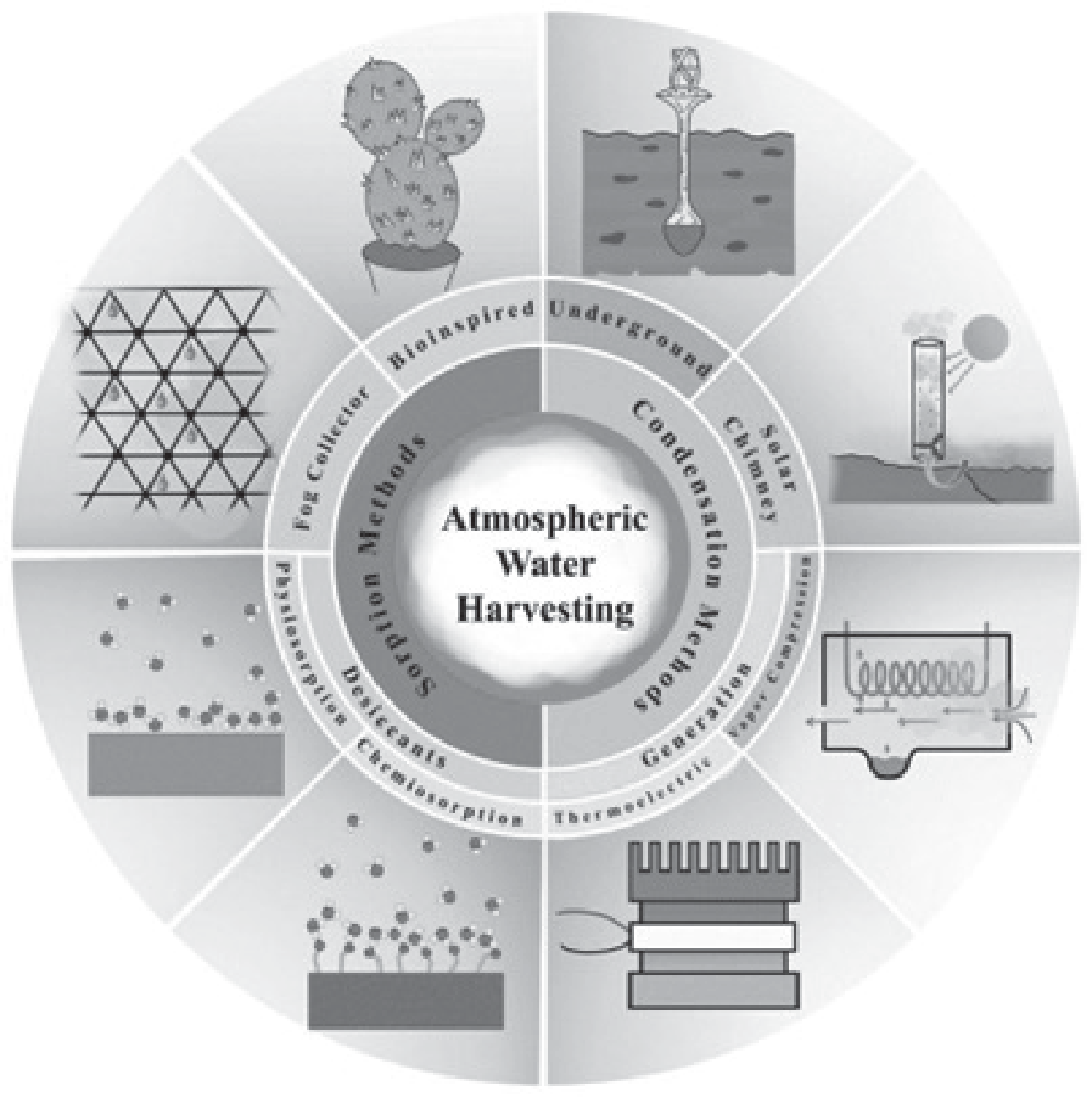
Numerous techniques for atmospheric water harvesting have been suggested, categorized mostly into condensation and sorption systems, as illustrated in Fig. 1 [32].
However, the water collection capacity of various air-cooling systems remains underutilized, resulting in power consumption to reach the necessary dew point temperature for atmospheric air-water condensation. The suggested technology focuses on cooling air below the dew point to gather water without excessive cooling or energy consumption. This novel concept allows air conditioning units to be used as water harvesting systems. This work presents a thermal solar-powered, comprehensive, and affordable water harvesting technology for remote regions. A thorough solar-powered ammonia-water absorption system model has been designed, validated, and tested. The proposed system has been modeled and analyzed in coastal, conventional, and desert environments. The proposed system aims to extract atmospheric water using clean, green energy economically. This research will be evaluated against current literature to demonstrate its unique integration of an air conditioner with a grid-independent thermal solar system to design and analyze an absorption atmospheric water harvesting system utilizing the Engineering Equation Solver. The main idea is to investigate the ammonia-water absorption cycle condensing atmospheric moisture based on dew point temperature. This research estimates their water-harvesting capacity using simulations in four different locations to help others evaluate comparable devices. This work promotes sustainable and environmentally friendly methods of managing water resources, providing a practical answer to water shortages in a changing global environment.
Material and Methods
The single-stage water harvesting system with NH3/H2O absorption system is an innovative technology that combines two vital concepts: water harvesting and absorption cooling. This system relies on the adsorption properties between ammonia and water to provide a sustainable and effective solution for extracting water from atmospheric air, especially in dry and remote desert areas. Moreover, as demonstrated by existing literature, renewable solar energy can be utilized to operate the absorption unit autonomously for 24 hours through solar collectors [33, 34].
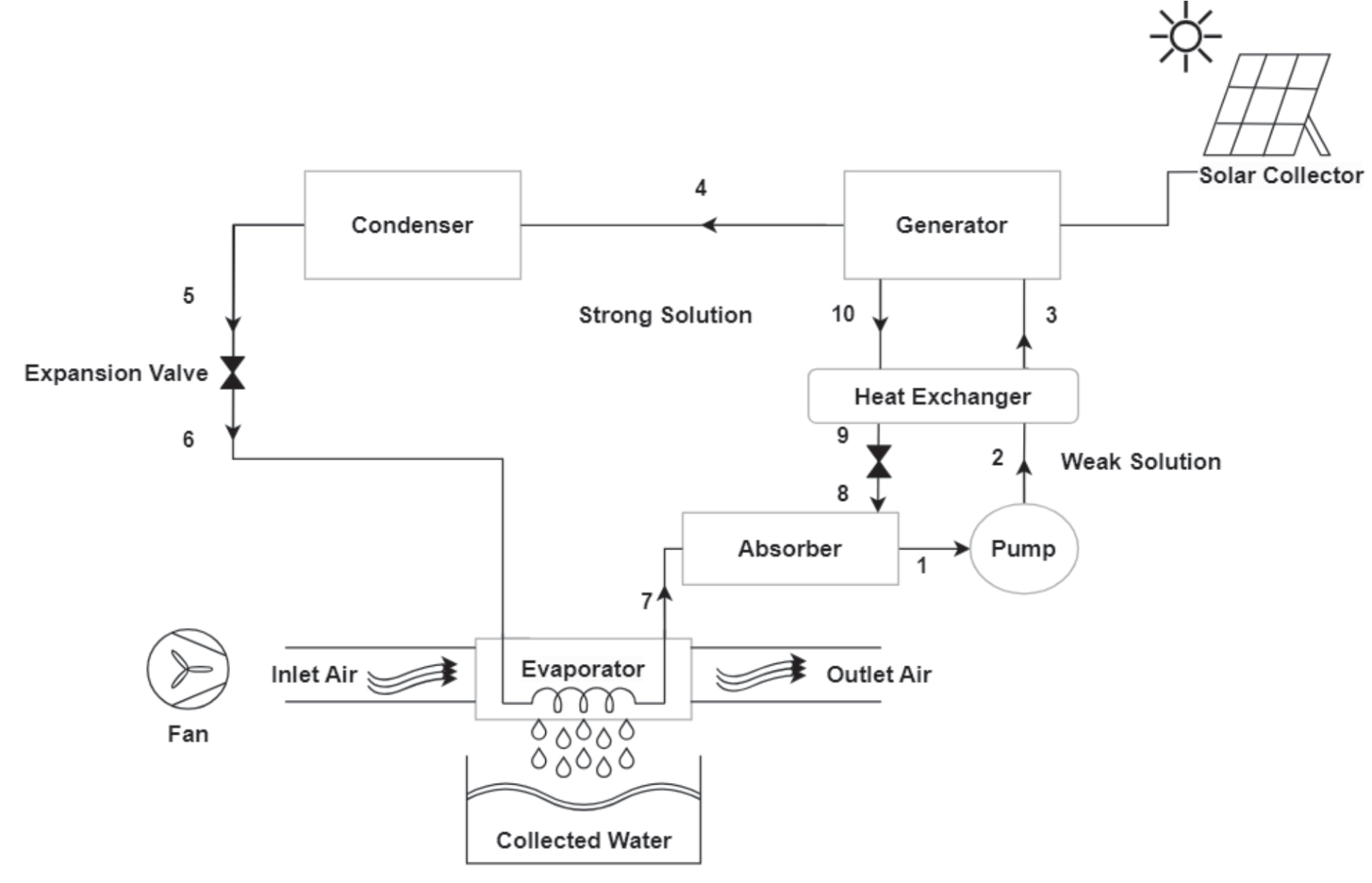
Fig. 2 shows a single-stage, single-effect NH3/H2O absorption chiller augmented with an atmospheric water harvesting (AWH) system. In this system, ammonia, with a recommended concentration of 25%, is used as the refrigerant, while water acts as the absorption medium. The process begins with the evaporation of a solution of ammonia and water in the generator when heated. Ammonia evaporates and is released as a gas, leaving water behind. The ammonia vapor is directed to the condenser, which condenses it into a cold liquid. The liquid passes through the expansion valve to the evaporator, where it evaporates again under low-pressure conditions, causing heat to be absorbed from the surrounding air and condensing the water vapor in it. This repeated evaporation and condensation causes water vapor in the air to condense on the surfaces of the evaporator, which is then collected as pure, usable water. At the same time, the remaining water in the generator is sent to the absorption, where the ammonia vapor coming from the evaporator is reabsorbed, starting the cycle all over again.
Fig. 2.
Schematic diagram of solar absorption cool cycle augmented atmospheric water harvesting system.
This system combines the ability to cool air and collect water, making it an ideal solution to address the challenges of water scarcity and provide effective cooling in areas experiencing harsh environmental conditions. In addition, sustainable energy sources such as solar energy will be used to heat the generator, which increases the efficiency and sustainability of the environmental system.
Thermal Analysis of a Single-Stage Ammonia/ Water Absorption Water Harvesting System
Fig. 2 depicts the system being studied, where water is used as the absorption medium and ammonia is used as the refrigerant. Upon heating, the generator initiates the evaporation of an ammonia and water solution, thus commencing the process. Water remains as a residue when ammonia vaporizes and is emitted as a gaseous substance. The condenser is where the gaseous ammonia undergoes condensation, transforming into a chilled liquid state. The liquid flows through the expansion valve and enters the evaporator, undergoing re-evaporation at low pressure. During this process, it absorbs heat from the surrounding air and leads to the condensation of water vapor. The water vapor in the air underwent condensation on the surfaces of the evaporator due to repeated cycles of evaporation and condensation. The resulting water that is collected is pure and has practical applications. At the same time, the remaining water in the generator is redirected towards absorption, where the ammonia vapor from the evaporator is reabsorbed, restarting the cycle.
This system integrates the ability to cool air and gather water, rendering it an ideal solution for tackling water scarcity challenges while simultaneously offering efficient cooling in inhospitable areas. In addition, solar energy will be utilized to heat the generator, enhancing the efficiency and sustainability of the environmental system.
Incorporating solar energy in this process significantly reduces dependence on conventional energy sources, resulting in a drop in greenhouse gas emissions and operational costs. This gadget was specifically designed for usage in remote locations where accessing a convenient and cost-effective energy source is challenging. Nevertheless, absorption refrigeration systems typically exhibit reduced noise levels and include fewer mechanical components than mechanical refrigeration systems [34]. As a result, they incur lower maintenance expenses and enjoy an extended operating lifespan. Integrating solar collectors and absorbers enhances energy efficiency and facilitates the development of sustainable and environmentally friendly cooling systems, especially in areas with high solar radiation levels. With the advancement of technology, the utilization of solar energy in conjunction with absorbers is expected to become increasingly prevalent, offering a practical answer for future cooling, heating, and water supply needs.
Table 1.
Recommended Average Day for Each Month (Kalogirou S., ref [35]).
| Month | Average nth Day of the Selected Month |
|---|---|
| June | 11 |
| July | 17 |
| August | 16 |
| September | 15 |
| October | 15 |
Model for Water Harvesting System
The water harvesting system is constructed based on a 5 kW cooling capacity absorption unit, which is operated by an autonomous solar thermal system. A mathematical model has been developed and simulated under steady-state airflow conditions for 24 hours of operation at the recommended average day of each month adopted in Table 1 by Soteris A. Kalogirou [35]. The harvested water per day from June to October was calculated and simulated using Engineering Equations Solver (EES) software based on hourly dry bulb temperature and relative humidity, taking air density (ρ) and the ambient atmospheric pressure (Pamb) to be
The quantity of water vapor in the atmosphere is governed by three primary factors: relative humidity, air temperature, and total atmospheric pressure. The air pressure is 101.325 kPa, and the correlations among these three parameters are illustrated in Fig. 3. Absolute humidity refers to the quantity of water vapor per unit air volume, whereas relative humidity (RH) is the ratio of absolute humidity at a specific temperature to the saturated humidity at that same temperature. The process of generating water from atmospheric humidity necessitates reduced energy consumption during periods of elevated humidity. The optimal climatic conditions for extracting water from the air are elevated temperatures and high humidity [36].
All cooling system approaches, except absorption AWH systems under investigation, necessitate electrical power for operation. The cooling source temperature must be below the system air’s dew point temperature to facilitate water vapor condensation. The system’s performance is assessed using two metrics: the water harvesting rate (WHR) and the unit power consumption (UPC), which are defined as follows. WHR denotes the mass of water generated per hour in kg/h, while UPC represents the power consumption per unit mass of water produced in kW h/kg. A higher Water Harvesting Ratio (WHR) and a lower Unit Power Consumption (UPC) are advantageous, as they indicate that greater quantities of water may be procured while necessitating reduced electricity consumption to generate the same volume of water [37]. The present study will adopt the WHR to compare the results obtained with the literature.
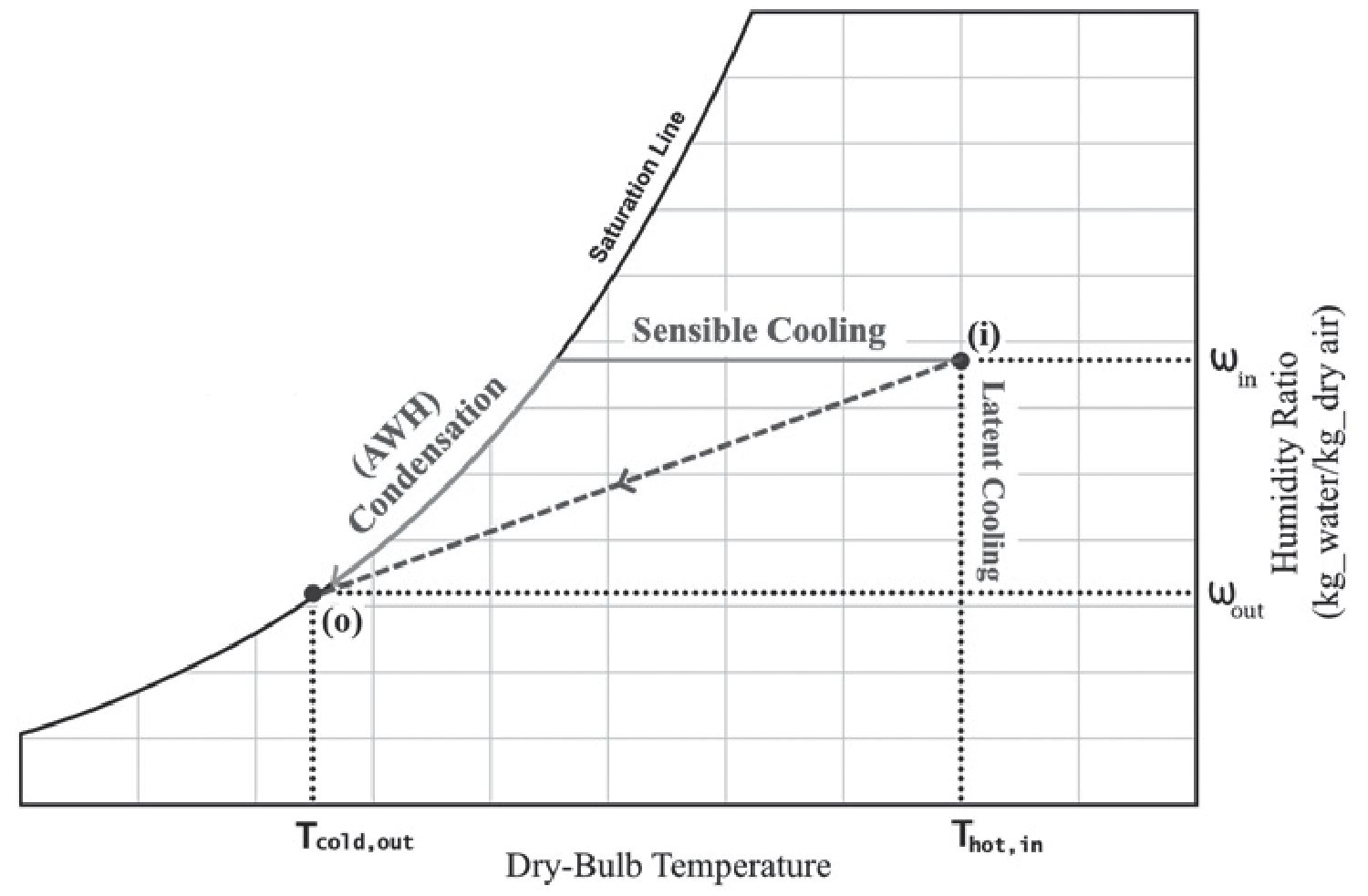
AWH is the cooling and dehumidification process of hot, humid air entering the evaporator of the absorption system, as illustrated in Fig. 4. Applying mass and energy balance through the evaporator of the system shown in Fig 2.
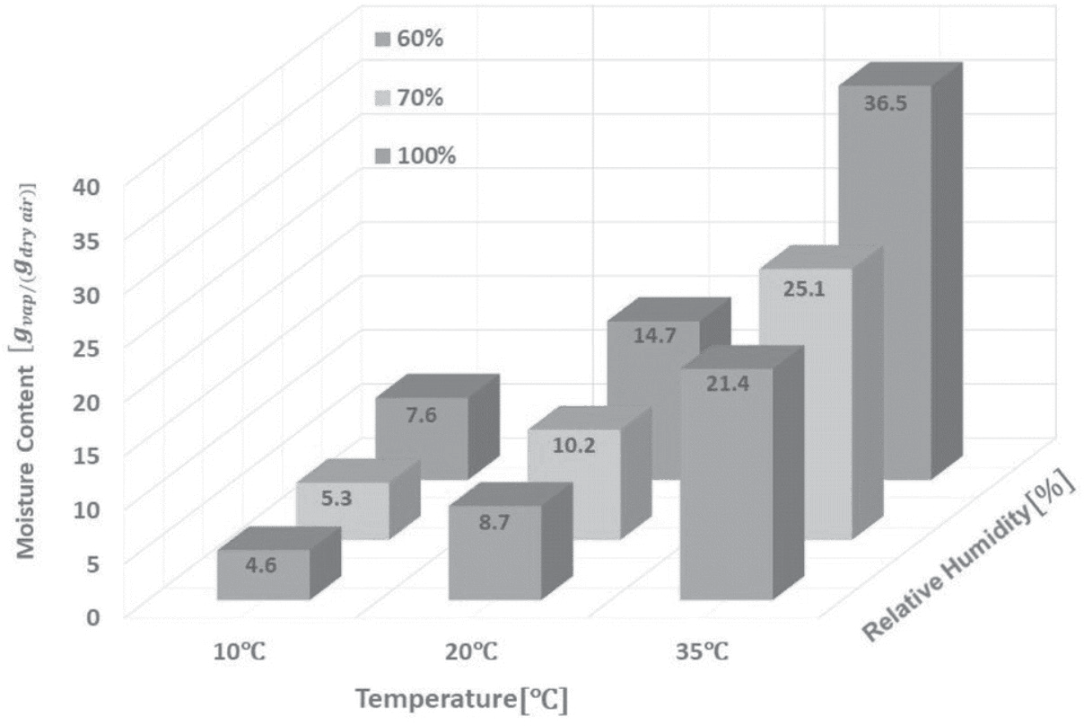
Fig. 4.
AWH-Dehumidification process through evaporator by cooling the air below the dew point temperature, causing condensation.
Where
The meteorological air-dry bulb temperatures (Tdry, in, ºC) and air relative humidities (RHin, %) for the selected locations were used in the EES program according to the following built codes:
Based on these air properties, the water starts to condense in the evaporator at its apparatus dew point temperature (Tdep, in, ºC) with an air humidity ratio of (ωin), which was calculated respectively according to the following EES codes:
After water condensation on the cooled evaporator surface, the air outlet relative humidity (RHout, %) and humidity ratio (ωout, %) may be related as [39]:
Where the temperature of the evaporator outlet air could be estimated as:
The difference between the incoming and outgoing temperatures on the evaporator coil:
The amount of atmospheric harvested water will be equal to the difference in humidity ratios between air entering and leaving the condensing unit (evaporator) per kg of dry air:
Model Validation
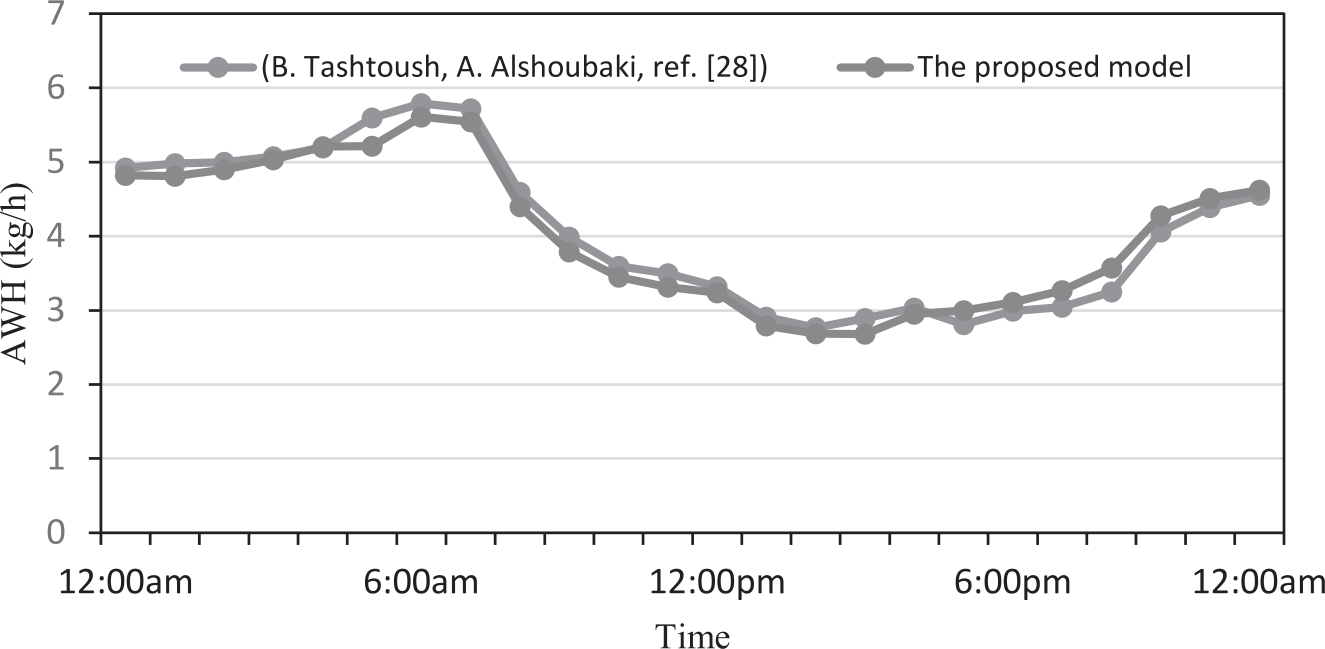
The current proposed model was developed and pushed to rely on a solar thermal system that provides the energy needed for the absorption unit to ensure continuous and valuable water harvesting. The proposed model was validated by employing the mathematical model of a split 1.5-ton air conditioner water harvesting unit, as adopted by B. Tashtoush and A. Alshoubaki [28], in order to confirm its validity and accuracy in achieving the harvest water function. The present model shows excellent accuracy, as shown in Fig. 5.
Results and Discussion
This research topic is of tremendous interest to the entire world since it aims to discover and create practical water harvesting technologies that can help alleviate water scarcity [39]. This simple mathematical model of an atmospheric air-water collection system was created and refined. To maximize the value of research and development, the model was tested in a variety of practical cases to assess its effectiveness under various conditions and gain a comprehensive understanding of how to improve performance and efficiency in collecting water from the air. This study provides a thorough examination of various remote locations.
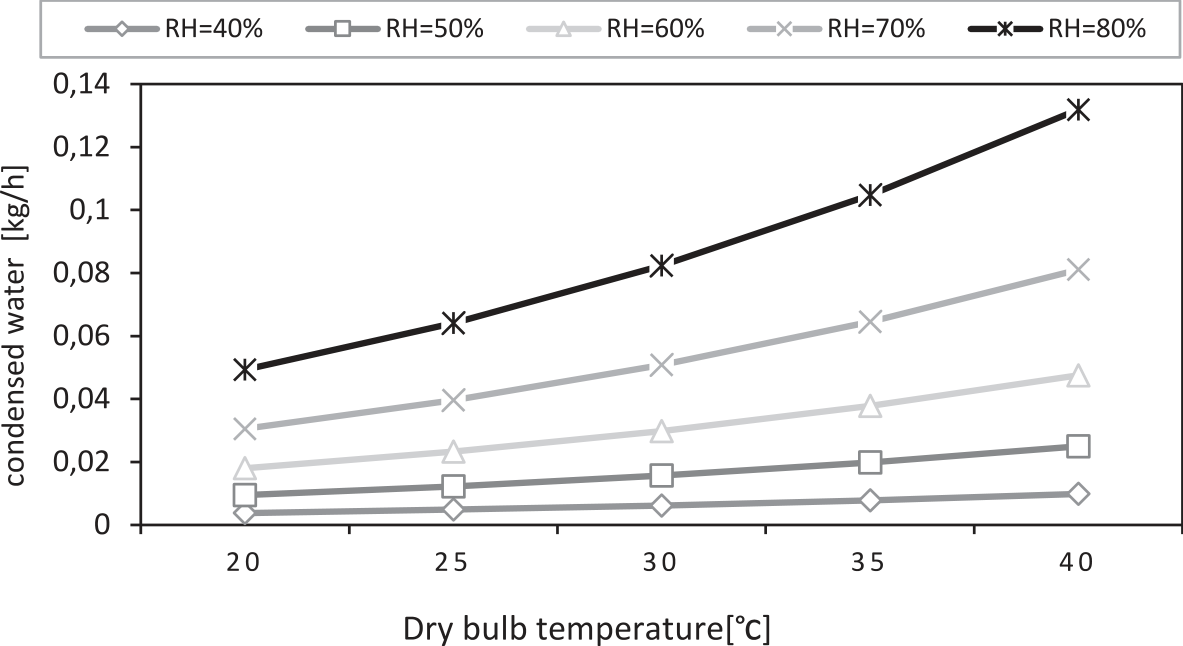
The study focused on examining the impact of varying relative humidity levels in the air by running the model using incoming air with consistent relative humidity values. Fig. 3 displays five relative humidity curves, each corresponding to a distinct value. To estimate the water harvesting rate of a 5-kW absorption unit, we used the values 40, 50, 60, 70, and 80 percent RH. The supply state was intended to have a relative humidity of 85%, and the outlet temperature is 3oC below the dew point as adopted by Lawrence Mark G [39]. Fig. 6. presents the variation of water condensation rate with dry bulb temperature for different relative humidities. The influence of relative humidity on the volume of condensate water is evidently more pronounced than that of dry bulb temperature, as shown in Fig. 7. Referring to Fig. 2, the selected areas used in this study show a good production rate even though the temperature and RH were not very high compared to other remote areas. This fact encourages the adoption of absorption techniques in AWH.
Fig. 6 shows how air humidity raises the cooling coil outlet temperature. This effect is stronger at higher ambient temperatures. The cooling coil outlet temperature will be roughly 20ºC if the ambient air temperature is 35ºC with 50% relative humidity. Thus, there is no need to cool the air to a very low temperature, which would take a long time to condense the humidity as it passes over the cooling coils.
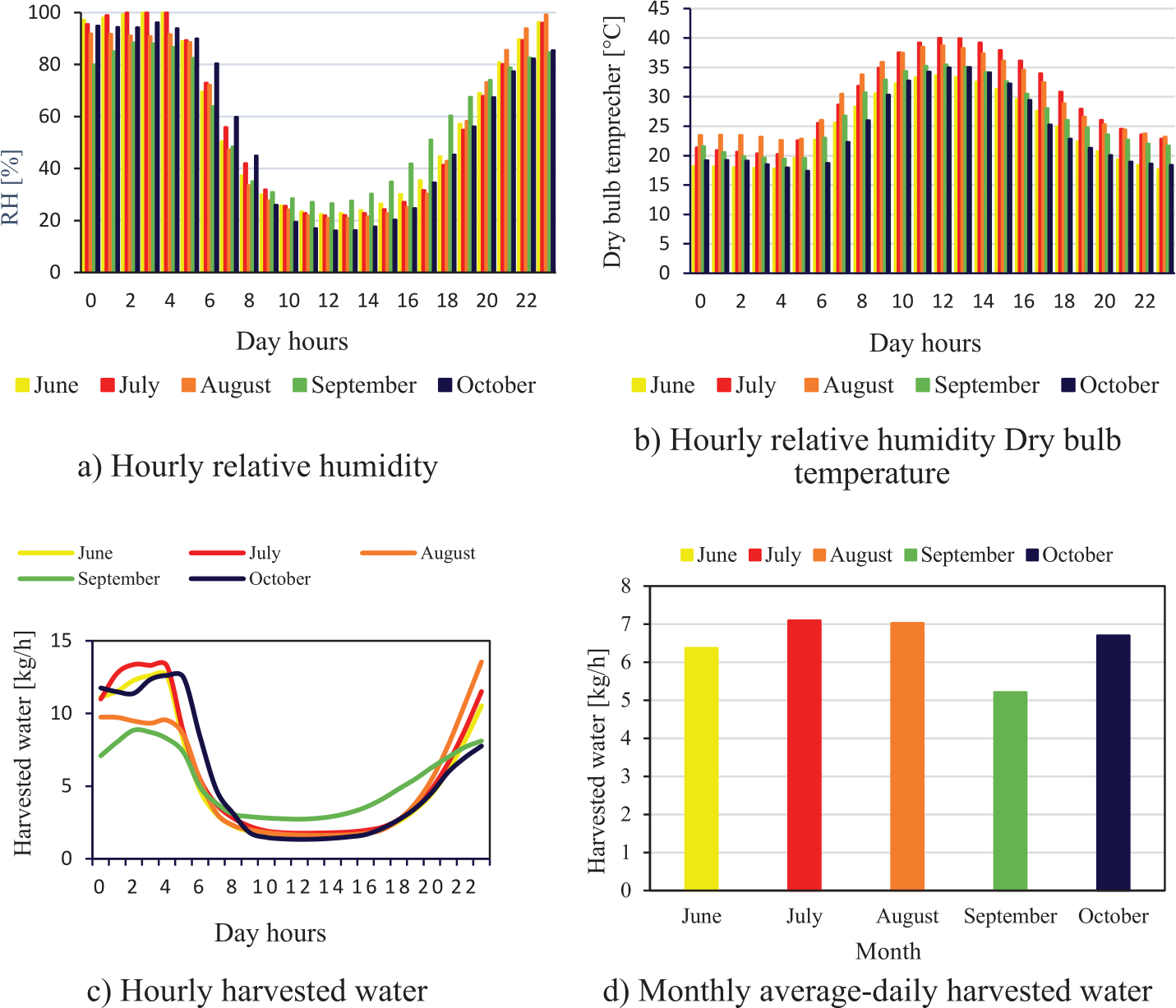
Based on the measured meteorological data (dry-bulb temperature and RH) for the selected coastal region Coastal region (Aqaba: 32.5514°N, 35.85°E) (Aqaba: 32.5514°N, 35.85°E), the hourly condensate rate was displayed during the average day of June through October, as shown in Fig. 8. The harvested water rate was seen to be elevated during the night and early morning due to increased air relative humidity levels. The highest atmospheric water rate collected was achieved between 2 and 6 am. The rate of condensate began to decrease to reach its minimum value between 10 am and 4 pm due to the increased dry bulb temperature, after which the amount of harvested water started to rise. The highest hourly water collected was found to be around 13.5 kg/h and occurs at 4 am in July. The monthly average collected water was found to be 140 kg/h, the maximum compared to other months under investigation.
Fig. 7.
Variation of design air outlet from evaporator with dry bulb temperature for different relative humidities.
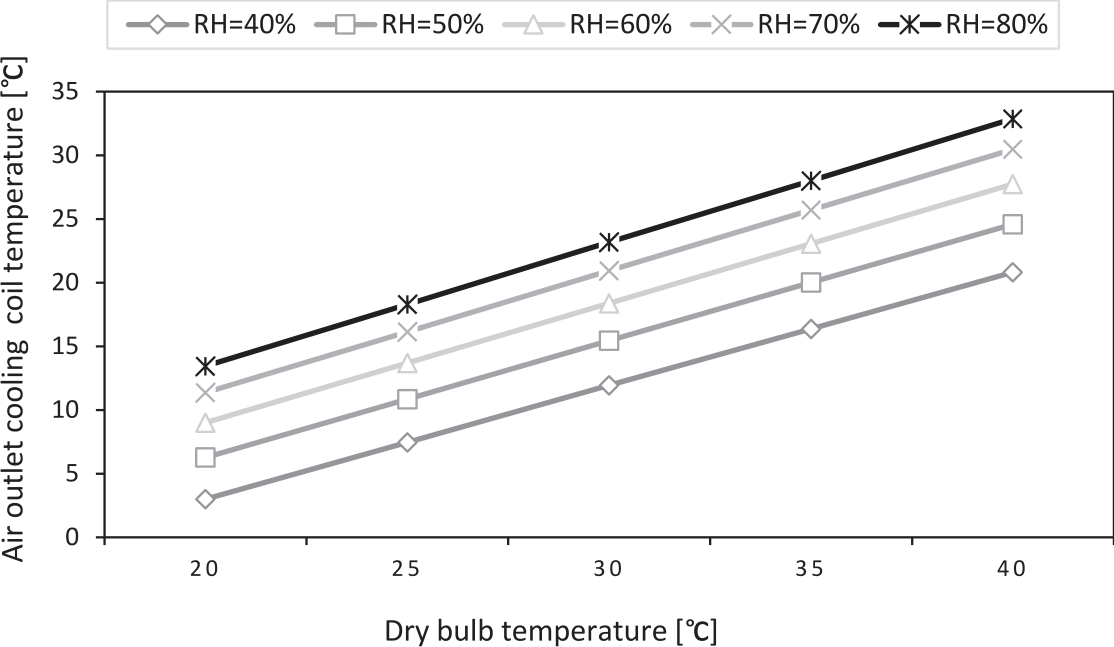
Fig. 8.
Variation of RH, dry bulb temperature, and amount of harvested water with the time at average days of June-October 2023 at coastal region (Aqaba).
For a typical northern city (Irbid), the maximum value reaches 9.23 kg/h simultaneously (4 am), with a maximum monthly average daily collected value of 88.2 kg/h in August, as predicted from Fig. 9. For the lowest land-based elevation on Earth (Dead Sea: 31.559°N, 35.4732°E), Fig. 10 shows that the maximum hourly collected water was found to be around 10 kg/h in October, the month with the highest relative humidity, especially in the morning hours, with a monthly average collected water of 125.2 kg/h. Desert regions also show different behaviors when gathering water from the atmosphere. Fig. 11 shows that the highest hourly water collected was around 8.4 kg/h and occurred at 6 am in September with a monthly average collected water of 76 kg/h, the lowest value compared to other months under investigation.
Fig. 9.
Variation of RH, dry bulb temperature, and amount of harvested water with time at average days of June-October 2023 at a typical north city (Irbid: 29.5267°N, 35.0078°E).
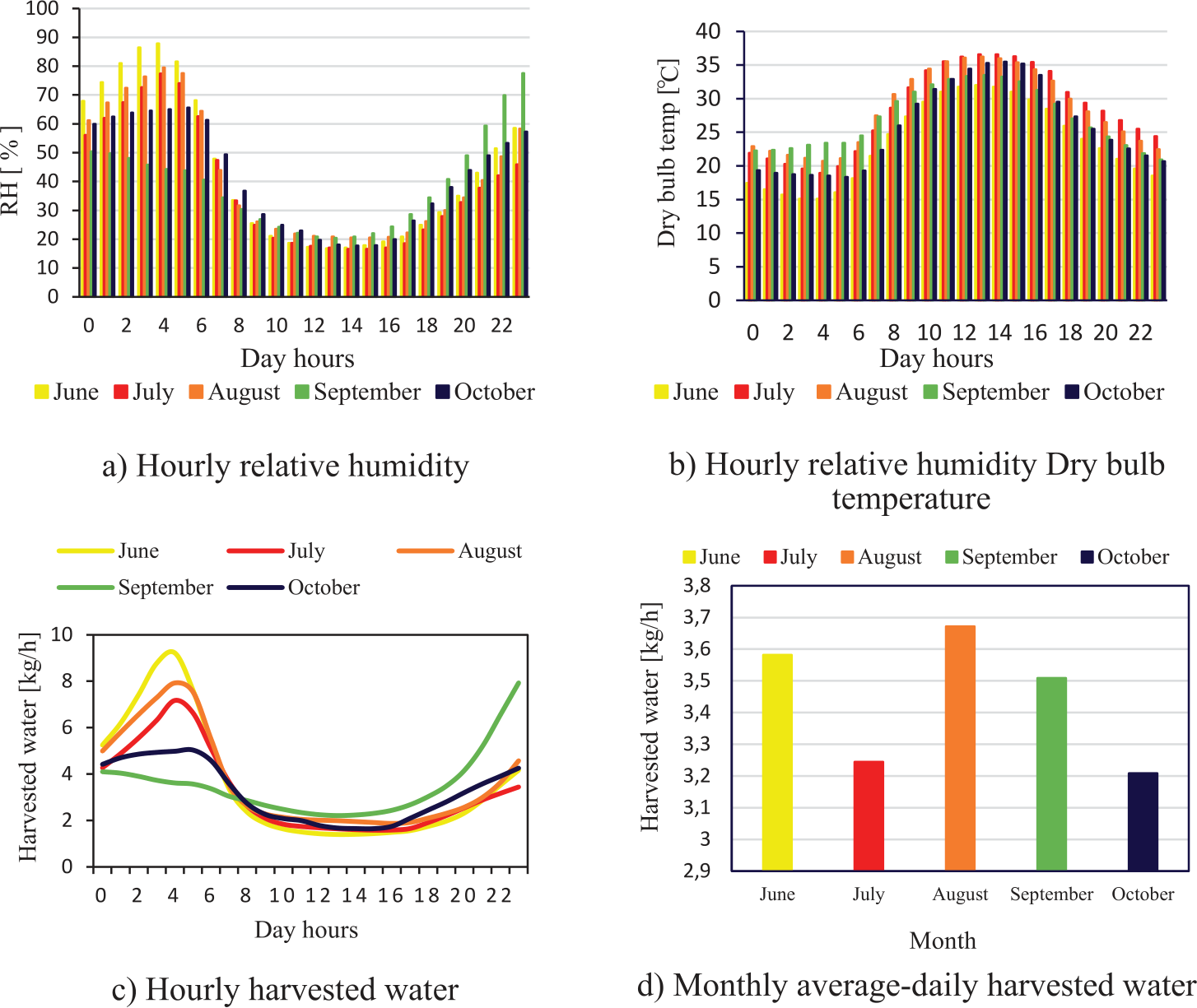
Fig. 10.
Variation of RH, dry bulb temperature, amount of harvested water with time at average days of June-October 2023 at the lowest land-based elevation on earth (Dead Sea: 31.559°N, 35.4732°E).
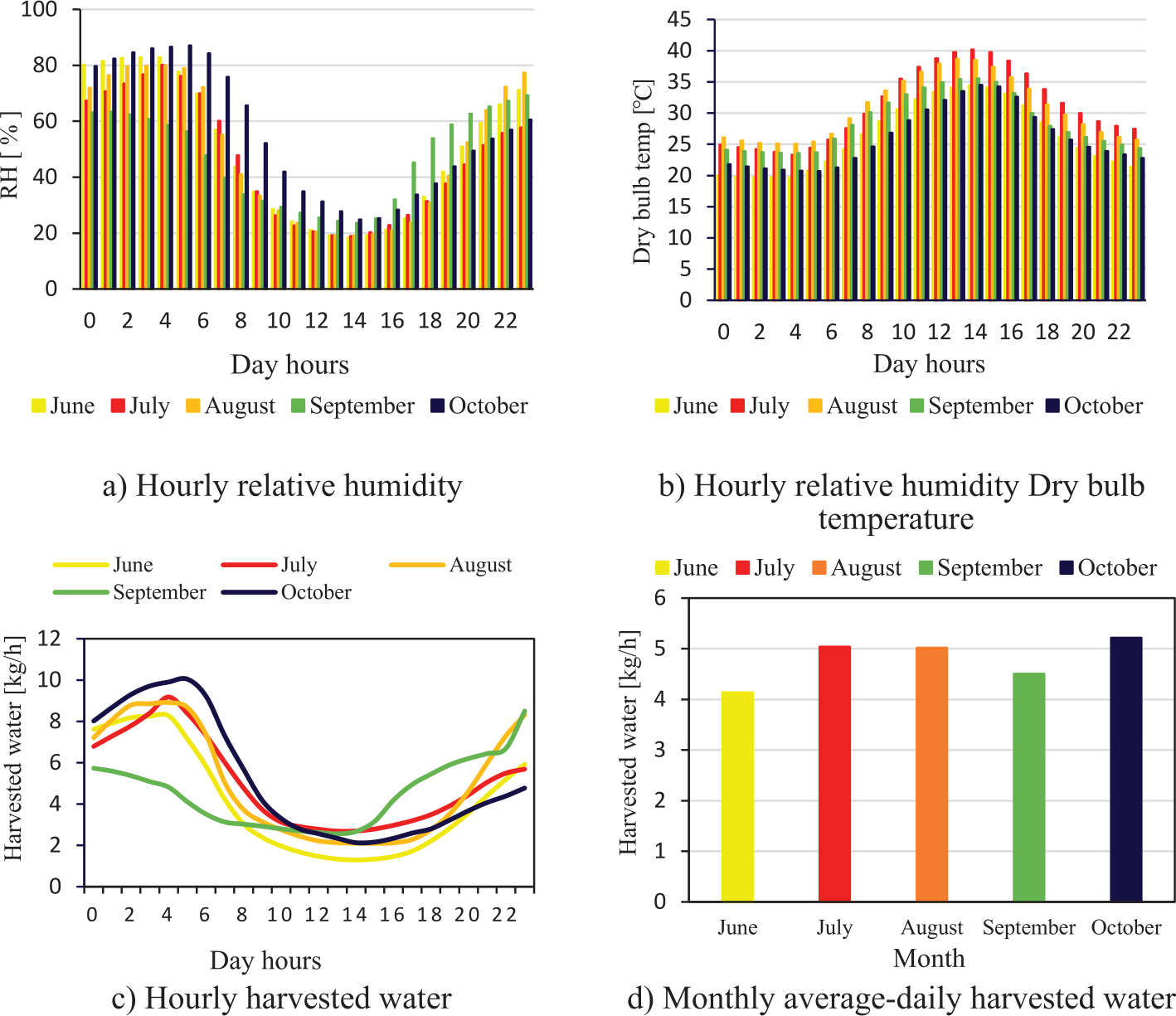
Fig. 11.
Variation of RH, dry bulb temperature, and amount of harvested water with time at average days of June-October 2023 at a desert region (Ruwaished: 32.5013°N, 38.2033°E).
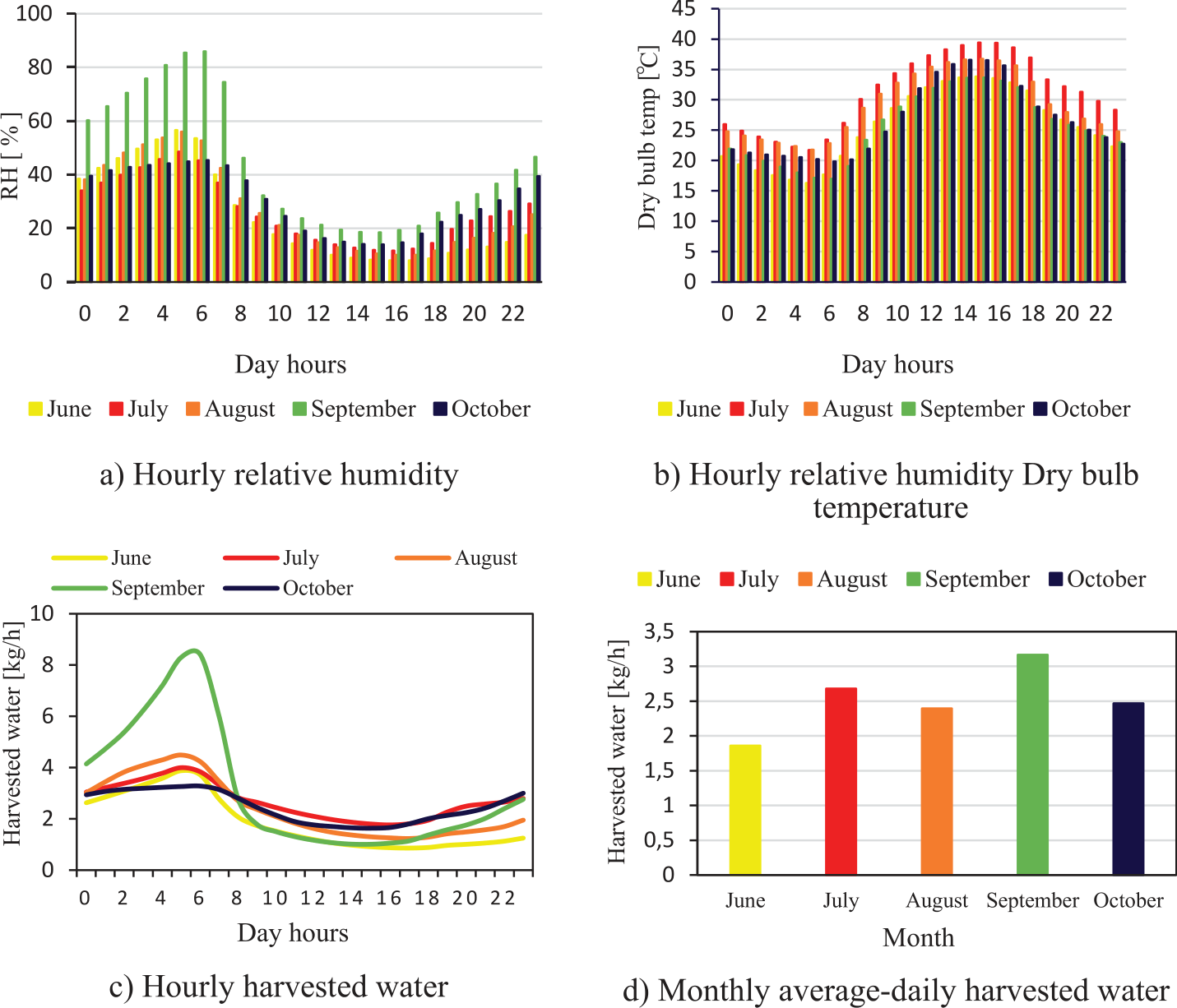
Fig. 12 presents the variation of harvested water with time on average days of June-October 2023 for different regions under investigation. The results presented show that the maximum collected water was found at the hours of maximum RH levels throughout the day, which was from 11 pm to 6 am. The system shows its largest water harvesting in the coastal region (Aqaba), especially in July, where the hourly value exceeds 13 kg/h around 2 am and the monthly average daily total value is 140 kg/day. On the other hand, the desert region (Ruwaished) gives the lowest amount of atmospheric water harvesting since the hourly value does not exceed 8.4 kg/h and the monthly average daily maximum total value is 76 kg/day. At the Dead Sea, the hourly and monthly average values reach 10.04 kg/h and 125.2 kg/day, respectively. Finally, in Irbid, the maximum hourly collection was 9.22 kg/h at 6 am in June, with a monthly average of 88 kg/day.
Fig. 13 displays the cumulative amount of water collected on a daily basis from June to October. As anticipated, the coastal region (Aqaba) has the maximum amount of atmospheric water collected because of its high temperature and the highest relative humidity levels. Conversely, the desert region (Ruwaished) has the lowest values of atmospheric water collected in all months due to the reported low relative humidity levels. The maximum recorded figure was 76 kg/day, observed in September, representing the lowest value among all the regions investigated.
The proposed model’s outcomes were compared with those reported by Tashtoush and Alshoubaki (ref. [28]) in the Dead Sea region since their investigation was conducted in the identical locale utilizing a 1.5-ton split-unit air conditioner. The coastal area (Aqaba) and then the Dead Sea were found to be the most suitable areas for water harvesting because they enjoy a high-temperature climate and high relative humidities, the main parameters for atmospheric water harvesting.
Fig. 14 shows the total water harvest for the proposed model, which was done by Tashtoush and Alshoubaki (ref. [28]) in the Dead Sea region from June to October. While the two models show the same trend in AWH for different months of investigation, the proposed model shows considerable enhancement in gathering water from the atmosphere with lower energy consumption. The proposed model recorded its highest collected AWH value of 3600 kg/day in July, while it was 3200 kg/day for ref. [28] with a 12.5% increase.
Fig. 12.
Amount of harvested water with time at average days of June-October 2023 for different regions.
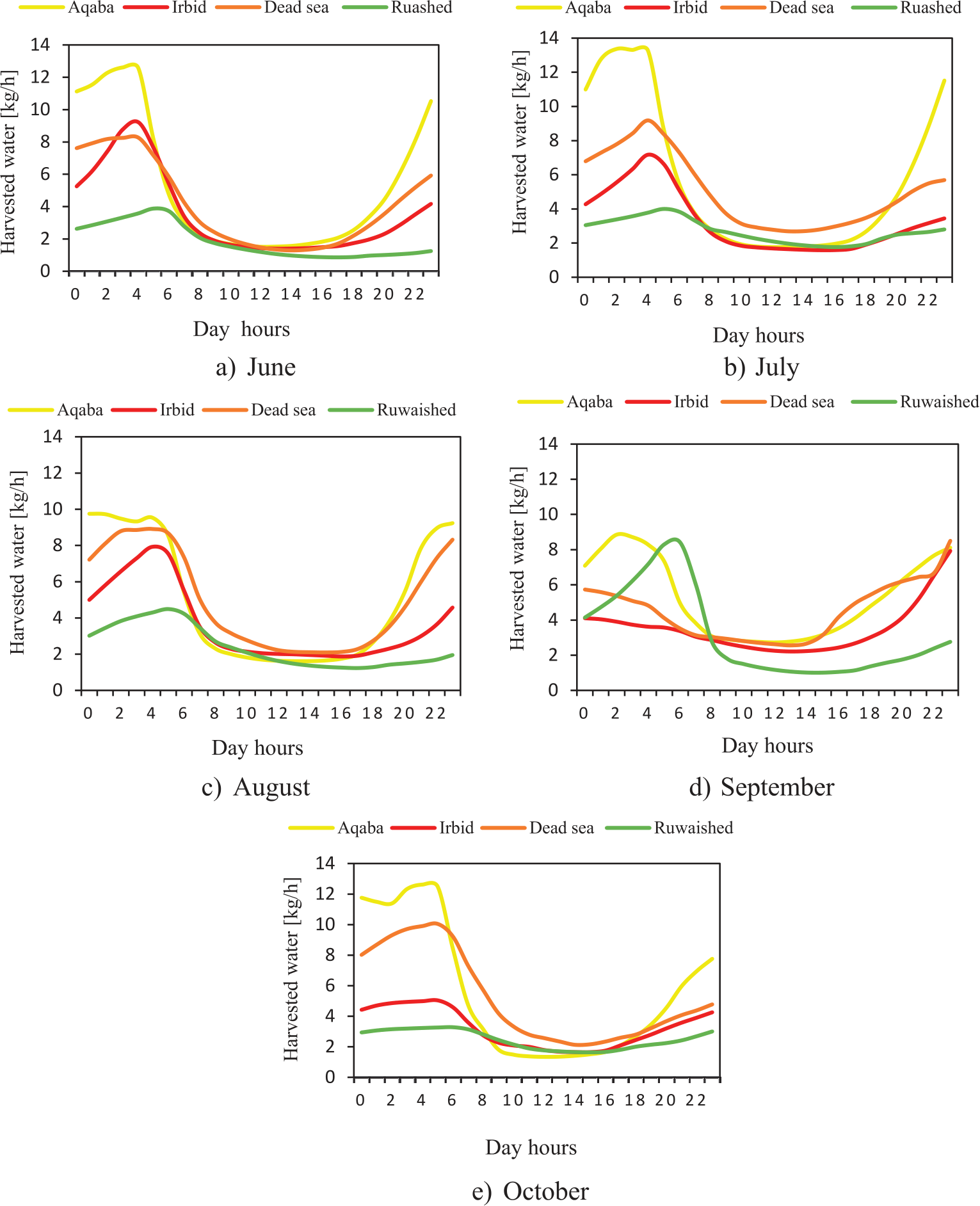
Fig. 13.
Average daily rate of atmospheric water collected for the studied regions during June-October 2023.
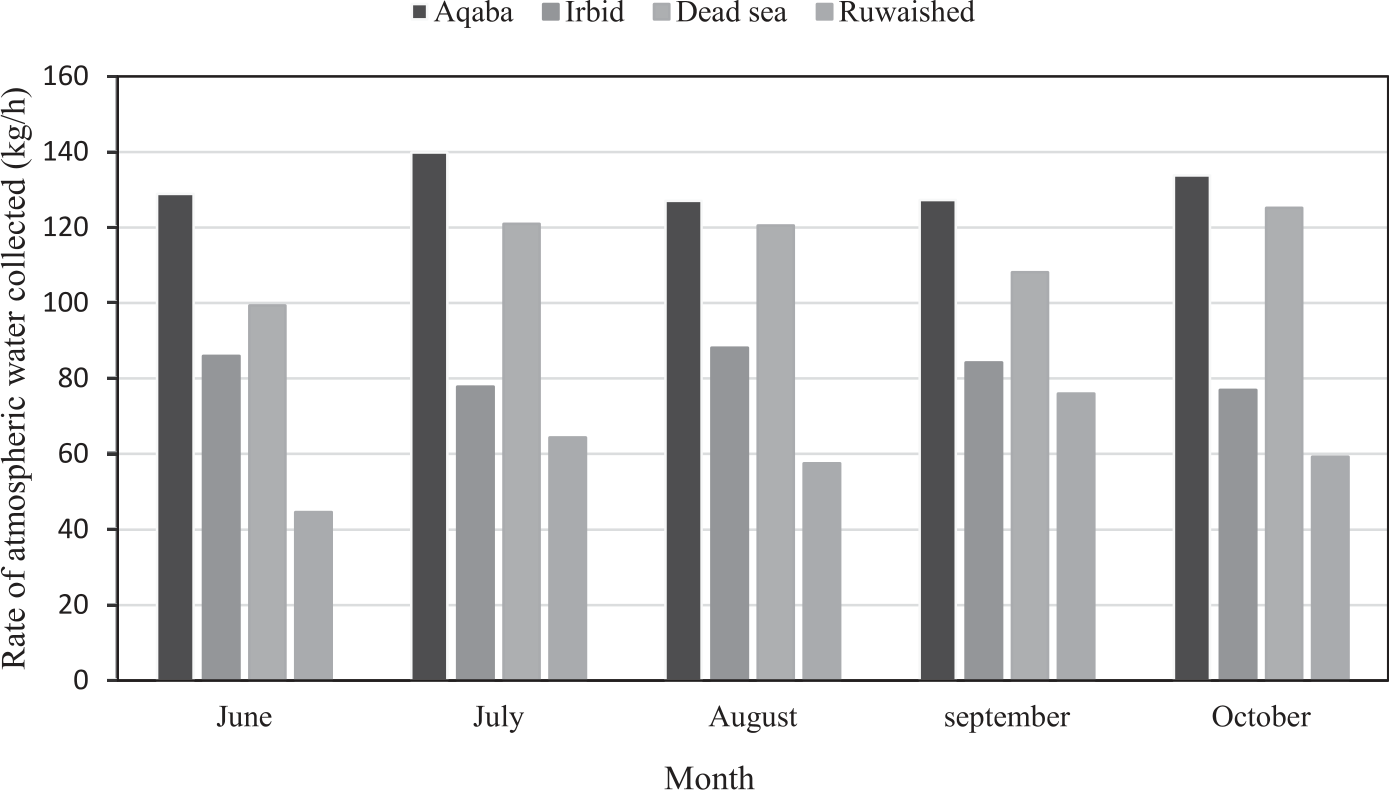
Fig. 14.
Comparison of total daily atmospheric water collected for the studied regions during June-October 2023 as compared to (B. Tashtoush, A. Alshoubaki, ref. [28]).
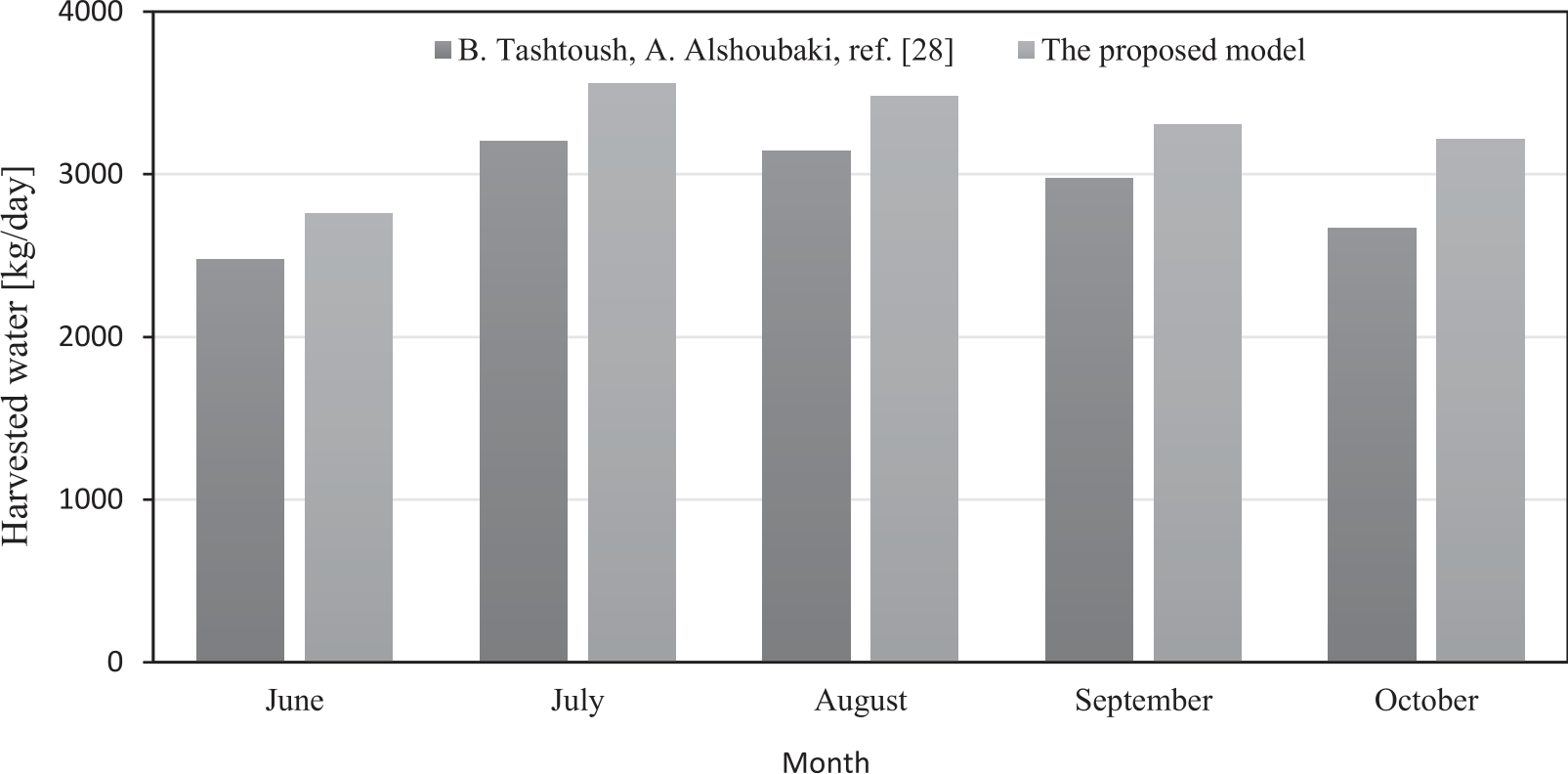
Table 2.
AWH production rate as compared to other published works.
Solar energy is widely used in various contexts, particularly in areas with high sun irradiation. Researchers investigated solar-powered sorption apparatuses, solar vapor compression refrigeration, solar glass desiccant boxes, nano sorbent, porous hydrogels, metal-organic frameworks (MOF), solar stills, etc. technologies to enhance their water production efficiency [21, 40-46]. The principal disadvantages of vapor compression AWH devices are their elevated power consumption and ineffectiveness in environments with low RH and temperatures. Other technologies also face the same problem besides the low amount of produced water per kilogram or area of substance used to collect water and the restriction of these technologies to small-scale applications. In contrast, the absorption-based AWH is an alternative technique of AWH that has recently garnered scholarly interest since it depends on thermal energy only and could be designed and conducted for large-scale applications with a high capacity of AWH per unit power consumed. This approach utilizes the ammonia-water absorption cycle to capture and condense water vapor from humid air [11]. The proposed model shows excellent results compared to other models with different solar-based technologies, as presented in Table 2.
The literature presented in Table 2 indicates that among all AWH methods, vapor compression cooling (VCC) technologies yield a greater volume of water, producing 103.3 L/day compared to other technologies. Condensation technology can function constantly, producing relatively high waste heat recovery rates. To surmount the latent heat of water (2450 kJ/kg at typical settings of 1 bar and 20ºC), a substantial quantity of energy is expended while cooling, elevating the cost of the procured water. Furthermore, these approaches are effective in high relative humidity and are unsuitable for arid regions. As the relative humidity of the air diminishes, the dew point temperature correspondingly declines, resulting in an increased temperature differential between the environment and the dew point. Consequently, the condenser must exert greater effort to cool the air laden with water vapor, leading to heightened energy consumption. This renders these technologies economically unfeasible for application in arid and semi-arid locations. Conversely, the vapor absorption technologies of the proposed inquiry model provide superior water production (140 L/day) and are not constrained by geographical or meteorological factors. Due to their hydrophilicity, these devices inherently capture atmospheric water vapor. The primary benefit of these systems is to elevate pressure by utilizing thermal energy at low temperatures to substitute for the mechanical labor of the compressor. This benefit enables absorption systems to function utilizing inexpensive and clean renewable energy sources, such as solar energy, rather than electricity. Absorption-based systems are distinguished by their capacity to generate water at low relative humidity, surpassing other approaches.
Other large models using solar-powered split-unit air conditioners collect a maximum of 103 kg/day of water from humid air per day, while the proposed model reaches 140 kg/day under the same operating and climatic conditions.
Conclusion
Extracting water from the atmosphere is a viable method for generating fresh water, especially beneficial for regions with limited access to potable water. Although numerous strategies have been researched and employed for atmospheric water collection, their water harvesting rates are constrained and minimal, in addition to requiring substantial energy consumption.
A simple 5 kW single-stage ammonia-water solar-powered absorption atmospheric water harvesting system has been constructed. It was simulated for various remote locations using solar power for diverse remote locations. A mathematical model is formulated and executed with EES software, focusing on optimizing atmospheric water harvesting. Using existing literature to guarantee optimal result accuracy, the proposed water collection system was corroborated. The proposed system was simulated in four distinct regions within the Middle East climate (Jordan) utilizing hourly meteorological data. The analyzed data indicates a promising yield of condensed water, ranging from an average minimum of 76 kg/day at Ruwaished to an average maximum of 140 kg/day under coastal (Aqaba) climate conditions. Using an absorption cooling cycle enhances water harvesting compared to alternative cooling methods. The monthly maximum quantities of gathered water were 4125 kg for coastal regions, 3556.16 kg for the Dead Sea, 3059 kg for northern cities, and 1914 kg for desert regions.
This study unequivocally proved the superiority of absorption refrigeration systems in recovering substantial amounts of water from the atmosphere at reduced operational costs. Notwithstanding the substantial initial expenditure of the system, it is the superior option among all those referenced, particularly due to its compatibility with renewable energy sources.

