

Introduction
Wetlands are ecologically significant ecosystems because of their designation as the “earth’s kidney” [1]. Wetlands provide a habitat for 40 percent of the world’s living organisms, despite covering only 3 percent of the plan-et’s surface area [2]. Wetlands provide living materials for human life and play an ecological [3], economic [4], and social function by controlling soil erosion, purifying air, stabilizing coastlines, and regulating temperature and humidity. Wetlands are essential to maintaining the global ecosystem, improving water quality, reducing floods, and managing carbon [5]. Wetlands serve an economic purpose by providing humans with abundant animal and plant products, life-sustaining water for industry, agriculture, and cities, and even minerals for human resources [6]. The social function of wetlands is exemplified by the fact that they provide places for recreation, research, education, entertainment, tourism functions, and landscape value [7]. Globally, wetland ecosystems have suffered se-vere damage, and nearly half of the earth’s wetlands have been lost since 1900 due to irrational human exploitation and use [8]. Restoring wetlands can reverse some degradation, but much damage is irreversible [2]. The continuous reduction of wetlands can lead to water resource depletion, a decline in the climate regulation function of wetlands, affect the security of water supply, reduce the flood storage and prevention capacity of riverbanks, increase the risk of water and flood disasters, destroy wildlife habitats, put species in an endangered situation, and aggravate soil erosion and desertification [9].
China’s wetland area is 56,349,300 hectares, occupy-ing 4% of the global wetland area, and the wetland rate is 5.39% [10]. China attaches particular importance to wetland conservation and is the first country in the world to have completed three nationwide surveys of wetland resources and classified wetlands as a Class I land cate-gory [11]. In 2022, China’s first law explicitly addressing wetland ecosystems was enacted to protect wetland ecosystems. China’s wetland rate is below the global aver-age of 8.6%, and the wetland area per capita is only 1/5 of the world’s per capita [12]. With the rapid development of China’s economy, wetland resources have been further exploited, and environmental pollution, reclamation, illicit hunting, overfishing, the invasion of non-na-tive species, and human activities have further degraded wetland ecosystems. People are increasingly conscious of the grave effects of wetland degradation and loss [13]. In terms of wetland conservation, there is legislation and many aspects that need to be followed up. For example, there are many problems in wetland management in China, such as the need for specialized wetland management agencies, single monitoring, and a lack of coordination agencies [14]. As a result, this paper examines the current state of China’s wetland resources as well as the historical development and recent advances in wetland law, investi-gates the reality of wetland protection in China, examines the common issues with wetland management in China concerning the actual situation of wetland management in Poyang Lake, and offers recommendations for improving the situation.
Experimental
Status Quo of Wetlands in China
China’s wetlands cover 31 species of naturally oc-curring marshes and nine artificial swamps classified under the Wetlands Convention [15]. They are enormous in size, diverse in nature, and widely dispersed, ranging from cold-temperate to tropical, from plains to highland ranges. Wetland resources are primarily distributed in the lower reaches of the Yellow River and Haihe River, the middle and lower reaches of the Yangtze River and Huai-he River, the northeastern plains and mountains, the Yunnan-Guizhou Plateau region, etc. Fig.1 depicts the regional distribution of wetlands, with more swamps in the northeast and more lake wetlands in the middle and lower portions of the Yangtze River and the Qinghai-Tibet Plateau. There are fewer wetlands in the west and more in the east. In addition, Chinese wetland ecosystems are home to abundant biological species. China has 23,469,300 hectares of wetlands, according to the third national land survey report. The report uses the concept of the natural wetland, which is defined as “an area where land and water meet, where the water level is near or at the surface, or where a shallow layer of water accumulates in a natural state.” The specific types and area statistics are shown in the Fig. 2 and Table 1, and it can be seen that swampy grasslands account for the largest proportion of the natural wetland area, accounting for 47.48%, followed by inland mudflats at 25.08%.
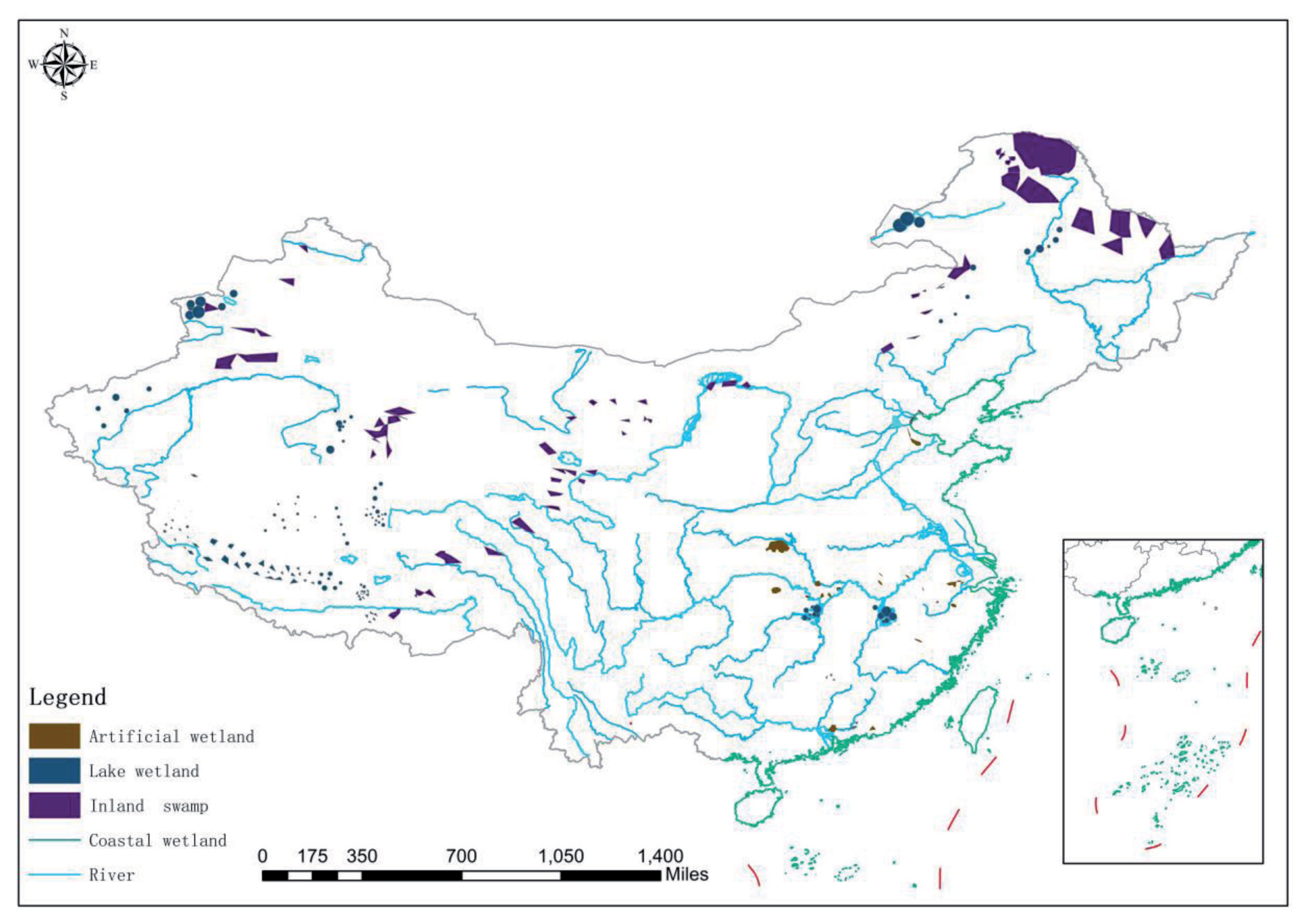
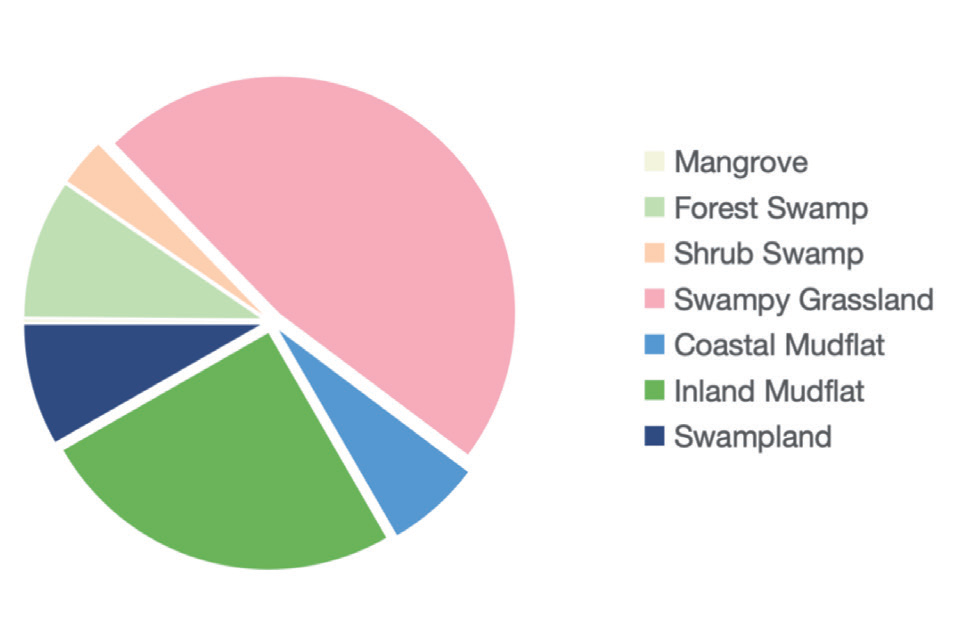
Table 1.
China wetlands type area statistics.
Compared to the second national land survey findings, the wetland area expanded by 443,800 hectares, or 0.83 percent. The analysis performed by individual provinces on the second and third national land surveys reveals that the difference between the two surveys in Gansu Province is substantial and that the wetland area has decreased significantly not only as a result of climate change and the intensification of human activity but also because there are objectively different criteria for identifying wetlands between the second national land survey and the third national land survey. Further, the scale of the survey objects differs in the criteria for determining wetlands, the mag-nitude of the survey objects, and differences in the period and period of remote sensing data [17].
The three national land survey reports highlight the following changes in China’s wetland resources: (1) China’s wetland area decreased by 3,396,300 hectares during the second national land survey, representing a reduction of 8.82% compared to the first national land survey. This resulted in a significant decrease in wetland resources and a decline in wetland function. (2) The wetlands area slightly increased in the third national land survey compared to the second national land survey, which is likely because the third national land survey’s minimum survey area was 600 m2. In contrast, the second national land survey’s minimum survey area was 8 hm2 [18]. (3) The area of wetlands that are protected has grown. The protected wetland area has grown by 5,259,400 ha since the second national land survey. The percentage of protected wetlands climbed to 43.51% [19]. (4) The size of artificial wetlands has grown annually [20]. In the Yellow River Basin, the area of natural wetlands has dropped by 16% over the past 30 years, with decreases in lake wetlands, marsh wetlands, and estuarine mudflat wetlands of 25%, 21%, and 40% [21], respectively. Additionally, just 19 wetlands expanded during this time [22], while the general area of the 50 wetlands in the Ramsar Convention decreased by 36.2%. Even though China has always placed a high priority on wetland conservation and implemented policies and legislation to safeguard wetlands, the quantity of natural wetlands is still declining, and the causes of this merit our attention.
Additionally, varying interpretations of the wetland definition also impact divergent data outcomes. The Wetland Conservation Law, which was implemented in 2022, broadened the scope of wetlands mentioned in the survey report to encompass constructed wetlands. Wetlands refer to natural or artificial, perennial or seasonal water-log-ging zones and water areas with notable ecological functions, including sea areas with a water depth of not more than six meters at low tide, but excluding paddy fields, artificial water areas, and tidal flats used for aquaculture. In accordance with this law, China has issued the National Wetland Protection Plan (2020-2030). The wetland area in China is about 56,349,300 hectares, according to this plan. The statistical objects encompass not only natural wetlands, but also reservoir water surfaces, pit water surfaces (excluding aquaculture water surfaces), and ditches.
Historical Development of Chinese Wetland Law and Recent Developments
Historical Development of Wetland Law in China
The observation and evaluation of wetland protection and development in China should be combined with the process of wetland legislation in China. There are three stages to China’s wetland conservation laws. The first stage covered the years 1978 to 1991, when wetlands were not mentioned in the law, and neither wetlands nor wetland ecosystems were officially protected as objects under environmental protection law. Most legal provisions on wetland conservation are found in legislation related to some of the elements that make up wetlands. For instance, Forestry Law 1984, Grassland Law 1985, Land Management Law 1986, Fisheries Law 1986, Soil and Water Conservation Law 1991, and a series of more specific administrative regulations protect against a single element or link in a wetland ecosystem, such as land, water resources, wildlife, and plant resources. Although the protection of wetlands as a whole is lacking, the protection of related elements has also resulted in the protection of some wetland areas to some extent. However, wetland was not included as an independent land class in China’s land use classification system for this stage, but rather concealed within other categories such as unused land, which was one of the policy reasons contributing to the development and destruction of wetlands [23]. The failure to protect wetlands as a whole from the holistic perspective of the ecosystem, coupled with the primary goal of this stage to ensure people’s production and life, economic development, and agriculture-oriented industrial structure, led to accidental overuse of wetlands.
The second stage covered the years 1992 to 2020, during which wetland protection legislation has devel-oped consistently. China acceded to the Ramsar Convention in 1992, and after 2003, various regions implemented wetland protection regulations. The earliest local legislation dates back to 2003. Since then, 28 provinces (autonomous territories and municipalities directly under the Central Government) have implemented wetland protection regulations in their respective administrative regions (Table 2). Local wetland legislation provides the legal basis for wetland protection in administrative areas and plays a significant role in wetland protection.
It should be noted that although China’s wetland legislation has made significant strides during this period, it still needs a national law explicitly addressing wetlands and wetland ecosystems. Therefore, the third phase of China’s wetland conservation legislation is of historical importance. The third phase spans the years 2021 to the present. The Standing Committee of the People’s Con-gress ratified the Wetland Conservation Law of the People’s Republic of China on December 24, 2021, which was implemented on June 1, 2022. This is the first law in China to target wetland areas specifically. China has not enacted wetland legislation at the national level for a very long time, making it impossible to investigate and manage cases of wetland damage. In China’s wetland management, the formulation of national legislation on wetland ecosystems is viewed by a large number of Chinese academics as an imperative necessity. In addition to the WCL, China also initiates relevant legislation like the Law on Protected Natural Areas and the Law on National Parks in 2021 and 2022, which will have a significant impact on the standardization of wetland protection in the form of ecosystems and ecological regions.
In addition to the law, multiple departments have issued plans and programs to promote the protection and restoration of wetland ecosystems. 2003 saw the approval of the National Wetland Protection Project Plan (2002- 2030) by the State Council. Wetlands were successively incorporated into the Opinions of the State Council of the Central Committee of the Communist Party of China on Accelerating the Construction of Ecological Civilization and the Overall Program of Ecological Civilization System Reform in 2015. The General Office of the State Council issued the “Wetland Protection and Restoration System Program” in 2016, followed by a provincial implementation plan. The State Forestry and Grassland Administration and the Ministry of Natural Resources will jointly issue the “National Wetland Protection Plan (2022-2030)” in 2022, predicting that by 2025, the national wetland retention will be stable and the wetland protection rate will reach 55%.
Table 2.
Special laws for wetland protection in various provinces.
Significant Progress to the WCL
The recently enacted WCL has garnered considerable academic interest. The law is divided into seven sections: general provisions, wetland resource management, wetland protection and utilization, wetland restoration, supervision and inspection, and legal liability. The specific system of each chapter in WCL is depicted in Table 3 below. WCL has the following characteristics: (1) The law was drafted with an emphasis on the ecosystem in mind. This is the first time China has enacted legislation based on the ecosystem. The law prioritizes the preservation and restoration of the ecosystem. (2) Definition of wetlands from a scientific perspective. The scientific definition of wetlands is the foundation of wetland management and protection [24]. The purpose of wetlands in the Chinese Wetland Protection Law is consistent with the intention of wetlands in the Wetlands Convention, which facilitates the interface between the Chinese Wetland Protection Law and the Wetlands Convention [25]. To reflect the ecological functions of wetlands, the phrase “with significant ecological functions” is added to the definition [26]; by China’s national conditions, paddy fields, artificial waters, and mudflats used for aquaculture are excluded from the definition of wetlands, thereby reducing the conflict between wetland protection and reasonable utilization [27]. (3) The implementation of graded management of wetlands, based on ecological location, area, and the importance of maintaining ecological functions and biodiversity, divides wetlands into important wetlands and general wetlands, with essential wetlands, including national and provincial essential wetlands, and wetlands other than important wetlands comprising general wetlands. (4) The government rigorously regulates the occupation of wetland areas. The state implements a wetland area control system and a wetland ecological protection compensation system. (5) WCL includes special provisions for mangrove and peat bog wetlands. Wetland protection is included in the comprehensive performance evaluation of local people’s governments and in the off-duty audit of leading cadres’ natural resources assets, strengthening local governments’ responsibility to protect wetland protection. (6) The supervision responsibility has been clarified, wetland protection has been included in the comprehensive performance evaluation of local people’s governments and the audit of leading officials’ natural resource assets when they leave office, and the responsibility of local people’s governments for wetland protection has been strengthened. (7) In terms of legal liability, the calculation method for fines has been updated to be calculated according to the square area of the wetland. (8) Cooperation and information notification mechanisms are defined. Determine that the State Council forestry and grassland authorities and the State Council natural resources, water administration, housing and urban-rural construction, ecological environment, agriculture and rural areas, and other competent departments will establish a wetland protection collaboration and information notification mechanism [27].
WCL is notable for its specific provisions and content and its response to the relationship between “protection” and “utilization.” Before the enactment of WCL, the degree of protection of wetlands could be divided into the following categories: China’s wetland protection has un-dergone three phases since it acceded to the Ramsar Convention in 1992: the mapping and strengthening of the foundation stage from 1992 to 2003, the rescue protection stage from 2004 to 2015, and the comprehensive protection stage from 2016 to 2021 [25]. This relatively swift development process and the evolution of conservation concepts demonstrate that China places a high value on wetland protection.
However, as is often the case with conservation di-lemmas in many natural resource conservation legislation and enforcement processes, comprehensive conservation (or strict conservation) policies that need more attention to the relationship between people and nature may be more challenging to implement than to achieve specific conservation goals. In light of this, it is noteworthy that WCL emphasizes the relationship between conservation and use and includes the phrase “reasonable utilization” in Article 3, which outlines the wetland protection principles. This means that the WCL defines protection in a more scientific manner. The recognition of rational use in the WCL responds to the notion that “as far as possible, the wise use of wetlands in their territory” in the Ramsar Convention. In Ramsar Convention Article 3, which clearly states that wise use is permitted, the declaration of the Cagliari Conference resolution states that wise use of wetlands includes the maintenance of ecological characteristics, not only as a basis for nature conservation but also as a basis for development. Unlike earlier treaties, which emphasized the establishment of absolute protected areas, the Ramsar Convention abandoned the concept of “no interference” in favor of “wise use,” which is more consistent with sustainable development.
Table 3.
The specific system of each chapter in WPL.
More importantly, the recognition of the relationship between protection and utilization in the WCL primarily concerns and responds to the practical problems of wetland protection in China, such as enclosing tideland for cultivation and other issues. The solution to these problems is closely related to the people’s production, living, and development needs around the protected wetlands. It is not only a topic that protection is correct, but the reali-zation of the protection goal must consider the obstacles and sacrifices protection faces. It is, therefore, necessary to combine conservation with sustainable development.
Another significant step forward in the WCL is to treat wetlands and their elements not only as natural resource protection, but also as important ecosystem protection [28]. This will impact China’s original resource-oriented approach to wetland protection legislation and contribute to developing the relevant legal framework. In addition, the law establishes the legal responsibilities necessary to protect wetland conservation and management. It is evident that China’s current laws for wetland protection categories, including regulations, programs, and plans, are relatively comprehensive. WCL of China considers wetland resources’ ecological and resource value. The first law, aimed explicitly at wetland protection, was officially enacted, marking the beginning of a new era in China’s wetland protection and a new phase in developing the rule of law.
It should be recognized that wetland management practice will not be achieved overnight by the change of legislative perspective, so the progress of legislative perspective is not once and for all. Legislative efforts can have a significant impact on wetland management in practice. Achieving more macro-legislative objectives needs to be effectively implemented in the specific method of wetlands management, identifying and exploring the pathways for legislation and law enforcement to solve wetland management problems. During the implementation of the WCL, the problems and solutions that may exist in the transition process from wetland protection legislation to management practice were investigated.
Wetlands as an Example
Poyang Lake Wetland Protection: Basic Situation
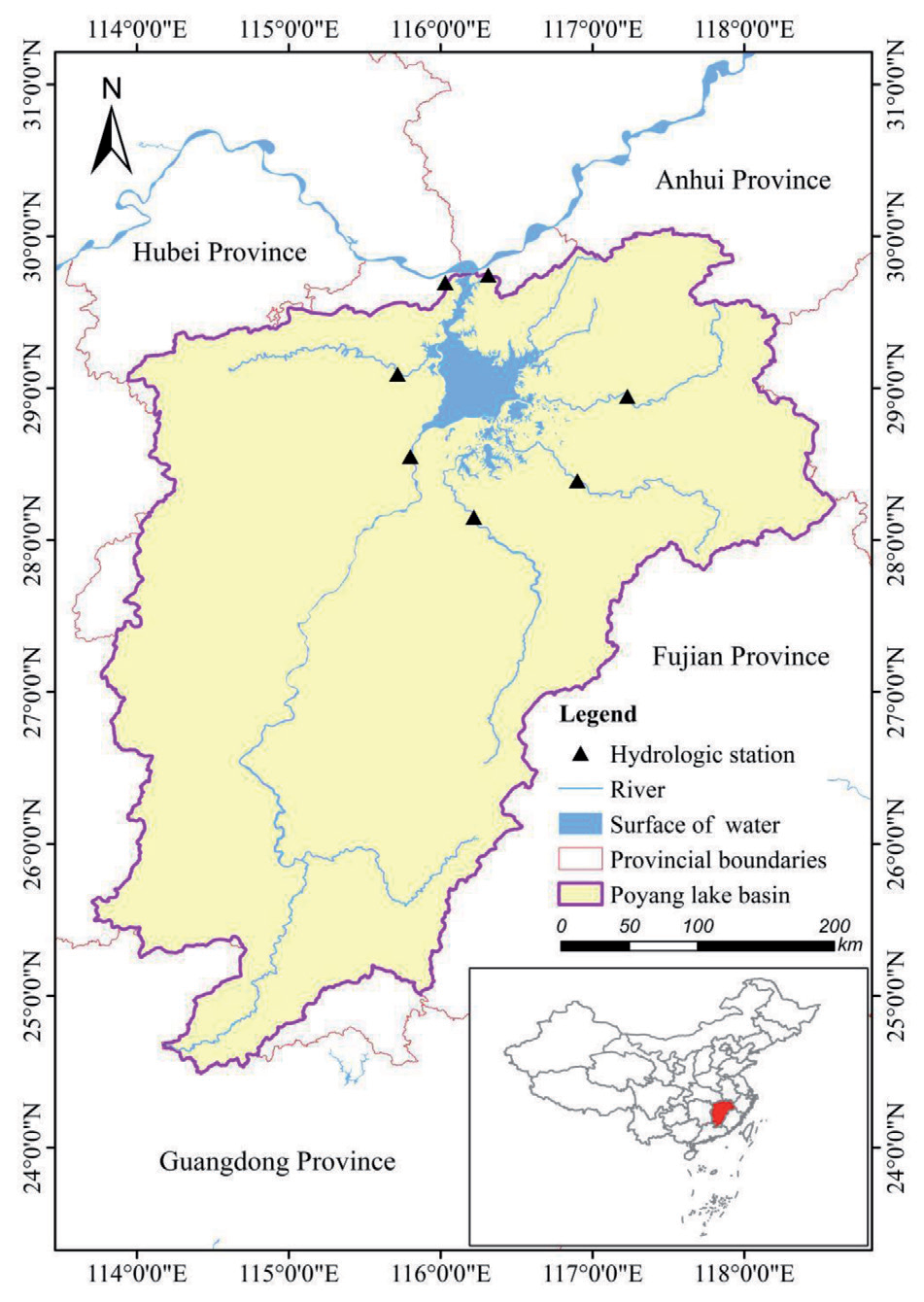
Poyang Lake (28°24′~29°46′N,115°49′~116°46′E) is the largest freshwater lake in China and the largest lake wetland in Asia. It is located in the north of Jiangxi Province and on the south bank of the middle and lower reaches of the Yangtze River. Poyang Lake ensures the water security of the middle and lower reaches of the Yangtze River and provides essential functions and services in climate regulation, pollution reduction, and biodiversity protection [29]. The Poyang Lake water system empties into Poyang Lake from the east, south, and west, surrounded by mountains, with hills in the middle and a narrow in the south and wide in the north basin topog-raphy (Fig.3). The region surrounding Poyang Lake lies within the subtropical humid monsoon zone, character-ized by a moderate climate, abundant precipitation, and adequate illumination [30]. The rich soil type of Poyang Lake wetland is conducive to the growth of numerous wetland vegetation and serves as a wintering habitat for birds [31]. In recent years, the degradation of the wetland ecosystem of Poyang Lake has become evident, with the following manifestations:
Firstly, the area of Poyang Lake has decreased grad-ually, from 5090 km2 in 1950 to 3910 km2 in 1985, with reclamation reaching 1480 km2. Human activities significantly influence the decline of Poyang Lake’s area. Poyang Lake’s coastal zone is the area with the highest productivity, the most significant number of biological species, and the highest material exchange rate, and it is also the lake’s natural barrier against the intrusion of ex-ternal pollutants [32]. The decline in lake size impacts the ecological function of the Poyang Lake coastal zone [33].
Secondly, the water quality and quantity of Poyang Lake continued to decline, significantly affected by domestic sewage, showing initial eutrophication, which was criticized by the central environmental protection supervision team [34]. The water level decrease in Poyang Lake is primarily attributed to two main factors. Firstly, due to natural factors, climate change-induced reductions in precipitation and evaporation contribute to a decline in Poyang Lake’s inflow and an increase in its discharge, which consequently causes the lake’s water level to fall [35]. Secondly, human activities contribute to this phenomenon. The overexploitation and deploy-ment of Poyang Lake’s water resources, precipitated by factors such as river channel regulation, upstream reservoir construction, agricultural irrigation, and industrial activities in the vicinity, have contributed to the lake’s inadequate volume [36].
Thirdly, the structure of wetland vegetation is dam-aged. The plants of Poyang Lake are the most significant organisms in the wetland, the principal primary producers of the wetland ecosystem, and the base of the system pyramid. The hydrological process in the current year controls the germination, growth, maturity, and mortal-ity of wetland plants, and the cumulative effect of this control over the years has led to structural changes in wetland vegetation in recent decades [37]. Vegetation cover has decreased due to irrational aquaculture, the invasion of many mesophytic plants, and other factors, which have led to changes in the number and structure of biological species, thereby destroying the original ecological balance [38].
Fourthly, Poyang Lake’s aquatic animal resources are reduced. In recent decades, the frequent occurrence of extreme weather conditions, in conjunction with the construction of the Three Gorges and Gezhouba water conservancy project, has led to the continuous extension of dry water practice in Poyang Lake; the water level has reached record lows year after year, and the habitat area of benthic animals and other aquatic organisms has been reduced, thereby threatening their population [39].
Poyang Lake is the largest freshwater lake ecological wetland in China [40]. It provides essential services to humans in biodiversity preservation, climate regulation, water storage and flood prevention, pollution reduction, etc. [41]. Poyang Lake’s wetland management is repre-sentative, so this paper examines its model.
Measures for Implementing Management of the Poyang Lake Wetland
Constructing a wetland protection management system is essential for enhancing wetland protection and management. Poyang Lake possesses abundant wetland resources, and its wetland management reflects China’s current state of wetland management. Following is an analysis of the present state of Poyang Lake wetland management from the perspective of the lake’s management department, ecological environment monitoring, law, and public participation.
Poyang Lake is primarily co-managed by multiple departments, commanded by the Jiangxi Provincial Government, and centrally managed by the Forestry Department, Agriculture Department, Environmental Protection Department, Development and Reform Commission, and other departments. In addition, to better manage Poyang Lake, primarily through the establishment of a nature reserve and management institution, the Jiangxi Provincial Forestry Bureau has established the Poyang Lake National Nature Reserve Administration, which is pre-dominantly responsible for the natural environment and natural resources investigation, monitoring, protection, propaganda, and education of the Poyang Lake Nature Reserve, among other responsibilities. The law enforcement subjects of Poyang Lake include the protection of area administration, the relevant provincial and munic-ipal departments, including the Agriculture and Forestry Department, Environmental Protection Department, Construction Department, Land and Resources Department, Tourism Department, Water Affairs Department, and other functional departments [42]. The governmen-tal administration of Poyang Lake is carried out by each department according to their respective responsibilities and regulations.
Monitoring the ecological environment is the foundation of wetland protection. Poyang Lake has initially established an ecological climate monitoring network, hydrological monitoring by the Department of Water Conservation, migratory birds by the Department of Forestry, and water quality monitoring by the Department of Environmental Protection. There are currently 69 hydrological monitoring points in the Poyang Lake area, consisting of 13 hydrological stations, 15 water level stations, three groundwater monitoring stations, four moisture stations (Qiujin, Duchang, Gaojialing, and Yugan), 33 water quality monitoring stations (monitoring method: patrol), and one evaporation experiment station (Duchang) [43]. The environmental protection department has ten online monitoring points [44]. Poyang Lake has established a monitoring system for its ecological environment that is relatively comprehensive.
Based on the wetlands’ actual situation, Jiangxi Province has issued a series of local administrative regulations related to wetland protection and management to strengthen the protection of wetland types. Poyang Lake is one of Asia’s most important wintering grounds for migratory birds, hosting a large proportion of the world’s endangered birds. It is home to 98% of the world’s Grus leucogeranus, 50% of Grus vipio, and 50% of Ans-er cygnoides [45]. Birds are the top consumers in wetland ecosystems and cannot exist in isolation from other low-nutrient organisms and inorganic environments [32]. As a result, birds can be utilized as indicator species in the evaluation of ecosystem levels, and future monitoring and assessment of wetland ecosystems should give them sufficient consideration [46]. There are 15 families and more than 160 species of wetland birds in China, the majority of which are found in Poyang Lake. The Jiangxi Provincial Government promulgated the Regulations on the Protection of Migratory Birds in the Poyang Lake Nature Reserve of Jiangxi Province in 1996 for the primary purpose of enhancing the protection of migratory birds in the Poyang Lake Nature Reserve, enhancing the habitat environment of migratory birds, and protecting migratory birds in the reserve. Jiangxi Provincial Government issued the Regulations on the Protection of Poyang Lake Wetlands in Jiangxi Province 2003 to protect Poyang Lake wetland resources, maintain wetland ecological functions and biodiversity, and guarantee the sustainable utilization of wetland resources. The purpose of the Regulations on Environmental Protection of Poyang Lake Ecological Economic Zone is to allow Poyang Lake to fulfill its ecological function and to promote the coordi-nated development of environmental protection, economy, and society. The Regulations on Lake Protection in Jiangxi Province were implemented in 2018, which seek to strengthen lake protection, prevent lake area reduction and water pollution, and make judicious use of lake resources. In general, Poyang Lake’s legal system is relatively flawless.
Poyang Lake is one of China’s first pilot areas of wetland ecological benefit compensation. The wetland ecological compensation mechanism coordinates the benefit relationship between wetland ecological service benefi-ciaries, producers of the wetland ecological environment, destroyers of the wetland ecological environment, and protectors. The main methods of ecological compensation in Poyang Lake are direct financial support from the central government, transfer payments from the central government, direct compensation from upstream and downstream of the basin, etc. Under the “returning farmland to wetland” policy, one of the central government’s major strategies to protect Poyang Lake’s wetlands, each household converts a portion of its cultivated land into wetlands, and the government compensates farmers for the economic losses caused by the loss of farmland with cash and in-kind compensation. Jiangxi invested 187 million yuan in the Poyang Lake wetland compensation project by the end of 2021 to compensate farmers for agricultural losses, benefiting 370,600 individuals [47]. The Poyang Lake ecological compensation system reconciles the conflict between the protection of migratory birds and the economic income of farmers, thereby enhancing the lake’s ecological environment.
Poyang Lake’s wetland protection must be connected to public participation. Jiangxi Province has conducted activities to increase public awareness of wetland protection, such as the publicity and education service activities of 2023 “World Wetland Day” and the theme publicity activities of International Biodiversity Day, and has in-troduced the significance of wetland protection via news-papers, media, television, and other media to increase public participation in wetland protection.
Issues with the Implementation and Administration of Poyang Lake
China has always placed a high priority on wetland protection, but there are still problems. In the case of Poyang Lake, the Jiangxi Provincial Government has made pioneering efforts in the conservation and management of Poyang Lake wetland, for example, through an ecological benefit compensation system, but there are still issues:
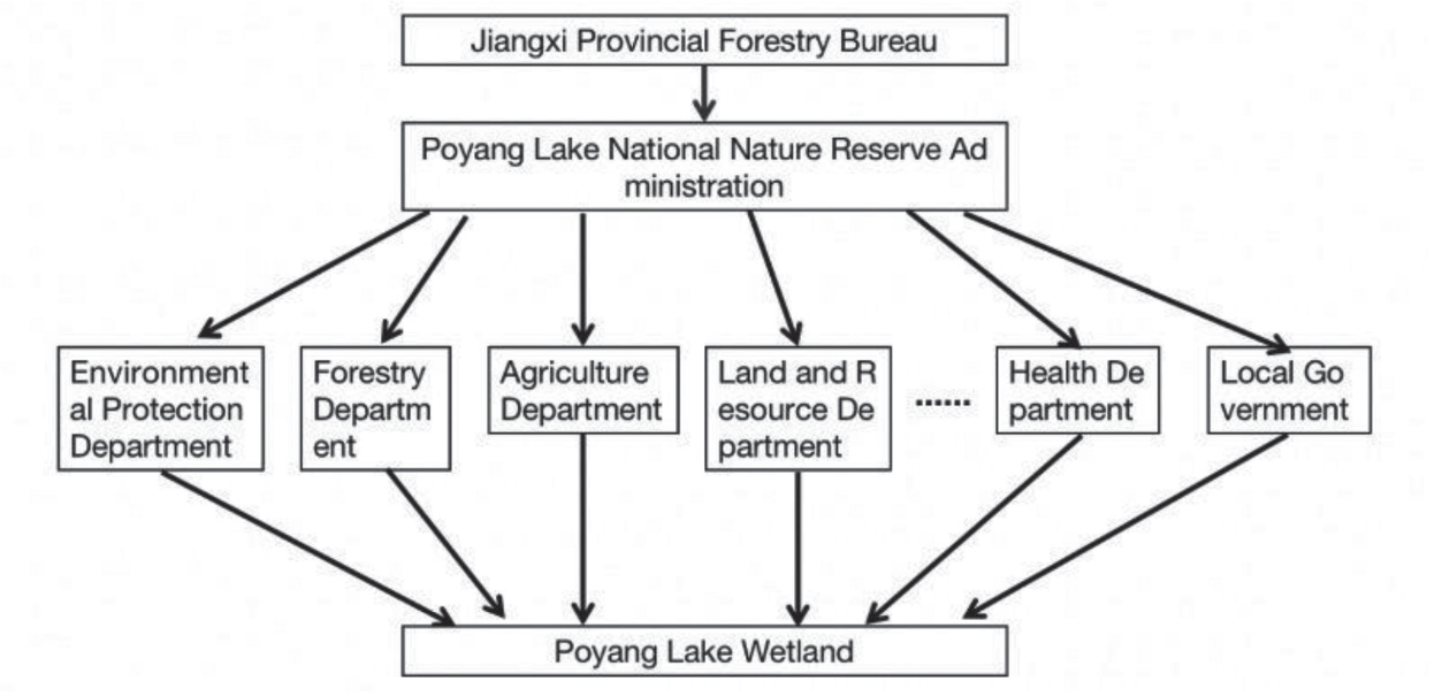
Firstly, Poyang Lake is currently jointly managed by many departments under the leadership of the Jiangxi provincial government. Due to the absence of a prominent management department, which leads to shirking and tug of war, and the inability to solve the coordination problem between departments, this management mode could not be conducive to the wetland protection of Poyang Lake. For instance, the littoral of Poyang Lake has been infringed upon. The Water Affairs Department, Land and Resources Department, and Construction Department have management responsibilities, but the departments pass responsibilities on to each other instead of collaborating with Poyang Lake National Nature Reserve Administration under the Jiangxi Provincial Forestry Bureau, the main scope of responsibility is the investigation and monitoring of natural resources in Jiangxi Poyang Lake, propaganda and education, community co-management, wildlife rescue, foreign exchange and cooperation, etc. The matters of ecological protection, beach development, and utilization of land resources in wetland are managed by the Environmental Protection Department, the Forestry Department, and the Land and Resources Department, respectively, forming a situation where multiple departments manage Poyang Lake according to their duties (see Fig.4). Numerous departments in the Poyang Lake region are directly involved in environmental management functions. There are certain cross-over functions of environmental protection management, and some crossings need to be resolved as soon as possible. For instance, the functions of environmental protection departments, water affairs departments, and forestry departments overlap; the relationship between the water environment protection planning of environmental protection departments and the water resources protection planning of water conservation departments is unclear [48]; and each department publishes its own water environment quality monitoring data and sewage discharge reports [49].
Secondly, the monitoring of Poyang Lake still needs some fixing. The tracking of Poyang Lake is unreason-ably dispersed in space, and there are few monitoring indicators, less sampling frequency, and duplicate monitoring, which makes it challenging to analyze monitoring data. For instance, the monitoring of migratory birds in the Poyang Lake region has been limited to short-term, small-scale, or single-species monitoring studies, with no accumulation of comprehensive, systematic, or scientific data. To further enhance the ecological monitoring of Poyang Lake, all departments must coordinate and make adjustments.
Thirdly, the laws and policies issued by the cities, districts, and counties around the lake are relatively scat-tered in their interests and lack unity and coordination, which is very unfavorable to the protection of the ecological environment in the Poyang Lake basin. The Poyang Lake basin system consists of the Ganjiang River, the Fuhe River, the Xinjiang River, the Raohe River, the Xiushui River basin, and Poyang Lake. It travels through more than 80 counties and urban areas in Jiangxi Province, and the basin area accounts for 96% of the total land area of Jiangxi Province. According to the characteristics and laws of watershed management, the environmental protection and pollution prevention of the Poyang Lake basin need to be planned and managed by the basin as a unit. Nevertheless, China’s current management system is a regional system divided into administrative units. The unbalanced economic development of the surrounding areas of the Poyang Lake basin leads to different efforts to protect the ecological environment. This necessitates coordination and cooperation among local administrations surrounding Poyang Lake. As with basin management in the Yangtze and Yellow rivers, the combination of basin management and regional management systems still pres-ents some challenges.
Fourthly, in terms of public participation in wetland protection, the absence of ecological compensation dimin-ishes the wetland protection effect. Local farmers are the most essential component of public involvement in Poyang Lake protection. According to a survey conducted by scholars on the willingness of residents to pay for wetland protection, the majority of respondents (60%) are willing to pay for environmental protection in the lake district, including the reduction of pesticide use and the transfor-mation of rice fields along the lake shore into natural wetlands. In the meantime, a considerable positive correlation exists between farmers’ household income and willingness to pay. The quantity paid approximates one-tenth of the family’s annual income from agricultural production [45]. The preservation of the Poyang Lake wetland re-quires a substantial financial investment. When residents are the subject of payment, their willingness to pay and scope of payment increase as their protection conscious-ness increases, but they are still primarily constrained by family income. About one-third of households in the Poyang region depend solely on agriculture, and their annual income ranges between 10,001 and 20,000. This indicates that, compared to the past, the public’s understanding and willingness to participate in wetland protection has significantly increased; however, if the ecological compensation is insufficient, it will have a significant negative impact on the participation of local farmers as public subjects in wetland protection. Moreover, the conflict between the preservation of migratory birds and economic development in Poyang Lake has become more pronounced, and the range of migratory birds has expanded, resulting in crop damage for farmers. Wetlands cannot be protected without public participation. It is necessary, on the one hand, to increase public awareness of wetland protection and, on the other hand, to compensate producers for their losses through ecological benefit compensation.
Results and Discussion
Problems with China’s Wetland Management
China’s wetland conservation legislation has made great progress, but legislation alone is not enough; there is still a need to enhance the relevant abilities of wetlands management. With the passage of the Wetland Conservation Law, China has made significant strides in wetland protection laws. China’s wetland management involves not only the Wetland Conservation Law based on ecosystem conservation, but also a lot of related legislation based on resource protection. The practice of wetland management in Poyang Lake can also reflect common issues in China’s control of wetlands.
Table 4.
Cross management of wetlands and wetland element management departments.
Firstly, there is a lack of coordination mechanisms for wetland management. Wetland conservation involves multiple ecosystems, including land, water, wildlife, and farmland. Under China’s administrative system, departments such as the Forestry Department, Environmental Protection Department, Construction Department, Land and Resources Department, Tourism Department, and Water Affairs Department have management responsibilities within their purviews, resulting in multiple management and cross-management in practice, with frequent evasion of duties hindering the effectiveness of wetland conservation [51]. In China, the Ministry of Land and Resources is responsible for the management, protection, and rational use of land resources; the Ministry of Ecology and Environment is responsible for the ecological security of wetlands, the State Council’s forestry and grassland authorities are responsible for the supervision and management of wetland resources, and the Ministry of Water Resources is responsible for directing the development of mudflats. In a wetland nature reserve, various departments manage various resource elements in wetland conservation, which leads to confusion regarding departmental management in practice. For instance, the forestry department manages water birds, the Ministry of Agriculture manages fishery resources and grasslands, and the Ministry of Ecology and Environment manages environmental contamination. The multiple departments involved in wetland protection can’t cooperate and manage effectively due to the multi-department management structure. For the same management object, the number of managers will inevitably disperse the management power. If the authority is not demarcated, there will be a jurisdictional cross. Wetland is a comprehensive ecosystem of multi-resource types and multi-functional types, and there is an inseparable relationship between system elements, function types, and elements and functions. If jurisdictional boundaries are determined based solely on sectoral characteristics instead of system integrity, actual management may be confused [52]. According to the definition of wetland in Article 2 of the WCL and the prohibitive provisions in Article 28, the components that comprise the wetland ecosystem and perform the ecological functions of the wetland include natural wetland water sources, sand, mines, soil, and the wild animals and plants of the natural wetland. This time, protecting wetlands as a whole ecosystem is significant progress in the WCL. However, different authorities still need help co-ordinating the overall protection and various elements of wetland management. As can be seen from Table 4, there is overlapping and cross-management between the competent authorities for the protection of wetlands and their constituent elements. Legal documents with different elements as the object of protection have different purposes, affecting the enforcement logic of the competent authorities following different laws. Consequently, addressing the issue of coordination mechanisms could be a crucial move in shifting wetland management practices from a resource element to an ecosystem perspective.
Secondly, China’s wetland monitoring stations are mainly autonomous and lack unified monitoring techni-cal standards. The quality of data management varies. A scientific monitoring system provides the basis for decisions regarding wetland conservation. China can op-timize the distribution of monitoring stations based on the type and distribution of wetlands, establish a wetland resource monitoring network, and create a national information-sharing platform for wetland monitoring [53].
Thirdly, public participation in wetland conservation needs to be improved. Conservation of wetland ecosystems relies heavily on public involvement. Publicity and coverage by the news media, wetland conservation-themed activities conducted by NGOs, international cooperation in wetland conservation projects, and the wetland community co-management model are the primary means of public participation in wetland conservation in China [54]. The extent of wetland conservation is determined by the degree of public involvement in wetlands. The degree of public participation in China is currently low, primarily dependent on government guid-ance. Residents in some areas do not realize or have no economic ability to carry out wetland protection, and local governments are challenged to balance the mutually beneficial relationship between economic development and environmental protection, which is also one of the reasons for the low level of public participation in wetland protection.
Fourthly, the scarcity of investment and conservation funds hinders the growth of wetland conservation efforts. During the 13th Five-Year Plan period (2016-2020), China invested 9.87 billion yuan in promoting the restoration of wetlands through the implementation of 53 wetland protection and restoration projects, the arrangement of 8.37 billion yuan in wetland subsidies from the central government, the implementation of wetland eco-effi-ciency compensation subsidies, the return of wetlands to farmland, and wetland protection and restoration subsidies for more than 2,000 projects, and 202,600 hectares of new wetland area were added [55]. During the 13th Five-Year Plan period, however, the state invested up to 240 billion yuan in natural forest protection, compared to the insignificant investment in wetland protection. China’s wetland ecosystem protection and restoration began late; the infrastructure owes more, but its investment is significantly lower than the forest ecosystem.
Suggestions and Conclusions
Suggestions
Wetland conservation is a lengthy process that re-quires a robust management system. A sound management system is essential to the effectiveness of wetland conservation [56]. Because of the limitations of the current wetland protection system and the irreversibility of wetland loss, reforming and adjusting the wetland protection management system is also a necessary step. The following aspects of the wetland management system can help wetland protection in response to the current situation [57].
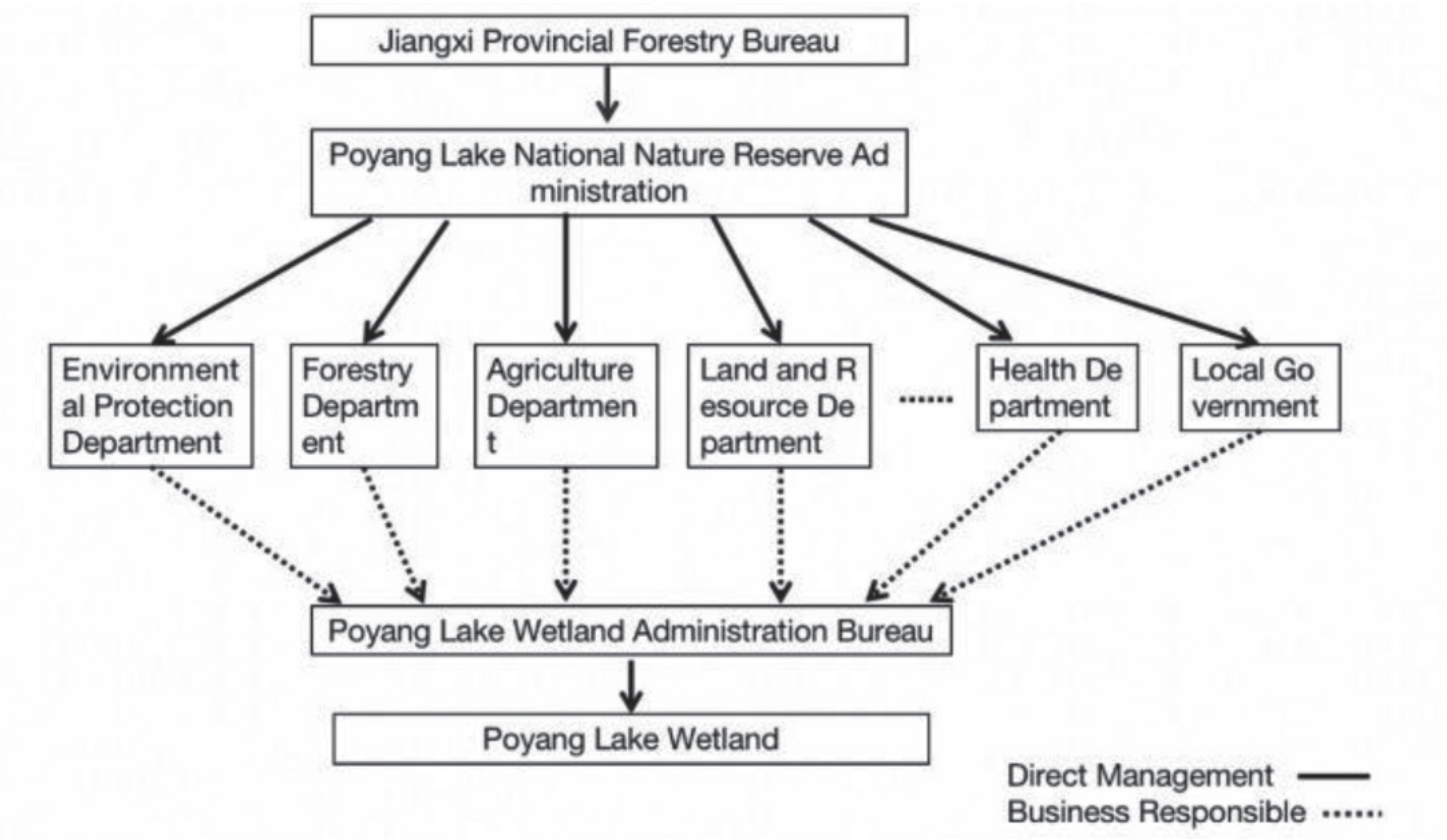
First, a dedicated agency for the protection of wetlands should be established based on regional demands. Wetlands require specific management and the creation of a specialized organization with unified management rights for wetland conservation. There are only a few places in China where particular wetlands management agencies have been established. These agencies, like the one managing Poyang Lake above, are under the authority of the relevant forestry department and are typically only in charge of daily tasks like planning, monitoring, and restoration. Using the Poyang Lake wetland as an example, it is possible to construct a single wetland management institution and consolidate the functions currently spread across numerous departments to safeguard wetlands more effectively. Ecological protection, asset management of natural resources, concession management, management of social participation, publicity and promotion, coordination with local government and neighboring communi-ties, and necessary law enforcement duties are among the responsibilities of this management agency. Specifically, see Fig.5. The Poyang Lake Wetland Administration Bureau is established, which is responsible for the coordination and execution of wetland protection matters, and the management, law enforcement, and supervision rights for each department about Poyang Lake. These are directly managed by the Poyang Lake Wetland Administration Bureau, and the business receives management from the higher department [50].
Second, the establishment of a coordination mechanism for wetland management. Multiple departments work independently, resulting in inefficient wetland management, a common problem in the direction of wetlands in China. Establishing a cross-sectoral coordination mechanism, China’s many provisions of the “wetland protection joint meeting system”, such as Zhejiang, Guangdong, Yunnan, and most other regions to establish a collaborative law enforcement mechanism, should be encouraged. In addition, there is a need to develop cross-regional coordination mechanisms for wetlands, and consultation can be reported to higher levels of conflict resolution when there is a conflict between different regions. This is reflected in China’s Yangtze River Protection Law, and watershed management mechanisms can be incorporated into wetland protection management.
Third, wetland monitoring is a requirement for wetland protection. On the one hand, through the supervision of government departments, such as China’s river chief system, the prominent leaders of the administrative area of the river as the “River Manager” promote the government to fulfill the responsibility of river protection. On the other hand, monitoring can be improved technically. Widespread use of 3S technology in wetland monitoring. In addition, UAV remote sensing and three-dimension-al modeling technology can be applied to wetland monitoring to achieve more precise dynamic monitoring of wetland resource changes [58], discover the changes in land use, underwater water level, and soil, and gain a more accurate understanding of the changes in the wetland environment. We are collecting wetland monitoring data, establishing a wetland monitoring network and wetland resources database, keeping track of the changes in wetlands, assessing the ecological value and importance of wetlands, and providing a scientific basis for wetland protection.
Fourth, enough financial assistance is necessary for the protection of wetlands. The current funding for protection comes primarily from central financial allocations or special funds. The government may explore the model of a horizontal ecological compensation agreement among provinces where wetlands are distributed and establish a wetland protection fund in the future to strengthen the long-term sources of wetland money. In addition, the government can also adopt policy stimulus measures to encourage social capital to participate in fund protection. Wetland protection is a public welfare cause requir-ing government financial funds and social and public investment channels to form a diversified wetland fund protection investment mechanism.
Fifth, public participation is the driving force for the sustainable development of wetland conservation, and the government needs to provide diverse ways for the public to participate in wetland conservation. First, the government should hold expert hearings and resident hearings before developing wetlands, drawing on the advice of ex-perts and the public. Citizens have the right to participate in decisions related to wetland management as country members. Second, spread the word about the importance of wetlands through propaganda, movies, and documen-taries. Public education is utilized to increase knowledge of the extent of wetlands for human life, including their function in water purification, flood mitigation, and water storage. Third, enhance effective stakeholder participation by strengthening community engagement. Community engagement should include incentives that encourage shared environmental interests and increase the effectiveness of public involvement [59].
Sixth, further implementation of international conventions. China has strengthened its implementation of international conventions by conducting wetland surveys, constructing wetland reserves, and drafting wetland protection laws. China’s wetlands still face the threat of resource limitations, ecological degradation, and a sharp decline in biodiversity. Additionally, by strengthening the capacity building of internationally important wetland research institutions, improving the scientific research level of internationally important wetlands, conducting scientific research on ecological warning mechanisms, peat swamp carbon reservoirs, ecosystem evaluation, protection and restoration technologies, and constructing an internationally important wetland survey, monitoring, evaluation, and warning platform.
Conclusions
Wetland conservation is a lengthy process, and suc-cessful wetland conservation necessitates a sound management system, which is essential for wetland conservation [56]. China places a high priority on wetland protection and has made legislative progress in this area. The enactment of the WCL can serve as a model for the global conservation of wetlands. It is legislation from the stand-point of the ecosystem. The highlights of this law include the scientific definition of wetlands, the hierarchical management of wetlands, the supervision responsibility of wetlands, the legal responsibility mechanism of wetlands, and the total area management system of wetlands. In the practice of wetland protection, due to the limitations of the wetland protection system itself and the irreversibility of wetland loss, there is still room for improvement in the management of wetland protection in China. Although China has made great strides in wetland laws, there are still numerous issues with the management mechanism, including a lack of coordination between wetland management departments, a lack of shared wetland monitoring data, low public participation in wetland conservation, and inadequate investment funds. The conservation of China’s wetlands has a long way to go, by establishing a particular wetland protection agency following regional requirements, implementing a wetland compensation system, strengthening wetland monitoring data sharing, and diversifying wetland funding mechanisms, wetland management can be enhanced further.

