

Introduction
The diverse response to temperature in plants demonstrates a range of physiological processes, leading to changes in whole-plant metabolism, gene expression, metabolite, and proteome composition. Over 95% of Earth's surface experiences low temperatures below 5°C each year, which slows critical metabolic processes and affects plant growth, productivity, and distribution. Most plants can rapidly respond to cold, causing rapid metabolic changes in existing tissues or the longer-term accumulation of information [1]. Long-term exposure to cold also affects biomass allocation, resulting in reduced investment in shoots. Cold acclimation, which involves modifications of anatomy, physiology, and metabolism, minimizes freeze damage and improves plant fitness [2]. Recent advances in understanding how cold-tolerant plants acclimate to low, non-freezing temperatures are crucial for understanding these responses.
Plant growth and development are influenced by external environmental factors like biotic and abiotic stresses as well as endogenous growth regulators like phytohormones [3]. Plants develop defense mechanisms, including enzymes for detoxifying excess reactive oxygen species [4]. However, many genes are involved in the cellular response to stress, including signaling networks. Techniques for multi-parallel analysis of transcript levels in Arabidopsis and rice have revealed complex networks interacting during stress defenses. This research can help study the regulatory context of individual transcription factors within the network of cellular responses in mutants and transgenic lines. Abiotic stress disrupts membrane systems, causing protein folding, transport, metabolic enzymes, and signaling compounds to malfunction. This leads to reduced growth and development in older leaves. Cold stress, including chilling and freezing, affects plant growth and development. Sugars like sucrose and raffinose protect cells from freezing injuries, while amino acids like aspartate and citrulline increase at low temperatures. Proline accumulation is crucial for physiological adaptation. Few studies have explored nodule metabolism in a single model species, but transcriptome analysis and metabolomics can provide insights into symbiotic nitrogen fixation in legumes.
Material and Methods
Sample Preparation
Ten identical Arabidopsis thaliana plants were used to create the control and cold stress groups. At 10°C, they were all one week old. To ensure that each individual maintained their metabolic state, the leaves were quickly sampled, preserved in liquid nitrogen, and then homogenized in liquid nitrogen with a mortar. 10 replicates per group (cold stress & control) (10°C).
Metabolite Extraction and Derivatization
Using 1 mL of cold MeOH:TCM: H2O (2.5:1:0.5, v/v/v) and vortexing for 10 s, homogenized Arabidopsis thaliana leaf samples (40 mg) were extracted.
The samples were incubated for 8 min on ice to precipitate the metabolite, then spun for 4 min at 14,000 rpm at 4°C.
The polar and lipophile phases of the reaction were separated by removing the supernatant and mixing it with 500 ml of water.
The mixture was vortexed once again and centrifuged for two minutes at 14,000 rpm.
The polar phase was taken out and dried for two to three hours in a speed vacuum centrifuge.
Extraction of Polar Metabolites
After being dissolved in 20 ml of Methoxyamin-Mix (40 mg Methoxyaminhydrochlorid/ 1 ml Pyridin), the dry extracts were then incubated in a thermo mixer for 90 minutes at 30°C. After that, 80 ml of Silylation-Mix (mg/ml) was added, and it was incubated for at least 30 min at 37°C in a thermo mixer.
The mixture was centrifuged at 14,000 rpm for 2 minutes. For GC/MS analysis, 80 ml of the supernatants were transferred to vials.
Untargeted GC/MS Analysis
In plant metabolomics research, gas chromatography-mass spectrometry is the most often employed method. To make polar metabolites volatile, they must first be created before they can be separated by GC. A strong interface between GC and MS is made possible by electron impact (EI), producing very repeatable fragmentation patterns. The sample injection volume was 1 ml, and the helium flow rate was 1 ml/min. Time-of-flight (TOF)-MS has emerged as the preferred technique for detection due to its benefits, including quick scan times, which result in improved deconvolution or shorter run times for complicated mixtures. This technology's key benefit is that it has been used for metabolite profiling for a long time, so there are reliable methods for machine setup and maintenance as well as for the analysis and interpretation of chromatograms.
Metabolite Identification and Quantification
Metabolites with a particular mass fragment and retention time.
Using fresh-weight and diethylene glycol peak areas, normalize the values.
Statistical Analysis
For our analysis, an ANOVA was used to assign statistical significance.
Adjustment to cold stress is associated with a change in metabolite profile. In this case, metabolites such as Proline, Valine, Glycine, Succinate, Trehalose, Sucrose, Myo inositol, Glutamine, and Glutamate would be increased amino acids under cold stress conditions.
Results and Discussion
There are numerous intermediate metabolic routes for metabolites. They serve as antioxidants, compatible solutes, signaling or regulatory agents, or pathogen defense agents. These findings shed light on the metabolite-level mechanisms of plant adaptation to cold stress. Signaling molecules are known as cold stress functions, and they show how cold temperature responses interact with one another [5]. Understanding the metabolic pathways of various metabolites, including proline, valine, glycine, succinate, trehalose, sucrose, myo-inositol, glutamine, and glutamate, is best done using a model like Arabidopsis thaliana (presented in the following Figs. 1-4).
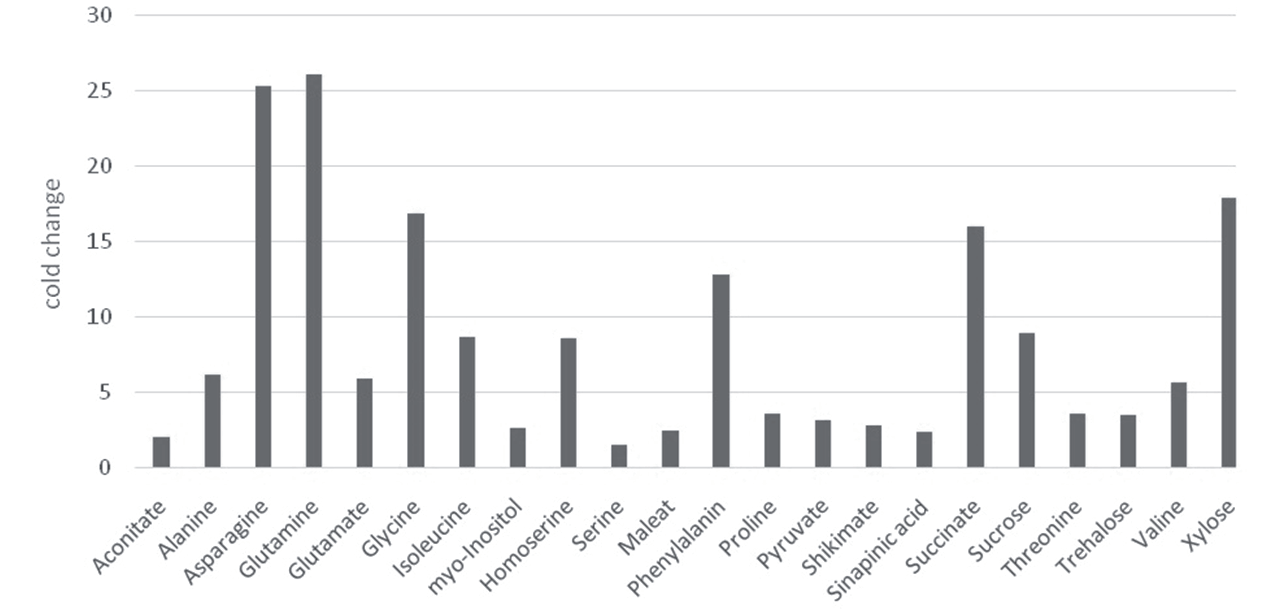
Fig. 2.
Demonstrates the differences in the metabolite profiles between the stress group and the control plants. Myo-Inositol, Serine, Asparagine, and Pinitol are the components showing the most variation, according to the non-logarithmic PCA.
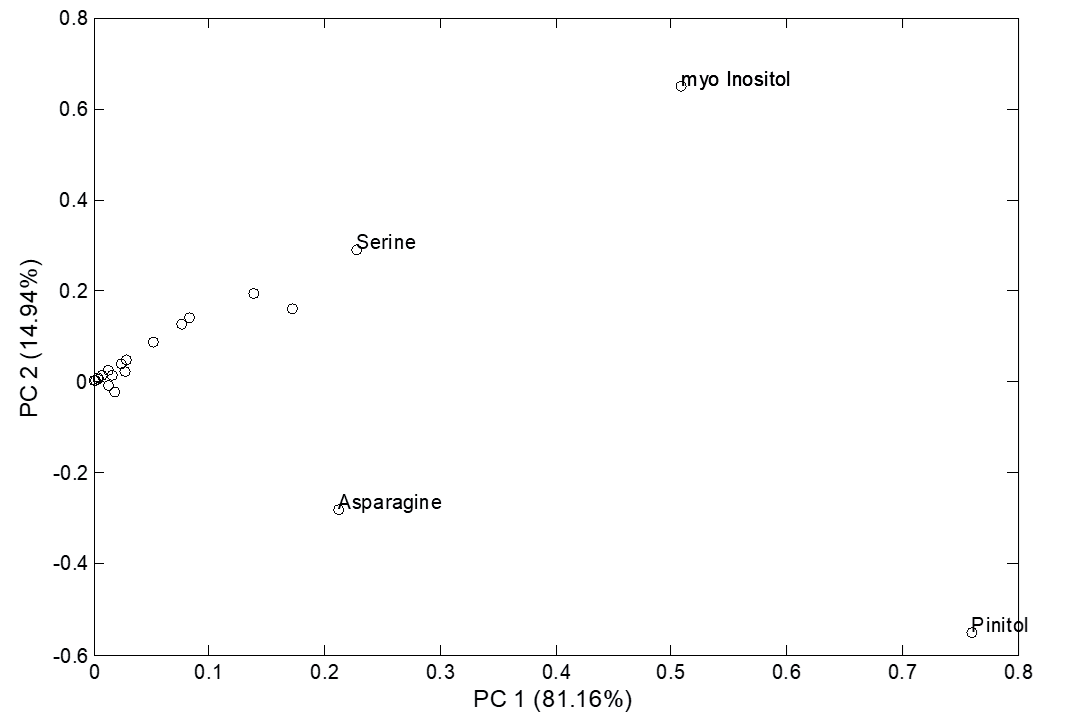
Fig. 3.
Shows a non-logarithmic PCA that highlights the variations between the control and cold stressed samples as well as the various batch days. The upper grey points show the stress group, while the lower black points show the control group, and all samples from the experiment are shown.
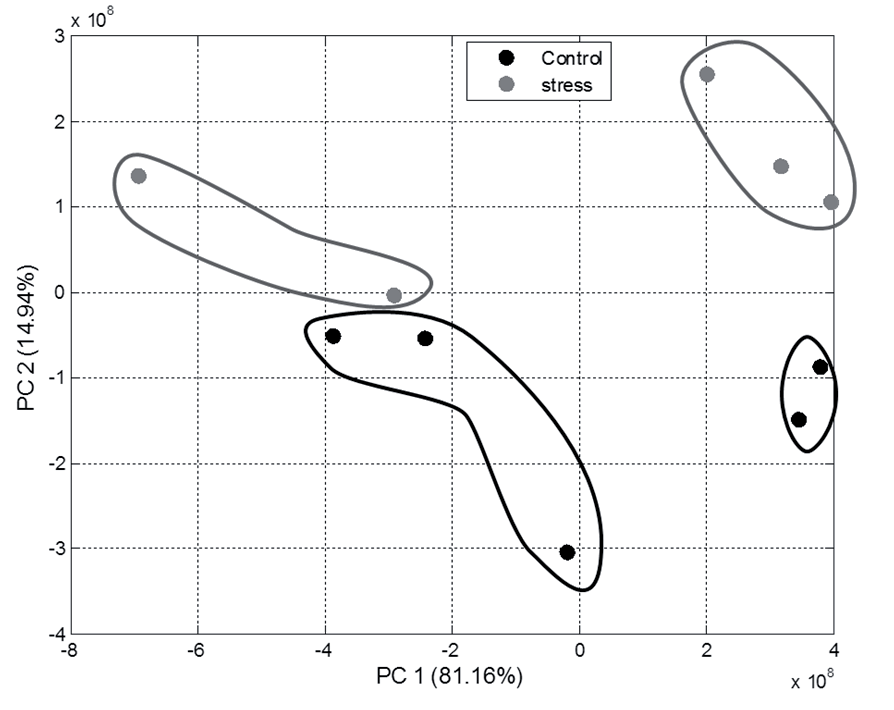
Fig. 4.
Displays a heat map of metabolites that are either more abundant (black) or less abundant (white) in control and cold-stressed samples (p-value < 0.1)
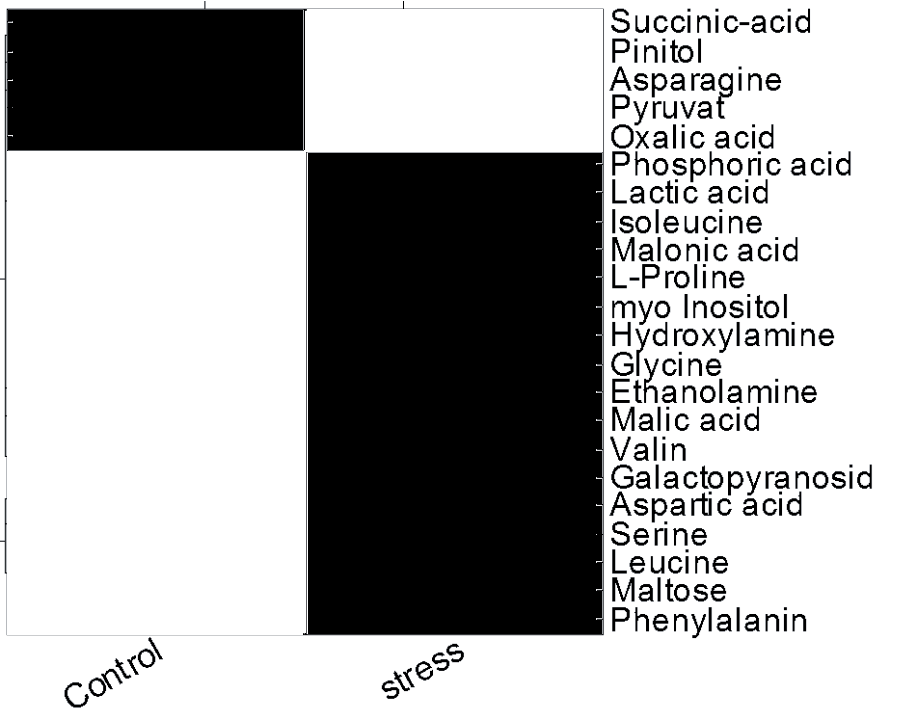
The PCA approach was used to assess the samples under various situations, including the influence of low temperature stress and a control group that was not subject to that influence.
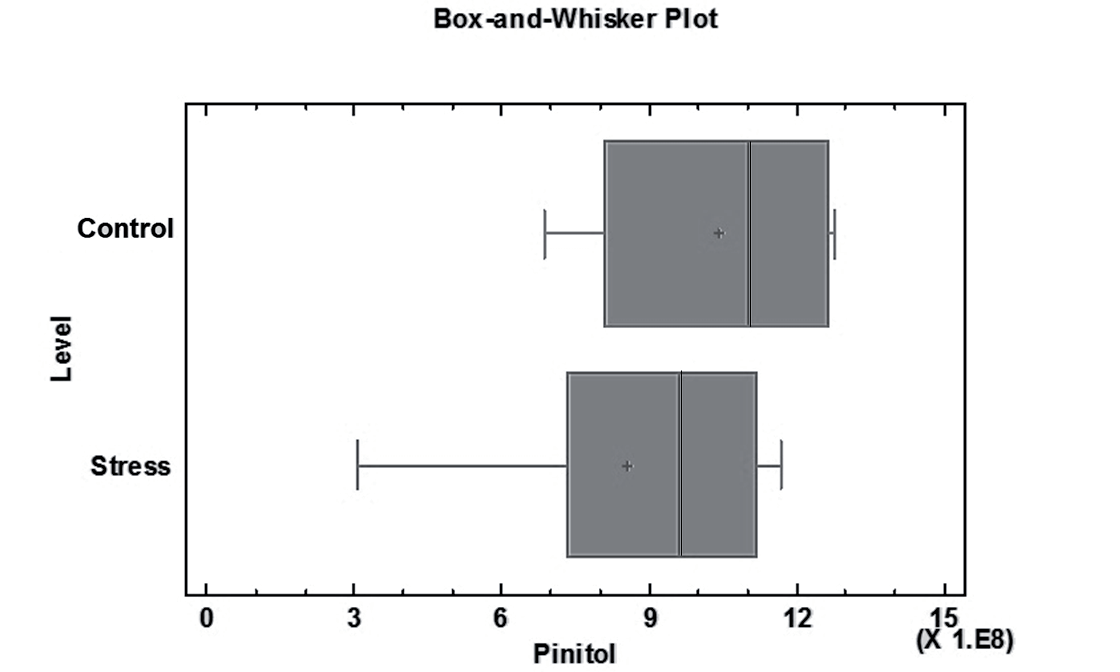
A p-value of less than 0.1 is used to calculate the specifics of the results. Through GC/MS analysis, the effects of temperature stress on Arabidopsis thaliana were observed in comparison to the control group. Along with oxidative stress, temperature stressors have also had an impact on the development of biosynthetic metabolism [6]. The most prevalent metabolite, pinitol, has decreased as a result of cold stress treatment. Pinitol has long been recognized as a significant component of Glycine max, and as was already mentioned, more recent research has demonstrated the accumulation of this cyclitol under drought stress. These observations, combined with recent transgenic tobacco evidence, prompted us to look for genetic diversity in pinitol content across a variety of US soybean cultivars and breeding lines [7]. The US germplasm showed little genetic diversity, but the Chinese plant introductions (PIs) showed a significant range in pinitol levels. More significantly, it was discovered that there was a direct correlation between the amount of rainfall in the areas of the nation where these genotypes were chosen for performance and the buildup of pinitol in plants [8]. (See Fig. 5).
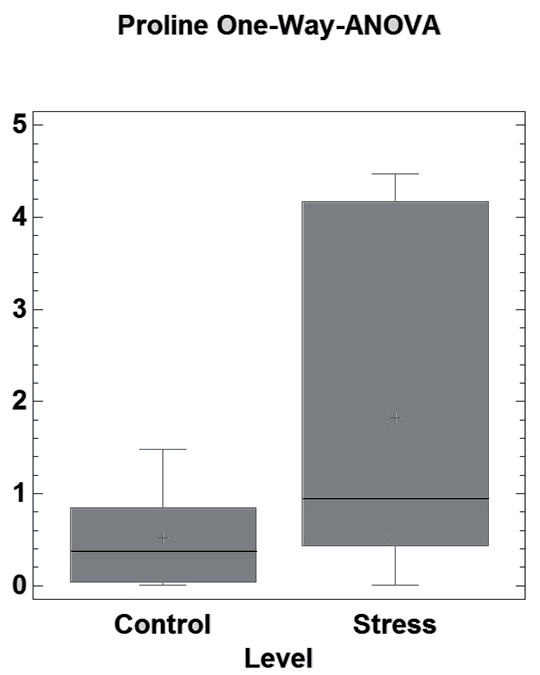
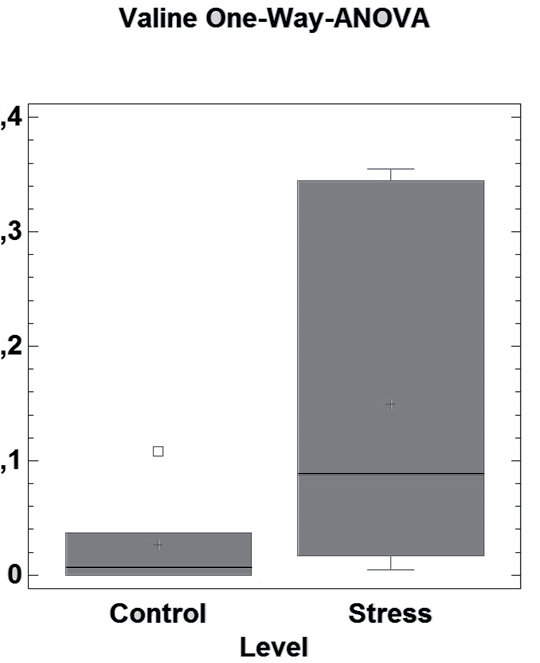
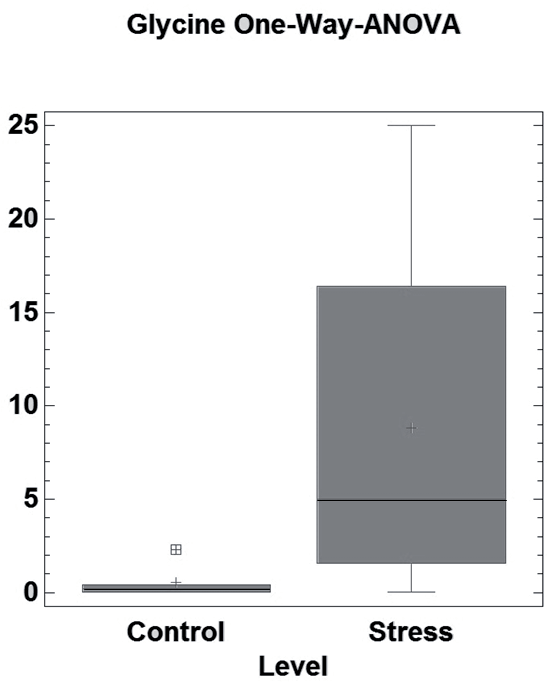
From glutamate, which is converted by -1-pyrroline- 5-carboxylate synthesize (P5CS) to glutamate-semialdehyde (GSA), proline is generated in the cytosol or chloroplasts. GSA has the ability to spontaneously transform into pyrroline-5-carboxylate (P5C), which is further reduced to proline by P5C reductase (P5CR). Proline dehydrogenase (ProDH) and P5C dehydrogenase (P5CDH) convert proline to glutamate in the mitochondria [9]. Proline synthesis is stimulated by stressful situations, whereas proline catabolism is increased when under stress relief. While Arabidopsis P5CS1 knockout plants were defective in stress-induced proline synthesis and were hypersensitive to salinity, tobacco and petunia overexpression of P5CS led to higher proline accumulation and greater salt and drought tolerance. ProDH antisense Arabidopsis consistently produced more proline and displayed improved resistance to freezing and high salt [10]. Metabolites like proline, valine, and glycine have enhanced levels of biosynthesis, as seen below in the Figs. 6, 7 and 8.
The impact of this increase in protein synthesis is uncertain; however, it may be compared to the transcription process. Additionally, perhaps this demonstrates the process of protein deterioration, or, on the other side, that those protein strategies are required to maintain cold stress regulation. Because valine is a necessary amino acid, it must be consumed, usually as part of proteins. In plants, it is produced in a number of stages, beginning with pyruvic acid. Leucine is also reached by the first leg of the trail. Reductive amination with glutamate is performed on the intermediate ketoisovalerate. Among the enzymes necessary for this biosynthesis are free amino acids, which have also reportedly been found to function as osmolytes [11].
The fact that ABA also induces a large number of genes that are responsive to cold and drought suggests that its mechanism for causing freezing tolerance may overlap or share with that for responding to low temperatures. In this study, we explored the possibility that glycine betaine plays a role in Arabidopsis thaliana's ability to withstand freezing temperatures by accumulating in response to water stress and cold acclimation circumstances [12]. Glycine betaine (GB), a quaternary ammonium molecule that is prevalent mostly in the chloroplast, is accumulated by many plant species. GB is essential for thylakoid membrane adjustment, protection, and maintenance of photosynthetic efficiency. Contrarily, it was discovered that increased GABA buildup in the roots of soybean plants under salt stress was caused by polyamine breakdown (PA).
Despite its function as an energy source in metabolic activities, glutamine also functions as a signaling intermediate to control gene expression in plants. The transcriptional factor's greater ability to induce genes raises the possibility that this condition's elevated glutamine levels, which are a direct result of cold stress and other environmental and physiological factors, may be related. In plants, glutamate is important for the production of numerous chemical compounds [13]. Arabidopsis thaliana plant roots and leaves also need a series of intermediary enzyme processes to convert nitrate to glutamate. In our study, the level of synthesized glutamate increased, demonstrating the role of genes (transcriptome glu 1-2 mutant). (see Figs. 9 and 10)
An essential enzyme in the metabolism of myoinositol, myo-inositol monophosphatase (IMP) primarily dephosphorylates myo-inositol 1-phosphate to maintain cellular Inositol equilibrium and is crucial for numerous metabolic pathways in plants. It has been observed in some plants that stress buildup has an impact on inositol growth [14]. However, the function and control of inositol monophosphatase (IMP) in response to cold stress are not clearly established. Both eukaryotes and prokaryotes may produce myoinositol, a polyol with a six-member carbon ring. Myoinositol is integrated into numerous essential cellular substances in multicellular eukaryotes, including those that are involved in signal transduction like phosphatidylinositol phosphates and myoinositol phosphate gene expression [15]. Myoinositol hexakisphosphate [InsP6] membrane tethering glycerophosphoinositide anchors stress tolerance, ononitol and pinitol, and oligosaccharide synthesis galactinol all contribute to auxin sensing and phosphorus storage. According to our studies, the activity stress temperature (in a 10°C range) raised the level of myo-inositol in Arabidopsis thaliana compared to the control group (see Fig. 11). All organs contain IMP (myo-inositol 1-phosphate), which has increased significantly during the first week of cold stress due to environmental challenges. Additionally, in cold-stressed samples, sucrose is downregulated. Myo-inositol, on the other hand, is elevated.
Trehalose is produced by plants in a two-step process. Trehalose-6-phosphate synthase (TPS) converts UDP-glucose and glucose-6-phosphate to trehalose- 6-phosphate (T6P), which is then dephosphorylated by trehalose-6-phosphate phosphatase (TPP) into trehalose [16]. Even though only a little increase in trehalose content could be seen, transgenic expression of trehalose biosynthetic genes demonstrated that improved trehalose metabolism can positively modulate tolerance to abiotic stress, ruling out a direct protective role for trehalose in these plants. In various plant species, drought, salt, and low temperature stress tolerance were increased through heterologous expression of genes from Saccharomyces cerevisiae or E. coli that are involved in the trehalose process [17]. Increased tolerance to salinity, cold, and/ or drought was imparted by overexpressing various isoforms of rice TPS. Additionally, when compared to other researchers who have looked at that, our experiments are similar (see Figs. 12 and 13).
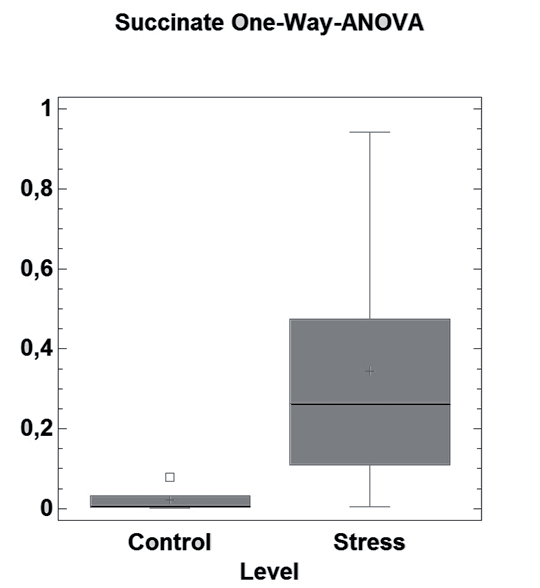
We measured the oxidation rates in the phosphorylating state (state 3) and in the non-phosphorylating state (state 4) using succinate plus external NADH as respiratory substrates, which, together, allowed the highest rates of respiration in Arabidopsis mitochondria [18]. This allowed us to assess the effects of the modifications to membrane lipid composition on mitochondrial respiration. The GABA shunt is the metabolic route that uses GABA to transform glutamate into succinate. Glutamate decarboxylase (GAD), a cytosolic enzyme, and the mitochondrial enzymes GABA transaminase (GABA-TA) and succinate semialdehyde dehydrogenase (SSADH) make up the GABA shunt pathway in plants. Interest in understanding the GABA shunt pathway and its connections to mechanisms such as pH regulation, TCA cycle fluxes, nitrogen metabolism, and other processes was ignited by the rapid buildup of GABA in response to unfavorable or severe conditions [19]. Succinate levels were greater in the cold stress group than in the control group (see Fig. 14).
In order to understand the temporal dynamics of the metabolites involved in the production of acquired thermotolerance in response to freezing tolerance and cold stress, metabolic profiling analyses were carried out. Gas chromatography-mass spectrometry was used to analyze higher-polar metabolites, which are defined by retention time and identified by mass fragments. Succinate levels were greater in the cold stress group than in the control group.
This finding suggests that specific regulatory mechanisms are involved in each of the central metabolic pathways, including glycolysis and the tricarboxylic acid (TCA) cycle. Because it gives the plant the energy it needs to survive, this reaction is more advantageous to plant metabolism [20].
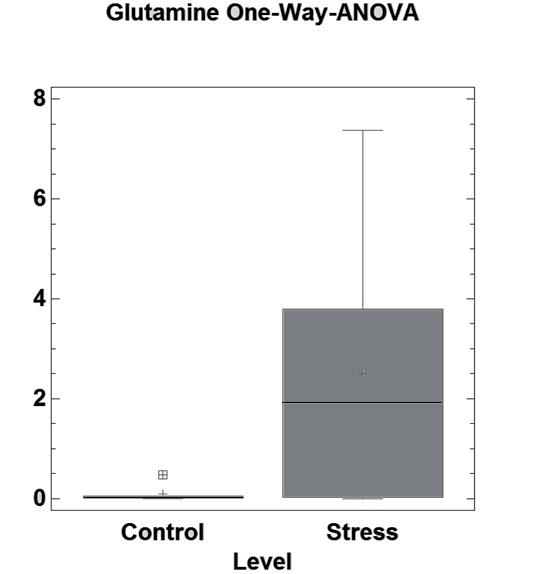
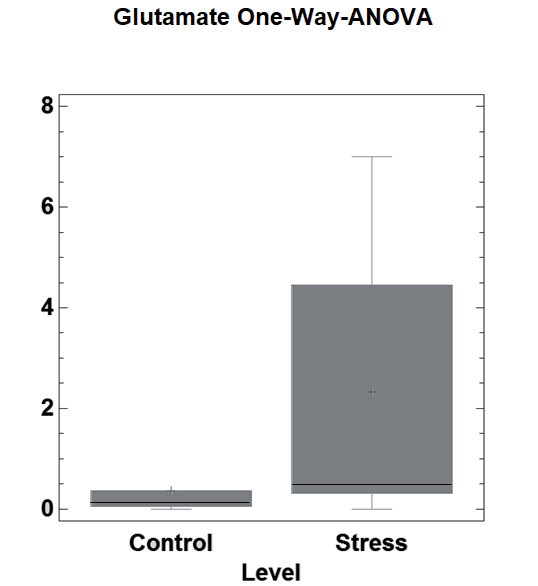
Indeed, the model plant Arabidopsis thaliana is a great resource for learning about a variety of metabolic processes, including the mentioned compounds. Plant responses to stress depend on proline metabolism. Using the glutamate system, Arabidopsis thaliana synthesizes proline from glutamate, which it then employs as a compatible solute to preserve cellular osmotic equilibrium in response to stressors like salt and dehydration [21].
Among the branched-chain amino acids (BCAAs) produced in Arabidopsis through the branched-chain amino acid biosynthesis pathway is valine. It functions as a precursor for several secondary metabolites and is crucial for the synthesis of proteins. Glycine is an essential component for the synthesis of proteins and a starting point for the production of other metabolites, such as heme and chlorophyll. In Arabidopsis, it is produced from serine through the serine hydroxymethyltransferase (SHMT) route [22].
Succinate is an intermediate of the tricarboxylic acid cycle (TCA), also known as the citric acid cycle or Krebs cycle. It plays a central role in cellular respiration, where it is oxidized to produce energy in the form of ATP. Arabidopsis thaliana uses the TCA Cycle for energy production and carbon metabolism. Trehalose is a non-redundant disaccharide that serves as a storage and stress-protecting carbohydrate in plants. Arabidopsis thaliana synthesizes trehalose from glucose-6- phosphate via the trehalose-6-phosphate synthase/ phosphatase (TPS/TPP) pathway and utilizes it as a carbon and energy source under adverse environmental conditions [23].
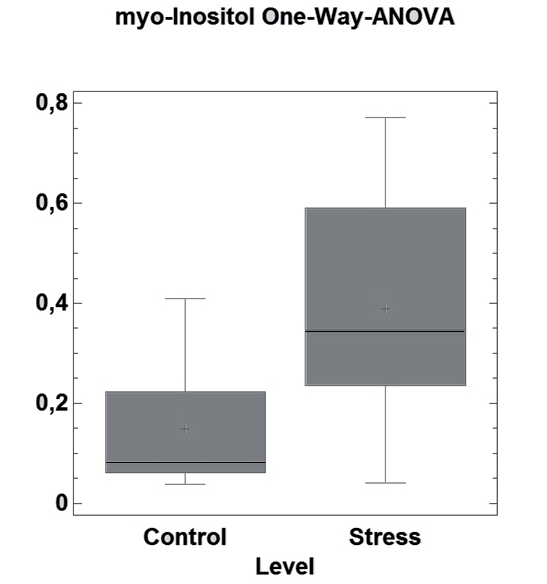
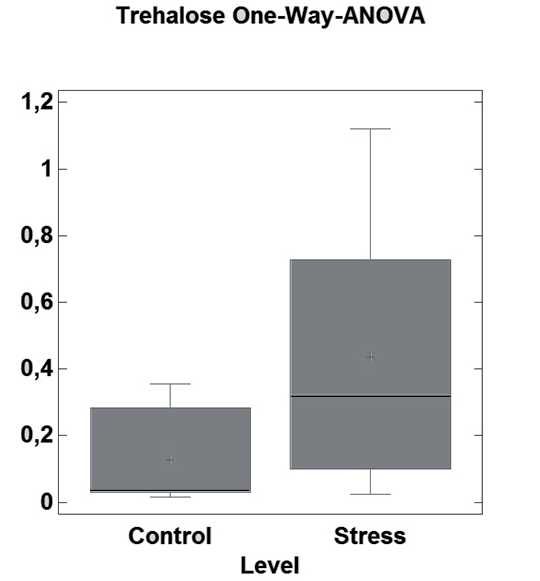
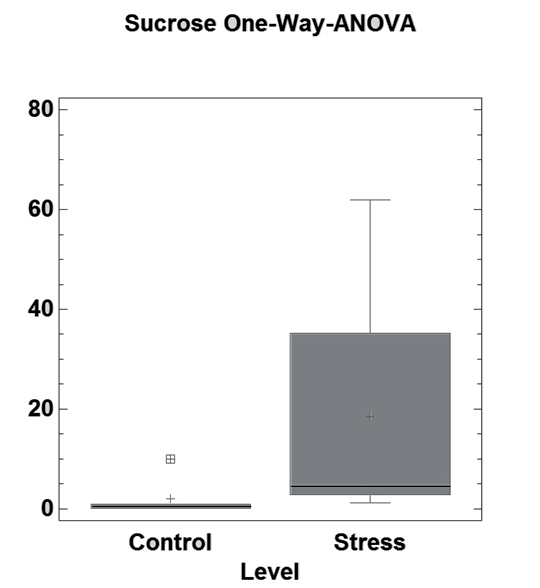
Sucrose is an important transport sugar in plants and is synthesized in the cytoplasm from glucose and fructose by sucrose phosphate synthase (SPS) and sucrose phosphate phosphatase (SPP). Arabidopsis thaliana uses sucrose as a carbon source for growth and development as well as for the long-distance transport of carbon dioxide between tissues [24]. Myoinositol is a key component of phospholipids, which are essential for membrane structure and function. It also serves as a precursor for various signaling molecules and secondary metabolites. Arabidopsis thaliana synthesizes myoinositol from glucose-6-phosphate via the inositol phosphate pathway. Glutamine and glutamate are amino acids that are involved in nitrogen metabolism and serve as important nitrogen donors and acceptors in various biosynthetic pathways [25]. Arabidopsis thaliana synthesizes glutamine from glutamate through the action of glutamine synthetase (GS) and utilizes these amino acids for protein synthesis, nitrogen storage, and nitrogen assimilation. Studying the metabolism of these metabolites in Arabidopsis thaliana can provide valuable insights into the biochemical pathways and regulatory mechanisms underlying plant growth, development, and stress responses. To help the plant adapt to the cold stress environment, these modifications in metabolism may include changes in the number of metabolites, modifications in enzyme activity, and changes in metabolic fluxes.
Conclusions
According to these studies, Arabidopsis thaliana, a frequently researched model plant, has marked changes in its metabolism when exposed to cold stress compared to a control group. Plants under cold stress can undergo a variety of physiological reactions, including changes in their metabolic processes to adapt to the harsh environment.
Understanding these metabolic changes is essential to elucidating the ways in which plants respond and adapt to cold stress, which may have consequences for agricultural methods, crop growth, and resilience to climate change. This strategy to analyze various metabolites can aid in developing future tests to see whether a promising engineering mechanism can be used to increase the stress resistance of physiologically and commercially significant plants. The quick response to stress and cold that results in an increase in the level of several metabolites (p-value 0.1) makes it actually challenging to reconfigure the metabolic network. These metabolite studies in the near future could be crucial targets for the metabolic engineering of environmental stress-tolerant plants.

