

Introduction
Environmental microorganisms are microorganisms that are found in various environments, including soil, water, air, and even within other organisms. They play a crucial role in the environment and have a significant impact on natural processes and human activities. Microorganisms operate the basic nutrient cycles in the environment, such as the nitrogen and sulfur cycles. They decompose organic matter in soil, releasing nutrients for plants and contributing to the fertility of the soil. Microorganisms are involved in the breakdown of pollutants and the detoxification of harmful substances in the environment [1]. They play a key role in the production and release of greenhouse gases, which can influence climate and climate change. Some microorganisms can inhibit the growth of harmful microorganisms, acting as biocontrol agents. Microorganisms are major suppliers of enzymes used in various industries, including food production and pharmaceuticals. Microorganisms provide essential ecosystem services that are fundamental to the environment and human life. They contribute to the production of food, such as through the fermentation of dairy products, bread, and alcoholic beverages. Microorganisms are involved in the production of antibiotics and other pharmaceuticals. They play a role in bioremediation, helping to clean up polluted environments. Some microorganisms are pathogens that can cause diseases in humans, highlighting the importance of understanding their role in the environment. Microorganisms are also used in various biotechnological applications, such as biofuel production and waste treatment [2]. Microorganisms are ubiquitous on Earth, and their diversity and abundance vary depending on the habitat they occupy [3]. They can be found in extreme environments, such as hot springs, deep-sea hydrothermal vents, and Polar Regions, showcasing their adaptability. The activity of microorganisms in the environment is influenced by factors such as temperature, pH, nutrient availability, and interactions with other organisms [2].
Studying the role of environmental and ecological issues is of great importance for several reasons. Environmental education (EE) is hands-on, interactive learning that sparks imagination and unlocks creativity. When integrated into the curriculum, it enhances students’ enthusiasm and engagement in learning, leading to improved academic achievement. EE provides chances for hands-on instruction outside of the classroom, allowing students to connect and apply their knowledge in real-world situations. It teaches students about the interconnection of social, environmental, economic, cultural, and political concerns. EE empowers students to explore, examine, and make independent judgments regarding complicated environmental concerns. Environmental education plays a crucial role in developing environmental stewardship. It helps students grasp environmental concepts, identify cause-and-effect relationships, and understand the implications of their actions. By educating students about environmental issues, EE empowers them to become responsible stewards of the environment. Studying the role of environmental and ecological issues increases students’ capacity to effectively address real-world ecological issues. By engaging in hands-on projects and gaining practical experience, students improve their science self-efficacy and develop skills necessary for future conservation efforts [4]. Environmental education is vital in the fight against climate change. It equips future leaders with the knowledge and understanding needed to overcome environmental challenges. Education can make a difference in addressing climate change, as studies show that people with more education are more likely to view climate change as a threat. They work with civic society, corporations, and the governmental sector to handle environmental concerns more effectively. However, NGOs frequently encounter obstacles, such as a lack of awareness regarding their significance in civil society and the belief that the government is solely accountable for environmental well-being. Studying ecology helps emphasize the importance of every organism’s role in maintaining ecological balance. Lack of ecological studies can lead to the degradation of land and the environment, resulting in the destruction of other species and the looting of natural resources [5]. It is critical to develop environmental science education programs for the general population as well as the coming generations of scientists. Environmental education gives valuable chances for pupils to become involved in real-world concerns and understand the implications of their actions.
The primary objective of this comprehensive review article is to meticulously examine the potential of environmental microorganisms in effectively addressing a wide array of environmental and ecological challenges. This entails delving into the multifaceted role of microorganisms within the realms of microbial ecology, disease suppression, growth promotion, biocontrol, and environmental remediation, while also elucidating their influence on climate change and ecosystem functioning. It is hypothesized that a thorough exploration of the diverse functions of environmental microorganisms will reveal their significant impact on mitigating environmental challenges, fostering ecological resilience, and offering sustainable solutions to pressing global and local environmental issues. By harnessing the power of environmental microorganisms, this review endeavors to contribute to the discourse on addressing global and local environmental challenges through sustainable and innovative approaches.
Understanding Environmental Microorganisms
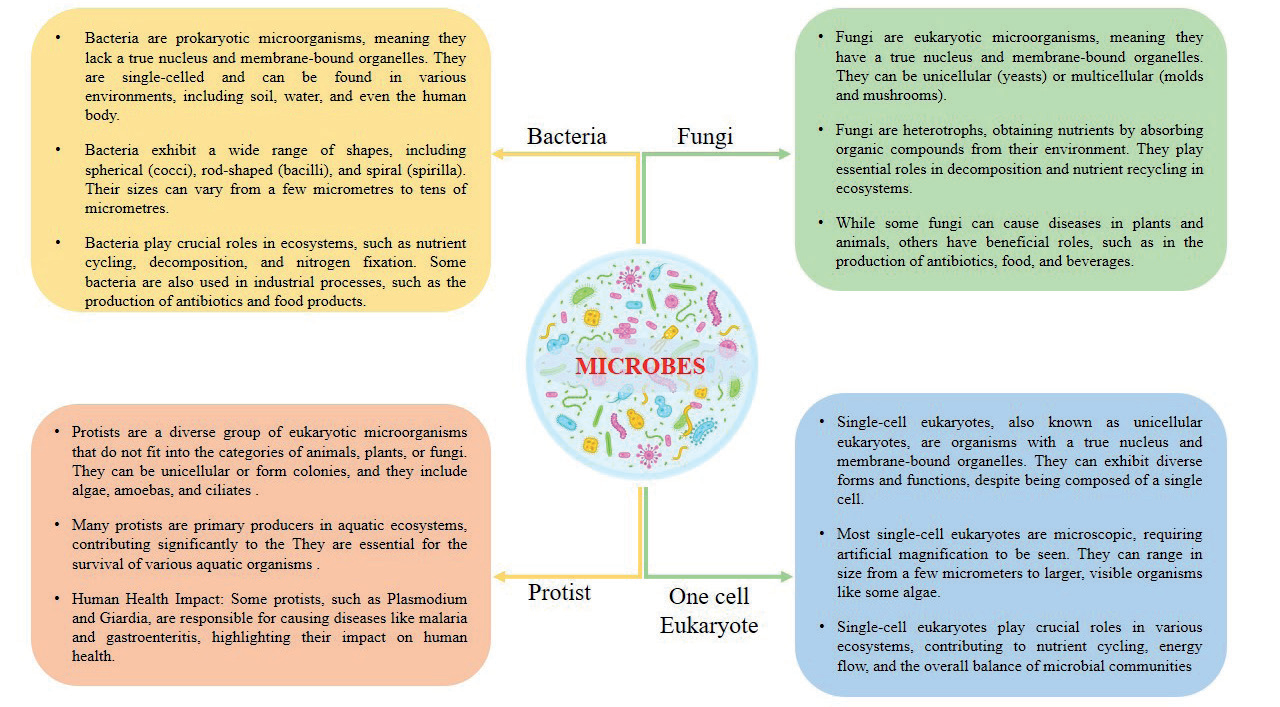
Microorganisms are classified into various categories based on their morphological, physiological, cellular, and molecular characteristics. Classification helps in organizing and studying microorganisms, as well as facilitating research and communication. One common classification system used for microorganisms is the Five Kingdom Classification. This classification system categorizes microorganisms into five kingdoms: Monera, Protista, Fungi, Plantae, and Animalia [6]. Kingdom Monera includes bacteria and archaea. Bacteria are single-celled organisms that can be found in various environments, including soil, water, and the human body. Archaea are also single-celled organisms that can be found in extreme environments, such as hot springs and deep-sea hydrothermal vents. Kingdom Protista includes various eukaryotic microorganisms such as protozoa and algae. Protozoa are single-celled organisms that can be found in water and soil. Algae are photosynthetic microorganisms that can be found in aquatic environments. Kingdom Fungi include fungi, which can be either unicellular (yeasts) or multicellular (molds). Fungi obtain nutrients by absorbing dissolved nutrients from the environment. They play important roles in decomposition and nutrient cycling. The Kingdom Plantae encompasses a diverse array of multicellular organisms known as plants, which are primarily characterized by their ability to conduct photosynthesis. Although the majority of plants are visible to the naked eye, it’s noteworthy that there are microscopic members within this kingdom, such as certain types of algae. On the other hand, the Kingdom Animalia comprises multicellular organisms referred to as animals, which acquire nutrients through the ingestion of food. While the majority of animals are macroscopic and readily observable, it’s important to recognize the presence of microscopic animals like certain protozoa within this kingdom. This highlights the vast diversity and range of sizes found within both the plant and animal kingdoms, underscoring the complexity of life on Earth. (Fig. 1). It’s important to note that viruses are not considered living organisms, but they are sometimes included in the category of microorganisms due to their small size and ability to cause infections. However, viruses are not classified within the Five Kingdom Classification system [7].
Diversity and abundance are important aspects of ecosystems that contribute to their stability and functioning. Ecosystem diversity refers to the variety of ecosystems in a particular location, including both terrestrial and aquatic ecosystems. It encompasses the variation in biological communities, such as the number of levels of ecosystem diversity, different niches, and habitat diversity. Abundance, on the other hand, refers to the relative number of individuals of each species present in a place. Evidence from multiple ecosystems suggests that biological diversity plays a crucial role in stabilizing ecosystem functioning in the face of environmental fluctuations. Variation among species in their response to such fluctuations is essential for ecosystem stability, as is the presence of species that can compensate for the function of species that are lost [8]. Ecosystems with higher species diversity tend to be more resilient, as a diverse community of organisms can absorb change and maintain the overall function of the ecosystem. Ecosystem diversity is significant to human existence for various reasons. It boosts the availability of oxygen, provides resources such as food, medicine, and raw materials, regulates climate, purifies water, and supports nutrient cycling. Understanding the diversity of ecosystems in a particular geographical location helps us comprehend their overall impact on human existence and the environment. Species diversity, which refers to the number and relative abundance of species in a given biological organization, is a measure commonly associated with biodiversity [9]. Ecosystems with higher species diversity tend to be more resilient because if one species is affected by a disturbance, a functionally similar species can take its place, maintaining the overall function of the ecosystem.
Microorganisms have remarkable abilities to adapt and survive in extreme conditions. These adaptations allow them to thrive in environments that are considered inhospitable for most other forms of life. Some microorganisms, known as thermophiles, are capable of surviving and even thriving in extremely high temperatures. They have enzymes and proteins that are stable at high temperatures, allowing them to carry out essential biological processes. On the other hand, psychrophiles are microorganisms that can survive in extremely cold temperatures, including below-freezing. Acidophiles and alkaliphiles are microorganisms that can tolerate extreme pH levels. Acidophiles can survive and grow in highly acidic environments, while alkaliphiles can thrive in highly alkaline environments [10]. Piezophiles, also known as barophiles, are microorganisms that can survive and reproduce under high-pressure conditions, such as deep-sea environments. Some microorganisms, such as Deinococcus radiodurans, can withstand high levels of radiation. They have efficient DNA repair mechanisms that allow them to repair DNA damage caused by radiation. Halophiles are microorganisms that can survive in environments with high salt concentrations, such as salt lakes and salt pans. They have adapted to these conditions by developing mechanisms to maintain osmotic balance and protect their cellular structures. Microorganisms such as tardigrades, commonly referred to as water bears, have the remarkable ability to endure extreme dehydration. This unique adaptation allows them to survive in harsh environmental conditions where water availability is limited. They can enter a hibernation state called the tun state, where they can withstand extreme desiccation and survive in a dormant state until favorable conditions return. Microorganisms can adapt their metabolic processes to survive in extreme conditions [11]. For example, some microorganisms can use alternative energy sources, such as sulfur or iron, in environments where traditional energy sources are limited.
Environmental Microorganisms’ Contribution to Global Issues
Climate Change and the Role of Microorganisms
Climate variability refers to permanent shifts in worldwide or regional climatic patterns, such as average temperatures and meteorological conditions. The overwhelming opinion amongst experts on climate change is that human actions, notably the use of fossil fuels such as coal, oil, and gas, are the principal causes of the earth's present fast warming. The combustion of fossil fuels emits greenhouse gases, including carbon dioxide (CO2), into the atmosphere. The gases mentioned above retain heat, which contributes to the greenhouse effect, which causes global warming. Other human activities, including deforestation, agriculture, and industrial operations, are all contributing to the release of greenhouse gases and climate change. Microorganisms have a substantial impact on both the retention of carbon and greenhouse gas emissions. Carbon sequestration is the act of collecting and preserving carbon dioxide (CO2) from the atmosphere in order to reduce its concentration and mitigate climate change [12]. Microorganisms contribute to carbon sequestration through various mechanisms, particularly in soil and marine environments.Microorganisms in soil, including bacteria and fungus, breakdown organic waste and transform it into highly permanent forms of carbon that may be stored for a long time. Soil microbes also promote the development of soil particles aggregates, which enhances soil structure and carbon storage capability. In marine environments, marine microorganisms, including phytoplankton, play a crucial role in carbon sequestration through photosynthesis. They absorb CO2 from the atmosphere and convert it into organic matter, which can sink to the ocean floor and be stored for long periods of time. Microorganisms are also involved in the production and release of greenhouse gases, such as carbon dioxide (CO2), methane (CH4), and nitrous oxide (N2O). Methanogenic microorganisms, found in wetlands, rice paddies, and the digestive systems of animals, produce methane as a byproduct of their metabolism. Methane is a potent greenhouse gas with a much higher warming potential than CO2. Microorganisms in soil, particularly bacteria and fungi, contribute to the production of CO2 and N2O through processes like respiration and nitrification. Changes in microbial processes due to climate change can have a significant impact on greenhouse gas emissions. For example, warmer temperatures can increase microbial activity and accelerate the release of CO2 and other greenhouse gases [13].
Pollution Remediation
The Biodegradation refers to the degradation of organic contaminants in soil, water, and air by microorganisms such as bacteria and fungi. These microorganisms convert organic contaminants into carbon dioxide, water, and microbial cell mass under aerobic conditions. Biodegradation is an important process in environmental remediation, as it helps to remove or neutralize hazardous substances in polluted soil, water, and air. In soil, biodegradation of pollutants occurs through the activity of indigenous or transplanted/acclimated microorganisms, primarily bacteria and fungi [14]. These microorganisms break down organic contaminants into simpler compounds such as carbon dioxide, water, and microbial cell mass. The soil ecosystem is complex, with various biological consortia playing an active role in the degradation of pollutants. Microbes, including aerobic and anaerobic bacteria, microfungi, mycorrhiza, algae, and protozoa, are capable of removing pollutants from soils. Biodegradation of pollutants in water is also carried out by microorganisms, primarily bacteria and fungi. Microorganisms in water can break down organic contaminants into simpler compounds through metabolic processes. Bioremediation, which involves the use of biological agents such as bacteria, fungi, or green plants, is commonly used to remove or neutralize hazardous substances in polluted water. Biodegradation of pollutants in the air can occur through various processes. One method is bioventing, which involves introducing air into the soil to encourage microbiological activity that removes pollutants from polluted sites. Another method is biosparging, which encourages microbial degradation by injecting air into a saturated zone to volatilize contaminants. In situ, air sparging (IAS) uses high air-flow rates to volatilize contaminants, while biosparging encourages microbial degradation. Oxygen can also be supplied to microorganisms during enhanced bioremediation to hasten the biodegradation processes. Microbial-based solutions play a crucial role in wastewater treatment processes [15]. These solutions utilize microorganisms to help remove contaminants and pollutants from wastewater, making it safe for discharge or reuse. Microorganisms play a vital role in wastewater treatment processes by actively contributing to the restoration of water to a healthy and potable state. Their inherent capacity to break down and remove organic matter, nutrients, and pollutants present in wastewater is instrumental in mitigating the environmental impact of untreated water discharge and ensuring the provision of clean and safe water for various applications. Microorganism-based processes are seen as promising technologies to treat polluted wastewater. These processes utilize microorganisms as decontaminating tools to treat wastewater. Bacteria play a vital role in wastewater treatment. They break down organic material in wastewater and form floc, which helps in the removal of suspended solids. Creating a favorable environment for bacteria is essential for the success of wastewater treatment processes. These are just a few key points about microbial-based solutions for wastewater treatment [16]. The field of wastewater treatment is vast and constantly evolving, with ongoing research and advancements in microbial technologies.
Biodiversity Conservation
Biodiversity conservation refers to the protection, management, and sustainable use of biological diversity to derive benefits for present and future generations. It involves preserving the diversity of species, utilizing species and ecosystems sustainably, and maintaining essential ecological processes and life-supporting systems. Microorganisms play a crucial role in biodiversity conservation. They are found in various ecosystems, including soil, water, and the human body, and contribute to the overall health and functioning of these ecosystems [17]. Microorganisms play a fundamental role in vital ecological processes such as nutrient cycling, decomposition, and the maintenance of soil fertility. Their involvement in the breakdown of organic matter liberates essential nutrients that support the growth of plants and other organisms, thereby contributing to the overall health and sustainability of the soil. Moreover, soil microorganisms are indispensable for fostering nutrient cycling, shaping soil structure, and mitigating plant diseases. Conservation practices aimed at bolstering microbial biodiversity within soil ecosystems have the potential to augment soil fertility and productivity. The richness of microbial biodiversity further underpins the stability and resilience of ecosystems, influencing the breakdown of pollutants, the regulation of greenhouse gas emissions, and the prevention of soil erosion. Preserving microbial diversity stands as a critical determinant in fortifying the stability and sustainability of ecosystems. Beyond their ecological significance, microorganisms harbor immense biotechnological potential, serving as a wellspring for enzymes, biodegradable plastics, biofuels, and an array of other valuable products. Conserving microbial biodiversity ensures the preservation of potential resources for future biotechnological applications. Microbial symbiosis refers to the close and long-term association between different species of microorganisms. These associations can be mutually beneficial, where both organisms benefit from the relationship, or they can be parasitic, where one organism benefits at the expense of the other. Microbial symbiosis plays a crucial role in ecosystem functioning and has significant impacts on various ecological processes. Symbiosis has played an important part in the development of life on earth. Eukaryotes evolved as a result of symbiotic mergers between previously separate organisms. Furthermore, symbiosis has permitted many organisms to obtain fresh roles and fill new ecological niches, therefore supporting the functioning of varied ecosystems [18]. Microbial symbionts participate in many fundamental nutrient and geochemical transformations in ecosystems. They contribute to processes such as nutrient cycling, decomposition, and organic matter breakdown, which are essential for the functioning of ecosystems. Microbial symbionts have a direct impact on energy and nutrient flows within ecosystems. They can enhance nutrient availability for host organisms, facilitate nutrient uptake, and contribute to the overall productivity of ecosystems. Microbial symbionts can have profound effects on the ecology and evolution of their host organisms. They can influence host behavior, physiology, and even reproductive strategies, thereby shaping the dynamics of ecosystems. Many microbial symbiotic relationships are mutualistic, meaning both organisms benefit from the association. For example, certain bacteria in the roots of plants form mutualistic relationships, providing the plants with essential nutrients while receiving carbohydrates in return.
Local Environmental and Ecological Challenges
Urban Environments
Microbial indicators are commonly used to assess urban pollution levels, particularly in water environments. These indicators help determine the presence and level of fecal contamination, which is a major concern for public health. Fecal contamination can lead to the spread of waterborne diseases and other adverse health outcomes. Fecal Indicator Bacteria (FIB), such as Escherichia coli (E. coli) and enterococci, are widely used as microbial indicators for assessing urban pollution levels. These bacteria are commonly found in the intestines of warm-blooded animals, including humans, and their presence in water indicates fecal contamination. Microbial Source Tracking (MST) is another approach used to identify the sources of fecal contamination in water environments. MST involves the analysis of specific microbial markers or genetic markers to determine whether the contamination is from human, animal, or environmental sources. Bacteriophages, which are viruses that infect bacteria, can also serve as indicators of fecal pollution [19]. The presence of certain bacteriophages in water can indicate the presence of fecal contamination and the potential presence of enteric viruses. These microbial indicators are analyzed through various techniques, including qPCR (quantitative polymerase chain reaction), which allows for the detection and quantification of specific microbial markers. It is worth noting that microbial indicators are not only used for assessing urban pollution levels in water environments but also in other ecological systems, such as wetlands and terrestrial habitats. Overall, microbial indicators play a crucial role in assessing urban pollution levels, particularly in water environments, by providing valuable information about the presence and level of fecal contamination. These indicators help in monitoring water quality and identifying potential health risks associated with fecal pollution.
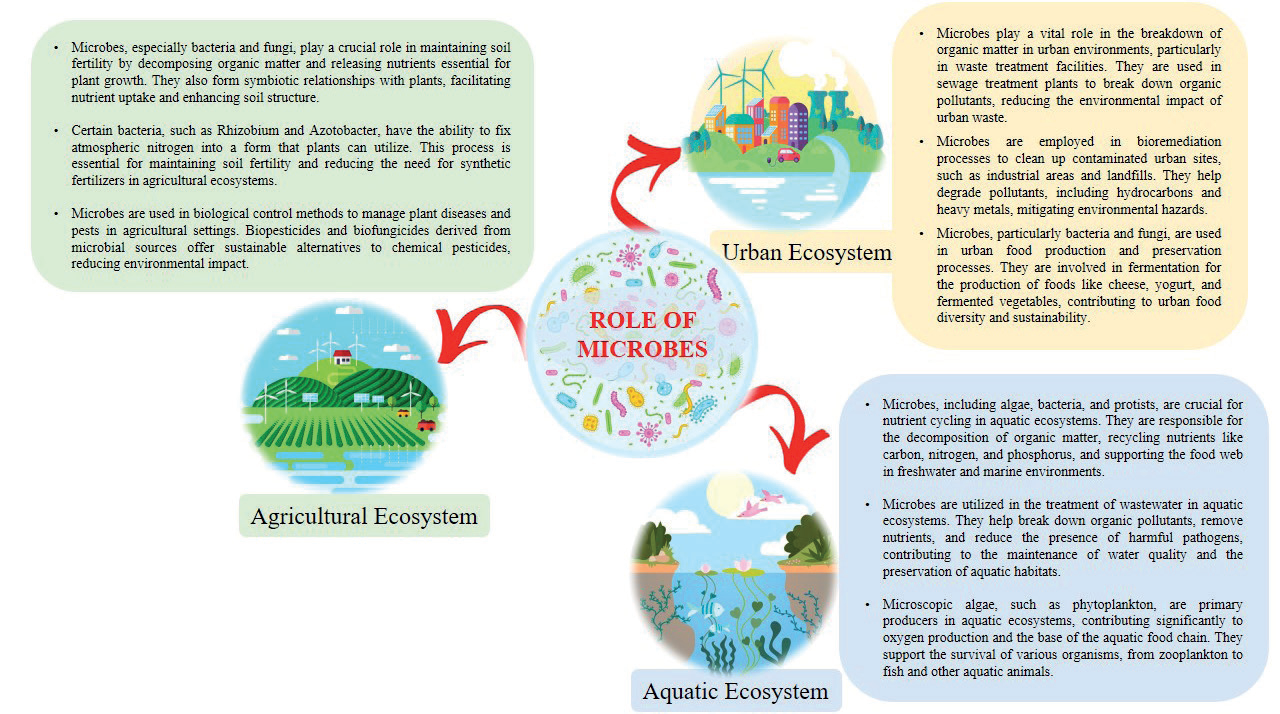
Urban green spaces, such as parks, gardens, and urban forests, play a crucial role in air purification within cities. These green spaces contribute to improving air quality by mitigating the negative impacts of air pollution. The microbial communities present in urban green spaces also play a role in this process. Urban green spaces act as natural filters, trapping and removing pollutants from the air. Vegetation, including trees, shrubs, and grasses, can capture airborne particles, such as dust, pollen, and soot, through their leaves and branches. The surfaces of leaves and plant structures provide a habitat for microbial communities, including bacteria and fungi, which can further contribute to the breakdown and removal of pollutants. Microbial communities in urban green spaces interact with plants and the surrounding environment, influencing air quality. Soil microorganisms, for example, play a vital role in nutrient cycling and organic matter decomposition, which can indirectly affect air quality by reducing the release of volatile organic compounds (VOCs) and other pollutants [20]. Phytoremediation, the use of plants to remove or degrade pollutants, is another mechanism by which urban green spaces contribute to air purification. Certain plant species can absorb and break down pollutants, including volatile organic compounds (VOCs) and heavy metals, through their root systems and associated microbial communities. Urban green spaces serve as essential components in mitigating the urban heat island effect, a phenomenon characterized by cities experiencing considerably higher temperatures than their surrounding rural areas. These green spaces contribute to reducing the heat island effect by providing shade, evaporative cooling, and promoting natural ventilation, thereby helping to create a more comfortable and sustainable urban environment. By providing shade and evaporative cooling, green spaces can reduce the temperature in urban areas. This cooling effect can indirectly contribute to air purification by reducing the formation of certain air pollutants, such as ozone (Fig. 2).
Agricultural Systems
Microbial biofertilizers have been found to have a positive impact on crop productivity in sustainable agriculture. These biofertilizers consist of beneficial soil microbes that can enhance soil fertility, nutrient availability, and plant growth. The use of microbial biofertilizers can lead to better crop productivity by improving soil health and nutrient cycling. They can fix atmospheric nitrogen, solubilize phosphorus and potassium, produce plant growth-regulating substances, and degrade organic matter in the soil [21]. These processes contribute to the availability of essential nutrients for plants, promoting their growth and development. Studies have reported the positive effects of microbial biofertilizers on crop productivity. The capability of biofertilizers to form a high-level microbial diversity in the soil has been associated with better crop productivity. The use of biofertilizers as seed or soil inoculants allows them to multiply and participate in nutrient cycling, benefiting crop productivity. Microorganisms wield considerable influence in the suppression of plant diseases and pests. Although certain microorganisms are notorious for their pathogenic attributes, others play a beneficial role and can be harnessed in agricultural practices to bolster plant health and mitigate the impact of plant diseases and pests. This underscores the pivotal role of microorganisms in sustainable agricultural strategies aimed at maintaining the well-being of crops and ecosystems. Beneficial microorganisms can compete with harmful microbes for resources, such as nutrients and space, thereby reducing the growth and establishment of pathogens. Some microorganisms produce antimicrobial compounds that can inhibit the growth of plant pathogens. Beneficial microorganisms can induce resistance in host plants, making them more resistant to diseases and pests. Microorganisms play a crucial role in decomposing organic matter, including plant residues, which can help reduce the buildup of pathogens and pests. Certain microorganisms can detoxify pesticides, reducing their harmful effects on plants and the environment [22, 23]. Microorganisms can be found in various parts of plants, including the rhizosphere (the soil surrounding the roots) and the phyllosphere (the above-ground parts of plants, such as leaves). While the rhizosphere has received more attention in terms of microbial communities and disease suppression, there is growing evidence that phyllosphere microbial communities also contribute to disease suppression in plants. The use of biocontrol agents is an effective strategy for utilizing beneficial microorganisms to suppress plant diseases and pests. Biocontrol agents are microorganisms or other organisms that can be applied to plants or the soil to control pests and diseases [24]. They can include bacteria, fungi, viruses, and other microorganisms. Overall, the role of microorganisms in suppressing plant diseases and pests is crucial for sustainable agriculture and global food security (Fig. 2). By harnessing the beneficial properties of microorganisms, we can reduce the reliance on chemical pesticides and promote healthier and more resilient plant ecosystems [25, 26].
Aquatic Ecosystems
Microbial communities have an important function in marine as well as freshwater ecosystems. These communities contain a wide variety of microbes, comprising bacteria, archaea, viruses, and protists. Freshwater environments, such as lakes, rivers, and streams, harbor diverse microbial communities. Sediment in freshwater environments is known to have a high microbial diversity. Freshwater microbial communities can include small protists and unexpected marine lineages. There are relatively high proportions of proteolytic bacteria in marine habitats compared to freshwater habitats. Marine environments, including oceans and seas, are home to a wide variety of microbial communities. Marine sediment is a crucial component of the Earth’s system and contributes substantially to global biomass. Marine microorganisms, such as cyanobacteria, have played a significant role in shaping the chemical environment over billions of years [27, 28]. Marine microbes are important for the overall habitability of the Earth and are major pillars of the biosphere. Marine microbial communities are diverse and include bacteria, archaea, and other microorganisms. Microbial communities in both freshwater and marine environments are involved in various ecological processes. Bacteria and viruses in marine ecosystems, for example, play a crucial role in the regulation of saltwater and freshwater ecosystems (Fig. 2). Microbial communities contribute to the cycling of nutrients, such as carbon, nitrogen, and phosphorus, in aquatic environments. They are involved in the decomposition of organic matter, nutrient cycling, and the production of primary and secondary metabolites. Microbial communities also interact with higher organisms, such as plants and animals, and can influence their health and survival. Oil spills and other pollutants in aquatic systems can have severe detrimental effects on the environment, including marine ecosystems. Bioremediation, which utilizes the natural abilities of microorganisms to degrade pollutants, is a promising approach to mitigating the impact of these spills and pollutants. Bioremediation of oil spills involves the use of microorganisms to break down and degrade the hydrocarbons present in the spilled oil. Specific bacteria can be used to bioremediate specific contaminants, such as hydrocarbons found in oil and gasoline. Microbial degradation is a principal process in the elimination of petroleum pollutants from the environment [29, 30]. Bioremediation methods for oil spills include the use of native bacteria strains, such as Rhodococcus erythropolis and Pseudomonas sp., which are effective in degrading oil. In situ, bioremediation techniques, such as bio-venting, bio-slurping, bio-sparging, and phytoremediation, can be employed to enhance the transformation of pollutants and stimulate microbial bioremediation. Bioremediation can also be applied to other pollutants in aquatic systems, such as chemicals and heavy metals. Certain microorganisms can degrade or transform these pollutants into less harmful substances. Bioremediation strategies for other pollutants may involve the use of specific microbial strains or the enhancement of natural microbial communities in the environment [31,32]. It is important to note that the effectiveness of bioremediation techniques can vary depending on various factors, including the type and concentration of pollutants, environmental conditions, and the presence of suitable microbial populations. Additionally, the success of bioremediation efforts may also depend on the timely response to spills and the implementation of appropriate containment and cleanup measures.
Fig. 2.
The role of microbes in different ecosystems, i.e., urban, agricultural, and aquatic ecosystems. The figure provides a comprehensive exploration of the functions and significance of microbial communities within diverse environmental settings. It delves into the intricate interactions and contributions of microbes in urban, agricultural, and aquatic ecosystems, highlighting their pivotal roles in processes such as nutrient cycling, waste degradation, and symbiotic relationships with plants and animals. The legend seeks to elucidate the multifaceted impact of microbial communities on the ecological dynamics and sustainability of these distinct ecosystems, thereby emphasizing their fundamental importance in maintaining environmental balance and functionality.
Current Research and Technological Advancements
Studying microbial communities is crucial for understanding their structure, dynamics, and functions. Modern molecular techniques have revolutionized the study of microbial communities. These approaches involve analyzing the genetic material (DNA or RNA) of microorganisms to identify and characterize their diversity, abundance, and interactions. Metagenomics involves sequencing the DNA or RNA directly from environmental samples, allowing researchers to study the collective genomes of microbial communities without the need for cultivation. Metatranscriptomics focuses on studying the gene expression patterns of microbial communities, providing insights into their functional activities and metabolic processes [33-35]. Metaproteomics involves analyzing the proteins produced by microbial communities and providing information about their metabolic activities and functional potential. 16S rRNA Gene Sequencing technique targets a specific region of the bacterial and archaeal 16S rRNA genes to identify and classify microbial taxa present in a community. Shotgun metagenomics involves sequencing the entire DNA content of a microbial community, providing a comprehensive view of its genetic potential. Microbiome engineering techniques aim to manipulate microbial communities to optimize their functions or achieve desired outcomes. One approach is to modulate environmental conditions to effect changes in community function. For example, in bioreactor systems, the environmental conditions can be adjusted to enhance the production or degradation of specific compounds. High-throughput experimental techniques generate large amounts of data, enabling researchers to study microbial communities comprehensively and systematically. These techniques often require the integration of bioinformatics and statistical analyses to interpret the data effectively [36-38]. Culture-independent techniques (CIMs) have recently been established for investigating microbial communities without requiring culturing. These technologies enable investigators to overcome the constraints of standard culture-based methodologies, which are capable of recording a subset of microbial diversity. It's worth noting that these methodologies are always developing, with new approaches being developed to improve our comprehension of microbial populations.
Challenges and Future Perspectives
Harnessing the potential of environmental microorganisms can offer numerous benefits, including bioremediation, sustainable energy production, and the development of new drugs and materials. However, several limitations and obstacles need to be considered. Microorganisms that thrive in extreme environments, such as thermophiles, psychrophiles, acidophiles, alkaliphiles, halophiles, and piezophiles, have unique adaptations that allow them to survive in these harsh conditions. However, their specialized requirements and limited availability can make it challenging to harness their potential for practical applications. Climate change is impacting the Earth’s ecosystems, including microorganisms [39, 40]. Fluctuating environmental conditions can disturb microbial communities and impede their functional capabilities, impacting their potential for diverse applications. A multitude of environmental stressors, including climate change, water and soil acidification, and air pollution, pose challenges to realizing the full potential of microorganisms. These hazards are frequently associated with human activities, particularly the reliance on fossil fuel energy. Microorganisms thriving in extreme environments exhibit exceptional genetic diversity and metabolic capabilities. Nevertheless, comprehensively unlocking and leveraging their potential necessitates extensive research and characterization, which can be a laborious and resource-intensive endeavor. The growth and activity of microorganisms are influenced by various physical factors in their environment, including temperature, osmotic pressure, pH, and oxygen concentration. Fluctuating environmental conditions can impact the growth and performance of microorganisms, making it challenging to harness their potential consistently. While microorganisms have broad environmental applications, large-scale production of products derived from microorganisms is still limited. Scaling up the production process while maintaining efficiency and cost-effectiveness remains a challenge [40]. It is important to note that these limitations and obstacles are not insurmountable. Ongoing research and technological advancements continue to address these challenges and unlock the full potential of environmental microorganisms. By understanding their unique adaptations and metabolic capabilities, scientists can develop strategies to harness their potential more effectively.
Conclusions
In conclusion, the utilization of environmental microorganisms presents a promising avenue for addressing both global and local environmental and ecological issues. Through harnessing their power, we have the potential to tackle a wide range of challenges, from pollution control to ecosystem restoration. Microorganisms play a crucial role in the natural processes that maintain the balance of our planet. By understanding their unique abilities, scientists and researchers are discovering innovative ways to leverage their potential for sustainable solutions. From bioremediation of contaminated sites to the production of biofuels, these tiny organisms have proven themselves as powerful allies in our quest for a healthier environment. One of the key advantages of harnessing environmental microorganisms is their ability to adapt and thrive in diverse conditions. This adaptability allows them to flourish in polluted environments, breaking down harmful substances and transforming them into harmless byproducts. This natural remediation process not only cleans up contaminated sites but also reduces the need for harsh chemicals and costly interventions. Furthermore, the use of microorganisms in agricultural practices has the potential to revolutionize food production. Beneficial microorganisms can improve soil fertility, boost plant development, and inhibit dangerous diseases, thereby lowering the requirement for chemical fertilizers and pesticides. This sustainable method protects the environment while also ensuring the long-term sustainability of our farming systems. In addition to their roles in pollution control and agriculture, microorganisms also contribute to the preservation and restoration of fragile ecosystems. For instance, microbial communities can facilitate the recovery of degraded habitats, such as coral reefs and wetlands. By understanding the intricate relationships between microorganisms and their environment, we can develop targeted interventions to support the recovery of these vital ecosystems. While harnessing the power of environmental microorganisms shows immense promise, further research and collaboration are needed to fully unlock their potential. By investing in scientific inquiry and fostering interdisciplinary partnerships, we can continue to explore the vast possibilities that these microorganisms offer. This review of harnessing the power of environmental microorganisms reveals their potential to address global and local environmental and ecological issues. By capitalizing on their unique abilities, we can pave the way for a more sustainable and resilient future. Embracing this approach will not only benefit the environment but also safeguard the well-being of both current and future generations. Together, let us harness the power of these remarkable microorganisms and create a harmonious coexistence with our planet.

