


Introduction
Spinach (Spinacia oleracea L.), a member of the Chenopodiaceae family, is a widely cultivated leafy vegetable with an annual global production of 26.2 million tons (FAO 2021). Its leaves are highly nutritious and are an excellent source of various vitamins (A, B2, B6, B9, C, E, K, or folate), minerals (including potassium, calcium, magnesium, iron, manganese, selenium), and dietary fiber [1].
Soil contamination by heavy metals occurs due to natural processes like weathering and erosion of parent rock material or ore deposits, as well as artificial sources such as wastewater irrigation and mining activities. Heavy metal contamination in soil is a significant environmental issue that poses risks to ecosystems, agricultural productivity, and human health. The presence of one contaminant can influence the effects of others. Most research to date has focused on the impact of individual metals on plants [2]. Heavy metals typically exist in an insoluble form in soil, making them inaccessible to plants. However, plants may enhance their bioavailability by releasing root exudates that modify the pH of the rhizosphere, thereby increasing heavy metal uptake [3]. Common heavy metals that contaminate soils include lead (Pb), cadmium (Cd), mercury, arsenic, chromium, and nickel. Heavy metals may disrupt soil microbial communities, affecting nutrient cycling and soil structure [4].
Heavy metals like cadmium (Cd) and lead (Pb) can hinder plant growth by disrupting root and shoot development, resulting in stunted growth, reduced biomass, and decreased crop yields [5, 6]. They also trigger the production of reactive oxygen species (ROS) in plants, leading to oxidative stress that damages cellular components such as lipids, proteins, and DNA, affecting overall cell function or viability [5, 6]. Additionally, heavy metals impair photosynthesis by harming chloroplasts and reducing chlorophyll levels, which lowers photosynthetic efficiency and energy production necessary for plant growth [6, 7]. These metals can also interfere with enzymes that are essential for metabolic processes, such as those involved in nitrogen assimilation and carbohydrate metabolism, ultimately reducing plant productivity [6, 7]. On a cellular level, heavy metals can damage structures like cell membranes, mitochondria, and chloroplasts, leading to cell death and necrosis, further weakening plant growth [6, 7]. Moreover, heavy metals can cause mutations and alter gene expression, disrupting growth regulation and stress response pathways, potentially leading to long-term changes in plant physiology [6, 7].
Accumulation of heavy metals in plants can have significant impacts on animals and humans who consume these contaminated plants. These metals can build up in plant tissues and enter the food chain. As animals and humans eat these plants, the metals can accumulate in their bodies, leading to bioaccumulation. This may result in biomagnification, where the concentration of heavy metals increases with each level of the food chain [8]. Certain heavy metals, like cadmium (Cd), are known carcinogens and may elevate cancer risk. Lead (Pb) exposure can cause neurological harm, leading to cognitive and developmental problems, particularly in children. Prolonged exposure to heavy metals is also linked to cardiovascular diseases and kidney damage [8].
Biogas slurry can significantly decrease plants’ uptake of heavy metals. The organic matter in the slurry contains functional groups capable of binding with heavy metals, lowering their bioavailability in the soil [9, 10]. This binding process restricts plants’ absorption of heavy metals, mitigating their toxicity and improving soil properties [9]. Additionally, biogas slurry enhances soil fertility by providing essential nutrients such as nitrogen, phosphorus, or potassium, promoting microbial activity, and improving soil structure by increasing water retention and aeration [10]. The bioactive compounds in the slurry can also help suppress soilborne diseases, fostering healthier plant growth [11]. However, it’s important to conduct a thorough risk assessment before using biogas slurry in agricultural fields to avoid introducing harmful levels of heavy metals [12].
Building on the previous information, a hypothesis was proposed that using biogas slurry as an organic fertilizer may significantly enhance plant growth and improve soil properties. By providing a natural source of nutrients, biogas slurry may reduce the reliance on chemical fertilizers, supporting more sustainable farming practices. To explore this, the study examined the effects of biogas slurry application on the growth, physio-biochemical responses of spinach plants, and soil properties over two growing seasons.
Materials and Methods
Experimental Location
Two field experiments were carried out in Al-Hamul district (latitude 31.24°N, longitude 31.04°E, and elevation of 14 m above sea level) in Kafr El-Sheikh Governorate, Egypt, during two consecutive growing seasons (2022 and 2023). These studies aimed to improve the effects of different forms of organic fertilizers, including semi-solid biogas slurry and liquid biogas, on the growth, physio-biochemical responses of spinach plants, and soil properties under conditions of soil contamination with lead (Pb) and cadmium (Cd).
Table 1.
Fundamental soil characteristics before cultivation during the seasons of 2022 and 2023.
Initial Soil Sample Analyses
Before the sowing process, initial soil samples were collected at a depth of 0-25 cm for analysis using standard methods based on Sparks et al. [13] and Dane and Topp [14]. Table 1 presents the fundamental soil characteristics before cultivation for the 2022 and 2023 seasons.
Experimental Design and Treatments
A completely randomized design in three replicates was utilized as follows:
1. Recommended dose of mineral fertilizers (Control, RD).
2. Semi-solid biogas slurry (SSBS) as 72 m3ha-1 (Soil application).
3. SSBS 72 m3 with 48 Lha-1 of liquid biogas slurry (LBS) as a foliar application.
4. SSBS 72 m3ha-1 with RD as a foliar application.
5. SSBS 96 m3ha-1 (Soil application).
6. SSBS 96 m3ha-1 with 48 L (LBS-foliar application).
7. SSBS 96 m3ha-1 with RD as a foliar application.
Studied Forms of Biogas Slurry
Semi-solid biogas slurry (SSBS) or liquid biogas slurry (LBS) were procured from the Egyptian commercial market, Corn Company for Sustainable Development, and their characteristics are shown in Table 2.
Cultivation and Harvest
Spinach (Spinacia oleracea) seeds of the Balady variety were sown in rows at a rate of 28.8 kg per hectare in the second week of September for both seasons studied. The cultivation area measured 12 m2 (3.0×4.0 m). A recommended dose of 144 nitrogen units per hectare was applied for spinach production, adjusted for the soil’s available nitrogen content (30 mg/kg). Mineral nitrogen was supplied as ammonium sulfate (21% nitrogen). In addition, all plots received 28.8 phosphorus units per hectare through calcium superphosphate (6.7% phosphorus) during soil preparation and 60 potassium units per hectare as potassium sulfate (39.8% potassium) at the second irrigation. Irrigation was carried out every 10 days. Semi-solid biogas slurry treatments were incorporated into the soil before planting. Liquid biogas slurry was applied in two doses: the first with the initial irrigation at planting and the second as a foliar spray 20 days after the first irrigation.
Sampling, Measurements, and Determination
Spinach was harvested at the pre-flowering stage, specifically when it reached the 5-6 leaf growth stage, occurring around 60 days after sowing in both experimental seasons. The following characteristics were then analyzed.
Vegetative Growth Characters
The parameters assessed included plant height (cm), dry weight (determined by drying plants in electric oven (BINDER Drying and Heating Chambers, China) at 70ºC for 72 hours, measured in grams per plant), and leaf area (cm² per plant) using a portable laser leaf area meter (Ci-02) from CiD Bio-Science, USA. Additionally, at harvest, measurements were taken for plant height (cm), number of leaves per plant, and yield (Mg per hectare).
Chlorophyll Pigments Content
Thirty days after sowing, leaflets from the third leaf counted from the plant tip were collected and submerged in 5 mL of N,N-dimethylformamide for extraction. This extraction was conducted overnight at room temperature in the dark. Chlorophyll pigment concentrations (chlorophyll a, b, and total) were measured in µg/g of fresh weight following the procedure described by Moran [15].
Proline Content
At the thirty-day post-sowing, fresh leaves were utilized to determine proline content, measured in micromoles per gram of fresh weight (µmol g⁻1 FW). This analysis was performed using a spectrophotometer (Shimadzu UV 1601) at a wavelength of 520 nm, following the protocol established by Bates et al. [16].
Total Phenols Content
The total phenolic compounds were quantified following the method outlined by Bessada et al. [17], with careful adherence to each step to ensure accuracy and reliability of measurements.
Mineral Element Nutrients
The chemical composition of leaves (N, P, K%, and Fe, Zn, Cu, Pb, Cd ppm) was determined. Plant sample digestion was done using HClO4 + H2SO4 as mixture [18].
NPK Percentages
Then N, P, K percentages were determined utilizing MicroKjeldahl (Model: 054120-01 Japan), spectrophotometric and flame photometer (FP910 Brochure, Russian), respectively [19].
Fe, Mn, Zn, Cu, Pb, and Cd Content
The concentrations of iron (Fe), manganese (Mn), zinc (Zn), copper (Cu) in spinach plants were determined in parts per million (ppm) using Atomic Absorption Spectroscopy (SP-IAA320, InfiteK, China), following the Soil Science Research Institute by Chen et al. [20]. Lead (Pb) and cadmium (Cd) levels were measured in ppm using inductively coupled plasma-optical emission spectrometry (ICP-OES, ICAPTM 7000 Plus Series, Thermo ScientificTM, USA) after acid digestion with HNO3 (69%) and H₂O₂ (30%) in a microwave digestion apparatus (Milestone MLS 1200 Mega), as described by Bettinelli et al. [21].
Nitrate and Nitrite (mg kg-1) Contents
Nitrate or nitrite (mg kg-1) contents in spinach leaves at the harvest stage were determined as described by Ozdestan and Uren [22].
Oxalate Content
Leaves were dried at 60ºC, homogenized in deionized water, and oxalate concentration was measured using an oxalate kit following Palaniswamy et al. [23].
Nitrate Reductase Assay
The activity of nitrate reductase (NR) was assessed by measuring the production of NO2-. Leaf material extraction and NR activity measurements followed the method of Kaiser and Brendle-Behnisch [24], with some modifications. At specific times, leaves were flash-frozen in liquid nitrogen, ground into fine powder, and stored in liquid nitrogen until analyzed. For activity assay, 1 mL of a buffer containing 50 mM Hepes-KOH (pH 7.5), 2 mM DTT, 0.2% (v/v) Triton X-100, or MgCl2 (at specified concentrations) was added to a frozen leaf sample (around 0.2 mg chlorophyll). The sample was then homogenized, and a 100 µL portion was added to 450 µL of reaction medium containing 40 mM Hepes-KOH, 5 mM KNO3, 0.2 mM NADH, and MgCl2. The interval between adding the medium to the leaf material and starting the assay was 2 min. Enzyme assay was conducted at 30°C for 2 min and halted by adding 100 µL of 1 M zinc acetate solution. Any remaining NADH was oxidized by adding 50 µL of 0.15 mM phenazine methosulfate. Nitrite formation was then measured according to the method of Hageman and Reed [25].
Soil Physical Analysis
In addition, soil properties were assessed at harvest, including bulk density (Mg m⁻3), total porosity (%), pH, electrical conductivity (EC, dS m⁻1), organic matter content (%), and available nitrogen (mg kg⁻1), following methods outlined by Sparks et al. [13] and Dane and Topp [14]. Total microbial count (CFU mL⁻1) in soil was determined by estimating the total number of microorganisms in the plant rhizosphere, as described by Allen [26].
Soil samples were air-dried and analyzed for some chemical characteristics, i.e., soil pH according to McLean [27]. Total soluble salts (EC) were determined utilizing electrical conductivity meters at 25ºC in soil paste extract as dS/m [28]. Cation exchange capacity (CEC) expressed in (C moles kg-1) was determined by the sodium acetate (NaOAC) method by Kim et al. [29]. Organic matter content (O.M) was measured according to Bhattacharyya et al [30].
The undisturbed soil samples were used to evaluate some of the physical properties, i.e., Soil bulk density (g cm-3) and Total porosity (%) were determined according to Campbell [31]. Field capacity (FC) and permanent wilting point (PWP) were obtained by the pressure plate method, using pressure of 0.033 and 1.5 MPa, respectively, according to Klute and Dirkoson [32].
Soil Chemical Analysis
The available soil nutrients were determined using various extraction methods following formal protocols. Specifically, the following extraction methods were used to assess the availability of different nutrients in the soil. Potassium sulfate (K2SO4) at a concentration of 1% was employed to extract available soil nitrogen (Kjeldahl method). The method was used to extract available soil phosphorus (spectrophotometric method) [33]. Ammonium acetate was used to extract available soil potassium (flame photometer method). Diethylene triamine penta acetic acid (DTPA) was utilized to extract available soil Fe, Zn, Cu, Pb, and Cd (BY AAS) [33].
Statistical Analyses
Statistical analysis was done as described by Gomez and Gomez [34] via CoStat (Version 6.303, CoHort, USA, 1998-2004) and DMRT (Duncan’s)
Results and Discussion
Plant Height, Leaf Number/Plant, and Plant Leaf Area
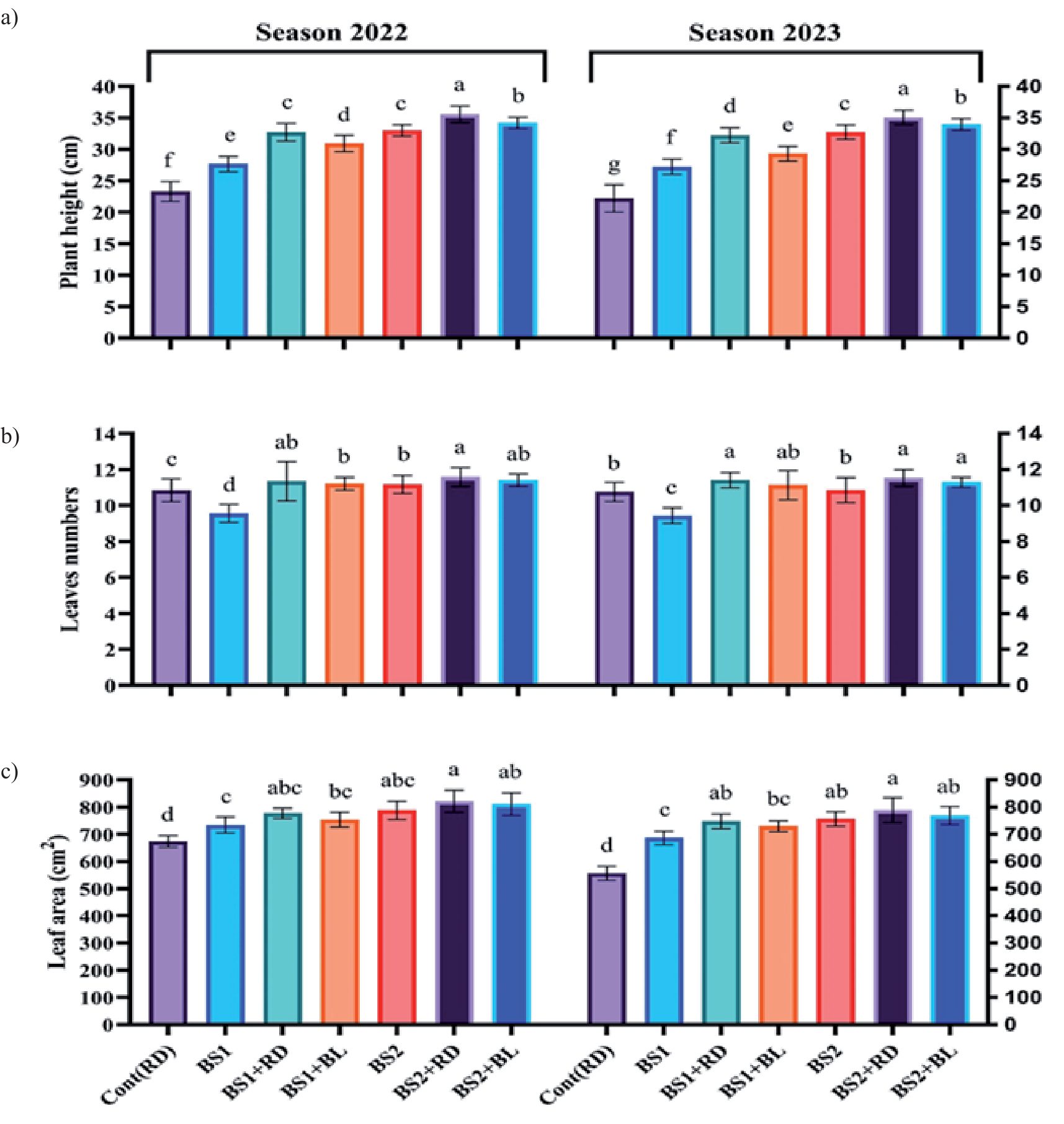
The data in Fig. 1 indicate that treatments using semi-solid biogas slurry, whether alone or combined with liquid biogas slurry or the recommended NPK dose, improved spinach plant height and number of leaves per plant in comparison to control plants during the 2022 and 2023 seasons. The highest plant heights or leaf number per plant were observed for BS1 and BS2 combined with the recommended NPK dose, as well as for BS2 combined with 48L/ha of liquid biogas slurry, across both seasons. Fig. 1 illustrates that using both forms of biogas slurry, either combined with each other or with the recommended NPK dose, significantly increased spinach leaf area compared to the control across both growing seasons. The largest leaf area was observed with 96 m3/ha of semi-solid biogas slurry (SSBS) combined with either the recommended NPK dose or 48 L/ha of liquid biogas slurry foliar application in both seasons.
The improvement in spinach plant height, leaf count, and total leaf area following the application of biogas slurry could be attributed to its high nutrient content, which boosts photosynthesis and promotes the development of plant tissues and organs [35]. Additionally, biogas slurry improves the soil’s physical or chemical properties, raising total nitrogen and available phosphorus levels [36], creating a nutrient-rich environment that fosters plant growth. Biogas slurry also accelerates nutrient cycling and influences soil microbial community structure, further promoting plant growth [35]. Combining biogas slurry with NPK fertilizers has been shown to boost plant height. For instance, in okra, a mix of 50% nitrogen from biogas slurry and 50% from NPK fertilizers resulted in a 15% height increase compared to using only NPK [37]. This combination enhances soil nitrogen, phosphorus, and potassium availability, supporting root and overall plant growth [38]. Study suggests that substituting a portion of NPK with biogas slurry can be beneficial; for example, replacing 25% of nitrogen fertilizer with biogas slurry may increase soil nutrients or promote plant growth [38].
Chlorophyll Pigments Content
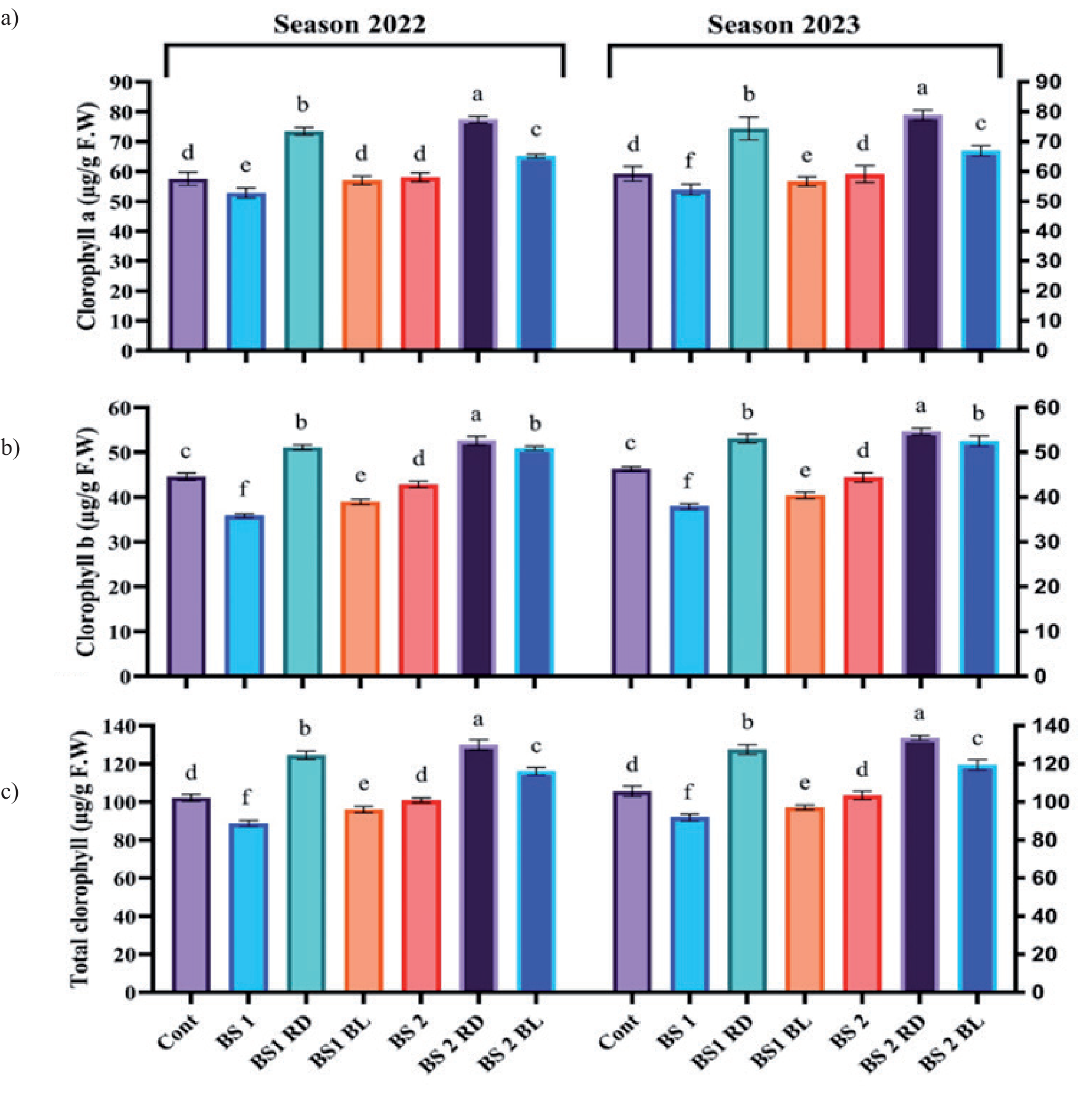
According to Fig. 2, applying semi-solid biogas slurry (SSBS) at 72 m3/ha (BS1) significantly decreased chlorophyll pigments (chl. a, b, and total chl.) compared to the recommended NPK dose (control) in both seasons. However, no notable differences in chl. a and total chlorophyll were observed with the 96 m3/ha (BS2) application when compared to the control. Combined application of SSBS with either recommended NPK dose or liquid biogas slurry (LBS) foliar application significantly increased chlorophyll pigment levels across both seasons, with the highest levels observed when BS1 and BS2 were combined with the recommended NPK dose. The increase in chlorophyll pigments resulting from SSBS application, combined with the recommended NPK dose, can be attributed to its rich nutrient and organic matter content. When applied alongside NPK fertilizers, SSBS significantly enhances chlorophyll content, essential for photosynthesis and overall plant health [39]. This synergy stems from a balanced nutrient supply and boosted soil microbial activity, which together improve nutrient absorption and utilization by plants [39].
Fig. 1.
Effect of semi-solid biogas slurry at 72 m3/ha (BS1) and 96 m3/ha (BS2), BS1 in combination with recommended dose of NPK (BS1 RD), BS1 in combination with liquid biogas slurry foliar application at 48 L/ha (BS 1 BL), BS2 in combination with NPK recommended dose (BS2 RD), BS2 in combination with liquid biogas slurry foliar application at 48 L/ha (BS2 BL) on plant height a), leaves number b) and leaf area c) in comparing with spinach plants treated with recommended NPK dose (Control: Cont.) during 2022 and 2023 seasons. Various letters on each bar indicate significant difference among the treatments (P<0.05).
Both semi-solid and liquid biogas slurry combined applications positively affect chlorophyll content. Liquid biogas slurry provides nutrients in a readily absorbable form, giving plants an immediate nutrient boost [36], while semi-solid slurry offers a slow-release nitrogen source, improving nitrogen uptake over time. This form also enhances soil structure and microbial activity, improving nitrogen availability and plant absorption. The organic matter in semi-solid slurry raises soil cation exchange capacity (CEC), aiding magnesium retention and absorption by plants [40]. Liquid slurry supplies immediately available nitrogen and magnesium, vital for chlorophyll synthesis, supporting rapid nitrogen uptake during critical growth stages. Its liquid form promotes even nutrient distribution in the soil [40]. Nitrogen and magnesium are crucial in chlorophyll molecules; nitrogen aids in amino acid, protein, and enzyme synthesis, all vital for chlorophyll production [41]. Magnesium, as the core atom in chlorophyll, is indispensable for chlorophyll synthesis. It activates enzymes that drive chlorophyll biosynthesis, including those inserting Mg into protoporphyrin IX, a chlorophyll precursor [42].
Fig. 2.
Effect of semi-solid biogas slurry at 72 m3/ha (BS1) and 96 m3/ha (BS2), BS1 in combination with recommended dose of NPK (BS1 RD), BS1 in combination with liquid biogas slurry foliar application at 48 L/ha (BS1 BL), BS2 in combination with NPK recommended dose (BS2 RD), BS2 in combination with liquid biogas slurry foliar application at 48 L/ha (BS2 BL) on chlorophyll pigments content (chl. a, b and total) in comparing with spinach plants treated with recommended NPK dose (Control: Cont.) during 2022 and 2023 seasons. Various letters on each bar indicate significant difference among the treatments (P<0.05).
Vitamin C Content
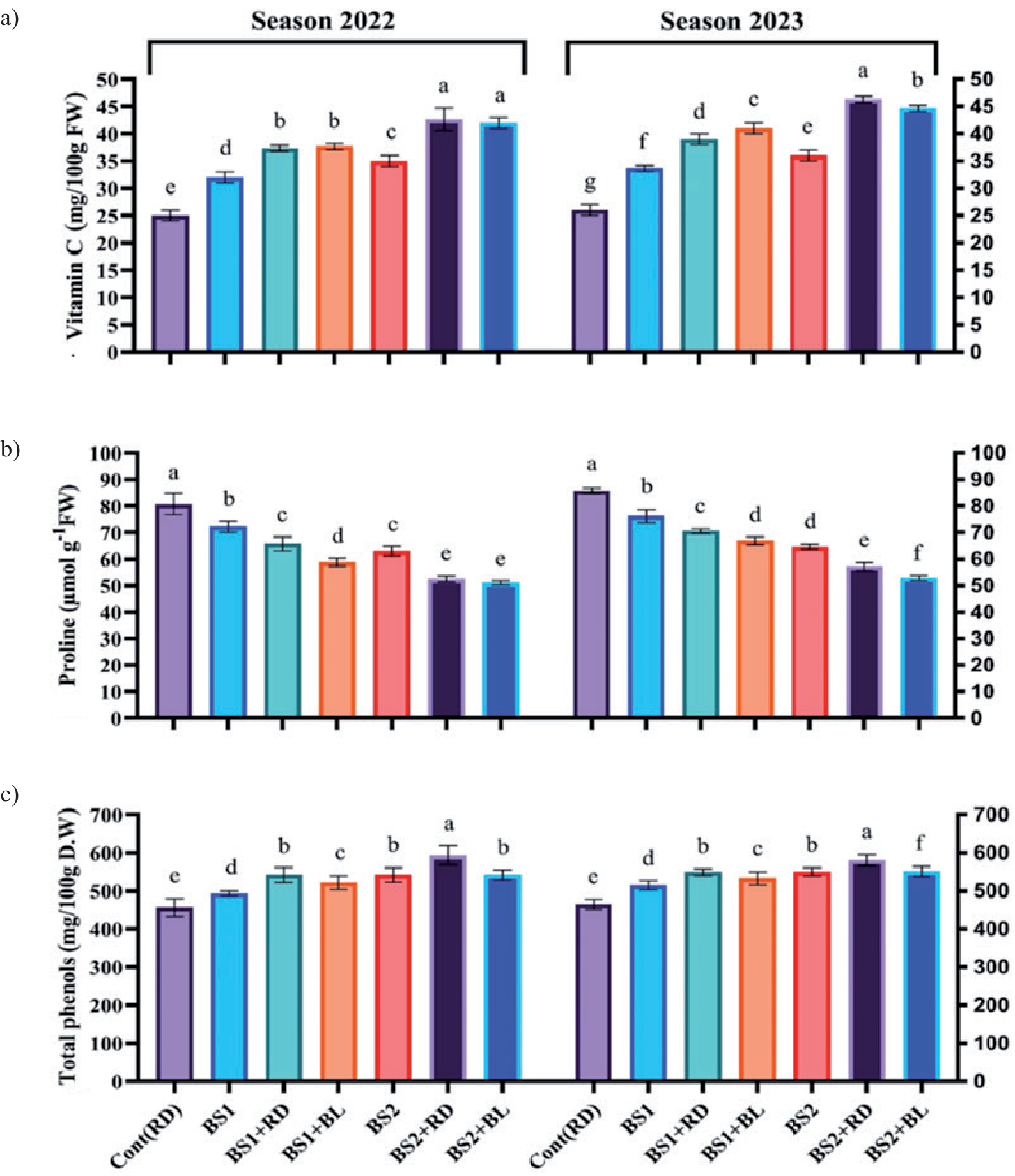
Fig. 3a) shows that applying both forms of biogas slurry, either individually or in combination with or without the recommended NPK dose, significantly increased vitamin C content (mg/100 g fresh weight) compared to the control across both seasons. The highest vitamin C content was achieved with semi-solid biogas slurry at 96 m3/ha combined with either the recommended NPK dose (BS2+RD) or liquid biogas slurry (BS2+BL) in both seasons.
The increase in vitamin C content from biogas slurry application may result from its high concentration of essential nutrients and organic matter, which enhance soil fertility and improve crop nutritional quality [43]. Studies have shown that biogas slurry may increase vitamin C levels in fruits; for instance, concentrated biogas slurry significantly boosts vitamin C in tomatoes [44]. Nitrogen, phosphorus, and potassium fertilizers also supply critical nutrients supporting overall plant growth and development, which enhances the synthesis of various metabolites, including vitamin C [45]. A balanced supply of nitrogen, phosphorus, and potassium is crucial for plant health and vitamin C biosynthesis. Nitrogen, in particular, is essential for synthesizing amino acids and proteins, precursors to vitamin C production [46].
Fig. 3.
Effect of semi-solid biogas slurry at 72 m3/ha (BS1) and 96 m3/ha (BS2), BS1 in combination with recommended dose of NPK (BS1 RD), BS1 in combination with liquid biogas slurry foliar application at 48 L/ha (BS1 BL), BS2 in combination with NPK recommended dose (BS2 RD), BS2 in combination with liquid biogas slurry foliar application at 48 L/ha (BS2 BL) on vitamin C content a), proline content b) and total phenol c) in comparing with spinach plants treated with recommended NPK dose (Control: Cont.) during 2022 and 2023 seasons. Various letters on each bar indicate significant difference among the treatments (P<0.05).
Proline and Leaf Total Phenols Content
The data in Fig. 3b) indicated that all biogas slurry applications, whether applied alone or in combination with the recommended NPK dose, resulted in a reduction of proline content compared to the control in both seasons. The lowest proline levels were observed with the application of semi-solid biogas slurry at 96 m3/ha, either combined with the recommended NPK dose or with foliar application of liquid biogas slurry, during both seasons. Fig. 3c) shows that applying both forms of biogas slurry, either individually or in combination with each other or with the recommended NPK dose, significantly increased total phenols content in spinach leaves compared to the control treatment across each season. The highest leaf total phenols content was observed with the application of semi-solid biogas slurry at 96 m3/ha combined with the recommended NPK dose in both seasons.
The increase in total phenol content in spinach leaves from applying biogas slurry, whether individually or in combination with each other or the recommended NPK dose, may be attributed to the nutrients in biogas slurry that facilitate the synthesis of these compounds [10]. Research shows that NPK fertilizers can also boost total phenolic content in plants; for example, a study on purslane (Portulaca grandiflora) found that NPK fertilizer significantly increased total phenolic content in the leaves [47]. A balanced supply of nitrogen, phosphorus, or potassium is crucial for maintaining optimal plant health, which is essential for biosynthesis of phenolic compounds. Nitrogen, in particular, plays a vital role in synthesizing amino acids and proteins, which are precursors to phenolic production [48]. The combination of NPK and biogas slurry creates a more favorable environment for plant growth, promoting increased production of secondary metabolites like phenolic compounds, which are important for plant defense and antioxidant activity [49].
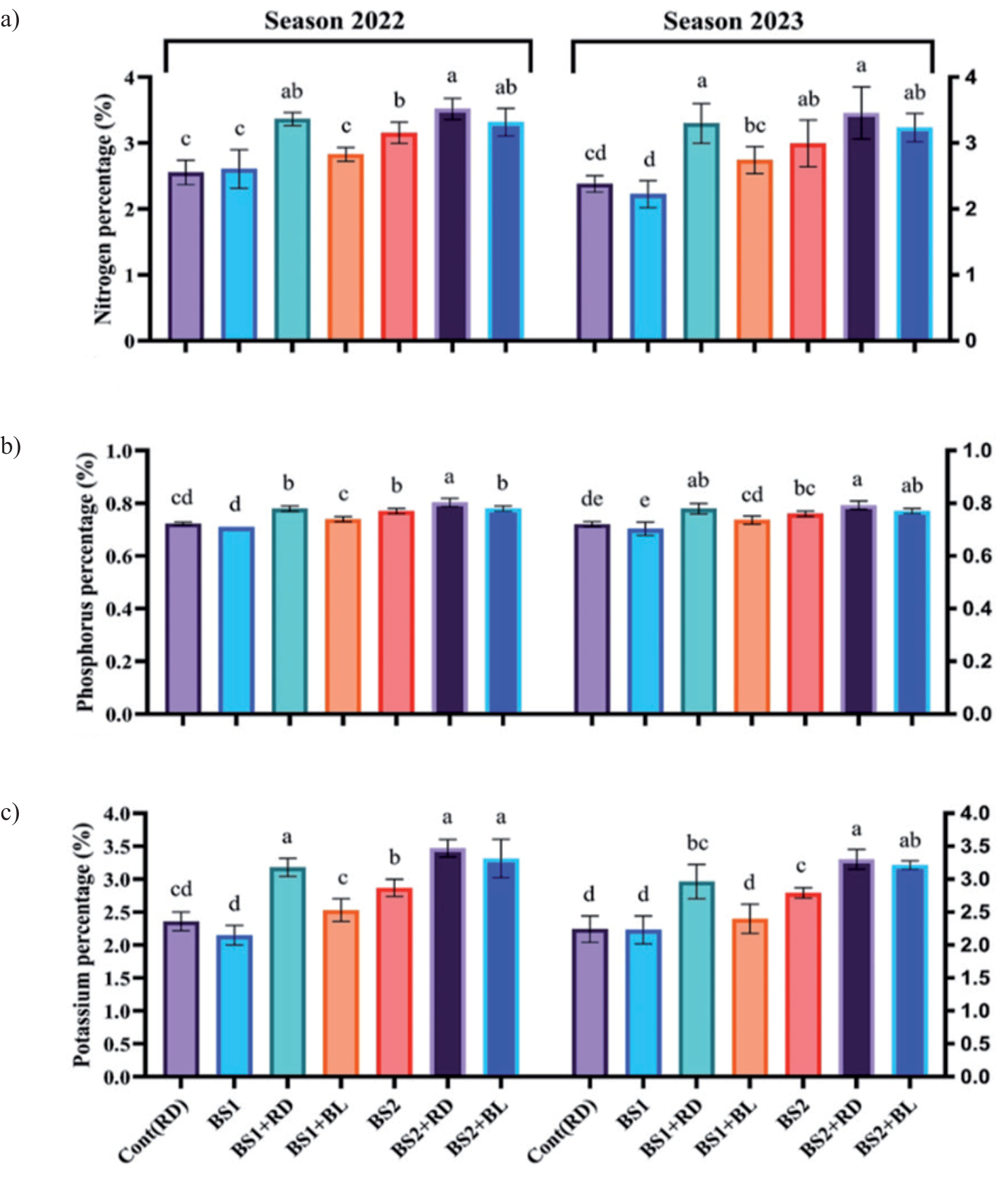
Fig. 4.
Effect of semi-solid biogas slurry at 72 m3/ha (BS1) and 96 m3/ha (BS2), BS1 in combination with recommended dose of NPK (BS1 RD), BS1 in combination with liquid biogas slurry foliar application at 48 L/ha (BS1 BL), BS2 in combination with NPK recommended dose (BS2 RD), BS2 in combination with liquid biogas slurry foliar application at 48 L/ha (BS2 BL) on nitrogen, phosphorous and potassium% in spinach plant in comparing with control during 2022 and 2023 seasons. Various letters on each bar indicate significant difference among the treatments (P<0.05).
Percentage of Nitrogen, Phosphorus, and Potassium
The data in Fig. 4 shows that applying semi-solid biogas slurry (SSBS) at 72 m3/ha had no significant effect on the nitrogen, phosphorus, and potassium (N, P, K) percentages in spinach plants compared to the control in both seasons. However, a significant increase in N, P, K% was observed when SSBS at 72 m3/ha was combined with the recommended NPK dose or liquid biogas slurry (LBS) foliar application at 48 L/ha in each season. Likewise, SSBS at 96 m3/ha, either alone or combined with the recommended NPK dose or LBS, significantly raised N, P, and K percentages in both seasons. The highest N, P, K% values were achieved with SSBS at 72 m3/ha combined with the recommended NPK dose, as well as with SSBS at 96 m3/ha combined with either the recommended NPK dose or LBS foliar application in both seasons. The increase in essential nutrients like nitrogen (N), phosphorus (P), and potassium (K) is vital for plant growth. Through anaerobic digestion in biogas production, these nutrients are mineralized, making them more accessible to plants [50]. Applying biogas slurry (BGS) can enhance soil properties by raising pH, cation exchange capacity (CEC), and levels of bioactive substances like humic acids, leading to improved nutrient retention or availability in soil [51, 52]. Additionally, BGS can partially replace synthetic fertilizers, thus lowering both environmental impact and the costs associated with chemical fertilizers, making it a sustainable choice for nutrient management in agriculture [53].
Fig. 5.
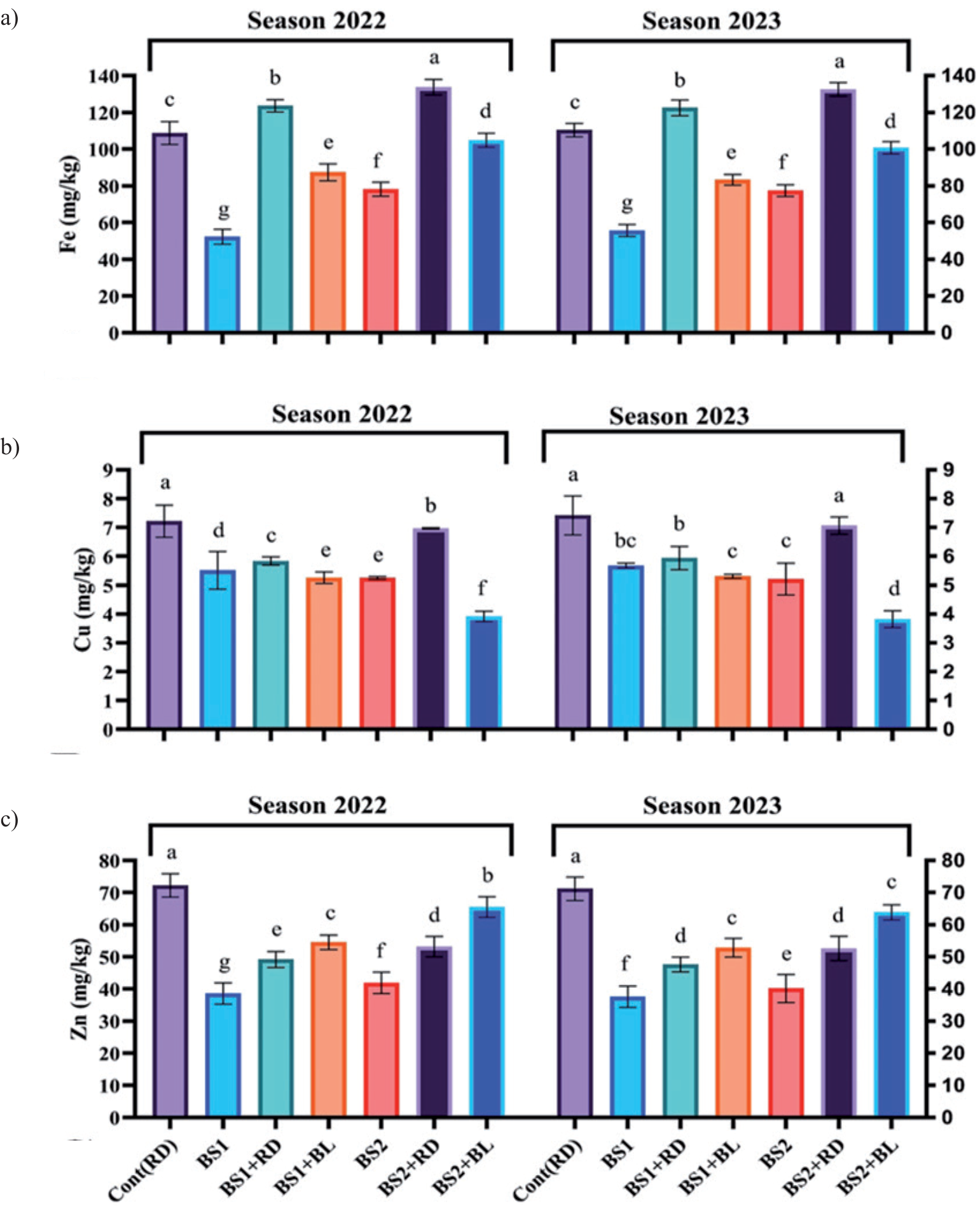
Effect of semi-solid biogas slurry at 72 m3/ha (BS1) and 96 m3/ha (BS2), BS1 in combination with recommended dose of NPK (BS1 RD), BS1 in combination with liquid biogas slurry foliar application at 48 L/ha (BS1 BL), BS2 in combination with NPK recommended dose (BS2 RD), BS2 in combination with liquid biogas slurry foliar application at 48 L/ha (BS2 BL) on Fe, Cu and Zn content in spinach plant in comparing with control during 2022 and 2023 seasons. Various letters on each bar indicate significant difference among the treatments (P<0.05).
Iron (Fe), Copper (Cu), Zinc (Zn), Lead (Pb), and Cadmium (Cd) Content
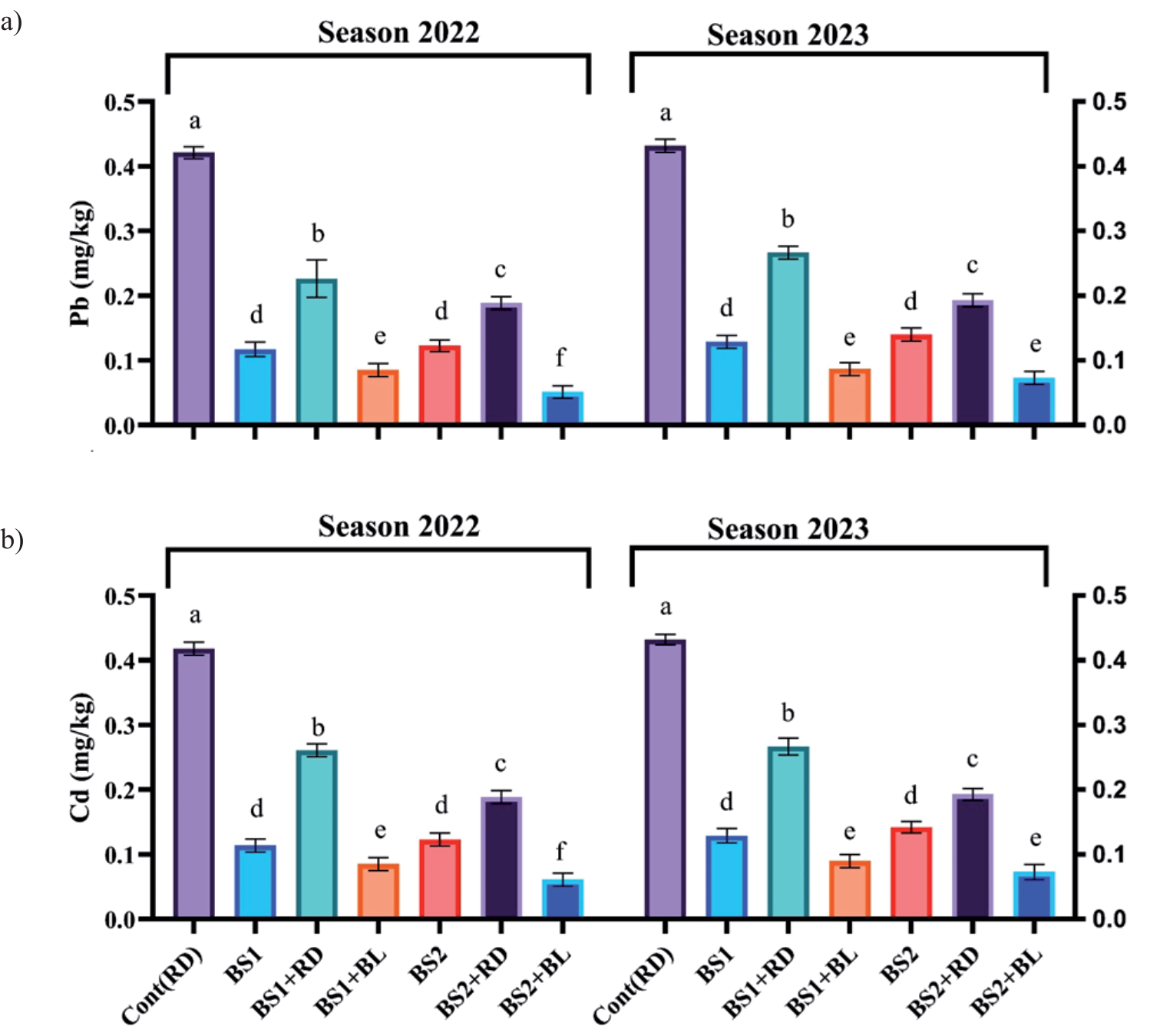
Fig. 5 demonstrates that applying semi-solid biogas slurry (SSBS) at 72 and 96 m3/ha, combined with the recommended NPK dose, significantly increased Fe content compared to the control across each season. The highest Fe content was achieved with SSBS at 96 m3/ha combined with NPK during both seasons. Conversely, all treatments led to a reduction in Cu or Zn content compared to the control. The lowest Cu and Zn levels were observed with SSBS at 96 m3/ha combined with LGS at 48 L/ha as a foliar application and with SSBS at 72 m3/ha, respectively, across both seasons. Fig. 6 shows that all treatments reduced Pb and Cd content compared to the control across both seasons. The lowest Pb and Cd levels were achieved with the application of SSBS at 96 m3/ha combined with 48 L/ha as a foliar application in both seasons. Biogas slurry is nutrient-rich, especially in iron, which plants readily absorb. This application not only raises Fe content but also enhances soil health and fertility overall [54]. Biogas slurry increases iron bioavailability in the soil, facilitating plant uptake of this essential nutrient [54]. However, while biogas slurry typically enhances nutrient availability, it may sometimes reduce Cu and Zn absorption by plants. Biogas slurry can alter soil pH, potentially decreasing the bioavailability of Cu and Zn. Higher pH levels can cause these metals to precipitate, reducing plant absorption [55]. Additionally, excessive biogas slurry can disrupt soil nutrient balance, potentially hindering the uptake of certain micronutrients like Cu and Zn [10].
Fig. 6.
Effect of semi-solid biogas slurry at 72 m3/ha (BS1) and 96 m3/ha (BS2), BS1 in combination with recommended dose of NPK (BS1 RD), BS1 in combination with liquid biogas slurry foliar application at 48 L/ha (BS1 BL), BS2 in combination with NPK recommended dose (BS2 RD), BS2 in combination with liquid biogas slurry foliar application at 48 L/ha (BS2 BL) on Pb and Cd content in spinach plant in comparing with control during 2022 and 2023 seasons. Various letters on each bar indicate significant difference among the treatments (P<0.05).
Nitrate, Nitrite Content, and Nitrate Reductase Activity
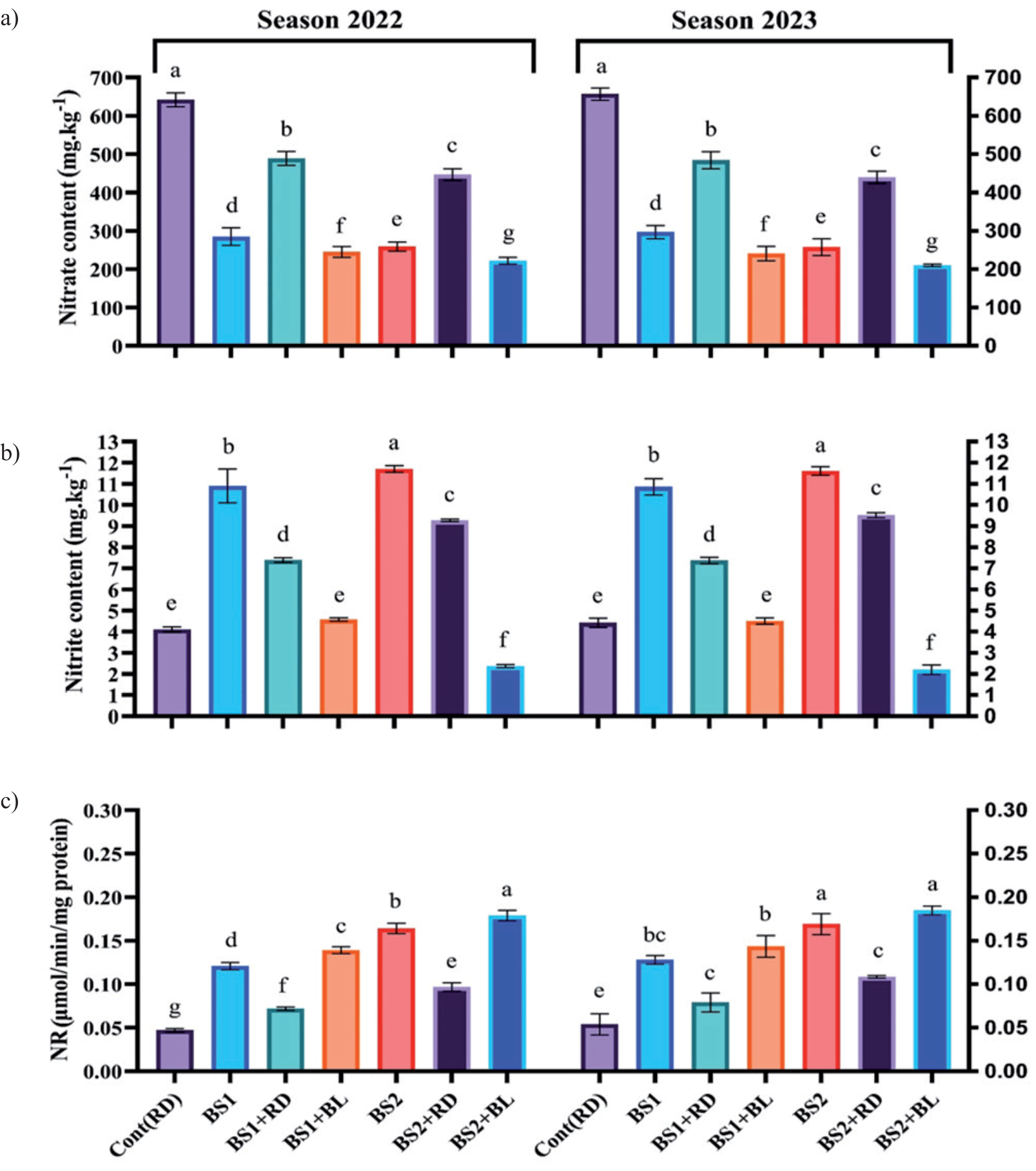
Fig. 7a) data showed that applying biogas slurry (BS), in various forms – whether individually, in combinations, or with the recommended NPK dose decreased nitrate content compared to using only the NPK recommended dose across both seasons. The lowest nitrate content was observed with the foliar application of SSBS at 96 m3/ha, either alone or combined with the application of liquid biogas slurry in both seasons.
Data in Fig. 7b) showed that all biogas slurry treatments, whether used alone, in combination with each other, or with the recommended NPK dose, increased nitrite content compared to the control, except for the combination of SSBS at 96 m3/ha with foliar application of liquid biogas slurry in both seasons. The highest nitrite content was recorded with the SSBS application at 72 m3/ha across both seasons. The data in Fig. 7c) demonstrated that all treatments involving biogas slurry, whether applied alone or with the recommended NPK dose, significantly enhanced nitrate reductase activity in both seasons. The highest nitrate reductase activity in both seasons was observed with the application of semi-solid biogas slurry at 96 m3/ha, either on its own or in combination with foliar application of liquid biogas slurry.
Fig. 7.
Effect of semi-solid biogas slurry at 72 m3/ha (BS1) and 96 m3/ha (BS2), BS1 in combination with recommended dose of NPK (BS1 RD), BS1 in combination with liquid biogas slurry foliar application at 48 L/ha (BS1 BL), BS2 in combination with NPK recommended dose (BS2 RD), BS2 in combination with liquid biogas slurry foliar application at 48 L/ha (BS2 BL) on nitrate a) and nitrite b) content as well as nitrate reductase activity c) in spinach plant in comparing with control during 2022 and 2023 seasons. Various letters on each bar indicate significant difference among the treatments (P<0.05).
Oxalate Content and Yield
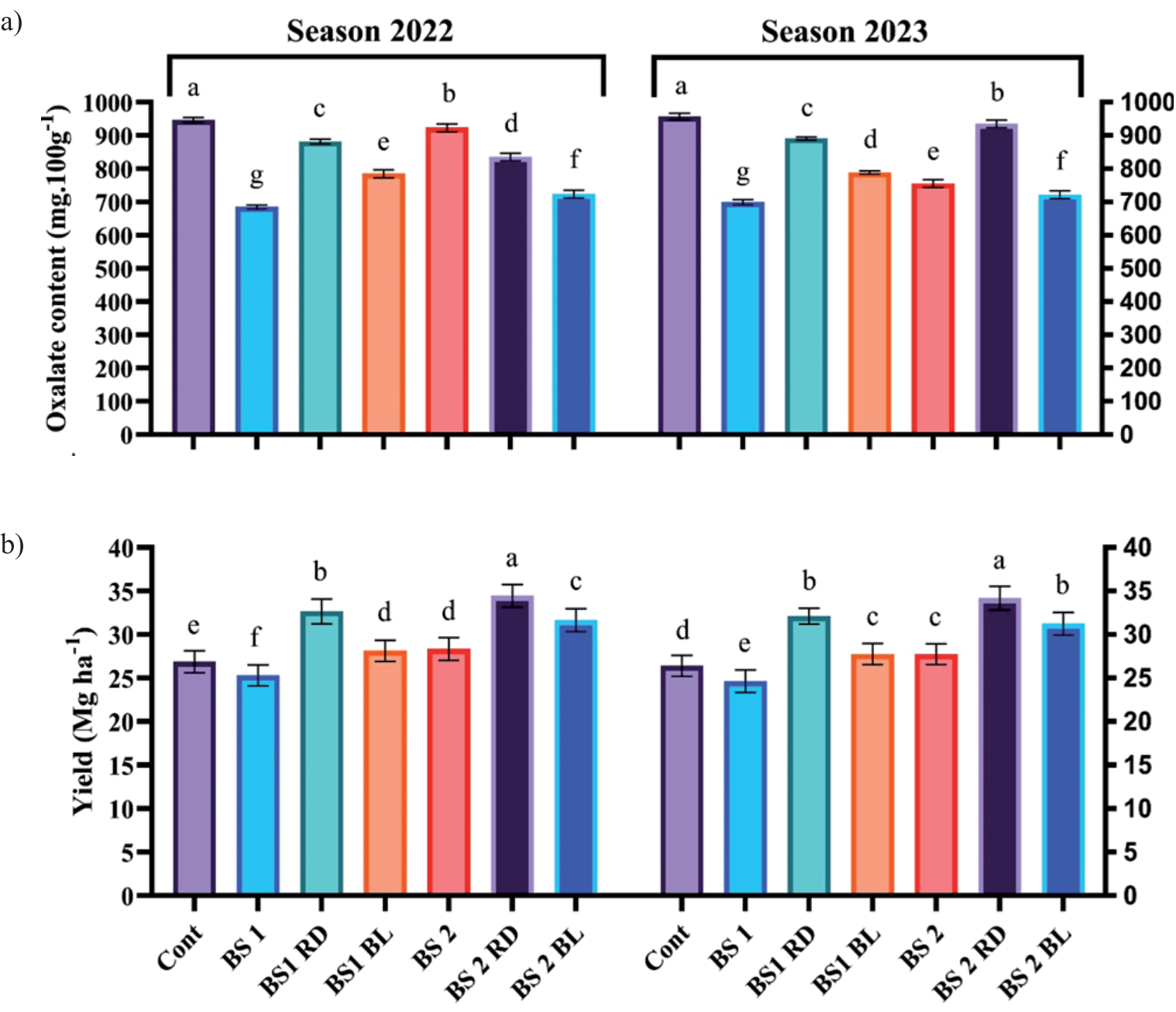
The data in Fig. 8a) indicate that applying SSBS at 72 or 96 m3/ha, either alone or in combination with the recommended NPK dose or LBS at 48 L/ha as a foliar spray, reduced oxalate content in spinach leaves compared to the control in both growing seasons. The lowest oxalate levels were observed with the individual application of SSBS at 72 m3/ha during both seasons. Regarding spinach yield (mg. ha-1), SSBS at 72 and 96 m3/ha-1 as a soil application in combination with NPK recommended dose and SSBS at 96 m³/ha-1 resulted in the highest total yield per ha during both seasons (Fig. 8b)). Application of biogas slurry (BGS) may have various effects on plant growth or soil health, although its specific impact on oxalate content in plants is less commonly explored. Biogas slurry is rich in nutrients such as nitrogen, phosphorus, and potassium, which can promote plant growth or enhance nutrient uptake [10]. This increased nutrient availability may influence metabolic processes in plants, potentially affecting oxalate synthesis. The reduction in oxalate content following BGS application could be attributed to several factors. First, BGS provides a balanced supply of essential nutrients, which can optimize plant metabolism and reduce oxalate production, as oxalates are often synthesized in response to nutrient deficiencies. Second, the organic matter in BGS enhances soil microbial activity, improving nutrient availability and uptake by plants. This, in turn, can result in healthier plants with lower oxalate levels.
Fig. 8.
Effect of semi-solid biogas slurry at 72 m3/ha (BS1) and 96 m3/ha (BS2), BS1 in combination with recommended dose of NPK (BS1 RD), BS1 in combination with liquid biogas slurry foliar application at 48 L/ha (BS1 BL), BS2 in combination with NPK recommended dose (BS2 RD), BS2 in combination with liquid biogas slurry foliar application at 48 L/ha (BS2 BL) oxalate content a) and total yield b) in spinach plant in comparing with control during 2022 and 2023 seasons. Various letters on each bar indicate significant difference among the treatments (P<0.05).
The application of BS to soil can significantly affect the nitrate and nitrite levels in plants. Rich in nitrogen, biogas slurry boosts nitrate content in soil, which in turn enhances the plant’s ability to absorb nitrate [56]. When semi-solid biogas slurry (SSBS) is combined with foliar application of liquid biogas slurry, it notably reduces nitrite content, as biogas slurry often contains beneficial microbes that facilitate the conversion of nitrite into nitrate through a process known as nitrification [56]. Furthermore, biogas slurry typically increases nitrate reductase activity in plants. This enzyme is essential for converting nitrate to nitrite during nitrogen assimilation, allowing plants to utilize nitrogen more efficiently, thereby improving growth and boosting yields [10, 35]. The application of biogas slurry (BS) can influence proline content in plants. By reducing stress levels, plants may produce lower amounts of proline, which is typically synthesized in response to stress [10, 35].
Soil Bulk Density, Total Porosity, and Organic Matter Content
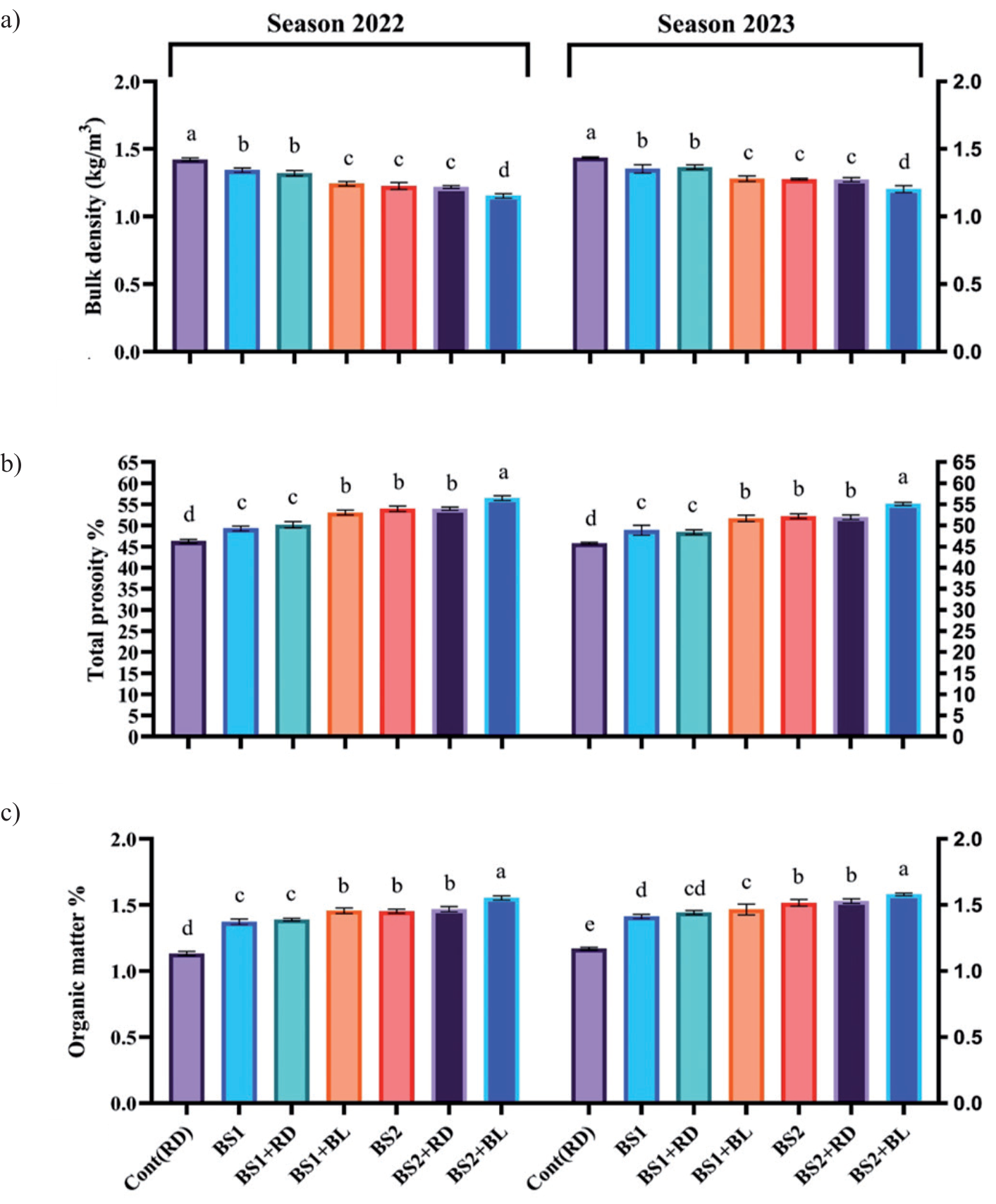
The data in Fig. 9 indicate that the soil application of SSBS at 72 and 96 m3/ha, either alone or in combination with the recommended NPK dose or foliar application of liquid biogas slurry, resulted in a reduction in soil bulk density compared to the control treatment in both seasons. Conversely, these treatments enhanced total porosity or organic matter content of the soil during both seasons.
Application of biogas slurry has been shown to significantly affect soil bulk density, improving soil structure by making it less compact and more porous [49]. This reduction in bulk density also enhances the soil’s water-holding capacity, increases organic matter content, and boosts nutrient availability [11]. Additionally, biogas slurry promotes the formation of soil aggregates, which is vital for sustaining soil fertility, creating macro-pores that facilitate water movement, root penetration, and gas exchange [49]. The slurry’s organic matter content plays a key role in improving soil total porosity by creating more pore spaces, influencing both macro- and micro-porosity within the soil matrix, which in turn enhances soil aeration and water infiltration [57]. While biogas slurry generally increases organic matter content in soil, the extent of this increase can vary. Some studies suggest that the organic matter from biogas slurry may be rapidly mineralized, which could limit long-term increases in soil organic matter [58, 59]. The utilization of organic manure, such as biogas slurry, significantly affects soil properties, including cation exchange capacity (CEC), pH, organic carbon content (OC%), and nutrient availability.
Fig. 9.
Soil bulk density a), total porosity b), and organic matter content c) as affected by application of semi-solid biogas slurry at 72 m3/ ha (BS1) and 96 m3/ha (BS2), BS1 in combination with recommended dose of NPK (BS1 RD), BS1 in combination with liquid biogas slurry foliar application at 48 L/ha (BS1 BL), BS2 in combination with NPK recommended dose (BS2 RD), BS2 in combination with liquid biogas slurry foliar application at 48 L/ha (BS2 BL) at harvest for the 2022 and 2023 growing seasons. Various letters on each bar indicate significant difference among the treatments (P<0.05).
Soil pH and Electrical Conductivity (EC)
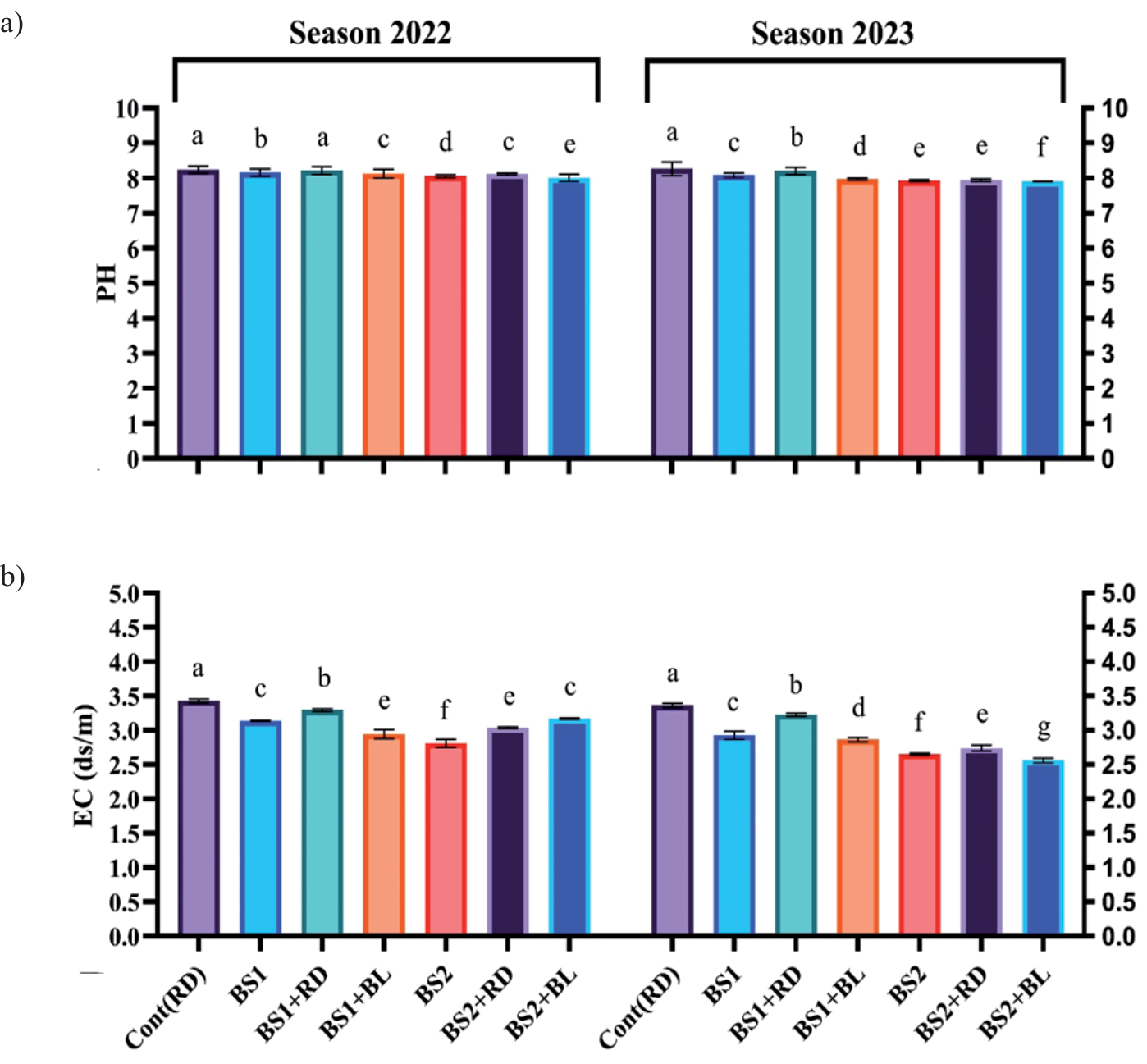
The data in Fig. 10a) show that the application of SSBS, either alone or in combination with the recommended NPK dose or LBS foliar application, significantly reduced soil pH in both seasons. Regarding soil electrical conductivity (EC), all treatments resulted in a decrease in EC compared to the control in both seasons (Fig. 10b)). The changes in organic matter and pH caused by biogas slurry may lead to the formation of complexes with heavy metals, reducing their solubility and availability for plant absorption [60]. Increased microbial activity stimulated by biogas slurry may also promote sequestration of heavy metals by soil microbes, further limiting their uptake by plants [60]. Additionally, biogas slurry can raise the soil’s overall nutrient content, potentially diluting Pb and Cd concentrations and making them less accessible for plant absorption [10].
Soil Mineral Nutrient Content
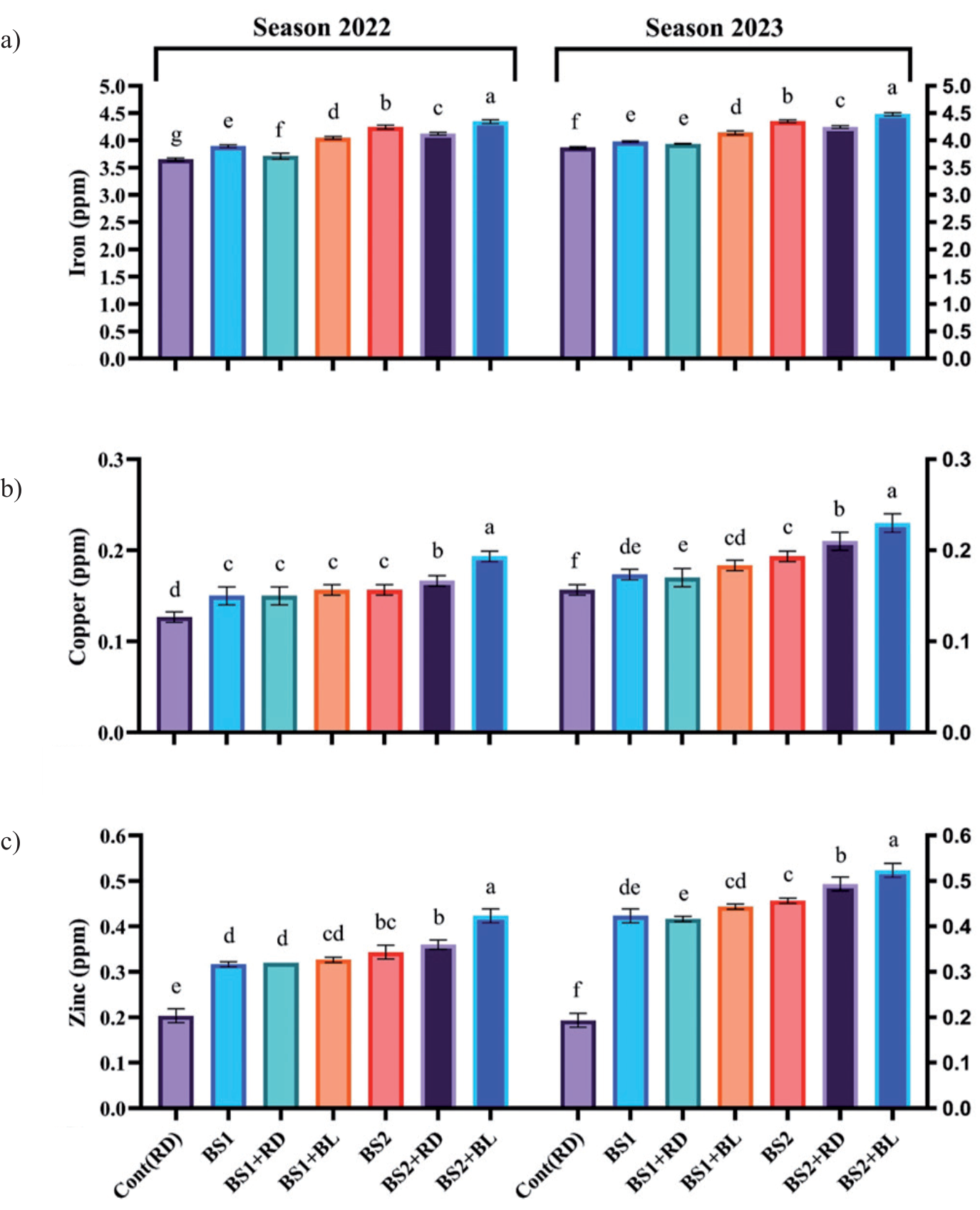
Macronutrients such as nitrogen (N), phosphorus (P), potassium (K) (Fig. 11), as well as micronutrients like iron (Fe), copper (Cu), or zinc (Zn) (Fig. 12), were significantly elevated in the soil following the application of SSBS, either alone or in combination with the recommended NPK dose or LBS as a foliar spray, at the harvest date during both seasons. Organic manure (OM) is a valuable source of essential nutrients like nitrogen, phosphorus, potassium, micronutrients, and organic matter, as noted [61]. During decomposition and mineralization, these nutrients are gradually released into the soil [62]. This slow release provides a steady supply of plant-available nutrients throughout the growing season, supporting crop growth and development [63]. Additionally, OM enhances microbial activity and improves soil structure, which promotes nutrient cycling and uptake by plants [64]. Thus, organic manure improves soil fertility, increases nutrient availability, and reduces dependence on synthetic fertilizers, contributing to sustainable agriculture.
Fig. 10.
Soil pH a) and electrical conductivity EC b) as affected by application of semi-solid biogas slurry at 72 m3/ha (BS1) and 96 m3/ha (BS2), BS1 in combination with recommended dose of NPK (BS1 RD), BS1 in combination with liquid biogas slurry foliar application at 48 L/ha (BS1 BL), BS2 in combination with NPK recommended dose (BS2 RD), BS2 in combination with liquid biogas slurry foliar application at 48 L/ha (BS2 BL) at harvest for the 2022 and 2023 growing seasons. Various letters on each bar indicate significant difference among the treatments (P<0.05).
Organic manure can also affect soil pH, though its impact is less significant compared to liming or acidic amendments. The pH of organic manure varies based on its composition and stage of decomposition, typically ranging from acidic to neutral or slightly alkaline. Organic manure acts as a buffer, helping to moderate pH changes and stabilize soil acidity [61]. Generally, less decomposed organic matter may have a slightly acidic pH due to organic acids, while well-decomposed matter tends to be neutral or slightly alkaline [64].
Biological characteristics of soil are significantly impacted by organic manure, which improves microbial diversity, abundance, activity, and general soil health. Organic manure supports nutrient cycling, organic matter turnover, and soil ecosystem functioning by giving soil microorganisms a rich source of organic matter, nutrients, and energy. This encourages the growth of beneficial microbial communities. Improved soil structure, nutrient availability, and disease suppression are all facilitated by increased microbial diversity and activity, which also increases soil fertility, health, and resistance to environmental pressures. Maintaining soil biological qualities, bolstering soil health, and advancing agricultural sustainability in the face of persistent environmental concerns worldwide all depend on sustainable soil management techniques that incorporate the application of organic manure [65]. Biogas slurry can influence both soil pH and electrical conductivity (EC). When applied to soil, it often leads to a decrease in pH, making the soil more acidic. However, biogas slurry can also help neutralize acidic soils, resulting in an increase in soil pH, which is beneficial for crops that thrive in neutral to slightly alkaline conditions [66]. In some cases, though, application of biogas slurry has not significantly altered soil pH, suggesting that its effect can depend on initial soil conditions and the quantity of slurry applied [58]. The reduction in EC indicates a decrease in soil salinity, which can improve soil health and promote better plant growth. In certain studies, biogas slurry did not lead to a significant increase in EC, suggesting that its application can be managed without causing soil salinization [58]. This is important for maintaining soil health and preventing negative impacts on crop growth.
Fig. 11.
Nitrogen a), phosphorous b) and potassium c) content in soil as affected by application of semi-solid biogas slurry at 72 m3/ ha (BS1) and 96 m3/ha (BS2), BS1 in combination with recommended dose of NPK (BS1 RD), BS1 in combination with liquid biogas slurry foliar application at 48 L/ha (BS1 BL), BS2 in combination with NPK recommended dose (BS2 RD), BS2 in combination with liquid biogas slurry foliar application at 48 L/ha (BS2 BL) at harvest for the 2022 and 2023 growing seasons. Various letters on each bar indicate significant difference among the treatments (P<0.05).
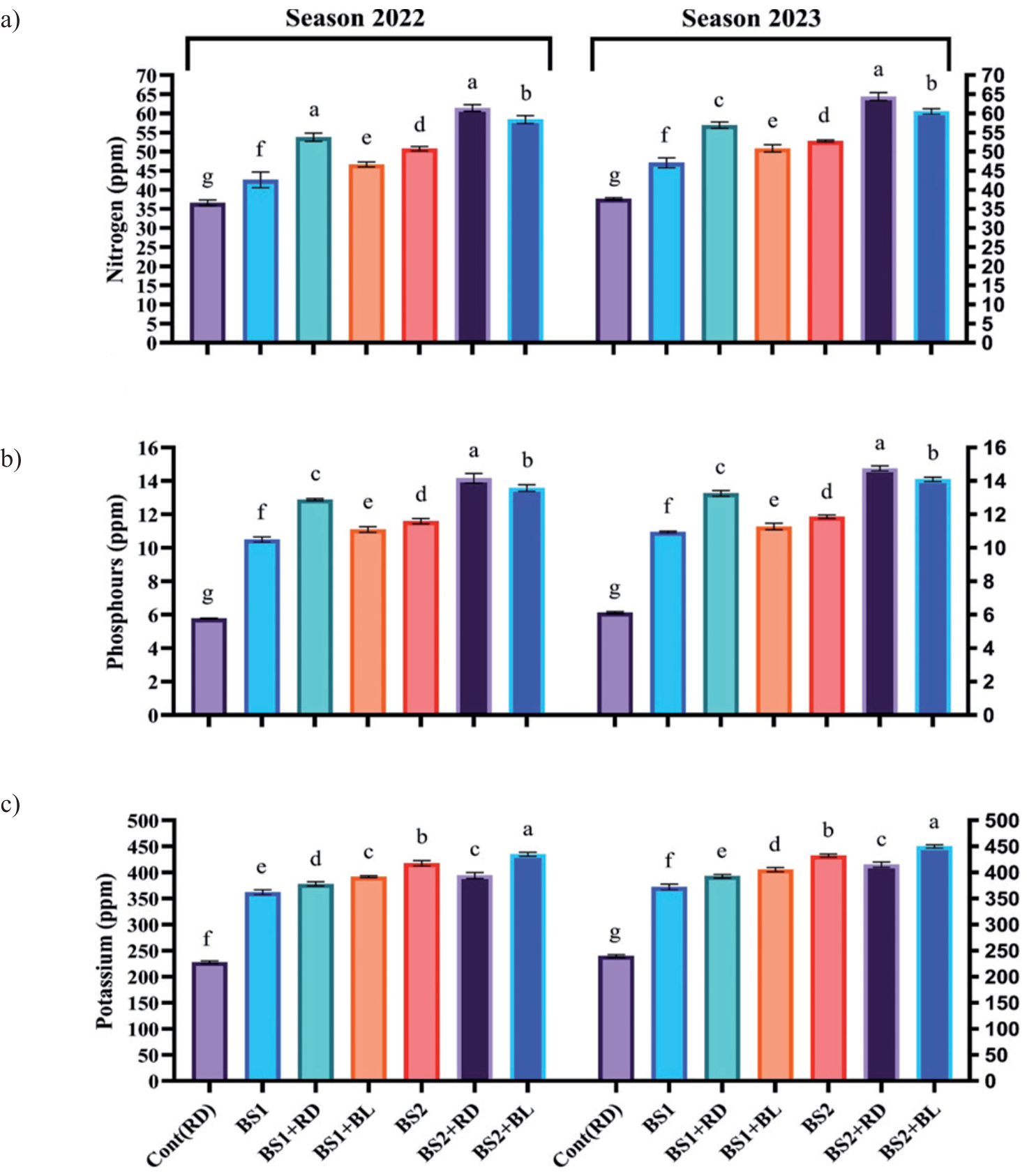
The application of biogas slurry may significantly enhance the mineral nutrient content of soil. Its application can increase the availability of these nutrients in soil, which are crucial for plant growth [52]. Organic matter in biogas slurry can improve soil structure or increase the soil’s capacity to retain water and nutrients [67]. Biogas slurry may boost microbial activity in the soil, which helps in the decomposition of organic matter and the release of nutrients [66]. This can lead to better nutrient cycling or availability for plants.
Soil Cadmium and Lead Content
Data in Fig. 13 show that applying SSBS at 72 m3/ha, either alone or combined with the recommended NPK dose, significantly increased lead content in soil during both growing seasons. Additionally, the application of SSBS at 96 m3/ha combined with the NPK recommended dose significantly raised lead soil content during the second season. Regarding cadmium (Cd) soil levels, SSBS at 96 m3/ha combined with the NPK recommended dose, or LBS applied as a foliar treatment at 48 L/ha, significantly increased Cd content in the soil during both seasons.
The use of biogas slurry (BGS) on soil can influence its properties, including levels of heavy metals like lead (Pb) or cadmium (Cd). Depending on the feedstock used in biogas production, biogas slurry may contain these heavy metals, which can accumulate in the soil when applied. This accumulation can potentially raise the concentrations of Pb or Cd [59]. However, despite an increase in soil’s heavy metal content, both before (Table 1) and after planting (Fig. 13), the application of biogas slurry resulted in a decrease in buildup of these metals in tissues of spinach plants (Fig. 6).
Fig. 12.
Iron a), copper b) and zinc c) content in soil as affected by application of semi-solid biogas slurry at 72 m3/ha (BS1) and 96 m3/ha (BS2), BS1 in combination with recommended dose of NPK (BS1 RD), BS1 in combination with liquid biogas slurry foliar application at 48 L/ha (BS1 BL), BS2 in combination with NPK recommended dose (BS2 RD), BS2 in combination with liquid biogas slurry foliar application at 48 L/ha (BS2 BL) at harvest for the 2022 and 2023 growing seasons. Various letters on each bar indicate significant difference among the treatments (P<0.05).
The best organic matter for stabilizing heavy metals, lowering heavy metal uptake, and encouraging plant growth in contaminated soil was found to have a favorable impact on plant and soil characteristics, indicating its potential for safe crop production. With the benefits of being inexpensive and readily available, organic manure (OM), a common organic fertilizer, may improve soil quality and increase crop yields. According to Huang et al. [68], organic fertilizer can also lessen the toxicity of heavy metals by complexing and adsorbing them. Functional elements like hydroxyl and carboxyl groups found in organic components in manure mix with heavy metals to produce organic-metal complexes, which change the availability and movement of heavy metals [69-72]. Bidens tripartite biomass rose, and plant Cd content fell in Cd-contaminated soil treated with organic manure [73, 74]. Guo et al [75] found that manure enhanced phytoextraction of heavy metals by Streptomyces pactum in a Cd-contaminated soil. Heavy metal ions are strongly adsorbed and chelated by organic matter and beneficial microorganisms found in organic fertilizer. Because there were fewer water-soluble and exchangeable heavy metals in the soil, the bioavailability decreased [76].
Fig. 13.
Lead a) and cadmium b) in soil as affected by application of semi-solid biogas slurry at 72 m3/ha (BS1) and 96 m3/ha (BS2), BS1 in combination with recommended dose of NPK (BS1 RD), BS1 in combination with liquid biogas slurry foliar application at 48 L/ha (BS1 BL), BS2 in combination with NPK recommended dose (BS2 RD), BS2 in combination with liquid biogas slurry foliar application at 48 L/ha (BS2 BL) at harvest for the 2022 and 2023 growing seasons. Various letters on each bar indicate significant difference among the treatments (P<0.05).
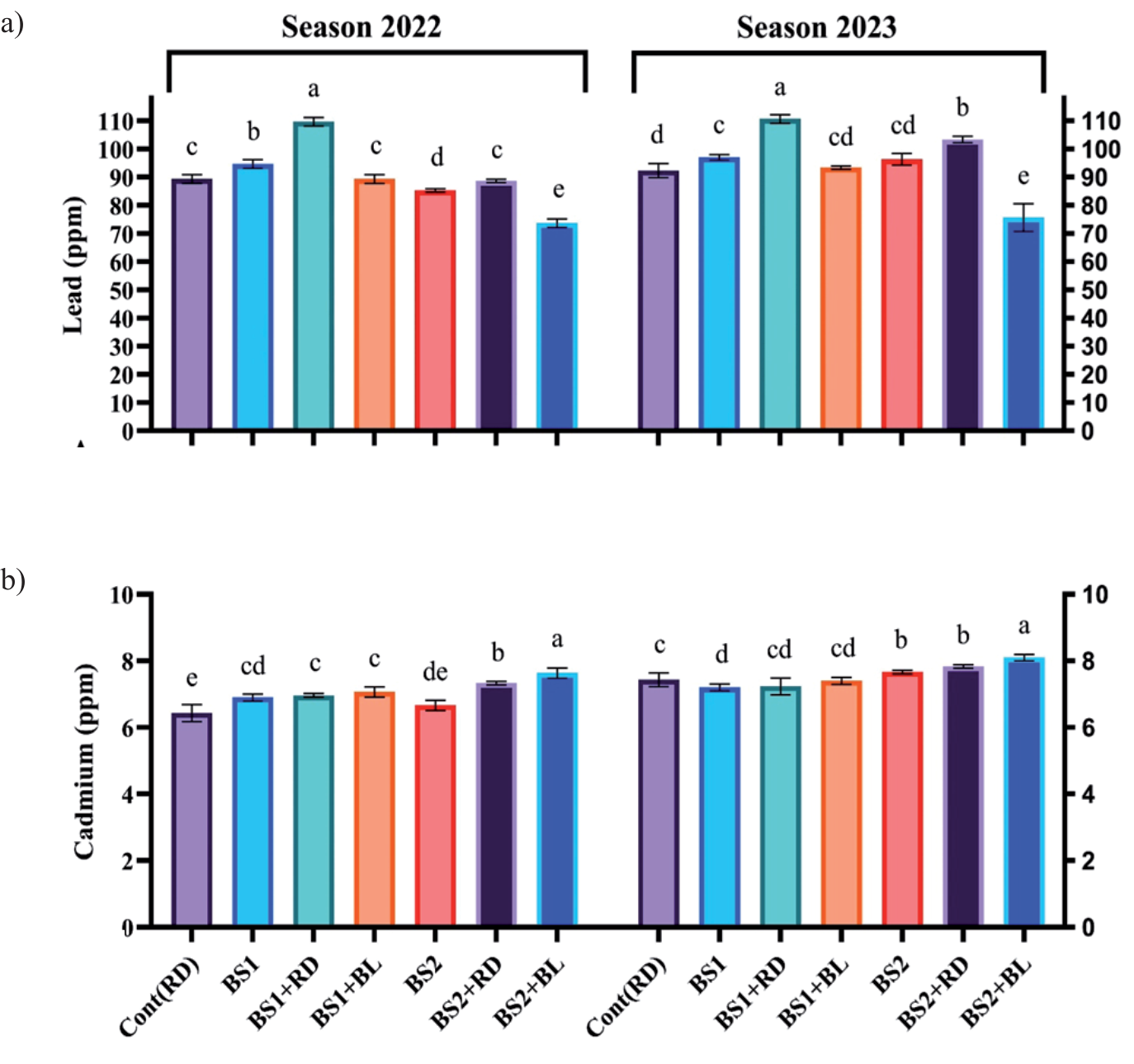
Fig. 14.
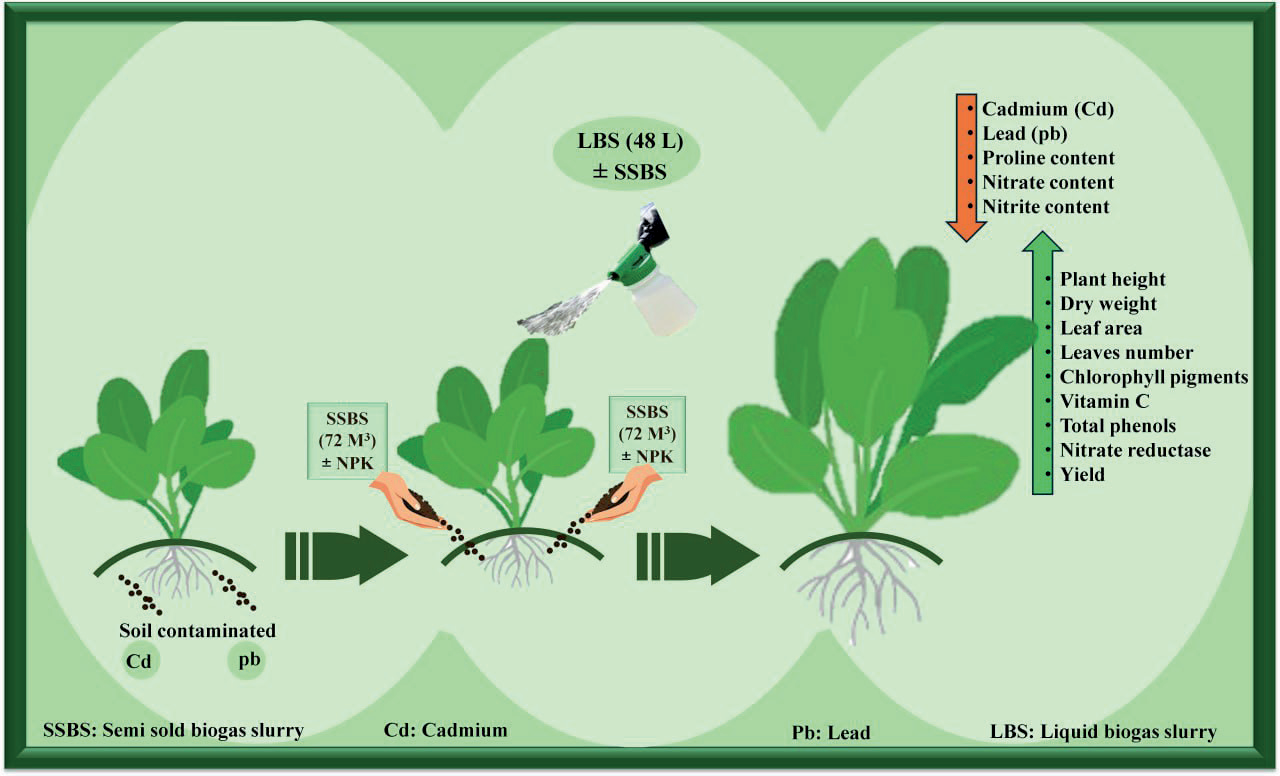
Diagram illustrating the impact of semi-solid biogas slurry (SSBS) soil application at rates of 72 and 96 m³/ha, either alone or combined with the recommended NPK dose, or liquid biogas slurry (LBS) applied as a foliar spray at 48 L/ha. The treatments positively influenced parameters such as plant height, dry weight, leaf area, and leaf number per plant, as well as chlorophyll pigment content, vitamin C, total phenols in leaves, and nitrate reductase activity. Additionally, reductions were observed in cadmium (Cd), lead (Pb), proline, nitrate, and nitrite contents, alongside improved yield per hectare.
Ultimately, because organic fertilizers boost soil fertility, sustainability, and crop yields in a synergistic way, they are frequently used in China’s intensive crop farming systems in place of chemical fertilizers [77]. However, total substitution of organic fertilizers for chemical fertilizers can frequently result in immediate lack of nutrient availability, lowering crop yields, because of the sluggish release of nutrients and inefficiency of organic fertilizers. According to a meta-analysis research, where the replacement ratio was 43% or less, using manure instead of chemical fertilizer did not lower wheat yields [78].
Graphical Summary
The diagram (Fig. 14) highlights the beneficial effects of applying semi-solid biogas slurry soil (SSBS) at rates of 72 and 96 m3/ha, either alone or in combination with the recommended NPK dose or liquid biogas slurry (LBS), on spinach plants. These treatments significantly improved growth metrics, including plant height, dry weight, leaf area, and the number of leaves per plant. They also enhanced chlorophyll pigment content (chlorophyll a, b, and total), vitamin C levels, total phenols in leaves, and nitrate reductase activity. Furthermore, these treatments reduced concentrations of cadmium (Cd), lead (Pb), proline, nitrate, or nitrite in spinach plants across both growing seasons.
Conclusions
The results demonstrated that applying semi-solid biogas slurry, whether used alone, alongside recommended rates of nitrogen, phosphorus, and potassium, or in combination with a foliar spray of liquid biogas slurry, significantly enhanced spinach growth, yield, and nutritional quality. Additionally, the use of biogas slurry individually or combined with other treatments reduced concentrations of cadmium and lead in spinach leaves and improved soil chemical characteristics, including nutrient availability. These findings indicate that biogas slurry has the potential to lessen reliance on organic fertilizers, thereby contributing to more sustainable agricultural practices.

