

Introduction
Self-compacting concrete (SCC) is a relatively new kind of high-performance concrete that flows easily and gets consolidated under its own weight without segregation and bleeding. SCC, which was developed in the late 1980s, is mainly used for highly congested reinforced concrete structures. Nowadays, many countries are extensively using this concrete for various Civil Engineering applications, since SCC enhances the lastingness of structures, provides better surface finishes, and creates a safer working environment by annihilating the vibration noise [1–4]. The SCC has better ductility when compared with conventional concrete because of better particle gradation, minimum voids, and a denser matrix structure. Since the increased powder content and minimum water content in the SCC mix, the stress-strain behavior of the SCC mix is much better than that of normally vibrated concrete. Fig. 1 shows the variation of stress-strain behavior between steel fiber-reinforced SCC and normal concrete [5].
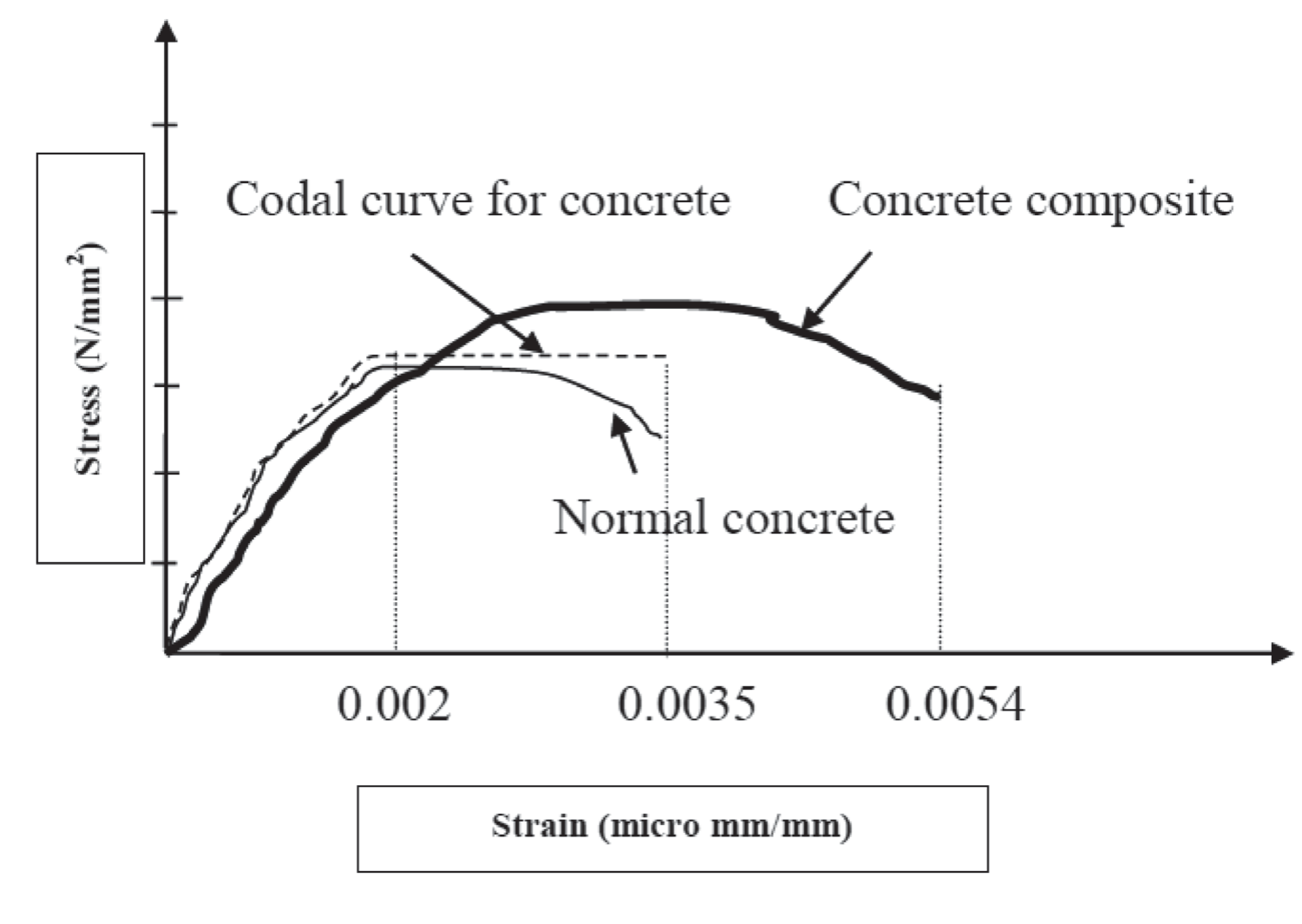
From this figure, it is witnessed that the ductility of normal concrete can be significantly enhanced with the addition of steel fibers in SCC. The inclusion of fibers in SCC provides better post-yielding behavior than the normal concrete. To produce a homogeneous and cohesive mix, SCC requires 450–600 kg/m3 of powder content to achieve the required workability. In order to regulate the cement content and also to reduce the heat of hydration, it is necessary to add mineral admixtures such as fly ash (FA), meta kaolin (MK), ground granulated blast furnace slag (GGBS), rice husk ash (RHA), silica fume, etc. for the replacement of cement in SCC [6]. By minimizing the usage of cement content in making SCC, the environment can be saved from greenhouse emissions, as in the production of one ton of cement, 0.87 tons of CO2 is emitted, and further the desolation of natural resources like calcium carbonate (CaCO3) can be reduced. Therefore, there is a need to economize the use of cement with supplementary cementitious materials [7–12]
The dumping of fly ash (FA) creates a nuisance to the atmosphere and also reduces the utility of land. The addition of FA enhances the workability of SCC, and it takes advantage of scaling down the cracking potential of concrete by reducing the heat released during the hydration of cement. The use of fly ash as a concrete admixture not only extends technical advantages to the properties of the concrete but also contributes to environmental pollution control [13]. It is evident from the research work carried out by [4, 14–16] that the class F fly ash content can be increased from 20% to 35% for the replacement of cementitious materials in SCC. Chemical admixture is essential to enhance the flowability as well as resistance to segregation in SCC. The dosage of superplasticizer needed to achieve self-compactability can be reduced by the addition of FA [17]. The addition of FA not only enhances the flowability but also increases workability and long-term strength by delaying the pozzolanic action [18]. Metakaolin is a highly reactive pozzolana. The extent of pores in cement paste is minimized by the addition of MK, and it also separates the finer particles, and thus the permeability of concrete is reduced considerably [19]. The toughness and flexural strength of concrete are increased by the incorporation of MK. Thus, the inclusion of MK while making concrete is increasing nowadays due to its denser microstructure, higher resistance to chloride ions, and lower porosity.
Plain concrete possesses a number of tiny cracks, which make the concrete more brittle. This problem can be addressed by the addition of fibers in concrete to arrest the crack growth in both the plastic stage and the hardened stage of concrete. Thus, the cracking mechanism of concrete will be changed from a brittle to a ductile behavior by the addition of fiber. The randomly oriented, uniformly distributed, short, and discrete fibers mixed in concrete arrest the cracks and also prevent the propagation of cracks. Since the fibers are randomly distributed, the strength of the concrete is enhanced uniformly throughout the concrete mix.
The stress transfer mechanism between the matrix and the fiber depends on the properties of fibers, such as type, aspect ratio, volume fraction, distribution, and orientation of the fibers. During the past five decades, a number of research studies have been carried out to determine the physical properties of fibers and their usage as cementitious substances in cement mortar and in concrete composites. In general, fibers can be broadly classified into three categories such as steel fiber, natural fiber, and synthetic fiber.
Steel fiber is a metallic fiber made from thin filaments of high-strength, low-carbon steel wire. It is available in various cross sections, such as round crimped steel fiber, hook-end steel fiber, and flattened steel fiber. Hooked-end steel fiber substantially enhances the initial crack strength as well as post-cracking strength. The addition of synthetic fibers enhances the strain capacity and toughness of concrete. The most commonly used synthetic fibers in concrete are polypropylene, polyester, nylon, polyethylene, polyaramid, polyacrylic, polyvinyl alcohol, etc. It helps in bridging the microcracks. Since the density of synthetic fiber is lower than that of steel fiber, it occupies more volume in concrete and hence affects the workability of concrete.
Natural fibers can be easily gathered from inexhaustible reserves at low cost. They are harvested from plants, wood, animals, rocks, and minerals. They are eco-friendly and non-hazardous. The plant fibers are natural composites with a cellular structure that contains cellulose, hemicellulose, and lignin in different proportions. Different fibers contain different compositions. The plant-type fibers contain larger quantities of cellulose, whereas animal-type fibers contain protein. Generally, much higher strengths and stiffness are obtainable with the higher-performance plant fibers than the readily available animal fibers [20]. Some of the most commonly used vegetable fibers in concrete are sisal, coir, jute, bagasse, bamboo, elephant grass, etc. Among all the natural fibers, sisal fiber can be used as a reinforcing material in enhancing the strength, stiffness, and impact resistance of cementitious composites [21–23]. In hybrid fiber-reinforced concrete, two or more types of fibers are added to arrest both microlevel and macrolevel cracks. The initiation and propagation of microcracks are controlled by the small and soft fibers, whereas macrocracks are controlled by the large and strong fibers [24]. It has also been revealed that the addition of hybrid fibers increases the durability of concrete. In this research, soft, small sisal fiber and large, strong steel fiber have been used.
The durability of natural fiber-reinforced concrete is related to external and internal damages. The degradation of natural fibers in plain cement concrete is due to the highly alkaline environment that dissolves lignin and hemicellulose compositions [25]. The durability of fiber-reinforced concrete can be improved by either matrix modification (using low-alkaline concrete and adding pozzolanic admixtures) or fiber modification (coating natural fibers to avoid water absorption and free alkalis). [26] clearly indicated that a low-alkaline matrix is required to prevent the degradation of natural fibers in concrete. In order to get a low alkaline matrix, class F fly ash and meta kaolin were added as supplementary cementitious materials in this study. Based on the literature, the class F fly ash content can be added from 20% to 35% to replace cementitious materials in SCC [4, 14–16] and [27]. Hence it was decided to keep the fly ash content at 30% for the replacement of cement in the making of SCC. Up to 50% replacement of FA and MK makes the matrix of a low-alkaline environment with enhanced mechanical and durability properties. [28, 29] found that the metakaolin content can be added up to 10% to the total cementitious content to enhance the compressive strength and resistance to chloride ion diffusion of concrete. MK had a greater influence on the microstructural strength of the transition zone than GGBS [2]. [30] found that the replacement levels of FA at 30% and MK at 10% improve fresh properties as well as hardened properties of SCC. Hence, in this study, the fly ash content was taken as 30% and MK as 10% according to the weight of cementitious content. The macro-hooked end steel fiber was kept at 1.5% while micro sisal fiber was varied at 0.1%, 0.2%, and 0.3% by weight of cementitious content.
Materials and Methods
Cementitious Materials
Ordinary Portland cement (OPC) of 53 grade was used in this experimental study. The specific surface area and the specific gravity were determined as 365 m2/kg and 3.14, respectively. Low-calcium class F-type fly ash and metakaolin were added as supplementary cementitious materials in the making of SCC. The specific gravity of FA and MK was determined as 2.16 and 2.6, respectively. Ordinary river sand falls in Zone II were used as fine aggregate. The specific gravity was 2.56, and the fineness modulus was reported as 2.80. Crushed granite metal aggregate passing through 12.5 mm and retained on a 10 mm sieve size was used as coarse aggregate to avoid the blocking effect in SCC [31]. A water binder ratio of 0.32 was employed in all mix proportions. Potable water free from salts and having a pH of 7.4 was used for casting and curing of concrete. A polycarboxylic ether-based superplasticizer was used as a water-reducing admixture, and a viscosity-modifying agent was added to control bleeding and segregation in concrete.
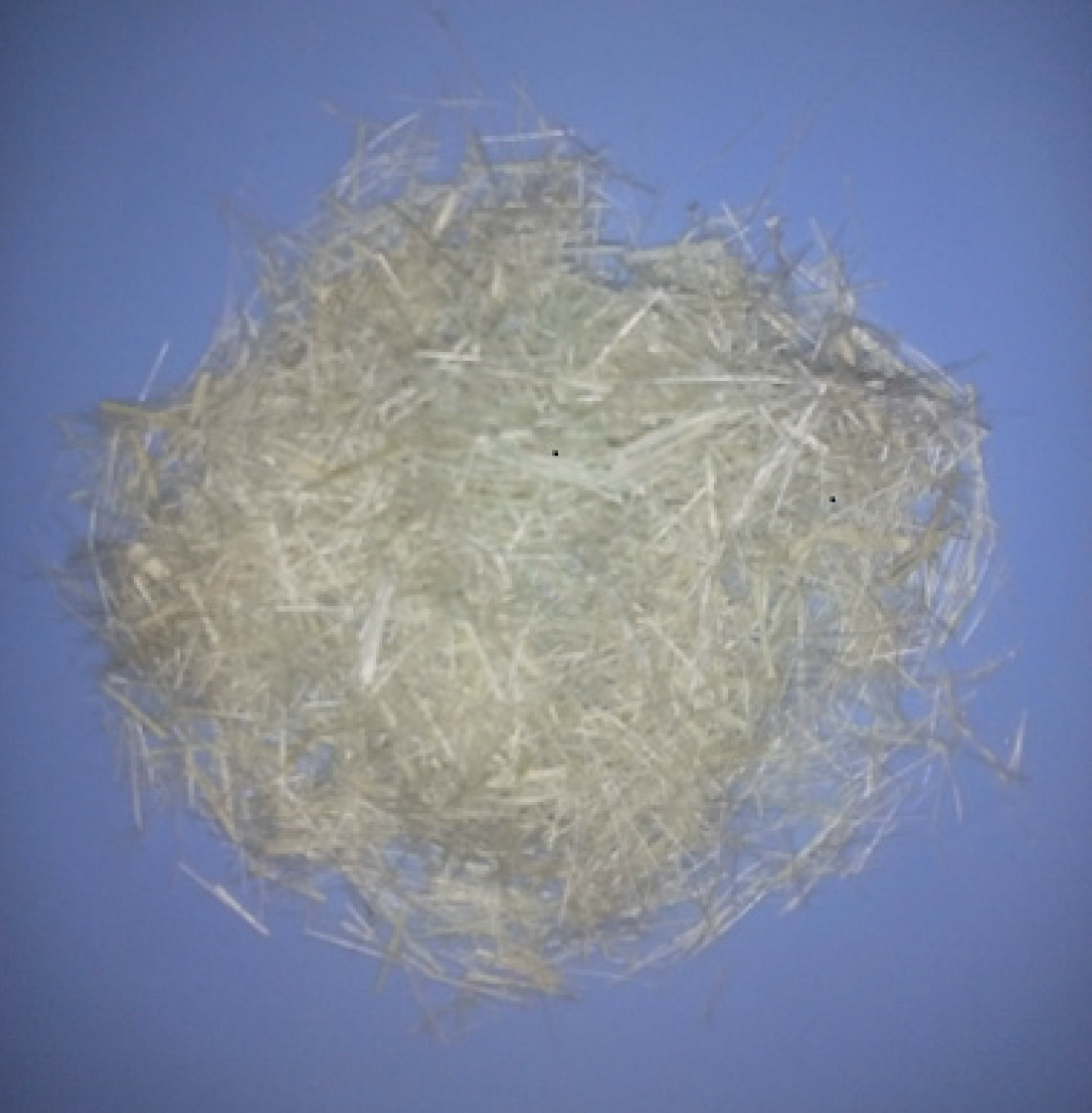
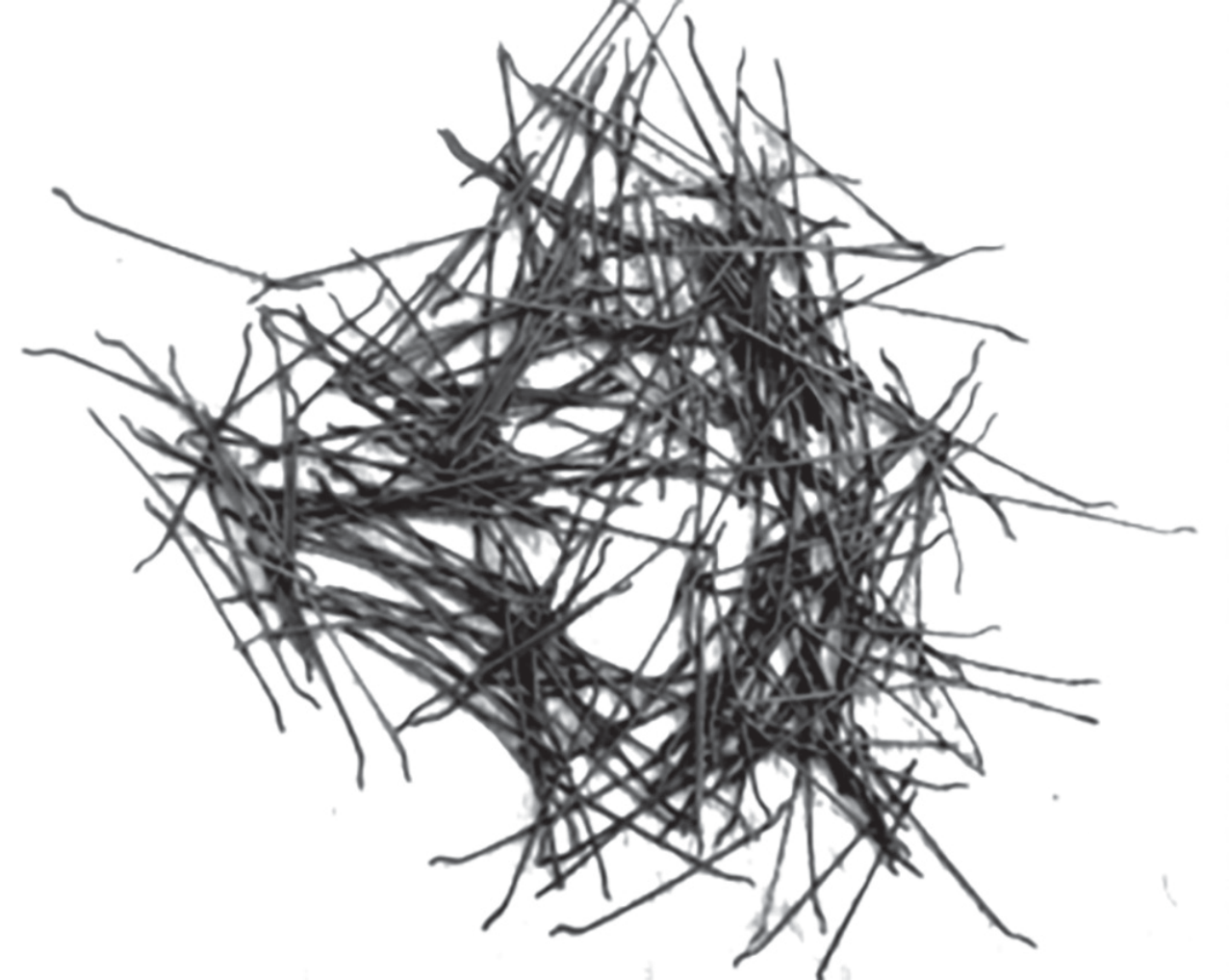
Sisal fiber is a natural fiber of the Agavaceae (Agave) family that yields a stiff fiber, and they are straight, smooth, and yellow in color, as illustrated in Fig. 2. Hooked-end steel fibers with an aspect ratio of 50, shown in Fig. 3, were used as macrofibers, and sisal fibers were added as microfibers. They were distributed randomly in SCC and added at different dosages by the weight of cementitious materials. The physical properties of steel and sisal fibers given by the manufacturers are shown in Table 1 and Table 2, respectively.
Methodology
The effect of supplementary cementitious materials and fibers on the mechanical and durability properties of concrete was examined. In this investigation, cement was replaced with 30% FA and 10% MK. Hooked-end steel fiber was kept at 1.5% while sisal fiber was varied at 0.1%, 0.2%, and 0.3% based on the weight of cementitious content, as given in Table 3.
Properties of Fresh Concrete
To find out the fresh properties of SCC, a separate batch was prepared for all mixes. For all the mix proportions, the required quantity of materials was weighed. Cement, FA, and MK were mixed in a dry state, whereas coarse aggregate and fine aggregate were mixed in a mixer to obtain a homogeneous mix. After the addition of water, a superplasticizer and viscosity-modifying agent were finally added to the wet mix as per the requirement. The mixing duration for SCC should be longer than that of conventional concrete to achieve complete homogeneity because of the difference in raw material [32]. For determining the self-compactability properties like filling ability, passing ability, and segregation resistance, the following tests, such as slump flow, T500 time, J-ring flow, V-funnel flow times, L-Box blocking ratio, and U-Box difference in height, were performed. In order to minimize the effect of workability loss on variability of test results, fresh concrete properties were examined within a period of 20 min after mixing [33]. Based on the test results on fresh properties, it can be observed that the inclusion of fibers demands a greater quantity of superplasticizer and also requires a viscosity-modifying agent to enhance the cohesiveness of the mix. However, the mix HFRSCC4 yielded a harsh mix, and hence the mix HFRSCC4 was not considered for further studies.
Testing of Specimens
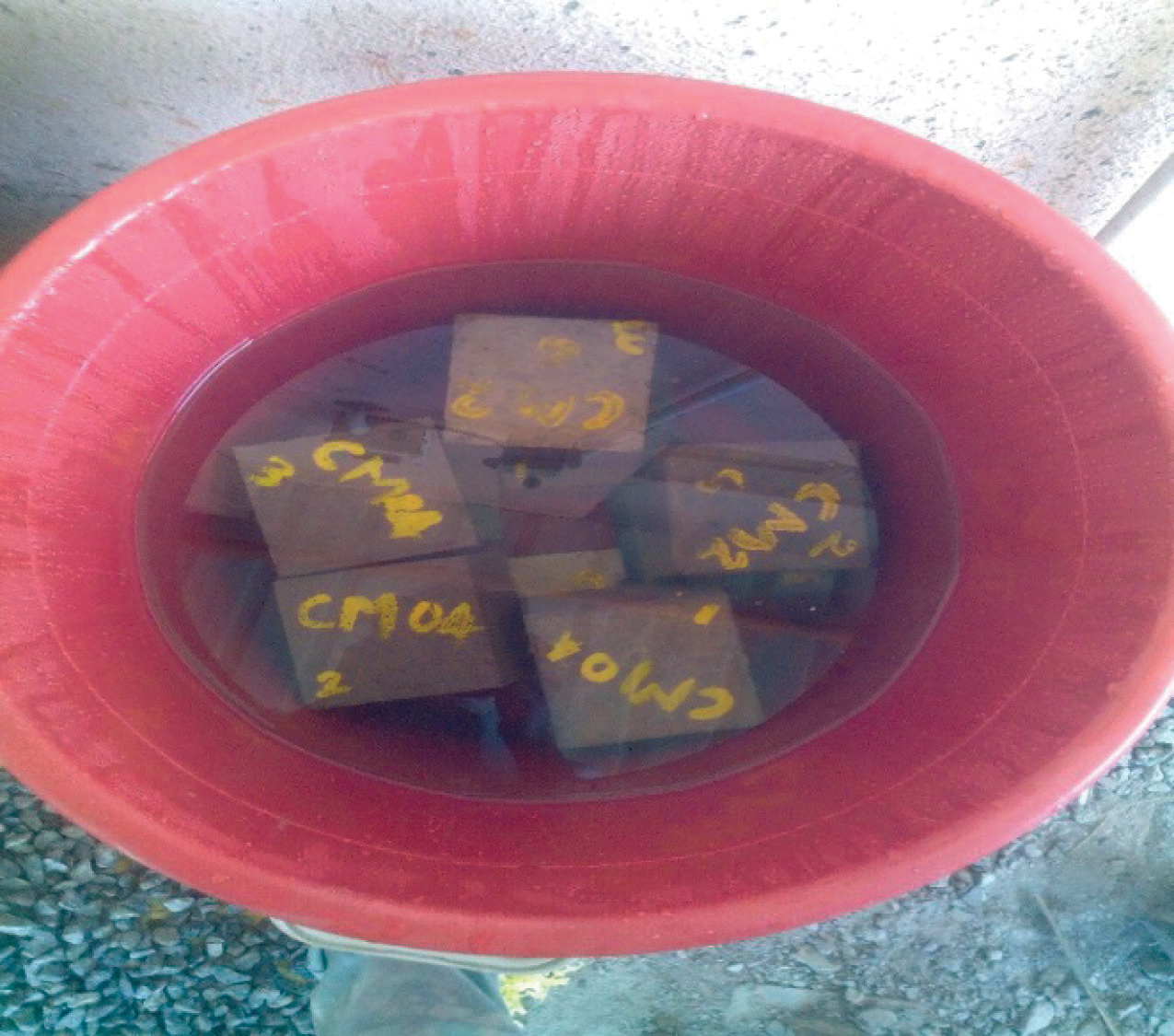
A compression test on concrete cubes of 150 mm size was carried out to determine the compressive strength. Splitting tensile strength was performed on cylindrical specimens of 150 mm diameter and 300 mm height. The absorption capacity of concrete is one of the techniques used to measure its durability, and it was conducted on 100 mm size cubes as per ASTM C642–13. Porosity is defined as the volume of pores occupied in the total volume of a concrete specimen, and it is expressed in percentage. This test was conducted as per ASTM C642–13. To determine acid resistance, concrete cubes of 100 mm were cast and cured in normal water. After 28 days of water curing, they were allowed to dry in air for one day, and the dry weight of the specimens was taken. To determine the acid resistance of concrete, an acid solution of 3% diluted Sulphuric acid (H2SO4) by volume of distilled water with a pH value of 2 was prepared according to [34]. Then the cubes were shifted into the acid solution for a period of 90 days, as shown in Fig. 4.
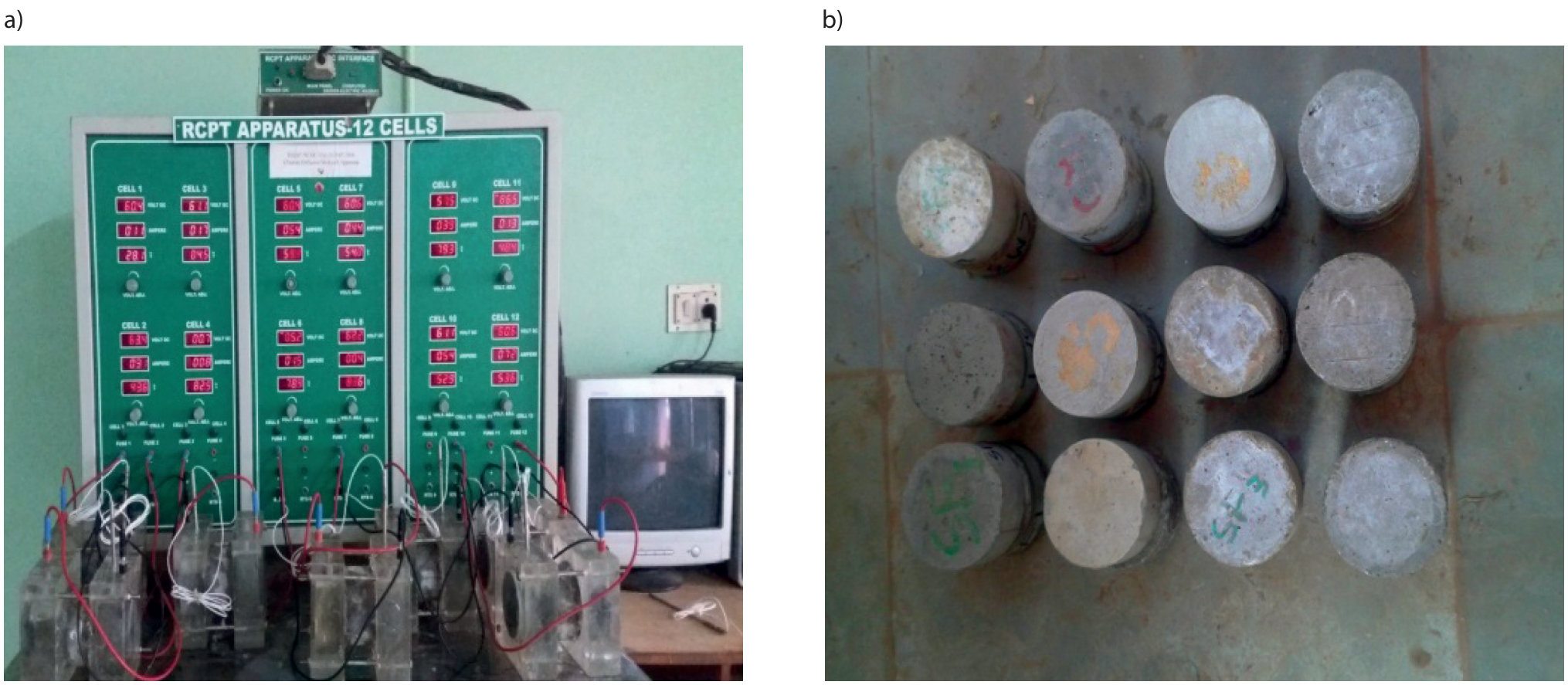
Chloride ion diffusion is one of the main sources of corrosion in reinforced concrete members. Diffusion is defined as the flow of ions through a porous medium under a concentration gradient. Hence, it is very important to determine the permeability of concrete through chloride ion diffusion. The rapid chloride ion penetration test (RCPT) was conducted on 50 mm thick and 95 mm diameter cylindrical concrete specimens according to ASTM C1202–12. The specimen was kept between two reservoirs by means of an epoxy resin in order to make the test setup leakproof. One reservoir was filled with 0.3 N sodium hydroxide (NaOH) solution, and it was connected to the positive terminal of the DC power supply. The other reservoir was filled with a 3% sodium chloride (NaCl) solution, and it was connected to the negative terminal of the DC power supply. Then, the direct current of 60 V was maintained across the specimen using stainless steel electrodes, as shown in Fig. 5a), and the test samples are illustrated in Fig. 5b). The current passed across the specimen was noted at every 30-min interval up to a period of 6 h. The total charge passed during this period was calculated according to ASTM C-1202–12 as given in Equation 1:
Table 3.
Mix designation and its details.
where, Q = charge passed (Coulombs), I0 = Current passed immediately after voltage is applied, It = current (amperes) at t min after voltage is applied.
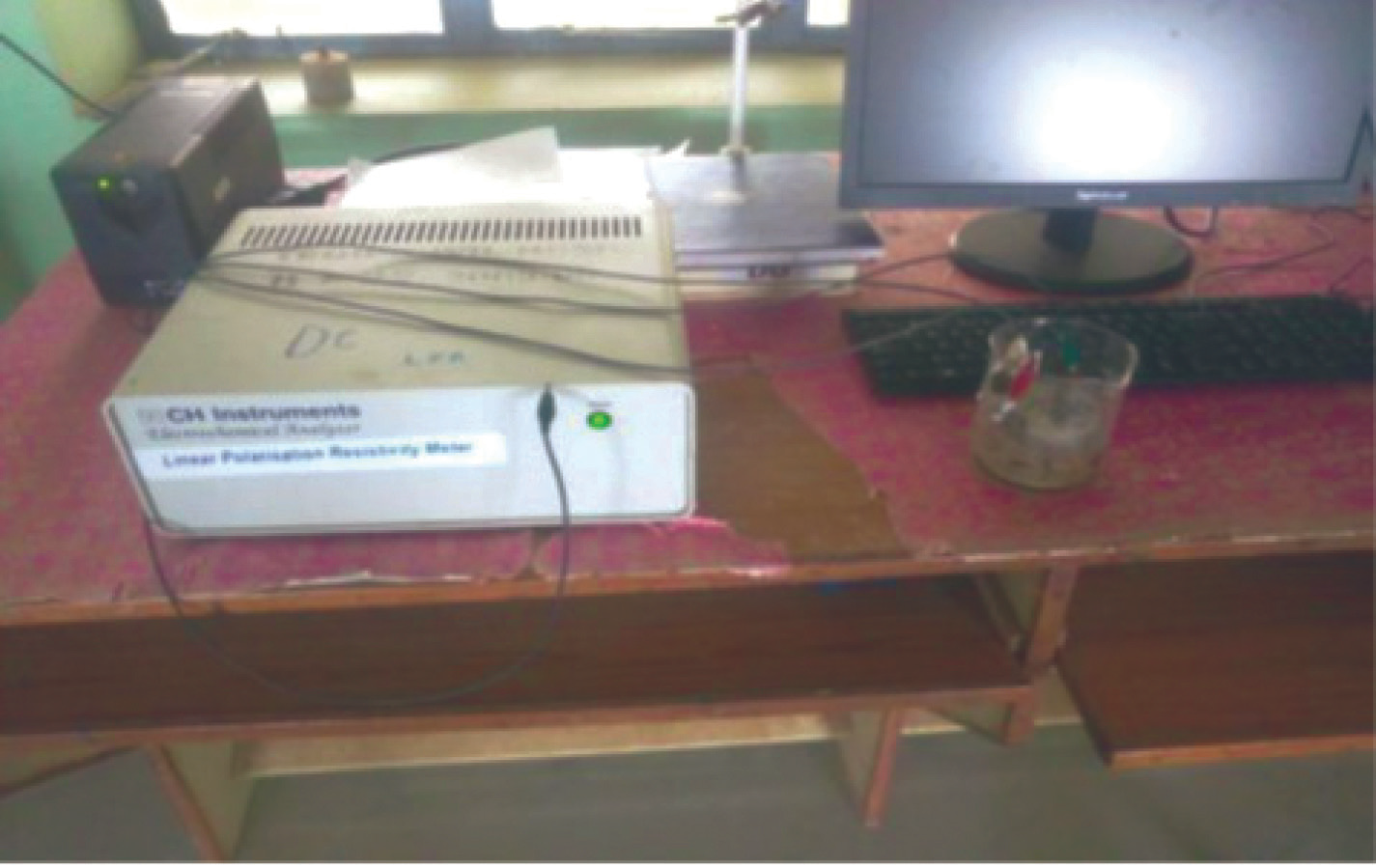
The linear polarization resistance technique is a well-established method to determine the corrosion rate using electrolytic test cells. For this method, cylindrical concrete specimens of 50 mm diameter and 60 mm height and a steel rod of 10 mm diameter and 50 mm length with a cover of 25 mm were inserted inside the concrete mold before casting. The remaining length of the steel rod was kept open to the environment. After 28 days of curing, the specimens were allowed for alternate wetting and drying for 15 days each cycle with a 3.5% NaCl solution, and it was continued for 15 cycles. The test setup is illustrated in Fig. 6.
Results and Discussion
Compressive Strength
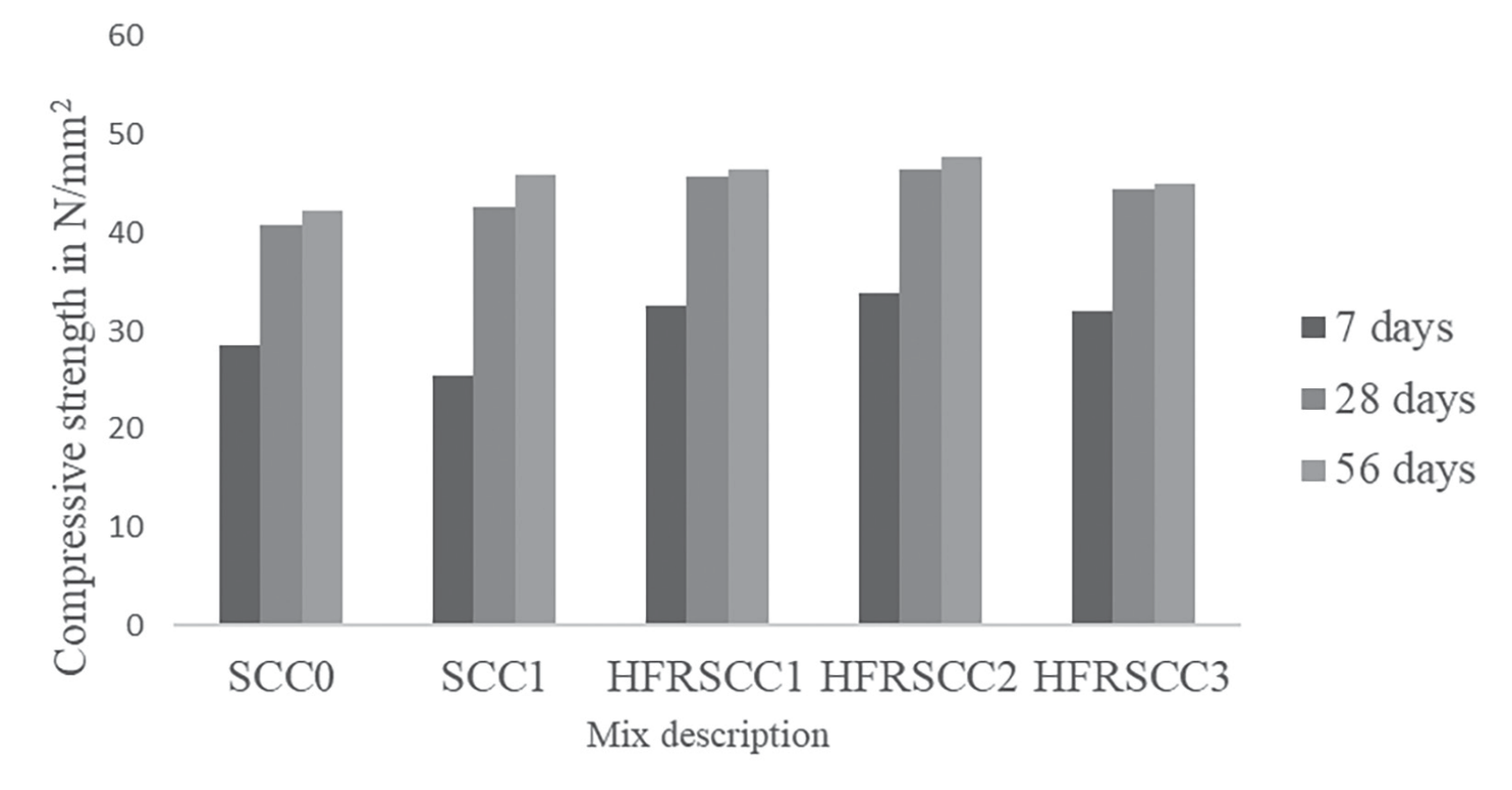
The compressive strength test results are portrayed in Fig. 7. The 28-day compressive strength of concrete increases from 40.72 MPa to 46.5 MPa, and it is evident that the maximum compressive strength is achieved in the HFRSCC2 specimen, but it decreases to 44.5 MPa in the HFRSCC3 specimen. The addition of FA and MK increases the compressive strength very nominally. The increase in compressive strength of the HFRSCC2 specimen is 14.2% higher than that of the control specimen. In the HFRSCC3 specimen, the compressive strength decreases, but it is 9.3% higher than in the control specimen. It has been observed that a number of tiny cracks were formed in fiber-added specimens when compared with other specimens. This can be achieved due to the combined action of steel and sisal fibers. The micro sisal fibers delay the formation of microcracks, and the macro steel fibers prevent the widening of these cracks [24].
Splitting Tensile Strength of HFRSCC
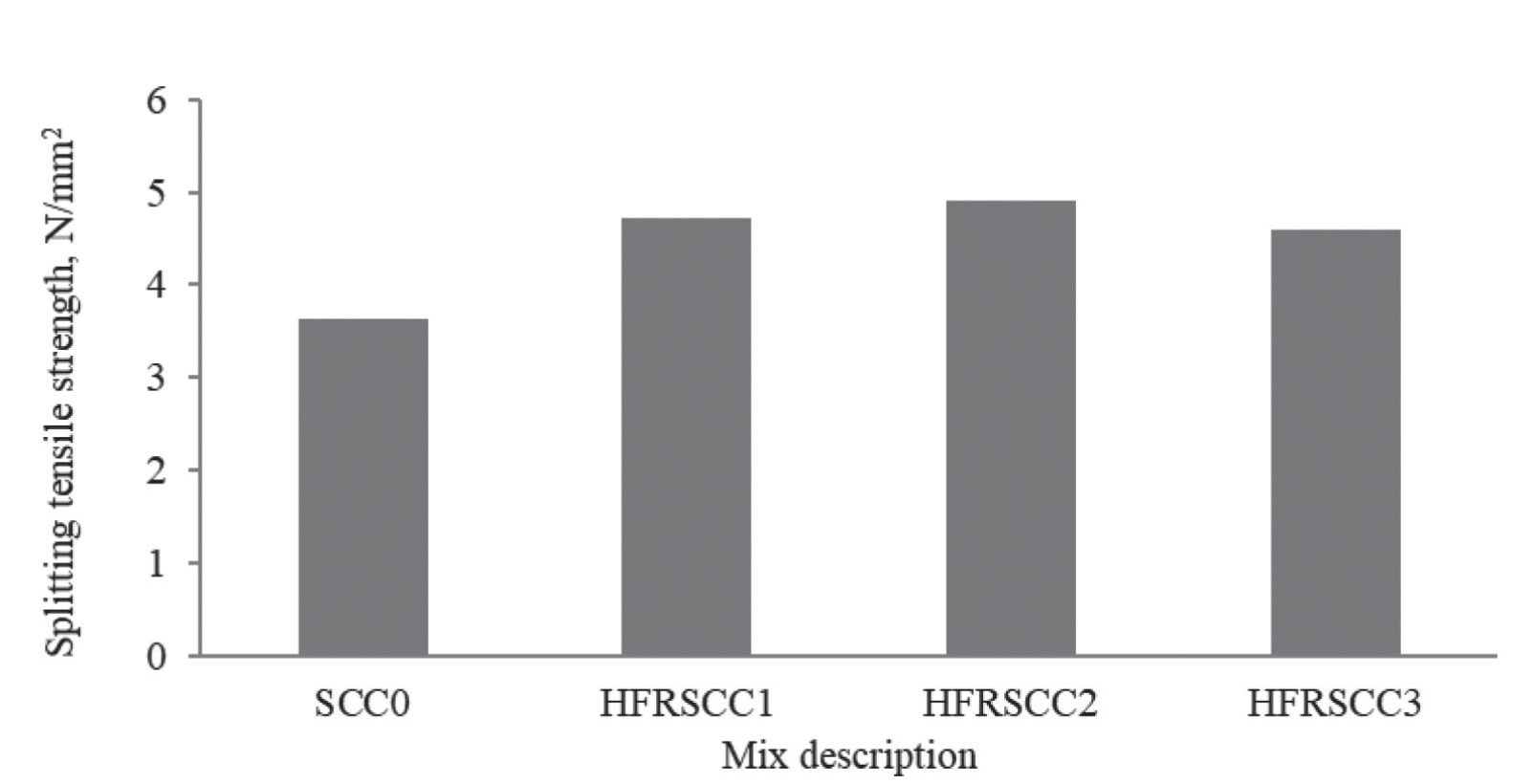
The splitting tensile strength of control concrete is enhanced significantly with the addition of hybrid fibers up to 1.5% steel and 0.2% sisal fiber addition, but the split tensile strength decreases beyond this level of fiber addition, as shown in Fig. 8. However, the decreased split tensile strength in the HFRSCC3 specimen is 26.4% higher than that of the control specimen. In the HFRSCC series, the fiber addition at 1.5+0.1, 1.5+0.2, and 1.5+0.3% by volume fraction improves the split tensile strength by 29.4%, 34.6%, and 26.4%, respectively. It can be noted that the addition of hybrid fibers increases the tensile strength up to 34.6%, and this may be attributed to the bridging mechanism of fibers [30].
Saturated Water Absorption and Porosity
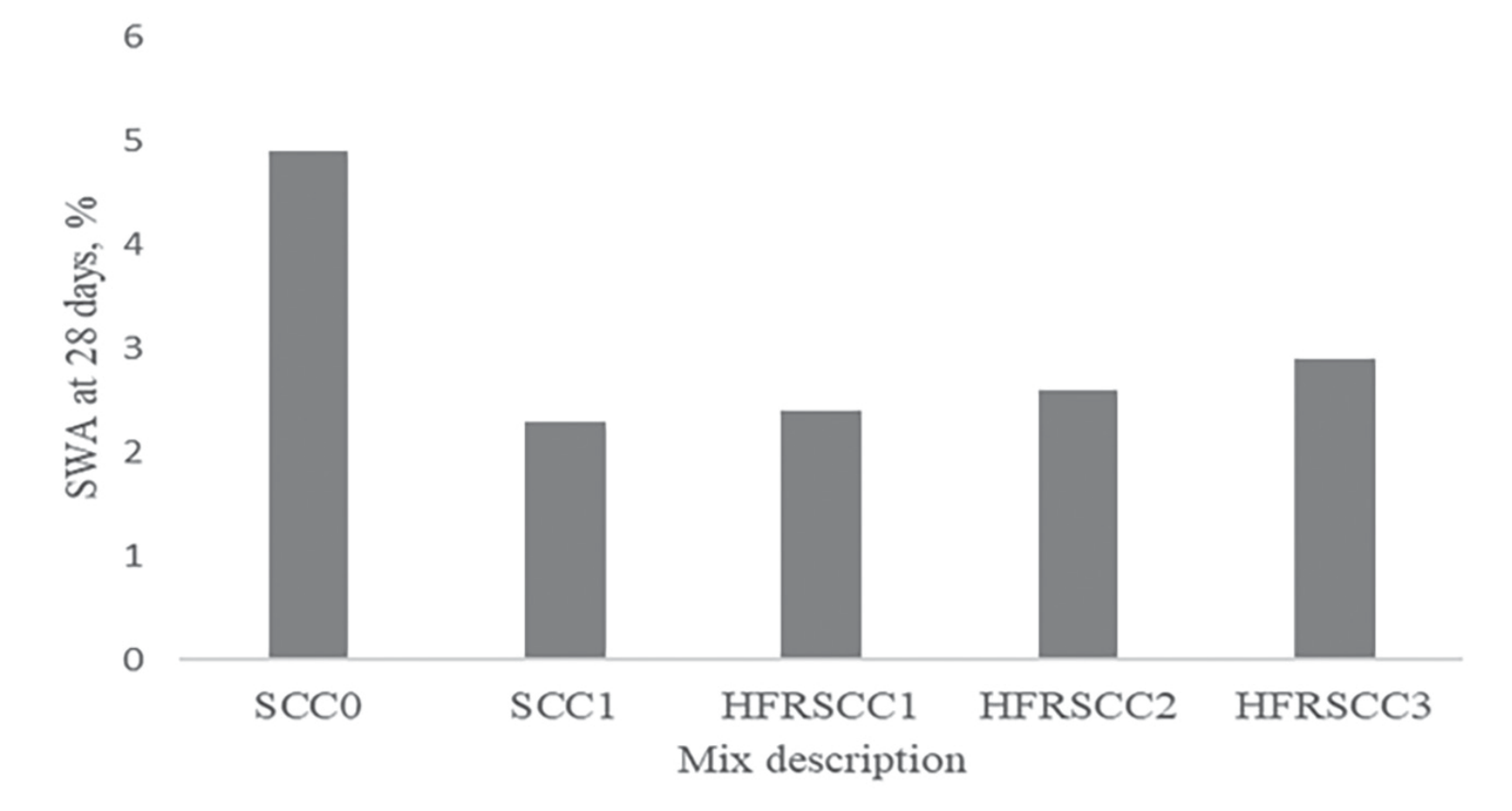
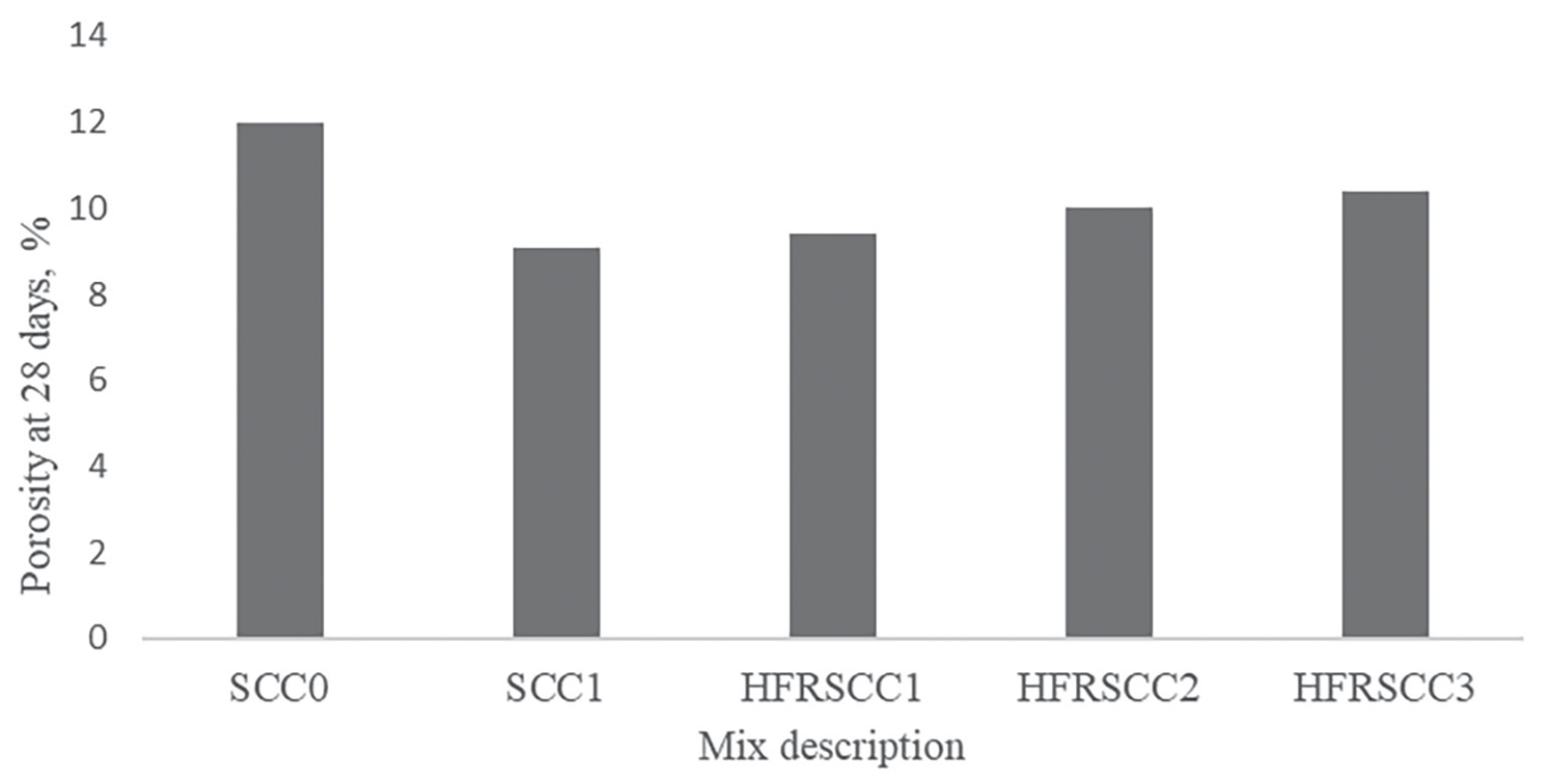
The test results of SWA and porosity of HFRSCC specimens are presented in Fig. 9 and 10, respectively. When compared with the control specimen, the SWA is reduced by 51% in the HFRSCC1 specimen. There is a slight increase in the HFRSCC2 and HFRSCC3 specimens. However, this was lower than in the control specimen. It is observed that the SWA value of all the fiber-added concrete is lower than 3%, the limit specified for ‘‘good’’ concrete by [35].
The porosity of the HFRSCC1 specimen is decreased by 22%. The enhanced durability of the concrete is ascribed to the more compact microstructure achieved through the use of finely ground fly ash and MK particles, which subsequently diminishes the presence of voids and microcracks [36]. Additionally, the secondary or excess calcium silicate hydrate (CSH) gel generated in the presence of fine FA particles occupied all the pores within the concrete sample, resulting in a denser and more compact structure [37]. The presence of fibers cuts the inner connectivity of pores and hence decreases the porosity of HFRSCC specimens [38]. However, it is slightly increased in HFRSCC2 and HFRSCC3 specimens, but it is less than the control specimen, as shown in Fig. 10.
Acid Resistance
The average weight loss and the average loss in compressive strength due to acid attack are illustrated in Table 4. The maximum weight loss was observed in the control specimen, and the maximum loss in compressive strength was also observed in the control specimen. The weight loss, as well as the percentage reduction in compressive strength, is decreased by the addition of supplementary cementitious materials and the fibers. This test result agrees with the study carried out by [34]. It concluded that the addition of high-volume fly ash content reduces weight loss in an acid attack. The weight loss due to acid attack at 28 days and at 90 days was compared, and it is shown in Fig. 11.
Rapid Chloride Ion Penetration
The total electrical charge passed through the concrete specimen for a duration of six hours is given in Table 5. Fig. 12 shows the comparison of chloride ion diffusion over the control specimen. The test results indicate that the chloride ion diffusion of all specimens falls under the very low category as per ASTM C 1202, and it is found that the addition of pozzolanic admixtures reduces the chloride ion diffusion up to 34%. It shows that the hybrid fiber-reinforced concrete specimens are more impermeable than the control specimen, and this may be due to the presence of fly ash, metakaolin, and fibers. When compared with the SCC1 specimen, all hybrid fiber-added specimens have an increased value of chloride ion diffusion due to the presence of fibers. The test results exhibit that the quality of all concrete specimens was found to be very good as they have very low chloride ion penetrability.
Estimation of Corrosion Rate
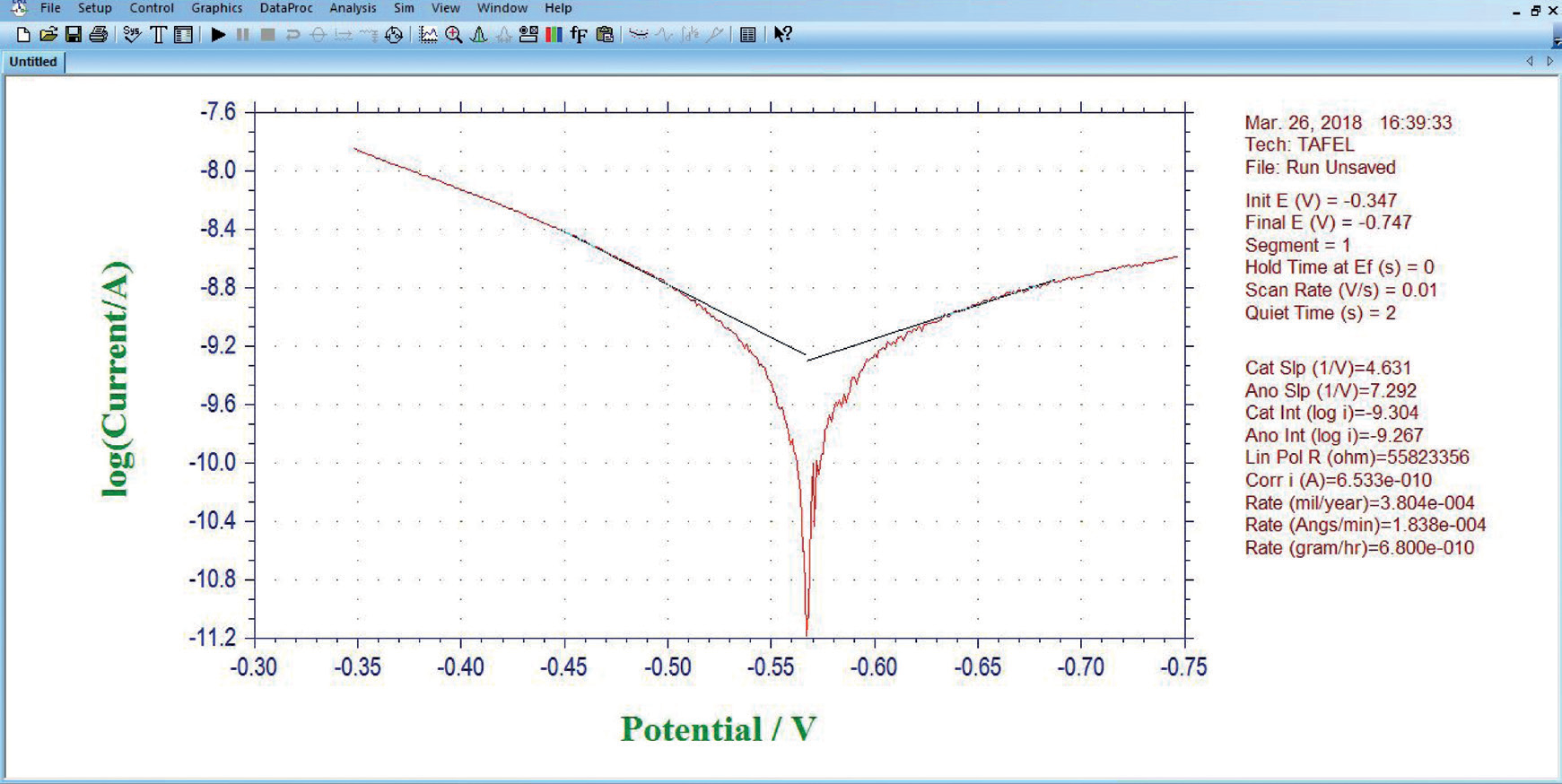
The rate of corrosion of concrete specimens was determined using the LPR technique. Table 6 presents the test results of the corrosion rate of concrete specimens. The test results indicate that the rate of corrosion of the hybrid fiber-reinforced specimen is lower than that of the control specimen. As per the criteria for corrosion rate, the corrosion state of all the specimens is in the passive state or negligible. This can be achieved by the addition of FA and MK. [39] observed a decrease in corrosion currents with an increase in the percentage of FA replacement up to 30%. This phenomenon was linked to the fine texture of FA and MK and its capacity to occupy the pores within concrete structures. Also, [26] observed that the impermeability of concrete is enhanced due to the pozzolanic reaction of FA and MK, which helps in reducing the pores inside the concrete. Fig. 13 shows the Tafel plot for the rate of corrosion of the HFRSCC2 specimen.
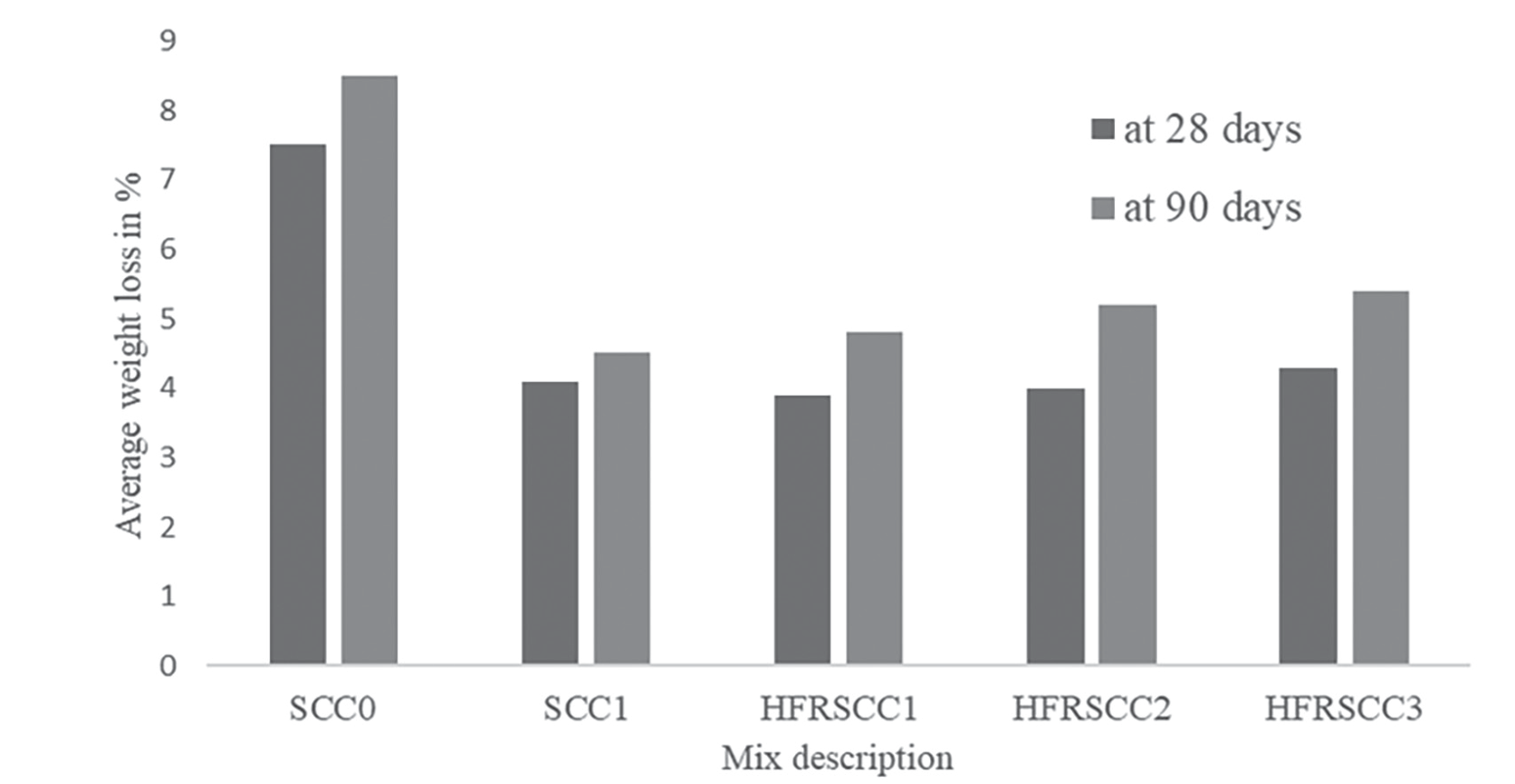
Table 5.
RCPT results.
| Description of specimen | Total charge passed (Coulombs) | Chloride ion diffusion rate (As per ASTM C1202) |
|---|---|---|
| SCC0 | 365 | very low |
| SCC1 | 240 | very low |
| HFRSCC1 | 299 | very low |
| HFRSCC2 | 312 | very low |
| HFRSCC3 | 347 | very low |
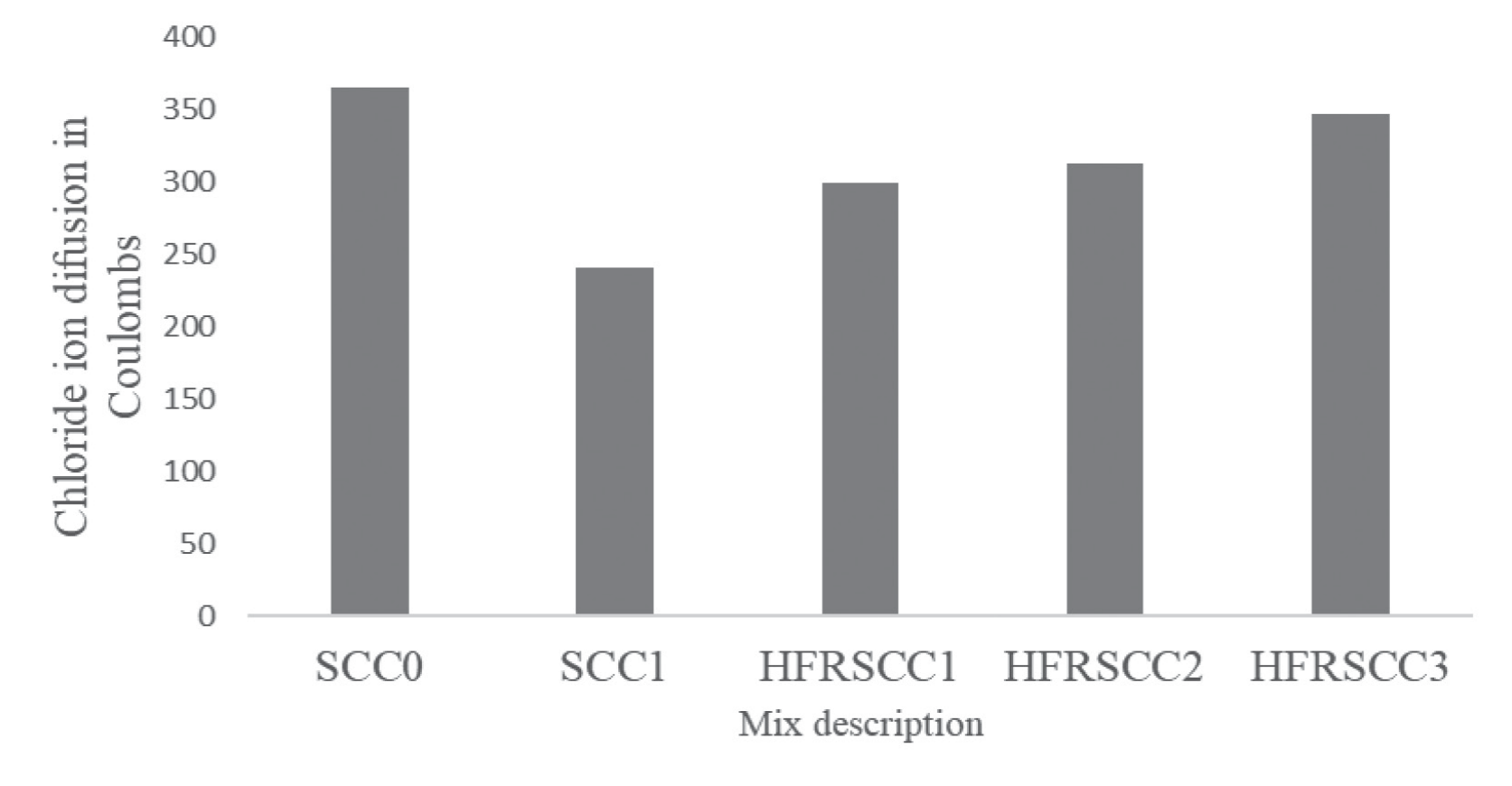
Table 6.
Test results of corrosion rate.
Conclusions
In this study, the effect of supplementary cementitious materials such as fly ash, metakaolin, and fibers like steel and sisal fiber addition on the mechanical and durability characteristics of SCC was investigated, and the following conclusions are drawn:
The degradation of sisal fiber is prevented by the addition of fly ash (30%) and meta kaolin (10%), and hence the concrete mix becomes a low-alkaline matrix. The addition of fibers improves the compressive strength nominally, but it increases the splitting tensile strength up to 51% in the HFRSCC1 specimen. The addition of fly ash and metakaolin reduces the water absorption, porosity, and chloride ion diffusivity in concrete. Based on the SWA and porosity tests, the SCC, which contains 30% FA and 10% MK, is suitable for structures exposed to severe environmental conditions. Since the chloride ion diffusion is very low, the HFRSCC can be suitable for seashore areas. The addition of supplementary cementitious materials reduces the weight loss in acid attack and the loss in compressive strength. Since the rate of corrosion of all the mixes is in a passive state, the steel rebar and steel fiber don’t favor corrosion. Hence, the addition of fly ash and meta kaolin to replace cement makes the green concrete composite, more durable and saves our environment from the emission of carbon dioxide gas. From this study, it has been observed that the addition of micro-sisal fiber and macro-steel fiber enhanced the behavior of SCC by preventing the formation and widening of cracks. Hence, it is recommended that the hybrid fiber (1.5% steel fiber+0.2% sisal fiber) reinforced concrete with 30% FA and 10 % MK can be used as a green concrete composite.

