

Introduction
China has long been deficient in government regulation and environmental awareness due to the limitations of its development model. To pursue profits, firms often ignore environmental protection or adopt strategies to avoid policies, which intensifies the contradiction between environment and economic development. In the face of this challenge, China is promoting economic development while strengthening environmental protection. From the experience of developed countries, through the implementation of the Pigovian tax and other corrective taxes, the cost of pollution is internalized to deal with the environmental problems brought by industrialization. For example, the Netherlands, the United States, Germany, Finland, Denmark, and the United Kingdom have introduced tax policies on water pollution, sulfur dioxide emissions, water pollution, fuel and electricity, and air passengers in different years to achieve a balance between environmental protection and economic development. Some empirical studies have quantitatively assessed the policy effects of environmental taxes in various countries [1, 2]. Such as Martin et al., based on micro business survey data from the UK manufacturing sector, found that the UK Climate Change Tax significantly reduced carbon emissions by reducing the energy consumption of firms [3]; Sterner and Turnheim analyzed that the key to the success of a nitrogen oxide tax reduction in Sweden lies in the innovation and diffusion of advanced pollution control technologies [4]. However, some studies have also found that the imposition of environmental protection taxes may lead to higher operating costs and lower competitiveness of firms [5, 6].
Over the past 40 years of reform and opening up, China has continued to explore environmental protection policies, but it is constrained by economic development strategies. The 19th National Congress of the Communist Party of China raised the construction of ecological civilization to a new height and put forward a new concept: “clear waters and lush mountains are gold and silver mountains”. In 2015, the Environmental Protection Tax Law was revised, passed in 2016, and officially implemented in 2018, marking the legalization and standardization of China’s environmental tax system, realizing the transformation from pollutant discharge fees to environmental taxes, and providing solid legal support for environmental protection.
The transformation from pollutant discharge fee to environmental tax has a profound impact on the production and operation of key polluting firms, and its core goal is to reduce pollutant emissions through tax incentives to achieve environmental protection and improve the living environment. Although the regulatory intensity of environmental protection tax and the collection standards in some regions have been improved, which may bring tax burden and cost pressure on firms, an in-depth discussion of its impact on enterprise performance is crucial for the country to formulate reasonable tax policies. This paper will comprehensively consider the size, nature, and regional differences of firms, and carry out a detailed heterogeneity analysis, aiming to provide a scientific basis for optimizing the environmental protection tax system. In addition, as a key participant in China’s economic development and environmental protection, heavily polluting firms will face the impact of a more stringent environmental protection tax system, which is worthy of in-depth study. This paper will discuss the potential impact of environmental tax reform on the performance of heavily polluting firms and its mechanism, help firms understand the challenges that may be brought by the reform, and guide firms to make effective resource allocation, production mode, and development concept adjustment, to achieve enterprise upgrading and profit maximization, and create greater value for enterprise owners.
The paper is structured as follows: Section 2 provides a literature review. Section 3 presents the policy background and research hypotheses. Section 4 is the research design, including model setting, variable selection, and data description. Section 5 is the empirical results and analysis, including benchmark regression analysis, parallel trend test, robustness test, heterogeneity analysis, and mechanism analysis. Section 6 presents conclusions and policy recommendations.
Literature Review
Environmental regulation is an important tool and means to urge firms to protect the environment in production and operation, mainly including administrative order-type environmental regulation and market-type environmental regulation [7]. In the long run, environmental regulations can incentivize firms to innovate with green technologies, replace non-clean products with environmentally friendly ones, and achieve co-evolution of the environment and the economy, which positively supports Porter’s Hypothesis [8]. In the short run, pollution control expenditures typically increase firms’ production costs and squeeze profit margins, and Ambec et al. argue that requiring firms to reduce pollution inevitably restricts their choices, which in turn reduces firms’ profits [9]. Among them, the environmental protection tax, as a market-based environmental regulation, is one of the most important environmental economic policies in China [10], compared with other command-type environmental regulations, it is different. First of all, firms are less resistant to the environmental protection tax, which is conducive to the change of production and management methods and promotes the development of firms in a green direction; Secondly, the environmental protection tax has strong flexibility, by raising the pressure of enterprise costs, and then effectively forcing firms to green transformation, effectively exerting the subjective initiative of firms [11]. Combined with the existing literature research, it is found that scholars have different views on the relationship between environmental protection tax and enterprise performance, this paper will analyze the literature from the following aspects:
(1) Environmental regulations such as environmental taxes have a dampening effect on firm performance
According to the traditional cost hypothesis, the imposition of an environmental protection tax will increase the tax burden and other additional production costs of firms and will have a dampening effect on the level of firm performance. Because the environmental regime imposes constraints on business operations, the implementation of an environmental protection tax reduces the performance of heavily polluting firms in the short run [12, 13]. In the initial research on the impact of environmental protection tax on the financial performance of enterprises, the traditional cost hypothesis holds that the tax burden will squeeze the profit space of enterprises, lead to a capital shortage, and then restrict innovation, environmental protection, and capacity expansion of enterprises, and affect the sustainable development of enterprises. This view holds that environmental regulations may inhibit enterprise performance, which has been recognized by some scholars. Among them, Brannlund et al., by studying the Swedish paper industry, analyzed and found that Sweden’s environmental protection tax greatly reduced the net profit of firms [14]. Empirical analysis by Darnall et al. found that overly strict environmental policies can largely increase firms’ production costs, which in turn can reduce firms’ performance [15]. Jorgenson et al. conducted a study on environmental taxes in the United States and found that the implementation of environmental taxes in the United States has led to a reduction in corporate operating capacity [16]. Cropper et al. and Ramanathan et al. similarly argue that the imposition of environmental taxes increases the tax burden of firms and affects their financial performance [17, 18]. He et al. empirically found that Porter’s hypothesis itself is not supported by Chinese manufacturing firms and that environmental regulations tend to reduce the financial performance of manufacturing firms [19]. Zheng et al. used ordinary least squares and probabilistic regression models to find that environmental tax reforms would have a dampening effect on the financial performance of firms in transition [20].
Palmer puts forward the “expensive regulation hypothesis, “ which argues that policies such as environmental taxes may increase business costs and affect profits. In the face of regulatory pressure from environmental taxation, companies may adopt new technologies and processes to reduce pollution emissions, which will lead to high costs for companies [21]. Gray et al. empirically analyzed the impact of the implementation of the U.S. environmental protection tax on U.S. companies in the manufacturing industry, and the results of the empirical analysis concluded that the implementation of the environmental protection tax is more stringent when the productivity of the enterprise will be reduced [5]. Lanoie et al. believe that after the introduction of the U.S. environmental protection tax firms in the short-term decision-making will be subject to many constraints and enormous pressure, which will have a “crowding out effect” on the production and operation of firms, resulting in a decline in the operating capacity of firms [22].
(2) Environmental regulation, such as environmental taxes, contributes to business performance
Porter puts forward a different perspective from the early neoclassical microeconomic theory, emphasizing that when faced with environmental tax reform, firms will not only regard it as a cost but will actively adjust their production strategies. Porter’s hypothesis points out that scientific and reasonable environmental regulation policies can stimulate the innovation power of firms, to achieve “innovation compensation” and “first-mover advantage”, and then promote the sustainable development of firms [23]. Porter advocates that companies enhance their competitive advantage through technological innovation and green product production. Porter’s hypothesis emphasizes that firms should take the initiative to improve equipment, green innovation, and effective allocation of resources, to realize that the compensation effect of environmental protection tax is greater than the tax burden cost. Therefore, from a micro perspective, Porter believes that appropriate environmental tax policies can promote the improvement of corporate performance and stimulate the innovation vitality and market competitiveness of firms. Berman et al. conducted a study on the U.S. petroleum refining industry and found that the performance of firms that were levied U.S. environmental protection tax increased in 1982-1992, while the performance of firms that were not levied U.S. environmental protection tax declined over the same period, indicating that U.S. environmental protection tax has a positive effect on the promotion of the financial performance of firms [24]. From the perspective of corporate surplus management, Zhang et al. empirically found that environmental protection tax can positively promote corporate surplus management [25]. Liu et al. empirically analyzed through a mediation model and found that environmental protection tax can increase firms’ environmental investment, which in turn promotes the improvement of firms’ performance [26]. Using a sample of highly polluting industries in China, some scholars have found that environmental taxes have a positive impact on corporate performance while reducing corporate pollution [27, 28]. Finally, some scholars believe that environmental protection tax can indeed effectively enhance the environmental performance of firms, but this promotion is gradual, and the environmental regulation of local governments is an important channel to achieve this goal [29, 30]. Reasonable and effective environmental regulation will lead to a significant increase in after-tax corporate environmental investment, which will promote corporate performance [26], and the impact of environmental regulation on corporate behavior will ultimately be reflected in corporate performance.
(3) Uncertainty about the impact of environmental regulations such as environmental taxes on firm performance
The academic circles have not agreed on the traditional cost hypothesis and Porter’s hypothesis on the impact of an environmental tax on corporate performance. Some scholars believe that the effect of environmental regulation policies, such as environmental taxes, is affected by a variety of factors. At the initial stage of the policy, firms face financial pressure due to the increase in tax burden, the cost of environmental protection and innovation investment is high, and the transformation of results is slow, resulting in environmental protection tax may inhibit the financial performance of firms in the short term. However, with the in-depth implementation of the policy, firms actively respond through industrial adjustment, optimal allocation of resources, and technological innovation measures, which will gradually play a positive role in bringing economic benefits to firms and offsetting the cost burden of environmental regulations. Through empirical evidence, Youliang et al. show that the implementation of the environmental protection tax has not yet produced the expected effect, and the impact on enterprise performance is not obvious in the short term [31].
Based on the relevant studies of domestic and foreign scholars, it is initially believed that environmental regulation policies can effectively promote pollutant emission reduction at the macro level based on the theory of double dividend hypothesis and externality impact. With the deepening of the research, the focus turns to the micro level to analyze the specific impact of environmental regulations on firms. The general conclusion is that, under the incentive of environmental protection policies, firms actively achieve emission reduction targets by improving production methods and increasing environmental protection investment. Although the existing literature has studied the economic and environmental performance of environmental protection tax, the path of how it specifically affects enterprise performance remains to be further explored. Based on this, this paper empirically analyzes the impact of environmental protection tax reform on the performance of listed heavily polluting firms in China from the perspectives of digital transformation and green innovation activities using a double difference model. Compared with previous studies, this paper has the following incremental contributions: Firstly, through empirical analysis, this paper reveals that green innovation and digital transformation are the key strategies for heavily polluting firms to cope with environmental tax, providing a new perspective for understanding the impact of environmental tax reform on firm performance, and expanding the scope of existing literature. Secondly, this paper takes enterprise green innovation and digital transformation as intermediary variables to verify the sustainability of environmental tax reform in promoting the performance improvement of heavily polluting firms and provides empirical evidence for whether the implementation of environmental tax reform is sustainable. Thirdly, the results of this paper show that the effect of environmental tax reform is better in large enterprises and areas with increased tax burden, which provides valuable policy inspiration and reference value for the successful implementation of environmental tax.
Policy Background and Research Hypotheses
Policy Background
The evolution of the sewage charging system into an environmental protection tax law has taken 40 years (1978-2018). The evolution of the sewage charging system into an environmental protection tax law has been a process of gradual development and improvement. In 1978, China established a sewage charging system; in 1979, China began to implement a sewage charging system aimed at restraining and punishing environmental pollution behaviors through economic means. By 2008, taxation, environmental protection, and other departments jointly carried out research work on environmental protection tax to prepare for the introduction of environmental protection tax. In 2010, the “Twelfth Five-Year Plan” proposed the introduction of an environmental protection tax as an important policy measure for environmental protection. In 2014, the environmental protection law proposed to levy environmental protection tax by the law, and no longer levy sewage charges. In 2015, the environmental protection tax law solicited opinions and listened to a wide range of opinions and suggestions from all walks of life. In 2016, the environmental protection tax law was voted on and passed, marking the adoption of the environmental protection tax law. On January 1, 2018, the Environmental Protection Tax Law of the People’s Republic of China passed by the Standing Committee of the Chinese National People’s Congress (NPCSC) was formally implemented, and the sewage charges that had been in place for many years were changed to environmental protection tax. This process reflects the Chinese government’s attention and determination to environmental protection, and by changing the sewage charge to an environmental protection tax, it further strengthens the constraints and penalties on environmental pollution behaviors, which is conducive to promoting the cause of environmental protection.
After the reform and opening up, China has become the fastest-growing economy in the world, but it has also generated serious resource and environmental problems. Emissions of various major pollutants have gradually exceeded the carrying capacity of the environment, and environmental pollution and ecological damage have become the main bottlenecks restricting sustainable economic development. Command-and-control and market-guided environmental regulation are the main environmental regulatory instruments adopted by China at present. According to the principle of Pigovian tax, as an important tool of market-oriented environmental regulation, environmental tax or sewage charge can effectively promote firms to reduce pollution by internalizing the unit cost of pollution emission in response to the negative externality generated by firms’ environmental pollution, and has achieved good governance effects in developed countries. Drawing on the experience of developed countries, China established a pollutant discharge fee system in 1979 and successively introduced a series of legal systems to control the emission level of major pollutants from industrial firms by imposing sewage charges on firms. Established studies have found that the sewage fee collection standard can significantly reduce the emission of industrial output pollutants 10, but the government and the community have questioned the effectiveness of the implementation of the sewage fee system due to the low sewage fee standard and problems in enforcement [32]. China has proposed to vigorously promote the construction of ecological civilization and to promote the reform of the environmental protection tax. China’s first “green tax law”, the Environmental Protection Tax Law, was considered and passed on December 25, 2016, and published, and from January 1, 2018, it was formally implemented. The Environmental Protection Tax Law is of great significance in protecting and improving the environment, reducing pollutant emissions, and promoting the construction of an ecological civilization, which will help Chinese society to form a green development mode, promote the majority of industrial firms to take the initiative in transformation and upgrading, and boost China’s economy to achieve a higher quality development.
This environmental protection tax reform realizes the transformation from a sewage charging system to an environmental protection tax, with the following main features: First, the legislative level is elevated. Second, the principle of shifting taxes and fees. Third, regions have the right to set their standards for pollution collection. The implementation of the environmental protection tax law is equivalent to a “natural experiment” in the field of economics, with obvious exogenous characteristics, which provides a rare opportunity to effectively identify the impact of China’s environmental protection tax reform on the performance of heavily polluting firms.
Theoretical Analysis and Hypothesis Proposal
Environmental Tax Reform and Firm Performance
Environmental protection tax, as an important market-based environmental regulation, is a kind of environmental economic policy instrument with effectiveness, preventive, and long-term effects, and is an important part of environmental economic policy and environmental policy system. This paper analyzes the mechanism of environmental protection tax on the performance of heavily polluting firms based on theories and related studies such as neoclassical economics and Porter’s hypothesis, combined with the theory of environmental regulation and the characteristics of China’s new stage of economic development. On the one hand, it is based on regulatory pressure. Compared with other environmental regulatory tools, the main feature of environmental protection tax is manifested as mandatory, which requires firms to comply with the environmental protection standards stipulated by the law and use clean technology and production equipment, or else they will face serious penalties. In addition, the government, as an important part of policy making, will also take appropriate incentives and penalties according to the firms’ clean production, and emission control, and if they meet the regulations, policymakers may consider raising the tax rate to low tax rate areas and strengthening tax relief to stimulate firms to realize pollutant emission reduction [33]. Compared with general firms, heavily polluting firms are more easily exposed to suppliers, creditors, investors, and the public, which brings enormous environmental pressure on firms. Environmental regulatory pressure and tax pressure will force firms to carry out green product innovation [34], use clean energy, improve production efficiency, and then improve enterprise performance. On the other hand, based on the cost internalization pressure, firstly, because the environment has the attribute of public goods, firms will not incorporate the social cost of pollution emission into their production costs, which in turn leads to excessive emission of pollutants and environmental pollution, so that the pollution behavior of firms shows negative externalities. The government through the levy of environmental taxes can restrain the enterprise’s pollution emission behavior, and reduce the degree of environmental pollution, people pay more and more attention to the internalization of environmental costs to solve the problem of environmental pollution, the internalization of environmental costs can help to improve the level of the welfare effect of the whole society, the internalization of the external costs of the environment is necessary [35], which is manifested as a positive externality of the environmental tax. The environmental costs thus burden society are passed on to firms, which puts them under greater cost pressures. Firms’ resources are limited, and for the sake of sustainable development [36], they will reallocate their resources efficiently, increase environmental protection inputs to efficient sectors, and promote cleaner production, therefore improving enterprise performance. Finally, the environmental protection tax law can promote the flow of production factors. Heavily polluting firms have high pollution control costs, while the environmental protection tax law can improve the total factor productivity of heavily polluting firms, promote firms to improve production efficiency, reduce pollutant emissions, and thus improve enterprise performance [37]. Based on the above analysis, this paper puts forward the following hypothesis.
Hypothesis 1: Environmental protection tax reform can promote the performance of heavily polluting firms.
Environmental Protection Tax Reform and Digital Transformation of Firms
In the context of digital transformation, firms can improve their performance by adopting advanced digital technologies and tools to increase productivity, reduce costs, and optimize resource allocation [38]. Liu et al. found that environmental protection tax can improve the financial performance of energy-intensive firms by incentivizing their digital transformation through the study of energy-intensive firms [39]. The implementation of the Environmental Protection Tax Law mandatorily incorporates environmental costs into the operating costs of firms. This tax mechanism internalizes the environmental costs of firms and encourages them to better manage and reduce emissions, thus increasing environmental awareness. Firms pay more attention to environmental impacts in their economic operations and are committed to adopting more environmentally friendly production methods, thus raising the external constraints on heavily polluting firms. Therefore, to reduce the environmental tax burden and avoid higher environmental risks, heavily polluting firms may tend to increase the investment required for digital transformation. Based on the above analysis, this paper proposes the following hypothesis.
Hypothesis 2: Environmental protection tax reform improves the performance of heavily polluting firms by accelerating their digital transformation.
Environmental Protection Tax Reform and Corporate Green Innovation
Neoclassical economic theory suggests that environmental regulation will hurt enterprise innovation activities, weakening the international competitiveness of firms. With environmental regulation to improve the cost of polluting firms emissions, firms to reduce the investment in technological innovation activities turn to environmental protection and innovation projects [40], taking up the financial resources of firms and squeezing the funds of technological innovation activities of firms, the inhibitory effect on the innovation activities of firms. Such as charges or taxes on corporate emissions of pollution is a by-product of the production process. Previously, the enterprise pollution emissions were free of charge. After the tax reduced the input of productive investment, the competitiveness of firms had a negative impact. However, this traditional view has been criticized by many schools of thought, the most famous being the Porter Hypothesis. Porter completely overturned the traditional view that the view on environmental protection and enterprise competitiveness is wrong, suggesting that the traditional view is based on a static model of the analytical framework and ignores the possibility of enterprise innovation [41]. On the other hand, enterprise competitiveness is a dynamic development process, which comes from the superior innovation ability of firms. Reducing pollution means improving the efficiency of resource use, and targeted and flexible environmental regulations will stimulate innovative activities and enhance the competitiveness of firms [42]. The implementation of the environmental protection tax law, especially the environmental protection tax rate increase in the region to raise the taxable pollutants tax standard, and the increase in the intensity of environmental regulation will make firms focus on the potential innovation opportunities in these areas. Of course, it also brings external pressure to promote corporate innovation, prompting companies to engage in green innovation activities to improve corporate performance [43]. Some scholars have argued that there is a positive driving relationship between environmental subsidies and corporate green innovation after the implementation of the environmental protection tax law [44], The environmental protection tax has also significantly increased the efficiency of green innovation and corporate green R&D in heavily polluting firms [45]. Among them, Hamamoto et al. found through their study that Japan’s environmental tax policy has a boosting effect on R&D investment [46]. Ouyang et al. used China’s industrial data from 2005 to 2018 as a research sample and found a U-shaped relationship between environmental regulation and innovation [47].
This paper identifies and accounts for the green technology innovation data of Chinese A-share listed companies from 2013 to 2022 according to this green innovation standard, and distinguishes between substantive and strategic green innovation on this basis. Existing studies have found that environmental regulation industrial policies only incentivize firms to innovate strategically, and firms increase the “quantity” of innovation to “seek support”, but the “quality” of innovation is not significantly improved [48]. Combined with the analysis of related studies, this paper takes substantive green innovation and strategic green innovation as the indicators of firms’ green innovation activities and investigates whether they play a mediating role between environmental protection tax and enterprise performance, respectively. Based on the above analysis, this paper proposes the following hypotheses.
Hypothesis 3a: Substantial corporate green innovation does not play a mediating role between environmental protection tax and corporate performance;
Hypothesis 3b: Environmental protection tax reform improves the performance of heavily polluting firms by increasing strategic green innovation activities.
Study Design
Model Setting
DID Model
To examine the actual impact of environmental protection tax reform on the performance of heavily polluting firms, this paper takes the implementation of the Environmental Protection Tax Law in 2018 as a quasi-natural experiment and separates the effects of the experimental group and the control group affected by the policy by constructing a DID model. In this paper, the baseline model is set according to the practice of Deschenes et al. as follows [49].
In the model, subscripts i, t, and j denote firm, year, and industry, respectively. The explanatory variable ROAitj denotes the performance of heavily polluting firms i in industry in j year t. Treatj is a treatment variable to identify whether the firm belongs to a heavy polluting industry or not; Postt is a policy shock variable to identify the time of the policy shock; Conrrols are control variables other than the environmental protection tax reform that may affect the performance of heavily polluting firms, including Size, Lev, ATO, Growth, Top10, Balance, ListAge, Mshare, TobinQ, and SOE. Individual fixed effects, year fixed effects, and industry fixed effects are denoted by μi, δt, and φj, respectively; and εitj is a randomized perturbation term.
Mediator Effect Model
Based on the study of the mediating effect of Ting [50]. his paper constructs the following model to empirically analyze the impact of environmental tax reform on the performance of heavily polluting firms and examines whether enterprise digital transformation, substantive green innovation, and strategic green innovation play a mediating role.
In the above formula, the Mediator represents the intermediary variables, including enterprise digital transformation (Digital), substantial green innovation (GreenIno), and strategic green innovation (GreenFM), and the definition of the other variables is consistent with the DID model.
Parallel Trend Testing Model
The use of DID to correctly assess policy effects presupposes that the experimental and control groups satisfy the parallel trend assumption before policy implementation. In this paper, we refer to Lei and Zhao, Long et al., He and Jing, Ai-ling et al., and Jinke and Yiyang, then we set the experimental group as heavily polluting firms and the control group as non-heavily polluting firms to verify that there is no significant difference between the experimental group and the control group before the implementation of the policy intervention [12, 27, 28, 51, 52]. Considering the differences between policy effects at different time points after policy implementation, this paper uses the event study method to test the parallel trend before policy implementation and the dynamic effect after policy implementation by referring to the method of Jacobson et al. [53].
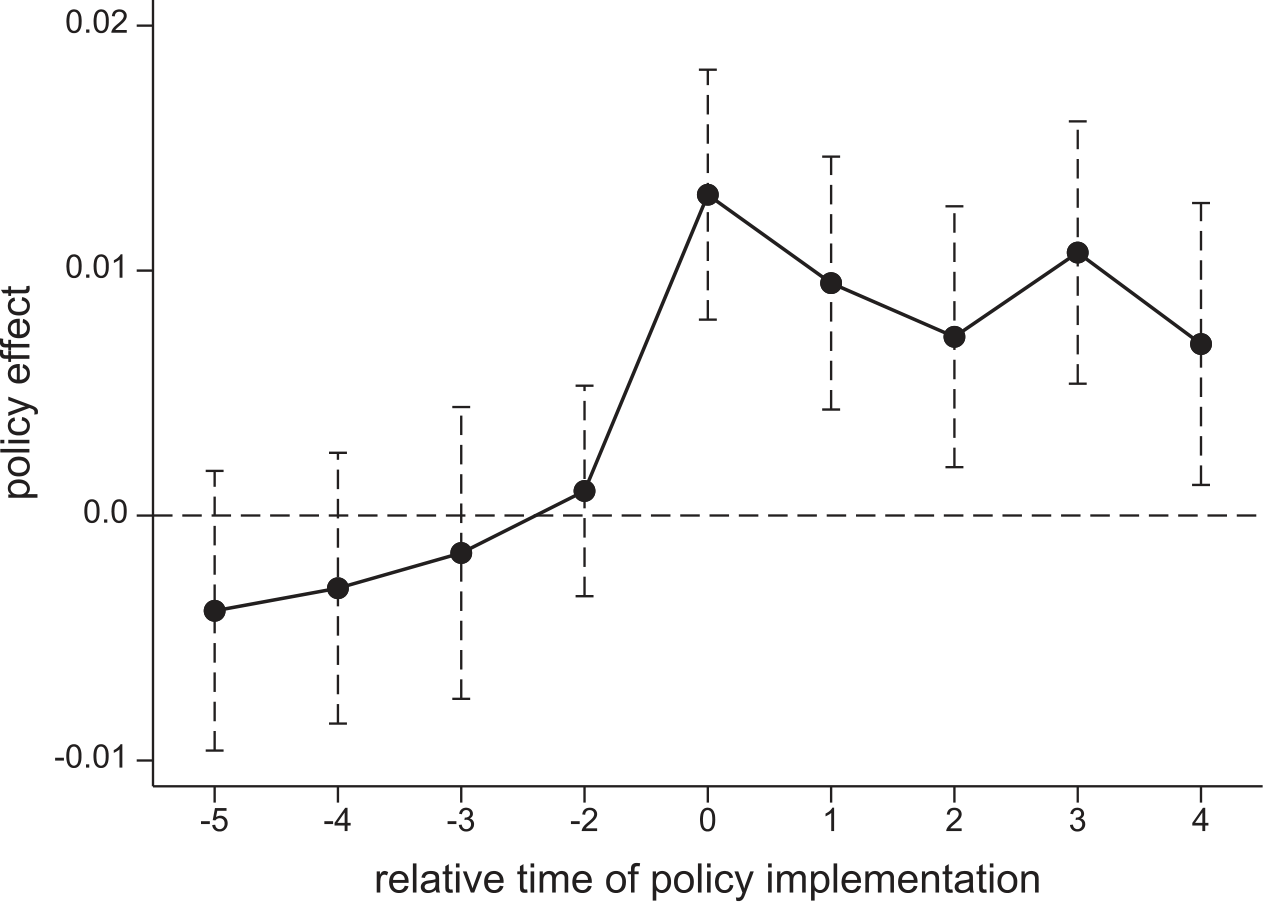
Treatj×Timet is the interaction between the policy dummy variable and the year dummy variable, and the rest of the variable definitions are consistent with the DID model. Taking the year before the implementation of the environmental tax policy as the base period, the Treatj×Timet interaction term coefficient is examined to see whether the interaction term coefficient is significant, if it is not significantly different from 0 before the implementation of the policy, it is considered that the parallel trend is assumed to be satisfied, and vice versa is not satisfied.
Variable Selection
Explained Variable
Enterprise performance is an Explained variable. Drawing on Fiaman and Wang, this paper uses ROA (Return on Assets) to measure firm performance [54], i.e., the ratio of net profit divided by total assets, which is used to reflect the profitability of a firm’s assets. In addition, this paper also selects operating net profit margin (OPR) as an indicator of corporate performance. This indicator is expressed as the proportion of net profit to operating income, as a proxy variable for the ROA indicator, which portrays the performance status of the enterprise from different sides.
Core Explanatory Variable
The interaction term Treatj×Postt is the core explanatory variable of the model. Its coefficient estimate is a double difference estimator, which examines the impact of the environmental protection tax on the performance of heavily polluting firms before and after the implementation of the environmental protection tax. According to Ai-ling et al., the codes of heavy polluting industries1 are B06, B07, B08, B09, C17, C19, C22, C25, C26, C28, C29, C30, C31, C32, and D44 [51]. Treat is assigned a value of 1 if the firm is a heavily polluting firm, 0 if the firm is a non-heavily polluting firm, 0 for Post before 2018, and 1 for Post after 2018. 1 According to the “Notice on the Issuance of the List of Listed Com-
panies on the Categorization and Management of Environmental
Protection Verification Industries” issued by the Ministry of Ecol-
ogy and Environment of the People’s Republic of China (formerly
the Ministry of Environmental Protection of the People’s Republic
of China), and in this document, the following industries are defined
as heavily polluting industries: Coal mining and washing; oil and
gas mining; ferrous metal mining; non-ferrous metal mining; tex-
tiles; leather, fur, feather and footwear; paper and paper products;
petroleum processing, coking and nuclear fuel processing; chemical
raw materials and chemical products manufacturing; chemical fiber
manufacturing; rubber and plastic products; non-metallic mineral
products; ferrous metal smelting and calendering; non-ferrous metal
smelting and calendering; and electric power and heat production
and supply. According to the Guidelines for Industry Classification
of Listed Companies revised by the China Securities Regulatory
Commission in 2012, the codes for heavily polluting industries are
B06, B07, B08, B09, C17, C19, C22, C25, C26, C28, C29, C30,
C31, C32 and D44.
Mediating Variables
The degree of enterprise digital transformation and enterprise green innovation are the mediating variables. Referring to Chenyu et al., the annual report data from 2013 to 2022 were manually collected and sorted, and the index reflecting the digital transformation degree of listed companies was obtained through text analysis [55]. Drawing on Jinke and Yiyang, this paper uses the logarithm of the sum of the number of firms’ green utility model and design patent applications as a measure of strategic green innovation (GreenFM), and the logarithm of the number of firms’ green invention patent applications as a measure of substantive green innovation (GreenIno) [56].
Control Variables
Referring to the research method of Qi Shaozhou et al. [57], his paper selects the following control variables to control the impact of other factors on firm performance: (ⅰ) Enterprise size (Size). The size of the enterprise has a lot to do with the financial performance of the enterprise, and the larger the enterprise, the better the financial performance of the enterprise. (ⅱ) Debt-to-asset ratio (Lev). On the premise of ensuring a reasonable cost of debt, a moderate amount of debt is conducive to raising funds for firms, thereby improving the financial performance of firms. (ⅲ) Total Asset Turnover (ATO). The total asset turnover ratio is an indicator to measure the utilization efficiency of enterprise assets, reflecting the utilization effect of enterprise assets. The higher the total asset turnover ratio, the better the asset utilization efficiency of the enterprise, and the higher the sales of the same assets, the better the financial performance of the enterprise. (ⅳ) Growth rate of operating income (Growth). The higher the growth rate of operating income, the better the company’s financial performance is due to the expansion of sales profits. (ⅴ) Top 10 shareholders (Top10). According to existing studies, the shareholding ratio of the top 10 shareholders is positively correlated with the financial performance of firms. (ⅵ) Equity Balance (Balance). The impact of equity checks and balances on the financial performance of firms is twofold, and moderate equity checks and balances can improve firm performance. (ⅶ) Listed Age (Listage). A company’s financial performance may also be affected by the number of years it has been on the market, and the longer it has been listed, the more likely it is to accumulate experience in dealing with emergencies and a higher level of technology. (ⅷ) Management shareholding ratio (Msahre). Generally speaking, after the management shareholding ratio reaches a certain level, the management may act in a way that is detrimental to the company’s interests and cause the company’s performance to decline to gain more control. (ⅸ) TobinQ (TobinQ). In general, the TobinQ is the long-term business performance, and a higher Tobin Q is a signal of better financial performance. (ⅹ) Nature of Property (SOE). The nature of a business’s property rights may also have an impact on the financial performance of a business.
Data Description
In this paper, Chinese A-share listed companies from 2013 to 2022 are selected as the research sample, and the data sources include two parts: (1) corporate green patent application data and other corporate-level micro-data from the Wind database and the Cathay Pacific database; (2) drawing on Chenyu et al., an index reflecting the degree of digital transformation of listed companies is collected and organized by collecting and organizing 2013-2022 annual report information, obtained using the text analysis method [55]. In addition, to ensure the validity of parameter estimation, the initial data in this paper are processed as follows: exclude ST, *ST, and PT firms that are specially treated by the exchange; exclude the samples with serious missing data of the variables, exclude the firms with the listing years less than one year, and carry out shrinking of the tail (Winsorize) of all continuous variables from the 1st to 99th percentile to avoid the outliers to the interference of outliers on the estimation results. In the end, 27,998 valid data were obtained. In addition to the net operating profit margin, OPR is a replacement variable for robustness testing. The descriptive statistics of the main variables in this paper are shown in Table 1. On the other hand, the mean value of the variance inflation factor of the least squares regression model is 1.43, which indicates that the model in this paper does not have serious multicollinearity problems.
Empirical Results and Analysis
DID Model Regression Analysis
Table 2 reports the regression results of environmental taxes on the performance of heavily polluting firms. Columns (1) to (3) show the regression results after controlling for different fixed effects, and the results show that the estimated coefficients of Treatj×Postt are all significantly positive at the 1% level after controlling for other variables held constant. Column (4) further controls for year, industry, and individual fixed effects, and the estimated coefficient of Treatj×Postt is 0.0109 and passes the 1% level of significance. The regression results show that the coefficients of all interaction terms Treat×Post are significantly positive at all at the 1% level. This implies that environmental protection tax reform significantly contributes to the performance of heavily polluting firms, i.e. hypothesis 1 is verified.
Parallel Trend Test
As shown in Fig 1, before the implementation of the environmental protection tax policy in 2013-2018, there was no significant difference between the enterprise performance of the experimental group and the control group, but at the beginning of the reform in 2018, there was a significant difference in the trend of enterprise performance change between the experimental group and the control group. Thereby, it can be assumed that the parallel trend test is passed, which assures the use of the double difference model in this paper.
Table 1.
Descriptive statistics of variables.
Table 2.
Benchmark regression results.
Robustness Tests
Placebo Test
To further exclude the influence of other unobservable factors on the regression results, this paper adopts the random allocation of pilot firms to conduct the placebo test. Specifically, firms are randomly selected from the sample firms as the experimental group and regression estimation. If the estimation results after random sampling show that the interaction term Treatj×Postt is significant, it means that there is identification bias in the model setting of this paper. To reduce the interference of very small probability events on the research estimation results, this paper repeats the random sampling regression analysis 1000 times. The results are shown in Fig 2. From the figure, it can be found that the mean of the regression coefficients is close to 0. The benchmark regression coefficients belong to the outliers in the figure, which excludes the influence of other unobservable factors.
PSM-DID
To further overcome the endogeneity problem, this paper chooses the propensity score matching (PSM) method to remove the interference caused by observable individual heterogeneity in sample selection on the policy effect. The samples are divided into treatment and control groups according to whether they are heavily polluting firms or not, where those that are heavily polluting firms are the treatment group; otherwise, they are the control group, based on which the propensity scores are matched on the control variables. The accuracy of the results is ensured by the balance test, which requires that there is no significant difference between the control variables before and after the treatment after matching, and if the data bias is reduced, it means that the degree of matching of the data after PSM is increased, and the sample balance is also improved accordingly. In this paper, the control variables such as firm size (Size), gearing ratio (Lev), total asset turnover (ATO), growth rate of operating income (Growth), shareholding concentration (Top10), equity balance (Balance), and listed age (ListAge) are selected as covariates for propensity score matching. The matching methods are “nearest neighbor” matching (1:1 matching and 1:4 matching) and radius matching. In this paper, the above covariates are matched. The results show that the standardized deviation is less than 5% and the P-value after matching is not significant, indicating that there is no significant difference between the experimental group and the control group, and the matching effect is good. Table 3 shows the regression results of DID on the samples after effective matching. The results show that the estimated coefficients of the interaction term Treat×Post in columns (1) to (3) all pass the 1% significance level and the coefficients are significantly positive, indicating that the environmental protection tax reform promotes the performance of heavily polluting firms, so it can be seen that the hypotheses of this paper still hold.
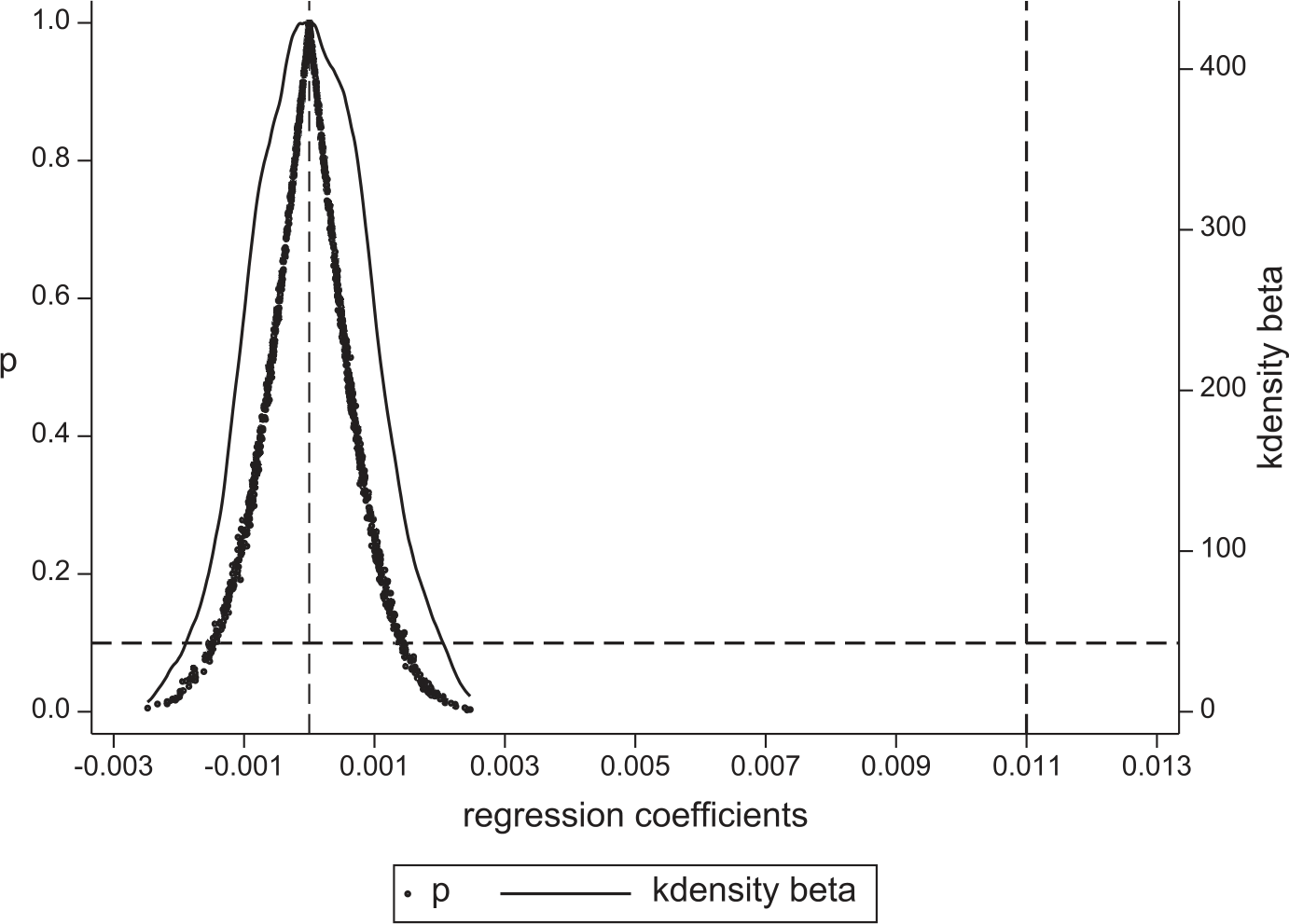
Table 3.
PSM-DID regression results.
Excluding the Effects of Other Competing Hypotheses
Referring to Jinke and Yiyang [52], to further ensure the robustness of the regression results, this paper discusses other policies that may affect firms’ performance to exclude the effects of other regimes. Since 2013, China has launched carbon emissions trading pilots in Beijing, Tianjin, Shanghai, Chongqing, Guangdong, Hubei, and Fujian. The carbon emissions trading pilot policy not only reduces regional carbon emission levels but also affects corporate production activities. In addition, on January 1, 2015, the fully revised Environmental Protection Law of the People’s Republic of China (from now on referred to as the New Environmental Protection Law) was formally implemented, and the implementation of this policy can significantly affect corporate performance. To exclude the effects of the carbon emissions trading pilot policy and the implementation of the New Environmental Protection Law on corporate performance during the study period, this paper conducts robustness tests by deleting the provinces of the carbon emissions trading pilot and by controlling the interaction terms of the time dummy variable for the implementation of the New Environmental Protection Law and the listed companies’ industry characteristic variables, respectively. The results are shown in columns (1)-(2) of Table 4, where the coefficients of the core explanatory variables Treat×Post pass the 1% significance level and the coefficients are significantly positive, indicating that the competing environmental regulation policies do not affect the benchmark regression, which further verifies the robustness of the results of benchmark regression in this paper.
Replacement of Core Explanatory Variables
The results of the benchmark regression indicate that the environmental protection tax reform has a significant promotion effect on the performance of heavily polluting firms, and to ensure the robustness of the research conclusions, the core variables are further tested by replacing the core variables. In this paper, the net operating profit rate (OPR) is selected as the replacement variable of corporate performance (ROA), and then the regression test is re-conducted, and the results, as shown in column (3) of Table 4, the coefficient of the interaction term Treat×Post is still significantly positive and passes the test of significance at the 1% level. Again, the robustness of the benchmark regression results is verified.
Expected Effect Test
The fact that the control and treatment groups do not form valid expectations before the policy occurs is another prerequisite for the use of double-difference models. This paper draws on the Beck et al. approach to test for anticipation effects [58]. First, the interaction term between the time dummy and the treatment group dummy for the year before policy implementation (Treat_pre1) is constructed and added to the baseline regression model for re-estimation. If the coefficient estimate of Treat×pre1 is significantly different from 0, it indicates that the expected effect exists and thus the benchmark regression estimates are biased. The results are shown in column (4) of Table 4, which shows that the coefficient of Treat×pre1 is not significant, indicating that before the implementation of the environmental protection tax law, neither the treatment group nor the control group had formed the expectation of enterprise performance adjustment. This implies that the implementation of environmental protection tax law has a strong exogenous nature.
Heterogeneity Analysis
Due to the heterogeneity of firms, the implementation of environmental protection tax policy may have different economic consequences for heterogeneous firms. In this regard, this paper further investigates whether there is heterogeneity in the impact of environmental protection tax on the performance of heavily polluting firms from three aspects, namely, enterprise property rights, enterprise size, and the region in which the enterprise is located.
Heterogeneity of property rights. To identify the possible heterogeneity of the impact of environmental protection tax reform on heavily polluting firms with different property rights, this paper divides the sample into state-owned firms and non-state-owned firms and estimates the coefficients of the variable Treat×Post for different samples respectively. The estimation results are shown in columns (1)-(2) of Table 5, and the results show that the coefficients of the interaction terms of the samples of state-owned firms and non-state-owned firms are all significantly positive at the 1% level, and the empirical p-value of the interaction term is obtained as 0.336 by the Fisher’s Permutation test for between-groups differences, therefore, the original hypothesis is accepted, indicating that there is no significant difference in the coefficients between the two groups, and likewise indicating that there is no significant property rights heterogeneity in the promotion of environmental protection tax reform on the performance of heavily polluting firms.
Heterogeneity of enterprise size. To explore the heterogeneity of the impact of environmental protection tax reform on the digital transformation of firms of different sizes, this paper divides the samples involved into large-scale firms and small-scale firms based on the median of enterprise sizes and estimates the coefficients of the Treat×Post interaction term for different samples respectively. The estimation results are shown in columns (3)-(4) of Table 5, which show that the coefficients of the variable in the sample of large-scale firms are significantly positive at the 1% level, and the coefficients of this variable in the sample of small-scale firms are significantly positive at the 10% level, and the test of inter-group differences is conducted through the Fisher’s Combined Test, which obtains the empirical p-value of the interaction term to be 0.088, thus rejecting the original hypothesis, indicating that the coefficients of the coefficients between the two groups are significantly difference, indicating that environmental protection tax reform has a more significant effect on the corporate performance improvement of large-scale firms. Possible reasons for this are: that large-scale firms often have operational advantages, strong access to information, stable equity structure and capital chain, etc. also create mature conditions for large-scale firms to perceive the economic consequences of the environmental protection tax reform; on the contrary, due to their operational disadvantages, small-scale firms are slow in responding to a series of economic consequences generated by the environmental protection tax reform, which inhibits the positive effect of the environmental protection tax reform to a certain extent. On the contrary, due to their business disadvantages, small-scale firms are slow to react to a series of economic consequences generated by the environmental protection tax reform, which inhibits the positive effects of the reform to some extent.
Table 4.
Results of other robustness tests.
Heterogeneity of pilot regions. Regarding the division of pilot regions, this paper refers to the research method of Youliang et al. [31], compares the tax burden labeling of each region with its sewage fee period collection standard, and divides 31 provinces in China (excluding Hong Kong, Macao, and Taiwan) into tax burden-raising provinces and tax burden-leveling provinces. The tax burden-raising provinces are Beijing, Hebei, Jiangsu, Shandong, Henan, Hunan, Sichuan, Chongqing, Guizhou, Hainan, Guangxi Zhuang Autonomous Region, and Shanxi; and the rest of the provinces are tax burden leveling areas. The coefficients of the variable Treat×Post are estimated separately for different samples, and the estimation results are shown in columns (5)-(6) of Table 5, which show that the coefficients of the tax burden lifting areas are significantly positive at the 1% level, and the coefficients of the tax burden leveling areas are also significantly positive at the 1% level, and the empirical p-value of the interaction term is obtained to be 0.080 by the Fisher Combined Test of the inter-group difference test, thereby the original hypothesis is rejected, indicating that the coefficients between the two groups are significantly different, suggesting that the environmental protection tax reform has a more pronounced effect on improving the performance of heavily polluting firms in tax burden leveling regions. The possible reasons are: Heavily polluting firms located in tax burden-lifting areas, to cope with the improvement of tax revenue brought by the environmental protection tax reform, firms will increase green R&D investment, transformation and upgrading to the green industry, and the resulting positive effect will promote the improvement of enterprise performance; on the contrary, heavily polluting firms located in the tax burden leveling areas, due to the tax remains unchanged, the enterprise’s enthusiasm to carry out green R&D investment is not so strong and may rest on the status quo, and then the performance of the firms will be enhanced. The positive effect of environmental protection tax reform on enterprise performance will be inhibited to a certain extent.
Mechanism Analysis
Column (2) of Table 6 shows that the regression coefficient of environmental protection tax reform on firms’ digital transformation (Digital) is 0.1062 and passes the test at a 1% significance level, indicating that environmental protection tax reform promotes firms’ digital transformation. In addition, Mubarak et al. found that digital transformation significantly improves enterprise performance by studying small and medium-sized firms in Pakistan [56]. Zhai et al. studied the impact of digital transformation on enterprise performance by taking Chinese firms as an example and found that when a company’s digital transformation degree is higher, its production cost is lower, and its operational efficiency and innovation success are higher, which in turn improves the performance of the company [38]. The studies of Guo et al. and Jardak et al. also show that digital transformation can significantly improve the performance of the company. In summary, the analysis can be obtained that environmental protection tax reform can accelerate the digital transformation of firms and thus improve enterprise performance [59, 60]. Hypothesis 2 of this paper is verified.
Table 5.
Results of heterogeneity analysis.
Table 6.
Results of the mediation effect test.
Column (4) of Table 6 shows that the regression coefficient of environmental protection tax reform on enterprise substantive green innovation (GreenIno) is -0.0504 and insignificant. It shows that substantial green innovation of firms does not play a mediating role between environmental protection tax and enterprise performance, which verifies hypothesis 3a of this paper. The main reasons for firms’ reluctance to carry out substantial green innovation may be twofold: Firstly, technological and financial constraints: substantial green innovation usually requires a large amount of research and development (R&D) investment and advanced technical support. This is a challenge for some firms with limited technological and financial strength. Second, market uncertainty: substantive green innovation involves more market uncertainty, such as unstable market demand and low consumer awareness, which may lead to the reluctance of firms to engage in substantive green innovation.
Column (6) of Table 6 shows that the regression coefficient of environmental protection tax reform on firms’ strategic green innovation (GreenFM) is 0.0689 and passes the test of 10% significance level, which indicates that environmental protection tax reform can promote firms’ strategic green innovation. The implementation of an environmental protection tax will directly increase the cost of enterprise pollution control, forcing firms to increase their innovation investment and reduce emissions at the source. This not only helps to reform enterprise production methods and improve enterprise production enthusiasm, but also helps to improve the core competitiveness of products and enterprise performance, and then realize the green development of firms. Zhang et al. also found that there is a positive relationship between green innovation and enterprise performance through the empirical study of listed manufacturing firms in China, and such innovation patents are mainly green utility model patents [61], which is also the strategic green innovation in this paper. In summary, the analysis can be obtained that the environmental protection tax reform improves enterprise performance by increasing the strategic innovation activities of firms. Hypothesis 3b of this paper is verified.
Also referring to Alfons et al., this paper uses Bootstrap to robustly test the mediating effects of firms’ digital transformation (Digital) and strategic green innovation (GreenFM) [62]. The results are shown in Tables 7 and 8, in which the asymmetric confidence intervals of the mediating effects of digital transformation and strategic green innovation do not include zero, indicating that corporate digital transformation and strategic green innovation play a mediating role in the impact of environmental protection tax reform on corporate performance. Further, validate the robustness of the mediating effect in this paper.
Conclusions and Implications
Green development is the way to build a “beautiful China”. In September 2020, General Secretary Xi Jinping made a solemn commitment to the international community to “reach peak carbon and carbon neutrality”. Manufacturing is an important engine for China’s economic growth, but it is also a major contributor to China’s energy consumption, pollution, and carbon emissions. As a major environmental reform in recent years, the environmental protection tax reform, which is of great strength and wide influence in China, can reduce environmental pollution and improve corporate performance at the same time, thus realizing a double dividend in Chinese style. Based on the exogenous shock of environmental protection tax reform, this paper empirically investigates the effect and mechanism of environmental protection tax reform on corporate performance from the perspectives of digital transformation and green innovation activities using a double difference model with a sample of Chinese A-share listed companies in Shanghai and Shenzhen from 2013 to 2022. The study finds that first, the benchmark regression results show that the environmental protection tax reform effectively promotes the performance of heavily polluting firms. Second, the heterogeneity test results show that there is no obvious property rights heterogeneity in the effect of environmental protection tax reform on the performance of heavily polluting firms, but there is obvious enterprise size heterogeneity and enterprise region heterogeneity, compared to small-scale firms and firms located in tax leveling regions. The environmental protection tax reform has a more significant role in enhancing the performance of large-scale firms as well as firms located in tax burden-leveling regions. Third, the results of the mechanism test indicate that environmental protection tax reform improves the performance of heavily polluting firms by accelerating their digital transformation and increasing strategic green innovation activities. Based on the above findings, this paper makes the following policy recommendations:
First, strengthen environmental enforcement to ensure the effective implementation of environmental protection tax reform. This paper finds that environmental regulation and the development of heavily polluting firms are not a pair of contradictions, and the implementation of the environmental protection tax law can significantly promote the performance of heavily polluting firms. In the context of China’s green transformation, to comply with the law of sustainable development of the environment, economy, and society, we should improve the level of environmental law enforcement, strengthen environmental regulation, enhance the transparency of environmental information, support the media’s supervision of environmental public opinion, and insist on closely combining the environmental governance situation with the performance assessment of the officials, to make the reform of the environmental protection tax can be effectively implemented, and realize the high-quality development of China’s economy. The reform of the environmental protection tax can be effectively implemented to realize the high-quality development of China’s economy.
Second, to stimulate the innovation vitality of heavily polluting firms and improve the level of digital transformation of firms. On the one hand, the government can set up an environmental protection tax rebate mechanism to give tax rebates to heavily polluting firms that have made breakthroughs in environmental protection technology research and development and application, to encourage firms to increase their investment in environmental protection technology innovation and improve their performance. At the same time, the establishment of an environmental protection technology innovation incentive mechanism for environmental protection in the field of heavily polluting firms has made significant innovation results to give awards and stimulate the innovation of the enterprise vitality. On the other hand, the government can promote the establishment of an environmental protection digital supervision platform to realize real-time monitoring and analysis of emission data of heavily polluting firms and improve the efficiency and accuracy of supervision. At the same time, firms are encouraged to use big data, artificial intelligence, and other technologies for environmental protection management and optimization to improve their digital transformation, reduce environmental protection costs, and improve corporate performance.
Third, improve the ability to identify differences and develop differentiated regulatory systems for heavily polluting firms of different sizes and in different regions. The heterogeneity analysis in this paper finds that the size of the enterprise and the geographical location of the enterprise have an important impact on the relationship between environmental regulation and enterprise performance. Therefore, the government should formulate specific incentives and penalties for large-scale firms to form a demonstration effect and enhance the endogenous motivation of firms’ environmental management; at the same time, the government should have moderate policy favoring small-scale firms to help them carry out R&D and innovation to reduce the vulnerability impact of environmental regulations. In addition, the economic backwardness of the western region of the industrial structure is not perfect, there are highly polluting and energy-consuming industries, when some provinces in the western region of the implementation of environmental protection tax to raise the standard of the policy, the level of financial performance of heavily polluting firms to improve, which indicates that such areas of the enterprise more need to be strict environmental regulations to force the enterprise to carry out the adjustment of the industrial structure to promote green innovation, and the central and eastern regions of the relatively perfect economic development, firms have already taken into account the development of environmental protection tax, and firms have already taken into account the development of environmental protection tax to improve their financial performance. The economic development of the central and eastern regions is relatively perfect, and the firms have already considered environmental protection in their development, and the cleanliness of the industry is higher, so the impact of the policy is not obvious, so raising the environmental protection tax rate in the western region is more likely to promote the upgrading of the local industry.
When studying the impact of environmental protection tax reform on the performance of heavily polluting firms, the following study deficiencies may exist: (1) This paper fails to use specific environmental protection tax data, but instead uses fixed effects to study its impact on firm performance. This is mainly limited by the available data. At present, it is difficult for us to effectively obtain the specific amount of environmental taxes for each listed enterprise, and the low availability of data means that we cannot directly conduct this study. In the future, we can further collect environmental tax data from firms to make the study more scientific and the conclusions more convincing. (2) Current research on the relationship between environmental protection tax reform and the performance of heavily polluting firms often focuses only on the impact of the tax policy itself, while ignoring other factors that may affect the performance of firms, such as market demand and industry competition. This may lead to incomplete and one-sided research results. In the future, further research can be conducted on the specific impact mechanisms of environmental protection tax reform on the performance of heavily polluting firms, including the specific details of policy implementation and the way firms respond to the policy.

