


Introduction
Aceh, situated at the northern tip of Sumatra, Indonesia, is a region that has been historically susceptible to a spectrum of natural disasters, including tsunamis, earthquakes, and floods [1]. This susceptibility underscores the urgency of establishing robust disaster mitigation strategies, particularly within watershed management. Watersheds are critical ecological entities that impact water availability and quality and contribute to biodiversity conservation and flood control [2]. Within these watersheds, pond land spatial plays an instrumental role in water retention and is a significant component in maintaining ecological balance [3].
Aceh, a region rich in natural resources, has a deep connection with its rivers. Rivers in Aceh are not just ordinary water flows but the local population’s lifeblood. These rivers are the primary source of livelihood, especially for the agricultural and livestock sectors, two economic pillars that support many of the people of Aceh [4]. Water availability from rivers meets irrigation needs for agricultural land and becomes a water source for livestock and the community’s daily needs. In a broader context, the Acehnese people’s dependence on rivers reflects the importance of sustainable water resource management. Ensuring a balance between the use and preservation of rivers is crucial so that the flow of life provided by rivers in Aceh can continue to provide benefits for future generations [5].
A watershed is an area that channels water from upstream to downstream. The spatial layout of pond land in watersheds plays a crucial role in determining the balance of river ecosystems and the sustainability of fishing and farming practices [6]. Improving the spatial quality of pond land in watersheds is about increasing production, maintaining the natural balance, and ensuring the sustainability of resources for future generations. This demands a holistic approach encompassing ecology, technology, and community participation [7].
The interaction between preparedness and sustainability in managing pond land spatial quality within watersheds is complex and multifaceted. In Aceh, the pressing need for effective disaster mitigation strategies accentuates the importance of understanding and improving this interaction [8]. The lack of a harmonious integration of preparedness and sustainability can lead to compromised ecological integrity, reduced resilience to environmental disturbances, and inadequate disaster response mechanisms [9].
Given Aceh’s heightened vulnerability to natural disasters, a comprehensive understanding of the qualitative aspects of pond land spatial quality is paramount in formulating effective disaster mitigation and sustainable watershed management strategies [10]. By delving into local perspectives and ecological considerations, this study sheds light on community-centered approaches and ecological principles that bolster disaster preparedness and promote sustainability [11]. This research will provide valuable insights into integrating sustainability and preparedness in managing pond land spatial quality in watersheds for disaster mitigation in Aceh. The research’s findings will be instrumental in guiding policy formulation, community initiatives, and environmental management practices in Aceh and other regions with similar ecological and disaster-related challenges.
This research aims to explore and analyze the qualitative dimensions of pond land spatial quality in watersheds in Aceh, focusing on its role in disaster mitigation. The objectives of the study are as follows:
(1) To assess the existing state and implications of pond land spatial quality within watersheds in Aceh about disaster mitigation, (2) To examine the intertwining relationship between disaster preparedness and sustainability in the management of pond land spatial quality, (3) To discern local communities’ roles, perceptions, and contributions in enhancing pond land spatial quality, and (4) To identify and recommend innovative strategies and best practices that synergize preparedness and sustainability in pond land management.
Experimental
Scope of Study
This study is confined to the qualitative exploration of pond land spatial quality in selected watersheds in Aceh. It incorporates perspectives from various stakeholders, including local communities, environmental experts, local authorities, and NGOs (Table 1), to present a holistic view of watershed management’s preparedness and sustainability paradigms. The focal point is the integration of disaster mitigation strategies within the broader framework of sustainable environmental management in the region of Aceh.
Structure of the Study
This study is organized into several sections, beginning with a literature review that examines existing research on watershed management, disaster mitigation, and sustainability. Subsequent sections detail the methodology, presenting the qualitative tools employed to collect and analyze data. The findings section elucidates the insights gained from the study, followed by a discussion interpreting these findings in the context of existing knowledge. The study concludes with recommendations and a reflection on the implications of the research findings for policy, practice, and future research [12].
Data Collection
Data collection was carried out through semi-structured interviews. Research questions are given to participants based on research variables and questions (Table 2). A number of the results of these questions were described in the form of a descriptive analysis based on responses from participants. The data is then written in narrative form that describes this research study. Data is also collected through observation visits to infrastructure sites, reconstructed areas, and memorial locations, and it aims to note the physical changes, infrastructure developments, and signs of community resilience. Furthermore, document analysis was carried out to complete this qualitative study on reviewing policies, reports, news articles, and other written accounts related to post-tsunami mitigation. It aims to gather information on official and unofficial mitigation strategies and their evolution.
Results and Discussion
Research Data
Table 1 reports the demographics of the subjects. Demographic data assessment includes gender, age, and district representation in the district of Aceh (Banda Aceh, Pidie, Biruen, Aceh Utara, dan Aceh Timur, Aceh Tamieng, dan Aceh Jaya). This data becomes a reference for respondents’ (research subjects) responses to analyze the improvement of the quality of pond land spatial in the watershed between preparedness and sustainability in disaster mitigation in Aceh. The study participants consisted of community groups that were centered around the ponds, as well as other individuals involved in business activities. In addition to including respondents who were environmental professionals or those actively engaged in environmental conservation efforts in Aceh, the study also incorporated stakeholders such as the provincial government and municipal districts in Aceh, thereby encompassing academic constituents. In addition, the inclusion of non-governmental organizations (NGOs) as participants in this study serves the purpose of acquiring high-quality data, particularly from NGOs engaged in initiatives related to the preservation of river flow and the economic advancement of fish ponds.
Table 2 shows the calibration value explained by validity and reliability analysis, which expects an outstanding Cronbach’s Alpha Reliability value above 0.8. In qualitative research about study variables, the concept of validity concerns the measures researchers take to guarantee that the data-gathering procedure accurately represents the realities observed in the field. The trustworthiness of the study data is contingent upon the uniformity of interpretation among different researchers or across different periods.
Table 1.
Demographics of the research subjects.
Fig. 1 reports the research location with its coordinates. Indonesia (0.7893°S, 113.9213°E). Aceh (4.6951°N, 96.7494°E), Aceh Besar (5.4529°N, 95.4778°E), Banda Aceh (5.5483°N, 95.3238°E), Pidie (5.0743°N, 95.9410°E), Pidie Jaya (5.1548°N, 96.1951°E), Aceh Utara (4.9786°N, 97.2221°E), Aceh Timur (4.5224°N, 97.6114°E), Aceh Tamiang (4.2329°N, 98.0029°E), and dan Aceh Jaya (4.7874° N, 95.6458°E).
Themes of Research
Table 3 presents the mitigation aspects employed to enhance the spatial quality of land utilized for shrimp pond cultivation within the watershed. The abovementioned factor guarantees the environment’s long-term viability and the local community’s socio-economic well-being. In the present situation, mitigation pertains to implementing actions aimed at diminishing potential adverse consequences that may arise from pond operations, including but not limited to water pollution, erosion, and degradation of the environment. By implementing a well-planned spatial configuration of shrimp pond land that takes into account precise cartography and zoning, it is possible to effectively administer shrimp pond land in a manner that mitigates the likelihood of natural calamities while concurrently promoting the long-term viability of water resources and watershed ecosystems. Furthermore, pond managers can collaborate with local populations, governments, and other stakeholders by implementing a mitigation strategy. This collaboration aims to guarantee that the cultivation practices implemented strike a harmonious equilibrium between productivity and environmental sustainability. Therefore, the mitigating features serve as the fundamental basis for formulating a strategy to enhance the spatial quality of shrimp pond land within the watershed.
Fig. 1.
Research Location. Left (Map of Indonesia) and Right (Map of Aceh). The study area comprises the Districts of Aceh Besar, Kota Banda Aceh, Pidie, Pidie Jaya, Aceh Utara, Aceh Timur, Aceh Tamieng, and Aceh Jaya.
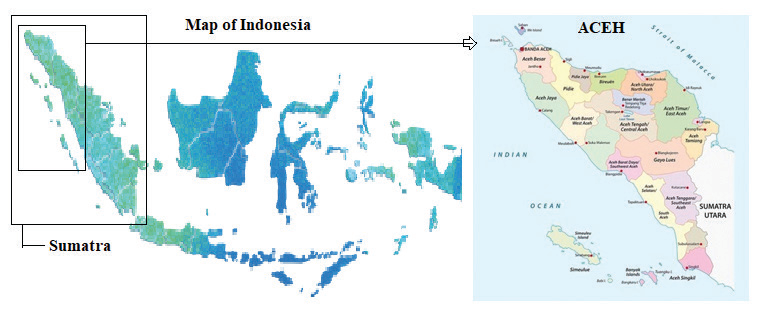
Table 2.
The questions of the questionnaire and its validity and reliability.
Table 3.
Mitigation aspects of efforts to improve the spatial quality of pond land in watersheds.
Table 4 reports the research stakeholders’ response to improving the quality of pond land spatial in the watershed in Aceh. The research stakeholders in Aceh have responded proactively to enhancing the quality of pond land spatial planning within the watershed. Recognizing the pivotal importance of sustainable management of pond land for both environmental conservation and socio-economic development, stakeholders have emphasized a multifaceted approach. Local communities, being the primary beneficiaries and users of these resources, underscored the significance of preserving water quality, maintaining ecosystem balance, and minimizing the risks of natural disasters. On the other hand, governmental agencies and policymakers in Aceh are keen on establishing clear guidelines and regulations bolstered by accurate mapping and zoning to ensure the longevity and productivity of the shrimp pond industry. Collaboration with environmental experts and NGOs has also been sought to integrate best practices and innovative solutions. These unified efforts among stakeholders indicate a shared vision for a balanced approach that intertwines economic viability with environmental stewardship in the spatial planning of pond lands in Aceh’s watershed.
Research Finding
The study on Aceh’s watershed management highlights the importance of mapping and zoning for pond land improvement, linking it to disaster resilience and environmental sustainability. It emphasizes that well-managed pond lands can reduce disaster impacts and promote ecosystem health through effective water management and sustainable farming practices. The research advocates for a comprehensive management approach that combines spatial quality enhancement with disaster preparedness and sustainability, aiming to balance human and environmental needs while boosting the resilience and well-being of Aceh’s watershed communities.
Mapping and Zoning
Most stakeholders, including pond farmers and local authorities, recognize the importance of mapping and zoning pond lands in watersheds. They understand that a balance between pond cultivation and preserving the natural functions of the watershed is critical to long-term sustainability. Some veteran farmers have witnessed changes in river flows and surrounding land conditions due to uncontrolled pond land expansion. They share experiences about how certain areas that were once fertile now experience saltwater intrusion or more frequent flooding. While there is awareness of the importance of watershed conservation, some younger farmers feel pressured to maximize production to meet economic demands. It creates a dilemma between environmental sustainability and financial needs.
Table 4.
Response of Research Stakeholders to Improving the Quality of Pond Land Spatial in the Watershed in Aceh.
Most respondents agree that certain areas should be fully protected from pond activities. However, there’s disagreement about these protected zones’ boundaries and extent. Many respondents expressed the need for more advanced mapping technologies, such as GIS, to assist in the zoning process. This technology is expected to provide a clearer and more objective view of land conditions. Most respondents believe collaboration among pond farmers, the government, and research institutions is the key to successful mapping and zoning. There is an urgent need for education and training related to sustainable pond management. From the results of this qualitative research, it’s clear that mapping and zoning pond lands in watersheds involve technical, social, economic, and cultural aspects. A holistic approach combining local knowledge with modern science and technology can help balance productivity and sustainability.
Water Management
Most respondents stated that a stable water supply is a primary factor in the success of pond cultivation. However, some are unaware of pond activities’ impact on natural river flows. Farmers face difficulties securing an adequate water supply in several research areas (Banda Aceh, Pidie, Pidie Jaya, and Bireuen), especially during the dry season. This often pushes them to extract excessive amounts of water from rivers, which can disrupt the ecosystem balance. Many pond lands still use traditional irrigation systems, which are less efficient in terms of water usage. Some innovative farmers have begun adopting drip and pipe irrigation technologies to improve efficiency.
Several pond locations near rivers have outlets that directly flow into the river, causing contamination and changes to river flows, potentially disrupting fish habitats and other riverine life. While many farmers acknowledge the importance of maintaining water quality and availability, there is still a knowledge gap regarding sustainable water management practices. Some farmers expressed that they need more support from the government and relevant organizations to enhance their irrigation systems and receive training on sustainable water management. From the results of this qualitative research, it can be concluded that although there’s awareness about the significance of proper water management in pond lands, further efforts are needed to educate the community and implement more sustainable practices. Collaborative solutions involving farmers, the government, and relevant organizations would effectively address these challenges.
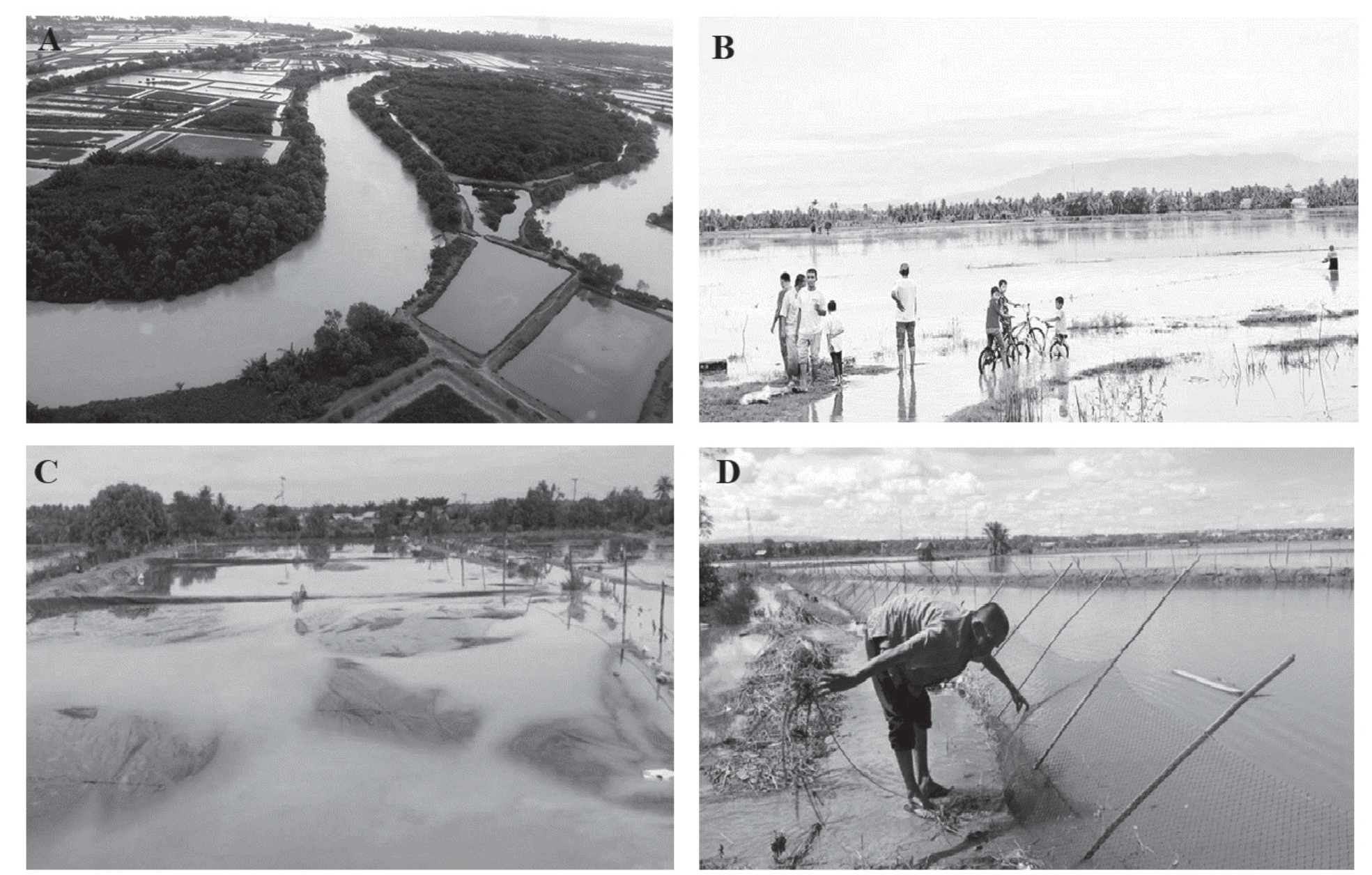
Fig. 2 reports that the recent floods that hit Aceh have significantly impacted the environment and livelihoods of local communities. One of the most significant impacts is damage to rivers. Intense and rapid flood flows result in river bank erosion and sedimentation, which change the shape and flow of rivers, thereby affecting aquatic ecosystems and the resources that depend on them. Apart from that, pond farmers also experience very detrimental impacts. Many ponds were submerged and polluted by flood waters, causing mass deaths of shrimp and fish being farmed. This results in direct economic losses for farmers due to crop failure and affects their future livelihoods. In the long term, the effects of this flood could affect local food security and the economy of the people of Aceh.
Sustainable Aquaculture Practices
Most aquaculturists are increasingly aware of the negative impacts of conventional farming practices on the environment. However, some are still not fully versed in the environmentally-friendly techniques available. Many have begun to adopt eco-friendly strategies, such as polyculture (cultivating multiple species in one pond) and using natural feeds. They report improved yields at lower operating costs. Those who’ve adopted sustainable techniques have noticed improved water quality in their ponds. This enhances the health of the cultured shrimp or fish and reduces the risk of disease. Some respondents noted that the areas around their ponds became friendlier habitats for wild fish by implementing environmentally friendly aquaculture methods. This creates a synergy between cultivation activities and environmental conservation. Despite the benefits, some farmers reported obstacles to adopting these techniques, such as a lack of resources, knowledge, and support from the government or related organizations.
Fig. 2.
Damage to rivers and ponds in Aceh as a result of flooding. a) Condition of waterways and ponds seen from above during floods in North Aceh, b) Impact of floods, causing damage to ponds and rivers, c) Additional damage due to floods in Aceh Tamieng, and d) Due to flooding, increased water flow from rivers to ponds causes crop failure in Aceh Tamiang. (Image reproduced in 2023 courtesy of Creative Commons).
Many emphasized the importance of education and training to expand the adoption of eco-friendly techniques. They felt that, with the proper knowledge and skills, more aquaculturists would switch to sustainable practices. This qualitative research indicates a positive trend among farmers towards environmentally-friendly cultivation techniques. However, further education, training, and infrastructure support efforts are necessary to maximize applications and their impact. Eco-friendly aquaculture techniques not only benefit the environment but can also enhance productivity and economic sustainability for farmers.
Erosion Prevention
Most aquaculturists know about erosion issues in the watershed and acknowledge its adverse effects on pond productivity. They observe how erosion alters river flows, causes sedimentation, and diminishes pond water quality. Many have implemented vegetation planting around ponds as a natural defense against erosion. Plants like vetiver grass and certain coastal species are popular choices due to their ability to retain soil and reduce surface runoff. In addition to preventing erosion, this vegetation also offers benefits such as providing shelter for local fauna, improving water quality by absorbing pollutants, and enhancing the aesthetics of the surroundings. Some farmers reported difficulties obtaining the right plant seedlings and lacking knowledge of effective planting techniques. They also mentioned challenges in vegetation maintenance, especially during the rainy season.
Local communities and farmer groups have collaborated on initiatives promoting planting vegetation around ponds. Local governments or NGOs often back these initiatives. Respondents emphasized the importance of ongoing education and training to enhance farmers’ understanding and skills in sustainable pond management and erosion prevention. This qualitative research reveals that, while awareness exists and efforts have been made to prevent erosion in the watershed, there’s room for improvement. Education, training, and support from various stakeholders, including the government and related organizations, can significantly aid the implementation of effective erosion prevention techniques in aquaculture lands.
Waste Management
Most aquaculturists are aware of the negative impacts of pond waste on river water quality and surrounding ecosystems. They acknowledge that poor waste management practices can harm their productivity in the long run. Some have started implementing methods like sedimentation ponds to capture solid waste, using probiotics to decompose organic waste, and pond rotation to ensure environmental recovery opportunities. Farmers practicing good waste management report improved water quality in their ponds. This impacts the growth and health of the cultured shrimp or fish and reduces disease risk. Some innovative farmers have tried techniques like using pond waste as fertilizer for plants around the ponds or as feed for specific fish species, thereby reducing environmental impacts while generating additional resources. Though aware of the importance of waste management, some farmers feel constrained by costs, a lack of suitable equipment, and a lack of knowledge about best practices.
In some cases, farmers collaborate to invest in shared waste management infrastructure. Support from local governments and NGOs often proves crucial for the success of these initiatives. This research highlights the need to enhance farmers’ awareness and implementation of waste management techniques. While some innovations and best practices have been adopted, a more systematic and collaborative approach, underpinned by education, training, and infrastructure, can significantly improve water quality and watershed ecosystems.
Community Capacity and Education
Most respondents recognize the importance of sustainable pond land management, but there’s variation in their in-depth understanding of what it truly means and how to implement it. Most farmers acquire information about pond management from personal experience, neighbors, or local farmer groups. Mass media and formal literature are rarely used as knowledge sources. There’s a strong demand from the farmer community for regular, practical training on sustainable techniques. They prefer hands-on approaches over theoretical sessions. Some educational programs run by local governments or NGOs have received positive feedback, especially those offering field demonstrations and active farmer participation. Beyond the knowledge gap, some farmers express concerns about upfront costs, resource availability, and the uncertainty of outcomes from adopting new techniques.
The farmer community emphasizes the importance of peer-to-peer networks for knowledge and best practice sharing. They also mentioned the potential for collaboration with research institutions or universities. These findings reveal that while essential awareness of the importance of sustainable pond management exists, there’s a significant need for more structured and continuous education and training. Efforts that combine theory and practice, backed by technical support and resources, can significantly impact farmers’ adoption of sustainable practices in the watershed.
Collaboration with Stakeholders
Most respondents feel that local governments play a crucial role in regulation, providing technical support, and offering incentives to farmers implementing sustainable practices. Farmers are strongly interested in accessing the latest innovations and technology through collaborations with research institutions. They hope such institutions can assist in understanding the latest techniques and how to apply them in the field. The local community, especially farmer groups, is viewed as a primary stakeholder in sustainable pond management initiatives. They share knowledge, adopt innovations, and support regulation implementation. Some respondents cited challenges in coordination among various parties, including communication difficulties, lack of resources, and differing priorities among stakeholders. There are instances where collaboration between local governments, research institutions, and the community has resulted in successful pond management initiatives. These often involve participatory approaches where all parties have opportunities to contribute and share responsibilities. These findings conclude that multi-stakeholder collaboration is vital for promoting effective and sustainable pond land management in the watershed. While challenges need addressing, the potential benefits of strong cooperation between local governments, research institutions, and the local community emerge as keys to success in managing watershed aquaculture resources.
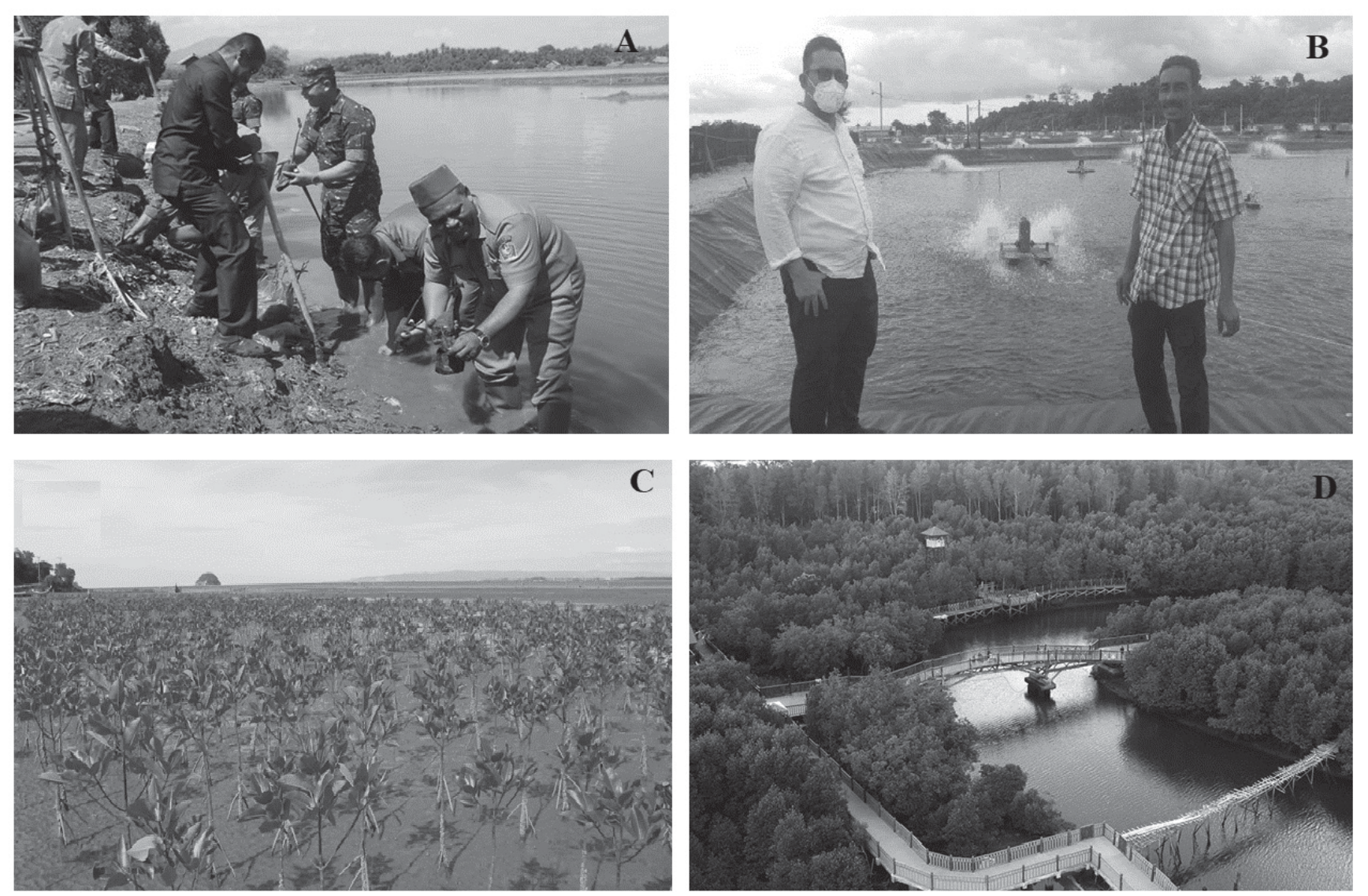
Fig. 3 reports measures to conserve rivers and fish ponds in Aceh as strategic steps to strengthen the economic sector and reduce the risk of flood disasters. By keeping river conditions natural and sedimentation-free, water flow can run smoothly, reducing the potential for detrimental flooding. Apart from that, by planting vegetation along river banks, erosion can be minimized and river water quality maintained. Meanwhile, fish pond conservation uses environmentally friendly and sustainable cultivation methods. This increases pond productivity and ensures the sustainability of fishery resources and ecosystem balance. Through this conservation approach, Aceh can potentially increase the income of pond farmers while strengthening the region’s resilience to natural disasters, especially floods.
Discussion
Mapping and zoning in watershed areas, especially in Aceh, are crucial to managing optimal and sustainable land use. With the rapid growth of the aquaculture industry, the need for efficient and environmentally friendly land use becomes increasingly pressing [13]. Mapping provides detailed visual information about land characteristics, including topography, soil quality, water sources, etc. Aceh’s ecological and geographical diversity make mapping a vital tool for better understanding the watershed [14]. This information allows stakeholders to make more accurate decisions about where and how to develop aquaculture lands.
Based on mapping data, zoning allows dividing watershed areas into zones based on their ecological functions and importance. For instance, areas vulnerable to erosion can be labeled protected zones, while areas with good soil quality and water access can be designated for aquaculture. This helps prevent land-use conflicts and ensures resource sustainability. While mapping and zoning offer numerous benefits, there are challenges to address. Modifying spatial planning based on zoning might face resistance from communities or stakeholders who feel they lose access to or rights to the land [15].
Fig. 3.
Conservation of rivers and fish ponds. a). Pidie district government’s commitment to conserving pond land, b). Pond land owners who carry out intensive fish farming practices in Aceh Jaya c). planting mangroves in river watersheds in Aceh Besar, and d) conservation of river areas and mangrove forests to support pond economic activities. (Photo reproduced in 2023 courtesy of Creative Commons).
Moreover, ensuring data accuracy and integrating it with local knowledge is challenging. Mapping and zoning should be combined with other management approaches, such as community education, training, and empowerment. The benefits of mapping and zoning can be maximized holistically [16]. With the advancement of technology and increased community awareness about sustainable watershed management, mapping and zoning are hoped to become the norm in managing aquaculture land in Aceh.
Water management in the watershed, especially in Aceh, plays a crucial role in determining the sustainability and efficiency of aquaculture lands. The Aceh River basin, a lifeline for many communities, now faces challenges in ensuring sustainable water availability and quality for aquaculture activities [17]. Proper spatial planning for aquaculture heavily relies on consistent and unpolluted water availability. Efficient irrigation systems are the backbone of successful aquaculture, ensuring adequate water supply while minimizing disruption to natural river flows. This prevents water quality decline, which can harm river ecosystems and fish habitats [18].
Increasing rainfall intensity in some seasons and proper water management also help prevent floods that could damage aquaculture infrastructure. Therefore, collaboration between local governments, aquaculture stakeholders, and communities is essential in designing and implementing sustainable water management strategies [19]. These strategies should consider factors like rainfall patterns, aquaculture water needs, and the watershed ecosystem’s needs. With an integrated and sustainable approach, Aceh has the potential to lead in innovative and sustainable water management practices, supporting the growth of the aquaculture sector while maintaining the ecological balance of the watershed [20].
In the context of Aceh, sustainable farming practices are not only an ecological necessity but also an economic one. Aquaculture is integral to the local economy in an area rich in natural resources like the Aceh watershed. However, the primary challenge is managing the aquaculture sector’s growth without sacrificing the watershed’s ecological integrity and water quality [21]. Sustainable farming practices offer a solution, emphasizing resource efficiency, waste reduction, and harmony with surrounding ecosystems [22]. For instance, adopting polyculture aquaculture systems, where various fish and shrimp species are cultivated together, can enhance productivity while reducing disease and pollution risks [23].
Implementing proper aeration techniques, using organic feed, and rotating aquaculture land to prevent waste accumulation are all part of sustainable farming strategies [24]. The successful implementation of these practices requires education, training, and increased awareness among farmers. With support from local governments, research institutions, and local communities, Aceh has the opportunity to pioneer sustainable aquaculture, ensuring environmental and community well-being in the future [25].
Soil erosion is a significant threat to the sustainability of aquaculture lands, especially in areas with topography and soil characteristics like the Aceh watershed. Erosion can lead to excessive sedimentation in aquaculture areas, degrade water quality, disrupt aquatic habitats, and eventually reduce aquaculture productivity [26]. Thus, erosion prevention is essential for enhancing aquaculture spatial planning quality in the watershed. Practical approaches to this issue involve proper infrastructure design and restoration of natural vegetation [27]. Planting vegetation around aquaculture areas, such as vetiver or bamboo, can help hold the soil and reduce surface runoff that might bring sediment into the aquaculture areas. Creating terraces or retaining structures around aquaculture can minimize direct rainwater entry into the ponds, reducing erosion potential [27]. By integrating these techniques into aquaculture design and management, Aceh can mitigate erosion impacts on aquaculture productivity while maintaining the ecological balance of the watershed [17]. Collaboration between farmers, governments, and local communities in applying and monitoring these practices will ensure the sustainability and resilience of the aquaculture sector amid erosion challenges in the watershed.
Waste from aquaculture activities can be a significant pollution source for the watershed if not appropriately managed. Controlling aquaculture waste is a priority in Aceh, where the watershed is vital to community life and ecosystem continuity [20]. If left to flow freely into rivers, aquaculture waste, including feed residues, animal feces, and chemicals, can lead to eutrophication, degrade water quality, and threaten aquatic life [28]. Therefore, waste control strategies must be applied in aquaculture management. One approach is implementing sustainable aquaculture [29].
The research on enhancing pond land quality in Aceh’s watersheds underscores the essential link between disaster readiness and sustainable ecological management. It highlights the importance of detailed mapping for pond cultivation, effective water management to protect river flows, and sustainable farming to safeguard water quality and fish habitats. Solutions include combating soil erosion with vegetation, managing pond waste to prevent pollution, increasing community awareness, encouraging collaborative efforts among stakeholders, and integrating disaster preparedness with environmental care. The study calls for a comprehensive approach to ensure the watershed’s long-term sustainability and resilience, promoting a balanced advancement for Aceh’s communities.
Conclusions
This qualitative research on improving pond land spatial quality in Aceh’s watersheds highlights critical strategies for disaster mitigation and sustainability. It emphasizes the need for detailed mapping and zoning to identify suitable areas for pond cultivation while protecting certain zones for ecosystem balance. The study stresses effective water management to ensure pond activities do not disrupt natural river flows and advocates for sustainable pond farming practices to prevent water quality degradation and protect fish habitats. It also underscores the importance of erosion control and waste management to prevent river pollution. Furthermore, the research calls for increased community awareness and stakeholder collaboration to adopt best practices in pond land management. The study suggests that a comprehensive and collaborative approach can enhance Aceh’s watershed spatial quality, ensuring ecological and economic sustainability while preparing for potential disasters.

