

Introduction
With the acceleration of urbanization, the number of urban green spaces has gradually decreased. However, as an indispensable part of urban development, urban green spaces serve multiple functions, such as improving the ecological environment and improving the quality of life of residents [1]. Therefore, it has become an urgent task to promote the scientific planning and green development of urban green spaces. Especially in the process of regional planning, how to reasonably lay out green spaces and achieve a balance between ecological, economic, and social benefits is the core challenge of current urban planning. GIS technology, combined with spatial analysis methods, provides strong technical support for green space ecological planning [2]. Through precise geographic information analysis, it can effectively address the problems of a lack of scientific validity, low efficiency, and difficulty in ensuring data accuracy in traditional green space planning, thereby promoting the sustainable development of the regional ecological environment.
Using GIS technology to conduct green planning for scenic area ecology can facilitate the region’s green development, promote the sustainable development of the ecological environment, and encourage the rational use of land. In addition, planning urban green space can promote economic and social development, as well as enhance people’s living standards. It can deeply explore the pattern of green landscape and the regularity of its changes, explore land use methods that are beneficial to ecology and the environment, and is of great significance for the sustainable development of cities and towns. The research on the green development pattern planning of landscape ecology in this paper can provide reference for the pattern planning of cities and towns, and provide scientific and reasonable technology for the utilization of urban land.
In order to promote the green development of regional planning, many scholars have studied the green development pattern planning of landscape ecology. Among them, Liu Y. chose Qianxi County, a mountainous city, as the research object and used the GIS spatial analysis method to conduct an ecological sensitivity analysis. At the same time, the AHP is used to establish the landscape resource evaluation system of Qianxi County, which is conducive to the integration of urban land and water [3]. Kovács’ research focuses on the level of landscape function of the study area and the goals of the rural development strategy, proposing a holistic spatial approach that develops the area as a whole [4]. Based on the current map data of parks and green spaces in the main urban area of Nanchang, Xu established a spatial database of parks and green spaces by using GIS technology, and used the landscape pattern analysis software FRAGSTATS to calculate the corresponding landscape index [5]. Shifaw E. proposed that land cover change and its drivers are important inputs for tracking and solving environmental problems. A detailed quantitative study of space-time low-cost will be of great significance to the sustainable protection of land resources and the improvement of land use planning policies [6]. Relji D.T. introduced the application of GIS in landscape planning methods and tools from the perspective of the Croatian landscape architecture industry. A particularly marked lack of the use of GIS tools was found among the tools of different sectors at all levels of spatial thinking and decision-making [7]. Retno S. used the life satisfaction approach (LSA) to assess the value of landscape amenities in Jakarta, marking a pioneering effort in the field of environmental science to examine community preferences, and the results highlighted the need for context-specific urban planning strategies [8]. Jantira R. used satellite imagery to study land use and land cover patterns and changes in the Bandon Bay area of Thailand from 1991 to 2021. The results showed that government management and regulation of land use are crucial to reduce the expansion of agricultural areas [9]. The research of these scholars has provided a certain reference for the green planning of landscape ecology.
However, the above research also revealed a series of problems in landscape ecological planning. Currently, the planning of green spaces still lacks scientific validity, and the traditional green space planning method is inefficient, with a lengthy on-site investigation period and limited accuracy. There is a big problem in using the data obtained by this method to calculate the green coverage and green space. Moreover, their research did not account for the mutual constraints and influence between urban green space and urban residents’ production and lifestyle, making it difficult to achieve ideal economic benefits and promote the balanced development of economic, ecological, and social benefits. The application of advanced technical means and scientific planning means is lagging behind, resulting in incomplete factors considered in the green space planning of landscape ecology.
This paper has the following innovations for the green development planning of landscape ecology based on GIS. (1) GIS has powerful spatial analysis functions, and has scientific analysis and planning capabilities for regional planning, allowing regional planners to experience the regional development status after regional planning in the spatial display capabilities of GIS. (2) For the green development pattern planning of landscape ecology, the landscape can be patched, so that the landscape types displayed in the GIS will be more detailed, and the landscape can be better planned. The main contributions of this paper are as follows:
1) Ecological sensitivity analysis based on GIS technology: Using GIS technology combined with spatial analysis methods to analyze regional ecological sensitivity, provide data support for green development model planning, and deeply explore regional ecological environmental differences.
2) AHP to build a landscape resource evaluation system: Using the AHP to build a landscape resource evaluation system, scientifically evaluate the landscape resources in different regions, and help planners formulate more reasonable green space layouts and ecological protection measures.
3) Combination of regional planning and landscape ecological analysis: Through a comparative analysis of indicators such as landscape classification standards, patch area distribution index, PD, and ED in different regions, the differences in regional ecological environments are revealed, providing a basis for scientifically informed and rational regional planning.
Materials and Methods
GIS-Based Regional Planning
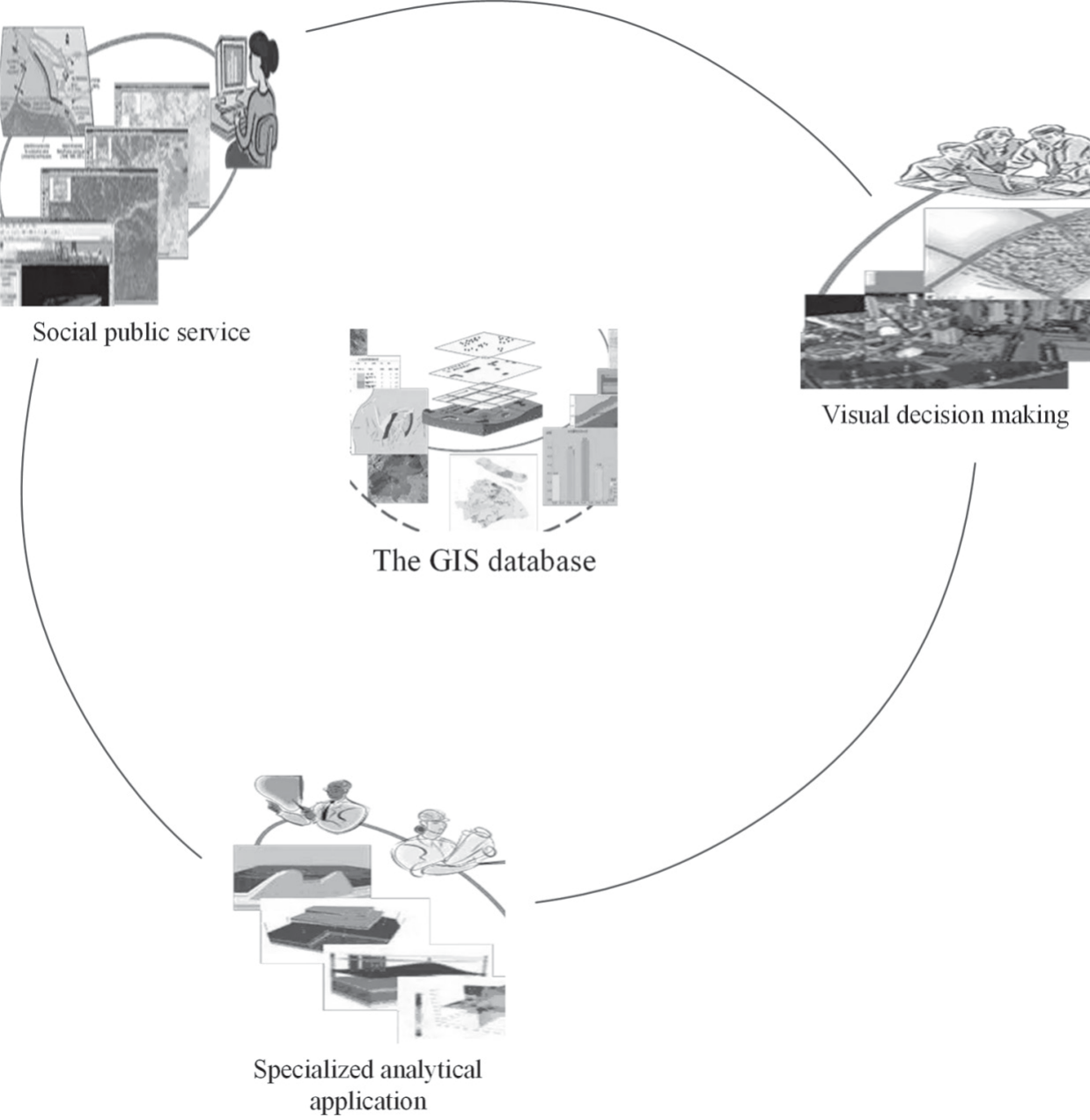
Like communication technology, geographic information technology has become an important part of modern information technology [10]. And because GIS has powerful data processing capabilities and its own unique three-dimensional display capabilities, it has been widely used in all walks of life. Even people’s daily travel requires GIS technology to navigate, which can provide people with very convenient services [11]. The application of GIS is shown in Fig. 1.
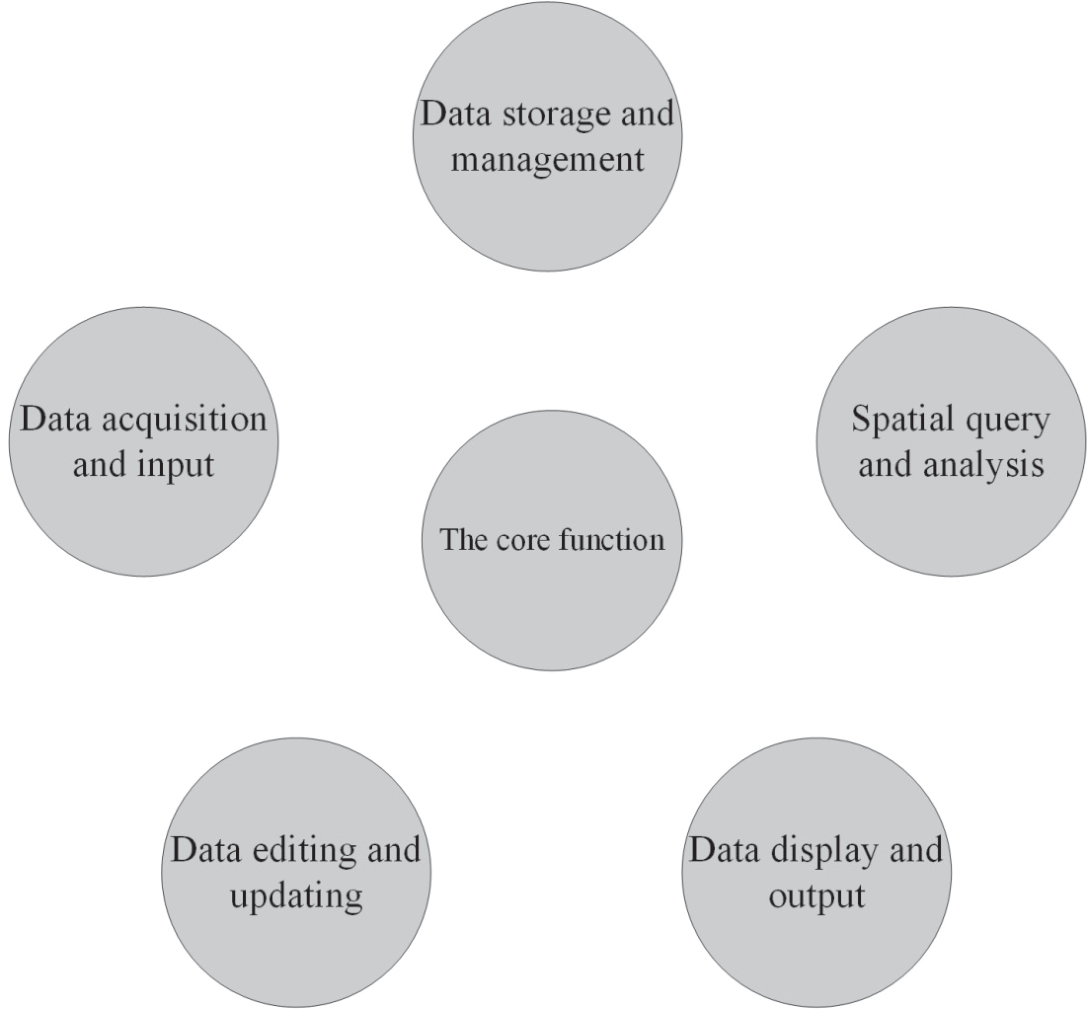
With the support of GIS technology, regional planning can obtain relevant natural, economic, and social factors in the region, classify the data into spatial data and non-spatial data, and generate and output various geographic information. Therefore, it provides new instructions for regional land use, resource management, environmental monitoring, transportation, economic construction, urban planning, and administrative management of various government departments, and serves for engineering design and planning, management decision-making [12]. The core functions of GIS can be roughly divided into five aspects, as shown in Fig. 2.
GIS technology can evaluate the suitability of land use purposes in a region, thereby providing scientific guidance for regional planning. The geographic information system covers a large amount of geographic data. Because most of the functions of GIS are related to data, it provides great convenience for the acquisition of geographic data. And its spatial query function has an analysis function, so the analysis of regional topography is very detailed. In the data display and output, the data can be expressed in the form of reports, maps, tables, etc. In short, the data can be expressed in various forms [13]. Moreover, GIS is a software system based on a spatial data model, so it can show multi-dimensional space. The reason why GIS displays multi-dimensional space is that it includes geometric algebra, which is based on dimensional operations and contains mathematical tools that support multi-dimensional operations. Then define Qk as the space of geometric algebra, in which there are n-dimensional objects, where n≤k, these objects can be called blades. In the geometric space, Blade is usually generated by the outer product. These objects are unrelated vectors, and the vectors in n dimensions can be expressed as:
So, c is called n-blade, scalar can be represented by 0-blade, and 1-blade can be used to represent vector. For the x-dimensional blade u and the y-dimensional blade c, the dimension of the inner product is usually calculated as follows:
If x = y occurs, the dimensions of blade u and blade c are equal, and the result is the same scalar. Since the inner and outer product operations satisfy the distribution rate and associative rate of addition, the inner and outer product operations can be extended to the linear combination of blades, resulting in:
Since the inner product and outer product cannot be reversed, although they can be used for subspace construction, they cannot be directly used for geometric calculations [14]. That is to say, in GIS, inner product and outer product cannot be used for spatial analysis, but can be used to construct space. When inner product and outer product are introduced into geometric product, the geometric product of vectors u and c is defined as:
Therefore, in the geometric algebra space, the space needs geometric elements to express, and in the three-dimensional space where the plane and the straight line intersect, the three-dimensional space is constructed. Suppose the formula of a plane is expressed as:
In the above formula, (a, c, s) are the coordinate points on the plane, and d, b, and g are constants. The formula expression for a straight line is:
If people want to form a three-dimensional space, the line and the plane need to intersect, and the focus of the intersection of the line and the plane can be solved by the following formula:
Putting the above formula into the straight line expression, the following can be obtained:
Then, the following can be obtained:
Then, in the conformal geometric algebra, the general formula for solving plane and straight line can be obtained by the MEET operator, which can be expressed as:
In the above formula, ∩ is the intersection operator, * is the dual operator. When the plane and the straight line intersect, a three-dimensional space can be formed, and if the plane and the straight line do not intersect, a three-dimensional space cannot be formed [15]. Therefore, the display of space in GIS requires the intersection of straight lines and planes, as well as the intersection of planes, so that GIS can perform spatial analysis. In terms of regional planning, it is necessary to analyze the region from a spatial perspective and then develop the best plan for the topography within the region. In order to ensure the rationality of regional planning and the balanced development of ecological benefits, social benefits, and economic benefits in the region.
Green Development Pattern of Landscape Ecology
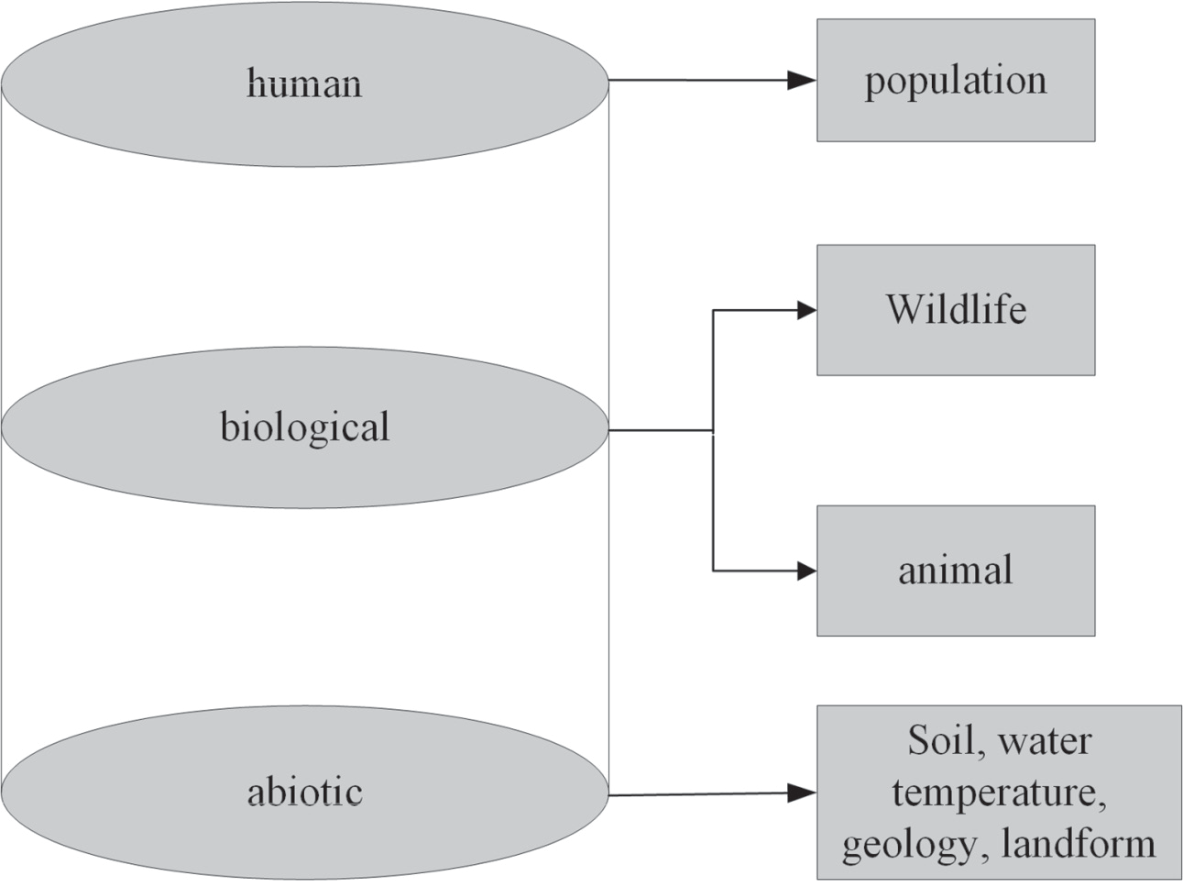
Landscape ecology is an ecological planning approach with green development as a key element. The main purpose of landscape ecological planning is to improve sustainable development, which is usually expressed as a plan to protect and rationally use land and natural resources [16]. Towns are among the places most affected by human activities, so planning urban landscape ecology is also a top priority. Because urban green space is the ideal location for people’s leisure and entertainment, and is a key component of regional plans to enhance the quality of life for urban residents, cities need to implement more effective urban planning [17]. The planning and replacement of landscape ecology can be planned according to the theory of the “thousand-layer cake” model. The “thousand-layer cake” is shown in Fig. 3.
The theory of the “Lasagna” model makes the landscape ecological planning more scientific to a certain extent in architecture, especially in urban landscape planning. Because the land area of towns is limited, but the functions they carry are huge, to a certain extent, according to the “thousand-layer cake” model theory, the functions of towns can be maximized, and the most scientifically valid planning can be made. It allows towns to develop healthily and sustainably. Landscape pattern is needed in the planning of landscape ecology, because landscape ecology is an area for workers to watch and play, so it needs to have a landscape pattern [18]. The landscape pattern has a significant impact on system stability and biodiversity, and scientific and rational planning can promote the green development of the region and maintain biodiversity.
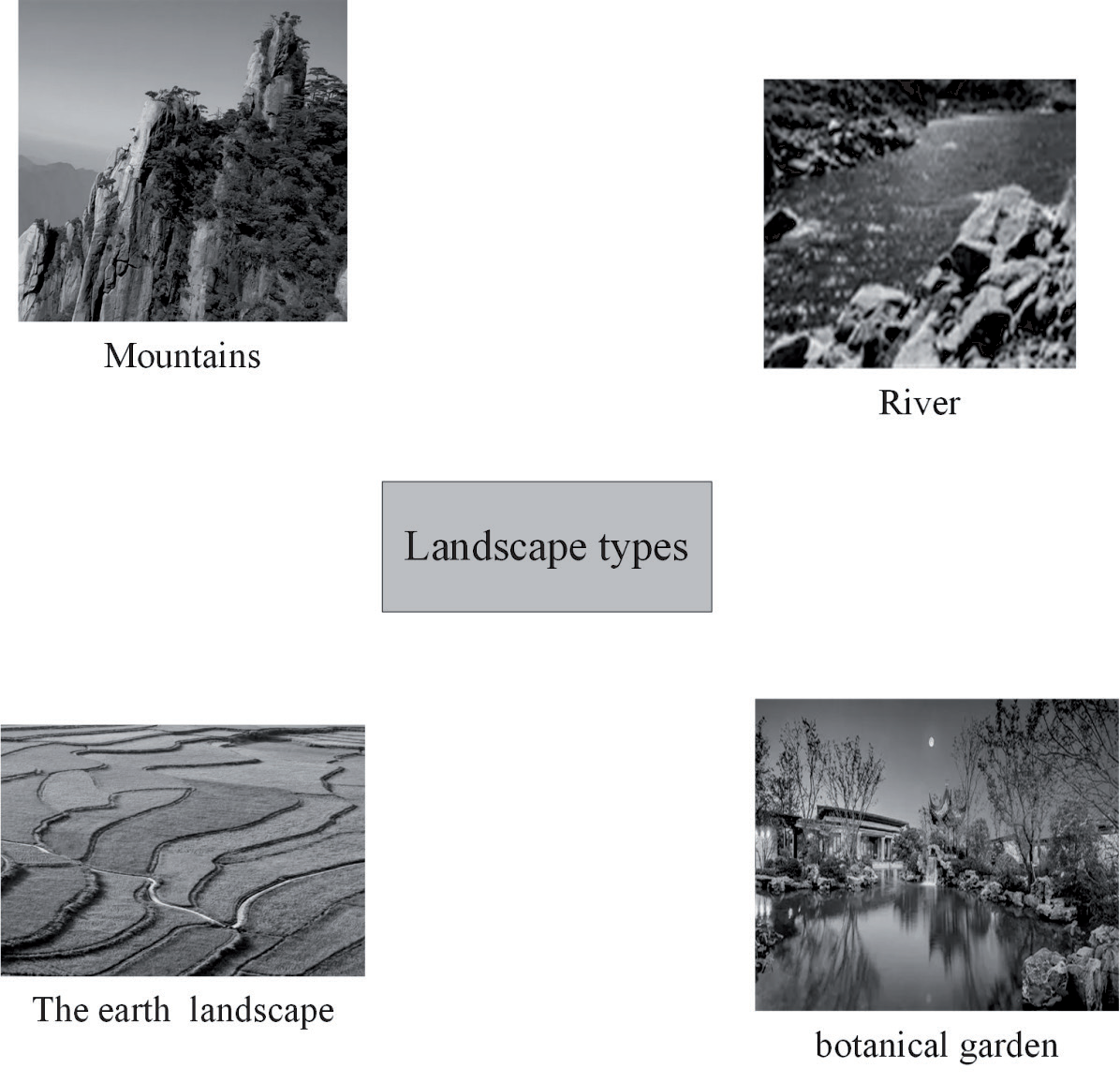
The green development pattern of landscape ecology is inseparable from the rational planning of the region. In a town, in the construction of landscape planning, the intervention of tourists, the construction of garden plants, and the planning of corridors will have a huge impact on the creation of the ecological environment [19]. Ecological planning is a design form that is in harmony with the ecosystem and causes less damage to the ecological environment. Therefore, ecological planning is the coordination between man and nature, and the continuity of time and space processes. Therefore, the planning of the landscape needs to be scientific, and it needs to be planned according to the actual situation inside the area. The landscape type is shown in Fig. 4.
Therefore, in the planning of landscape ecology, it is necessary to understand the terrain in the region and find a landscape suitable for the terrain to build, in order to achieve green development. In addition, the planning of landscape ecology needs to have a green development pattern, that is, it is necessary to conduct regional landscape pattern analysis. For landscape pattern elements, which include various types and spatial layout and configuration methods, the pattern can be changed according to the actual situation within the region [20]. The pattern determines the function of the area to a certain extent, and the pattern includes the security pattern of the landscape. There are tourists involved in the landscape area, so it is necessary to ensure their safety inside the area. In addition, it is the green development pattern within the landscape. The landscape ecology within the region needs to achieve the unification of economic, social, and ecological benefits, so there are various factors to be considered in the planning. For the analysis within the region, a multi-dimensional analysis is required. The planning of traditional landscape ecology is generally based on field investigations and manual measurements, but traditional landscape ecological planning lacks scientific rigor. Therefore, more advanced technology is needed in the planning of landscape ecological green development patterns to help the formation of landscape ecological green development planning patterns within the region [21].
GIS-Based Landscape Ecological Regional Planning
The landscape ecology in the region has economic, ecological, and social functions. The research on the number of landscape ecological patterns within the region is mainly based on the landscape pattern index and spatial statistical methods for planning. Therefore, it is necessary to use geographic information system for spatial analysis and patch analysis. The proportion of the patch in the landscape ecological area within the area is one of the ways to help determine the landscape base and dominant landscape elements within the area. It is also an important factor in determining ecosystem indicators such as biodiversity, dominant species, and quantity in the landscape [22]. The formula for calculating the patch density in the region is as follows:
In the above formula, W is the patch density, U is the total area inside the region, and D is the number of patches per square kilometer. The greater the density of plaques, the greater the spatial heterogeneity between the regions. The greater the spatial heterogeneity, the greater the landscape type within the area, and to a certain extent, it is of great help to the planning of landscape ecology. In GIS, the patches presented by each type of landscape are different. pn is used to represent the probability of patch type n appearing in the regional landscape, i is the total number of patch types appearing in the regional landscape ecology, and the formula for obtaining the Shannon diversity index Q in the region is:
The larger the Shannon diversity index, the more patch types or the balanced distribution of various types of patches in the landscape. In addition, the proportion of the landscape occupied by type N can be obtained by the ratio of its area to U. This richness is usually solved by the Shannon uniformity index E, and its formula is:
Among them, n represents the number of landscape types. If E = 0, it means that the landscape consists of only one patch, and there is no diversity, while E = 1 means that various patches are evenly distributed and the landscape types are diverse. If people want to determine the dominant type of the landscape, they need to determine it by the maximum patch index H, assuming the patch is:
Then the formula for finding H is:
Therefore, compared with other mapping systems, GIS’s powerful spatial analysis capability is its unique function. The geospatial system has a powerful database, which uses spatial visualization to perform data analysis and information processing on processing objects. As long as it has a relationship with space, GIS can manage and analyze it. It plays an important auxiliary function in decision-making, and the powerful GIS based on its function has participated in auxiliary analysis in all walks of life [23]. The spatial analysis of GIS is shown in Fig. 5.
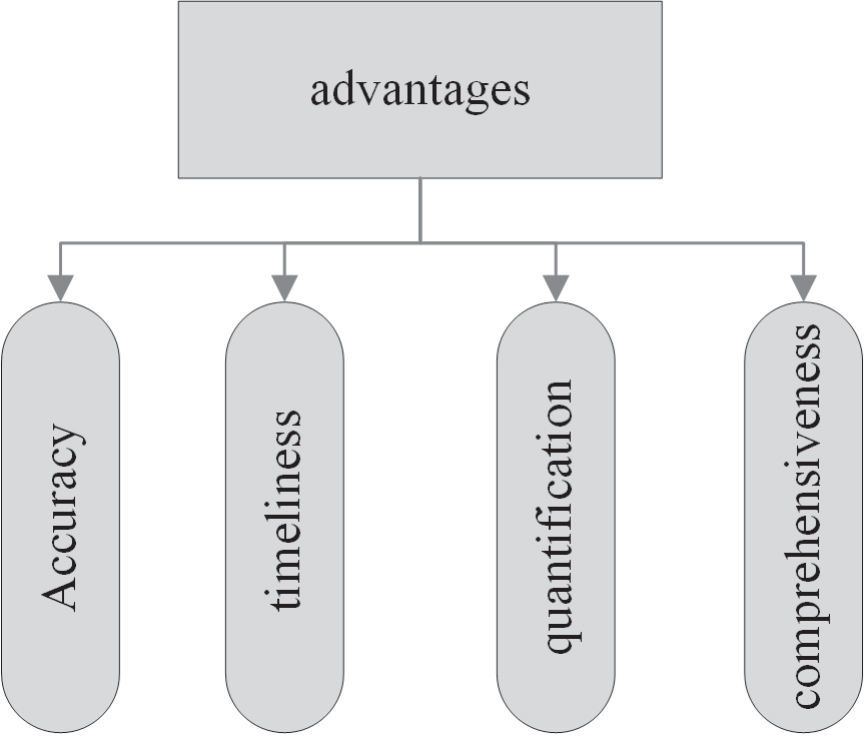
GIS can analyze the region in detail; therefore, it is most reasonable to use GIS in landscape ecological green development pattern planning under regional planning. GIS technology has a powerful storage function; it can combine and store scattered image data and data together, and it can be used effectively for a long time. At the same time, it can also integrate various maps and related information perfectly. On the other hand, GIS technology can also provide a technical framework for spatial landscape pattern analysis and spatial model research, which simplifies the application of mathematical methods. The advantages of GIS in landscape ecological planning are shown in Fig. 6.
Therefore, GIS in the green development planning of regional landscape ecology can make the planning area function and environmental protection more perfect, provide a better foundation for green sustainable development, and achieve the balance of social, economic, and ecological benefits in modern regional planning.
The research method of this paper mainly adopts GIS technology combined with spatial analysis methods. By establishing a spatial database and using the landscape pattern analysis software FRAGSTATS to calculate the landscape index, the ecological sensitivity of the region is analyzed. At the same time, the analytic hierarchy process is used to construct a landscape resource evaluation system. By comparing the landscape ecology indicators such as the patch area statistical distribution index, the total area index of patch types, the PD, and the ED in different regions, the differences in regional ecological environment are deeply analyzed, thus providing data support for the scientific urban green space ecological planning.
Results and Discussion
Impact of GIS on Regional Ecology
The experimental objects of this experiment are areas A and B, and in the previous data, it can be found that the ecological environment of area A is better than that of the area B. Use the GIS system to analyze the landscape ecology of the two areas, and then make a reasonable plan for the area based on the analyzed data. Then the land patch types generated by GIS can guide the land use types of the two regions. Table 1 shows the landscape classification standard of land use in area A, and Table 2 shows the landscape classification standard of land use in area B.
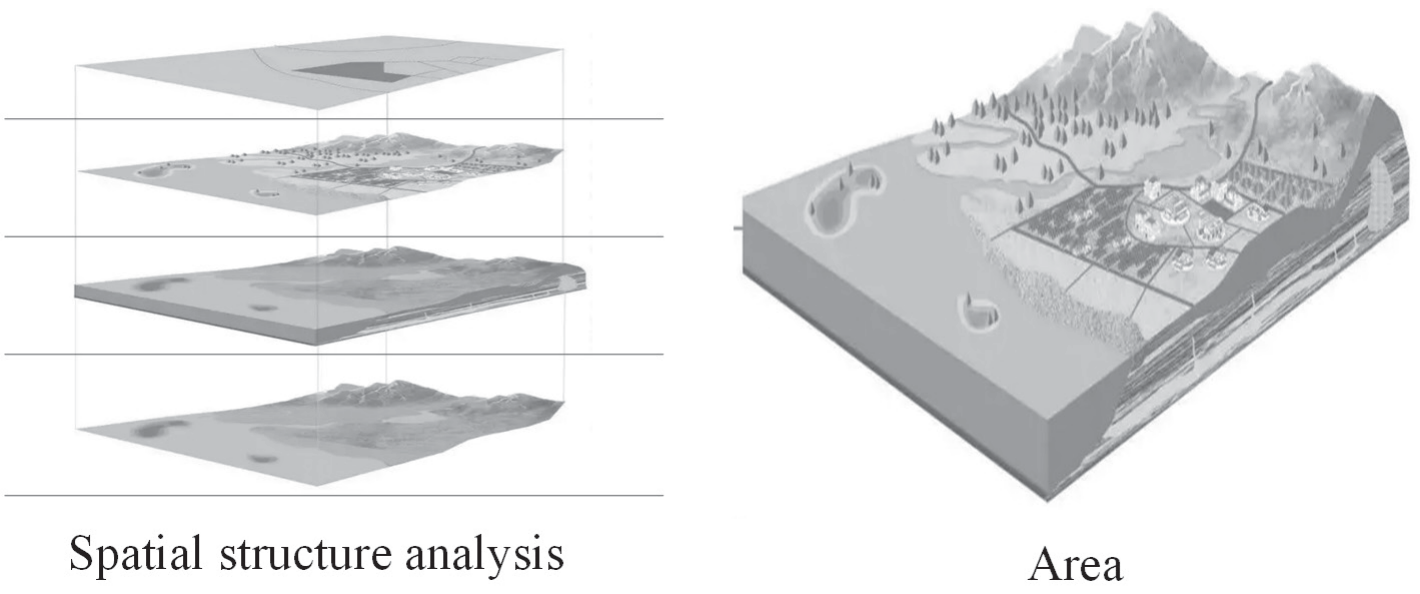
Table 1.
Landscape classification criteria for land use in Region A.
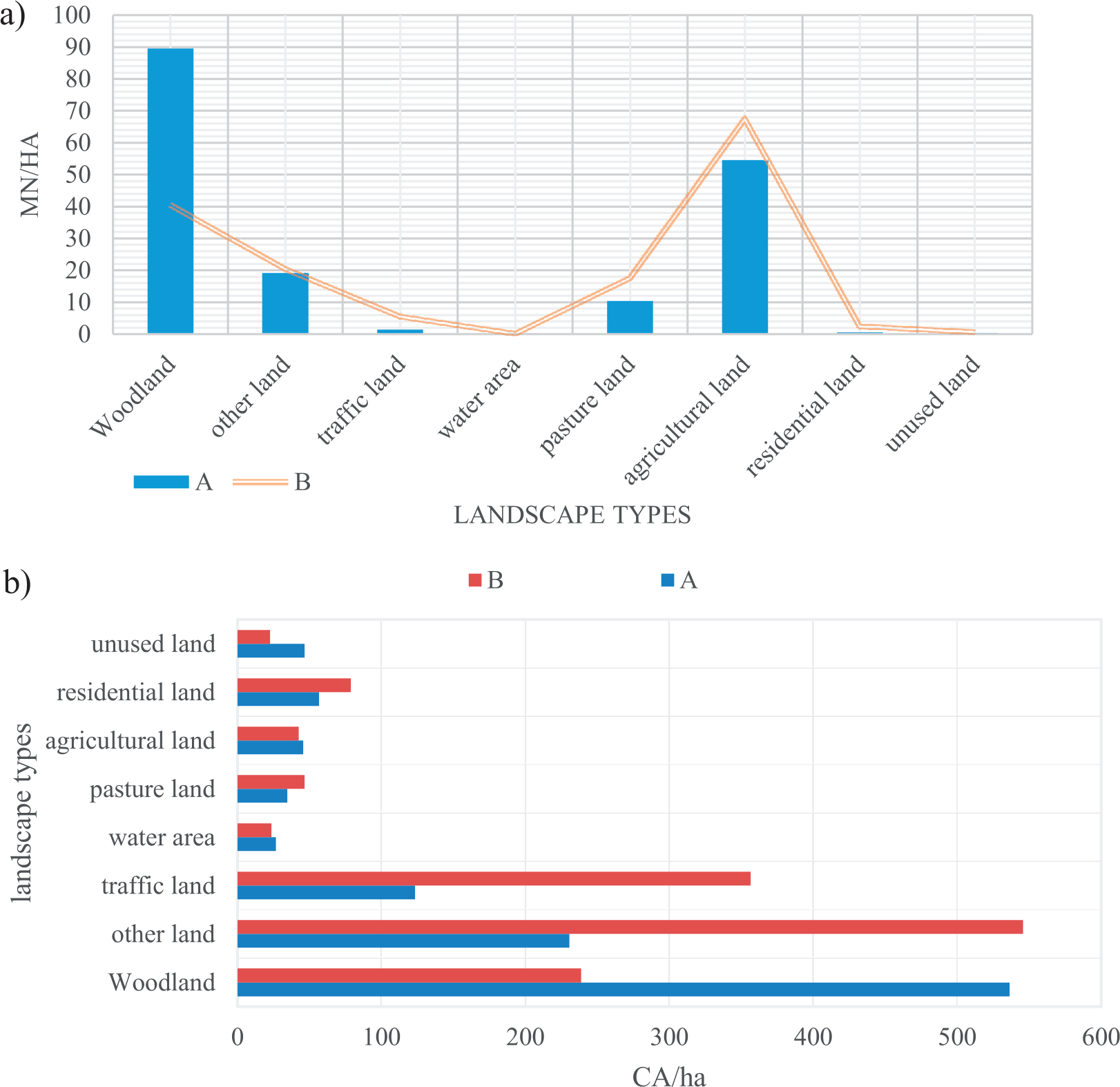
The landscape types of areas A and B are summarized through GIS, and then the GIS needs to analyze the statistical distribution index (MN) of the landscape patch area and the total area index (CA) of the patch type in areas A and B, as shown in Fig. 7.
Table 2.
Landscape classification criteria for land use in Region B.
From Fig. 7a), from the statistical distribution index of the area of forest land, the index of area A is 89.4992, while the index of area B is 40.56. The forest area of area A is obviously higher than that of area B. From the index of residence, the index of residential land in area A is 0.567, while the index in area B is 2.45. The residential land in area B is significantly higher than that in area A, indicating that area B is greatly affected by human activities. From Fig. 7b), it can be seen that the total area index of patch types in area A is significantly lower than that of forest land in area B, while the index of traffic land in area B is significantly higher than that in area A. In addition, this experiment also counted the patch density (PD) and edge index (ED) of the two regions A and B, as shown in Fig. 8.
Fig. 7.
Comparison of landscape data for areas A and B. a) Comparison of the statistical distribution index of patch area in regions A and B. b) Comparison of the total area index of plaque types in regions A and B.
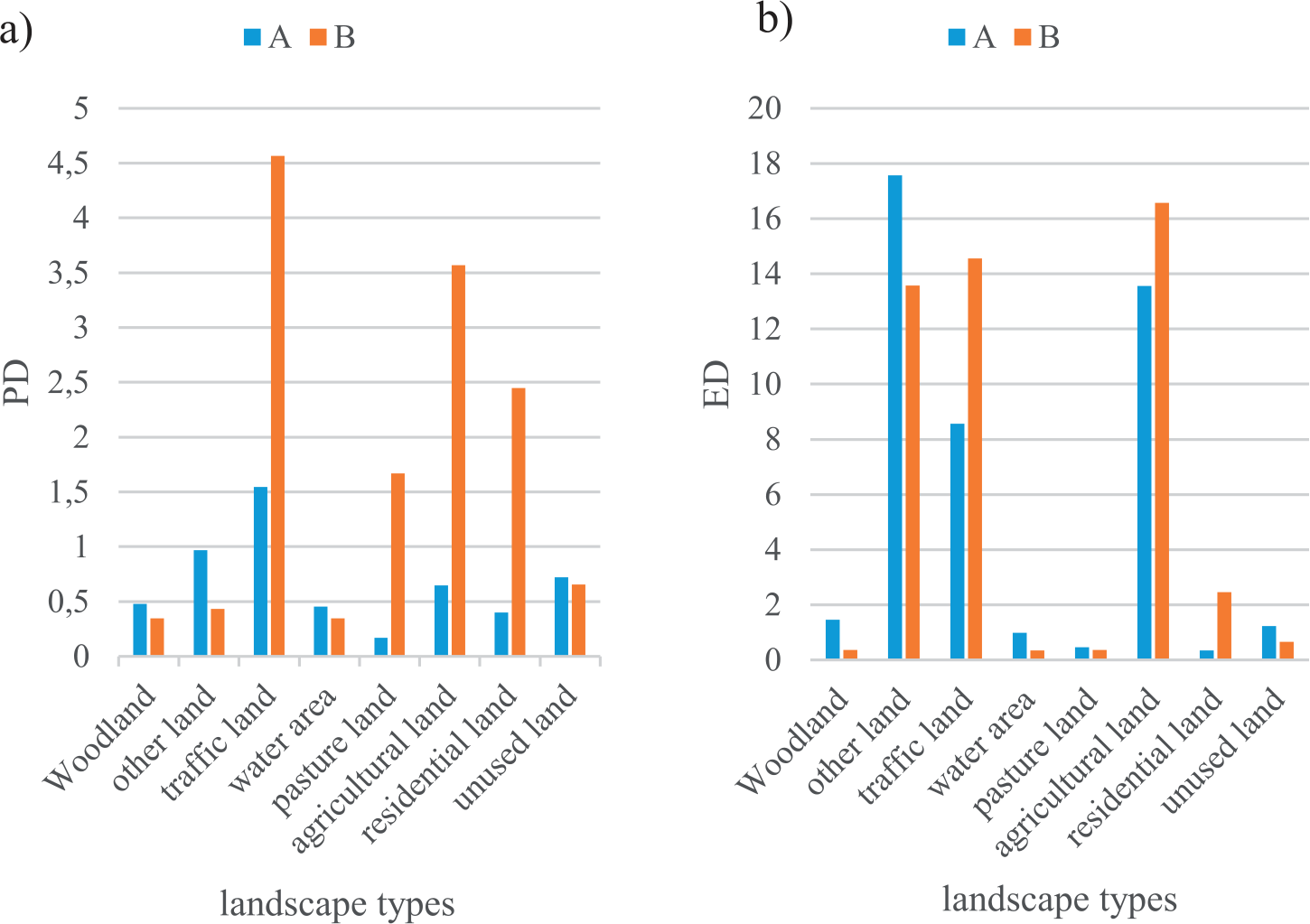
From Fig. 8a), the forest patch density in area A is 0.4804, and the forest patch density in area B is 0.3456. The forest patch density in area A is obviously higher than that in area B. In terms of the patch density of residence, the patch density in area A was 0.4004, and the patch density in area B was 2.45. From Fig. 8b), the woodland edge index of area A is 1.4543, while the woodland edge index of area B is 0.354. In terms of the unused land edge index, it is 1,2345 in area A and 0.6575 in area B. Therefore, from a comprehensive point of view, the ecological environment of the A area is better than that of the B area. GIS provides a detailed analysis of the ecological landscape in the A and B areas.
GIS Landscape Planning
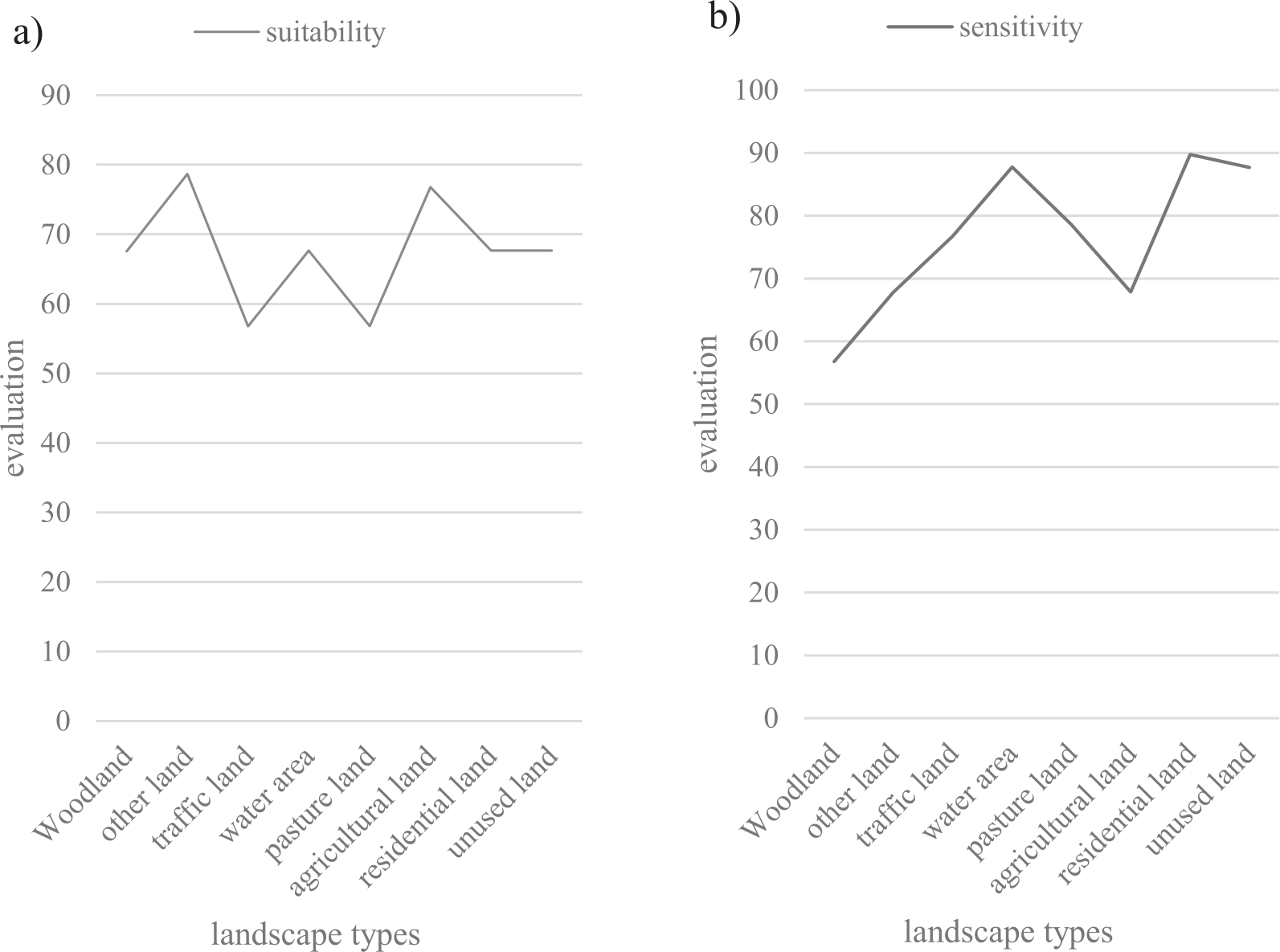
From the above experiments, the ecological environment in area A is obviously better than that in area B. Therefore, in this experiment, various data in the landscape planning of area B were analyzed in detail, and the suitability of various landscape land was measured. In addition, the landscape sensitivity of area B is also analyzed, where sensitivity refers to the visibility of the landscape, and the evaluation of sensitivity and suitability is shown in Fig. 9.
As shown in Fig. 9, it can be seen that the assessment of the suitability of forest land in area B is 67.56%, but the sensitivity assessment is 56.76%. The landscape ecology in area B needs further scientific planning.
Discussion
The present study revealed significant insights into the ecological sensitivity and landscape resource evaluation of the studied region. Through the application of GIS technology and spatial analysis, it was observed that the landscape indices, such as patch area statistics, total patch area, PD, and ED, varied considerably across different areas. Notably, regions with higher ecological sensitivity exhibited greater diversity and complexity in their landscape patterns. The GIS-AHP analysis further underscored the importance of specific landscape features in contributing to overall ecological health and resource value.
Our findings align with previous research that emphasizes the role of landscape structure in influencing ecological processes and functions. However, our study offers a more nuanced understanding by incorporating a comprehensive suite of landscape indices and utilizing a robust GIS-AHP framework for evaluation. Unlike some previous studies that focused solely on single landscape metrics or smaller geographic scales, our analysis covered a broader area and integrated multiple ecological and resource dimensions. This allowed for a more holistic assessment of ecological sensitivity and landscape resource potential.
The implications of our findings are profound for urban green space planning and management. The identification of areas with high ecological sensitivity suggests these regions should be prioritized for conservation efforts to maintain biodiversity and ecosystem services. Furthermore, the landscape resource evaluation highlights specific features that can be leveraged for recreational, educational, and ecological enhancement purposes. The observed variations in landscape indices can be attributed to differences in land use history, climate, and geomorphological factors, underscoring the need for tailored conservation strategies tailored to local contexts.
A key strength of our study lies in its integration of advanced GIS techniques with spatial analysis and the GIS-AHP method, providing a robust platform for ecological sensitivity and resource evaluation. The comprehensive dataset and the use of multiple landscape indices enhance the reliability and validity of our findings. However, limitations exist, including the potential for data inaccuracies due to spatial resolution constraints and the need for further validation through ground-truthing. Additionally, while our study covers a broad geographic area, it may not be fully representative of all ecological and resource conditions within the region due to spatial heterogeneity.
In conclusion, our study contributes to the growing body of knowledge on ecological sensitivity and landscape resource evaluation by providing a detailed, multi-faceted analysis of a diverse region. We recommend that urban planners and conservationists prioritize areas identified as ecologically sensitive for protection and restoration measures. Furthermore, future research should aim to refine landscape indices and incorporate additional ecological and socio-economic data to improve the predictive power of such evaluations. Ground-truthing studies and the development of more localized conservation strategies could also enhance the practical application of our findings. Finally, exploring the potential impacts of climate change on landscape patterns and resources would be a valuable avenue for future research to ensure the long-term sustainability of urban green spaces.
Conclusions
This study presents a comprehensive analysis of ecological sensitivity and landscape resource evaluation in a diverse region using advanced GIS techniques and spatial analysis. Our findings underscore the importance of considering multiple landscape indices and ecological dimensions in assessing ecological health and resource potential. Despite the robustness of our methodology and dataset, several limitations exist, including potential data inaccuracies due to spatial resolution constraints and the need for further validation through ground-truthing studies. Additionally, our study area may not be fully representative of all ecological conditions within the broader region. Future research should aim to refine landscape indices and incorporate additional ecological and socioeconomic data to enhance the predictive power of such assessments. Field research and the development of more localized conservation strategies will be essential to translate our findings into practical conservation and planning measures. Additionally, exploring the potential impacts of climate change on landscape patterns and resources will be an important area of focus to ensure the long-term sustainability of urban green spaces. By addressing these limitations and expanding our understanding, we can continue to advance the field of ecological sensitivity and landscape resource assessment.