

Introduction
Over the past ten years, environmental policy research has grown in importance as a topic of discussion [1-3]. Specialized studies on carbon emissions [4, 5], green behavior [6], green management systems [6-9], and many other topics have emerged from research on environmental policy.
Green leadership is defined by the environmental policies that leaders implement [10-12]. However, leadership is also defined by a leader’s capacity to sway their followers [13]. Thus, pro-environmental policies are not the exclusive definition of green leadership; rather, they also refer to how organizational members behave in support of such policies [14-17]. Motivating members to support pro-environmental policies is a necessary skill for a competent leader [18-20].
In order to create a sustainable environment, the idea of “green leadership” is crucial [13, 21, 22]. The relevance of green leadership is demonstrated by the green policies that are implemented and that members of the organization may embrace. The relationship between leadership and green behavior among employees involves two key components: support for environmental policies and green conduct. This association is explained by [23-26]. Using a number of psychological characteristics as mediators and moderators, Malik et al. [21] explain the association between green employee behavior and leadership [27-30]. Additionally, Kuenzi et al. [31] and Faraz et al. [32] believe that a strong antecedent in shaping employee behavior is leadership.
As a result, it is crucial to investigate green leadership in policymaking for a sustainable future at this time. Journals published in the Scopus database provide information on relevant variables. Data from 63 publications in the Scopus Database that contain the keyword “Green Leadership” form the basis of the analysis. Among the research questions are: To what extent has the trend of scholarly publications on green leadership advanced? Who are the researchers who are writing on the subject for scholarly publications? What are the most recent study subjects or issues pertaining to global Green Leadership issues? Furthermore, green leadership significantly influences the implementation of pro-environmental policies in a country, organization, or business, according to an analysis based on 63 publications on the topic.
Objective
The aim of this research is to evaluate the extent to which the organization’s ecosystem incorporates the concept of environmentally conscious behavior. The trend of how green leadership is connected to and involved in supporting sustainable development is also examined in this study.
Methods
Ethics Statement
As this was a literature-based study, neither consent nor approval from the institutional review board were required.
Study Design
This work employs a systematic literature analysis technique system with a qualitative approach (in this, we explore in depth the existing literature to see the justification and contribution of the research) and a quantitative approach (in this, we consider the trends and scales of literature that are presented in the form of graphs or images in the study). Making use of data sources from literature reviews from diverse scientific publications in the Scopus database acquired on August 15, 2023. The author selected the Scopus database due to its extensive data and high evaluation across several scientific domains. Additionally, it comes with a series of document reviews to improve search accuracy and generate optimal results. In order to provide pertinent comments and findings, the authors employ the VOSviewer analysis tool version 1.6.17 as an appropriate data processing tool (identification and analysis tool) for the Scopus database [33-35]. “Search results analysis” on scopus.com is also used by other analytics programs.
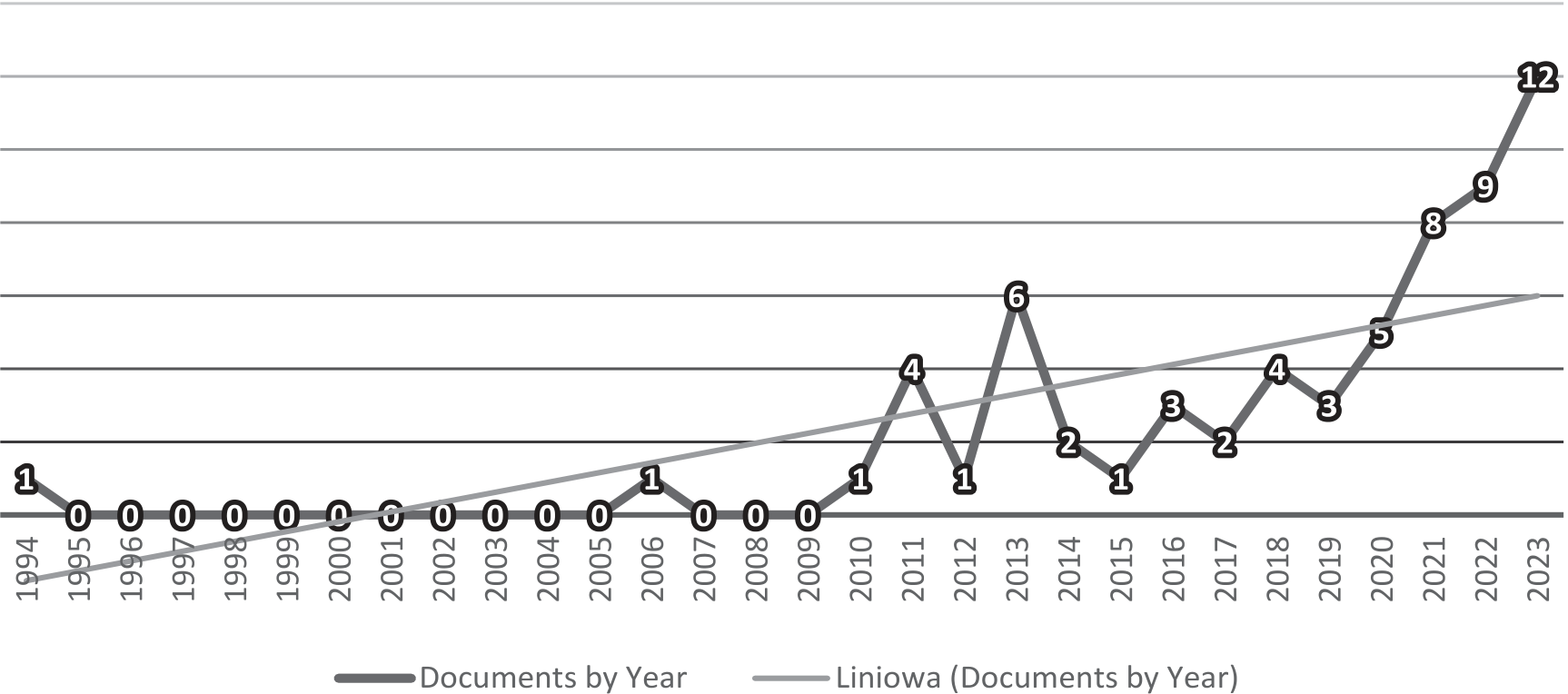
We divided the steps in the research into 3 sections, namely: as in Section 1, we explained the trends and scale of previous research based on developments in publications in the Scopus database. Consisting of publication trends every year from 1994 to 2023, which shows that research related to Green Leadership is experiencing development even though it is quite fluctuating every year. In this section, we also present data related to authors, country affiliation, and research area. In Section 2, we explained the trend of issues and research clusters related to green leadership, which consists of 3 clusters that show the trend of further research focusing on relationships, studies, design methodology approaches, research on the roles of employees, practical implications, and outcomes. In Section 3, we carry out an in-depth exploration of previous research by analyzing research contributions and critical analysis related to research that has been carried out so that it can make it easier for future researchers to fill research gaps that have never been filled before.
Method of Collecting Data
A total of 63 documents were accessed on August 15, 2023, with the keyword “Green Leadership”. In total, 63 papers were retrieved by mapping and analysis based on the research topic’s applicability, which followed the pattern of data search results for academic publications on “Green Leadership” in Scopus. Every piece of information or piece of data that is shown is examined using scopus.com (in the “Analyze search results” feature). In addition, analysis is assisted by the VOSviewer feature version 1.6.17 to visualize [33-35].
At this point, at least two authors independently reviewed each abstract. A consensus was obtained after minor disagreements were explored and settled in meetings. Based on the aforementioned standards, 48 studies were eliminated. Secondly, the paper was reviewed in its entirety in order to evaluate the quality and relevance of the 15 studies. Next, in accordance with the independent dimension quality criteria from [33- 35], 15 studies were evaluated separately for feasibility. The criteria included the following: – Accuracy: the goals of the study are expressed
clearly, and the techniques used to obtain the data
are sufficiently described. Important claims made
in the study are backed up by references. – Consistency: aligning the design of the study with its
goals. Research goals are met, or research questions
are addressed. – Completeness: An adequate explanation of the
research methodology is provided. – Timeliness: This study was published between 1994-
2023. This timeline shows the first publications
related to green leadership (1994) until 15 August
2023. With the category for the latest 7 years as new,
the 7 years after that are categorized as normal, and
the 7 years after that are categorized as old.
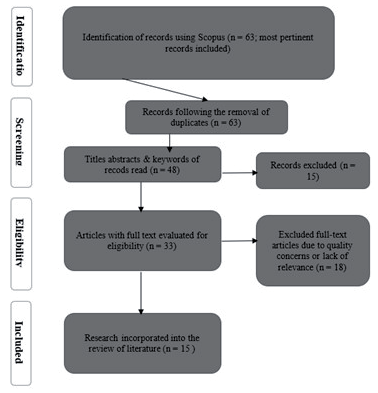
As a result, 15 research papers covering the years 1994–2023 that specifically address issues related to green leadership worldwide were ultimately chosen (see Fig. 1). The small number of papers that remained after our thorough search of pertinent literature, in compliance with our inclusion and exclusion criteria, is a finding. This little figure highlights the dearth of studies on the expanding worldwide subject of “Green Leadership” that are listed in the Scopus database.
Data Analysis
TITLE-ABS-KEY (“green leadership”) keywords from the Scopus Database are used to analyze the study data. Every data search result is saved as an Excel (CSV) file, which is subsequently processed and examined with the help of the VOSviewer software (version 1.6.17). An analysis and viewing tool for eligibility screening identification is called VOSviewer. Records were found by a Scopus search (n = 63); the most pertinent records were included. Records following the elimination of duplicates (n = 0); abstract title and keywords from records read (n = 63).
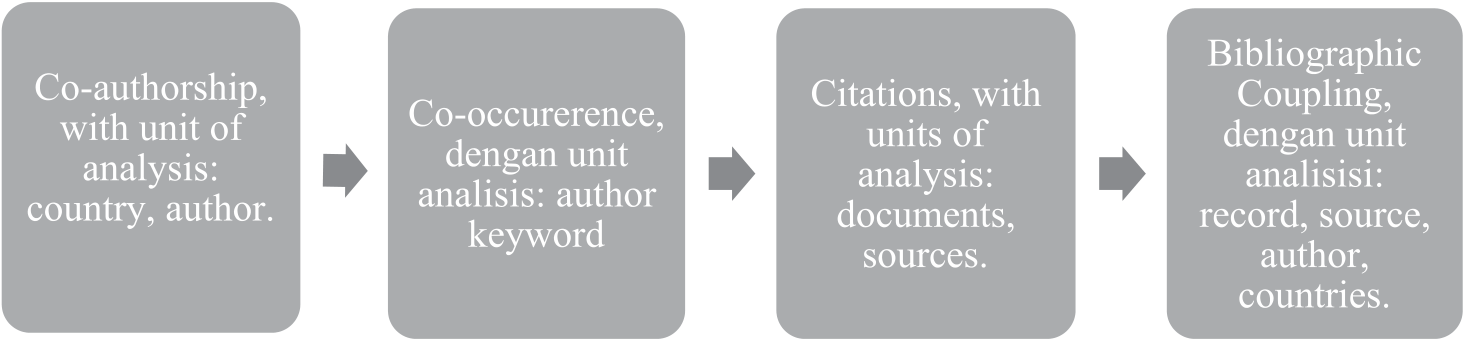
Notes omitted (n = 15) 33 full-text papers in all were assessed for eligibility. Afterward, due to issues with quality or lack of significance, 18 papers were eliminated. Following the selection and review of the papers (n = 15), thorough literature research was carried out [36]. Through the identification and analysis of the various types of analysis that can be exhibited in Vosviewer, the program may describe and display bibliometric visual maps with unique data. This is demonstrated in Fig. 2.
Scholars, decision-makers, and other interested parties can use the data sets provided by this systematic literature review analysis approach to raise the standard of upcoming research [33-35]. To comprehend the evolution of certain research topics, a thorough and trustworthy approach to reading and assessing scientific publications is the systematic literature review method [33-35]. The examination of this research also aims to determine how urban fighting influences might be used to develop muscular resistance in the face of potential dangers and vulnerabilities in the future.
Results – Systematic Literature Review
Mapping of Research Topics: An Overview
In this section, we describe research publications from the Scopus database by identifying 63 documents. We also present developments in documents related to Green Leadership issues every year from 1994-2023. In order to map the research topics and studies and identify and analyze trends in research publications on the topic of green leadership in the Scopus database, 63 documents were located and analyzed in this study using the Vosviewer [36] and scopus.com (Analyze search results) links. These 63 documents are more or less related to the topic of green leadership in the Scopus database, which was taken on August 15, 2023. The database was then selected based on several criteria, namely, accuracy, consistency, completeness, and timeliness. After going through the selection stage, 15 documents were selected that best met the criteria with the highest citation. Despite being rather unpredictable, the data show a growing tendency every year, which is fairly noteworthy. Emerging concerns like climate change, natural disasters, environmental problems, and so forth have an impact on this rise. This pattern is displayed in Fig. 3.
The trend toward more publications stems from international cooperation in research on green leadership among different nations. The pattern of annual growth is influenced by several elements, such as the availability of research data, funding support for studies, and researchers’ interest in green leadership. The Scopus database indicates that 2023 will have the most publications during the previous ten years.
This research also identifies countries with the most publications related to issues and developments in green leadership topics. The top 10 countries of origin, as seen in Fig. 4, are as follows: (1) China has 13 documents totaling 143 citations; (2) the US has 10 documents totaling 107 citations; (3) India has 5 documents totaling 5 citations; (4) Indonesia has 5 documents totaling 29 citations; (5) the UK has 5 documents totaling 28 citations; (6) Canada has 4 documents totaling 538 citations; (7) Australia has 3 documents totaling 48 citations; (8) Finland has 3 documents totaling 32 citations; (9) Malaysia has 3 documents totaling 25 citations; and (10) Pakistan has 10 documents totaling 9 citations. The author’s nationality can be determined to be China based on 13 papers. This is due to three factors: (1) A number of Chinese scholars are interested in learning how green leadership and pro-environmental policies interact, especially in business (corporation) sectors; and (2) a number of American researchers are aware of how important green policy is to the development strategic plan of the government in creating a sustainable future. (3) It is not too dissimilar from scholars in the United Kingdom, India, and Indonesia who seek to comprehend the connection between green leadership and green policies.
Fig. 3.
Publication of Green Leadership Trend Documents (1994 - August 2023). Source: Processed via Scopus, 2023.
This study’s systematic literature evaluation demonstrates that future directions and ongoing development are being pursued in the field of research on green leadership. This research also identifies the researchers who have published the most documents on this topic. This research, which was published in the Scopus database in 2023, has been on the rise since 1994. As shown in Fig. 5, the 10 researchers with the most publications related to green leadership are as follows, with each author having 2 documents. The top ten authors whose documents were published are shown in Fig. 5, as follows: (1) Affolderbach, J. (2017) with 28 citations; (2) Cui, Q. (2012) with 3 citations; (3) Hafizianoor (2021) with 3 citations; (4) Hamdani (2021) with 3 citations; (5) Hatta, M. (2021) with 3 citations;
(6) Iqbal, Q. (2022) with 28 citations; (7) Kumari, K. (2023) with 9 citations; (8) Lu, Y. (2012) with 3 citations;
(9) Normalina. (2021) with 3 citations; and (10) Pan, S.L. (2015) with 23 citations. It is possible to draw the conclusion that papers on the subject of green leadership are global references and studies. German authors’ writings are the ones that are most frequently cited. The number of citations a published document has indicates the extent to which the research topic it covers has an impact on other documents that are published. The more citations a document has, the more influential it is.
Research by Affolderbach (2017), which focuses on implementing greening policies to reduce the carbon footprint and become more sustainable in the City of Vancouver (Vancouver’s Greenest City 2020 Action Plan as an urban policy strategy to reduce carbon emissions), concluded that this policy received a good response and support. both from the local community, but on the other hand, it also demonstrated that leadership can be challenging since the need to uphold one’s leadership reputation might hinder other sustainability goals and prevent more drastic change by imposing certain goals and implementation techniques. Research by Lu and Cui (2012), which focuses on the application of green policy principles (sustainability principles, especially in the industrial world) into project design and operational processes, has changed the construction industry significantly. As many modern construction projects begin to support green contractors and encourage green processes, this kind of ignorance is a cause for concern. Therefore, based on an extensive review of sustainability rating practices in other industries, such as financial services, retail industry, universities, and standardization organizations, this research proposes a Sustainability Rating System for Construction Companies (SRSCC) framework that can be used to improve sustainable performance measurement both for the eligible construction industry and individual companies.
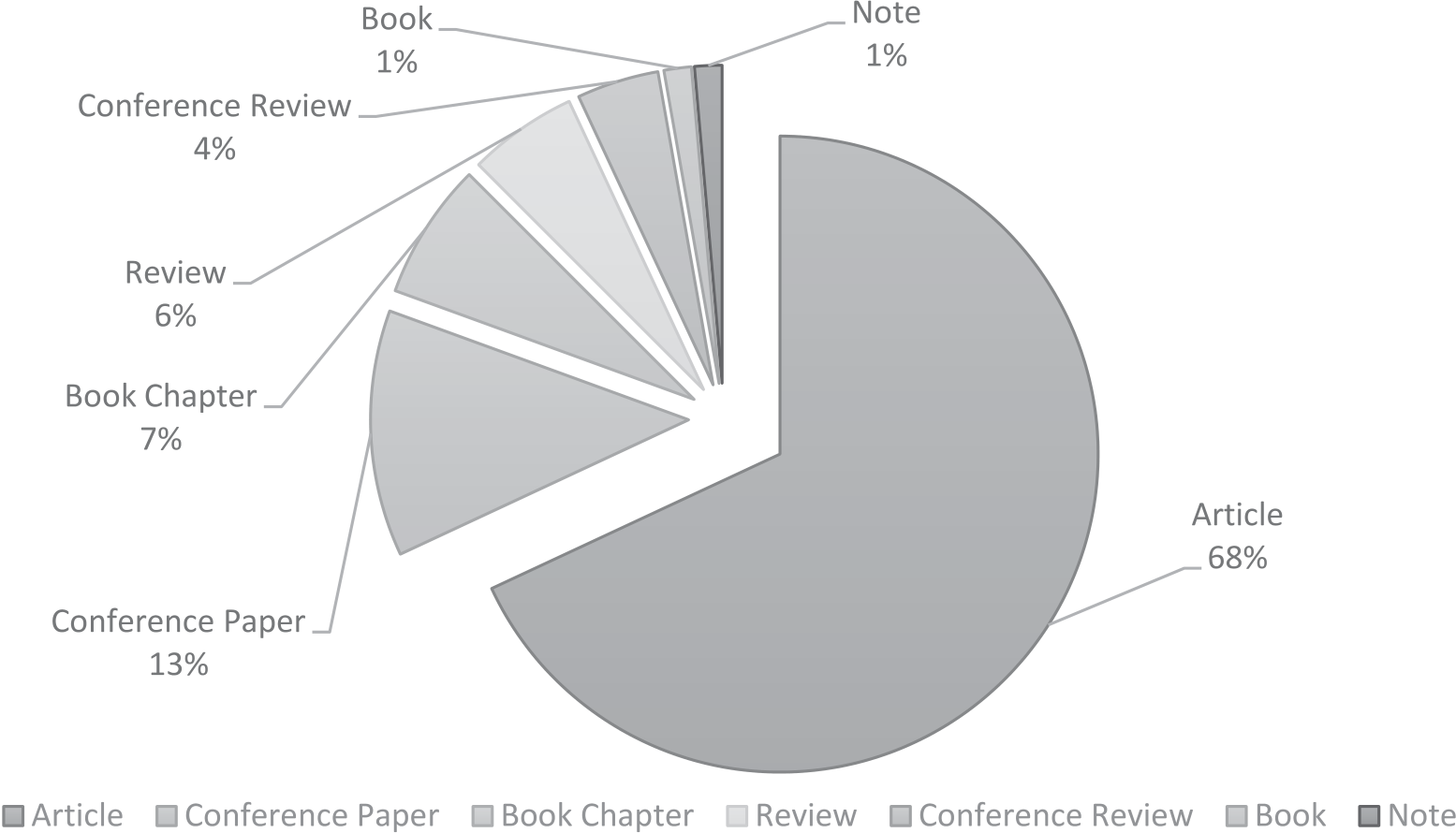
Moreover, this research also presents data related to the types of publications that have been published related to the topic of green leadership. Fig. 6 shows the range of document types found in the published study documents: (1) 46 documents in total for articles; (2) 7 documents for conference papers; (3) 3 documents for revision conferences; (4) 3 documents for reviews;
(5) 2 documents for chapter books; (6) 1 document for books; and (7) 1 document for notes. This is on top of the fact that the author’s native nation also conducts research on green leadership challenges and publishes a variety of scholarly papers in this area. Based on the seven different categories of document publications that address green leadership in the Scopus database, it can be said that the numerous forms of papers about green leadership studies have elevated this topic to the attention of scholars worldwide.
There are several types of publications on green leadership that are available in the Scopus database. Fig. 7 illustrates the close relationships between a number of topics and green leadership, including (1) Social Sciences with 22 documents; (2) Business, Management, and Accounting with 20 documents;
Fig. 4.
The top ten nations in the Scopus Database on Green Leadership in terms of the quantity of documents (1994-2023). Source: Processed via Scopus, 2023.
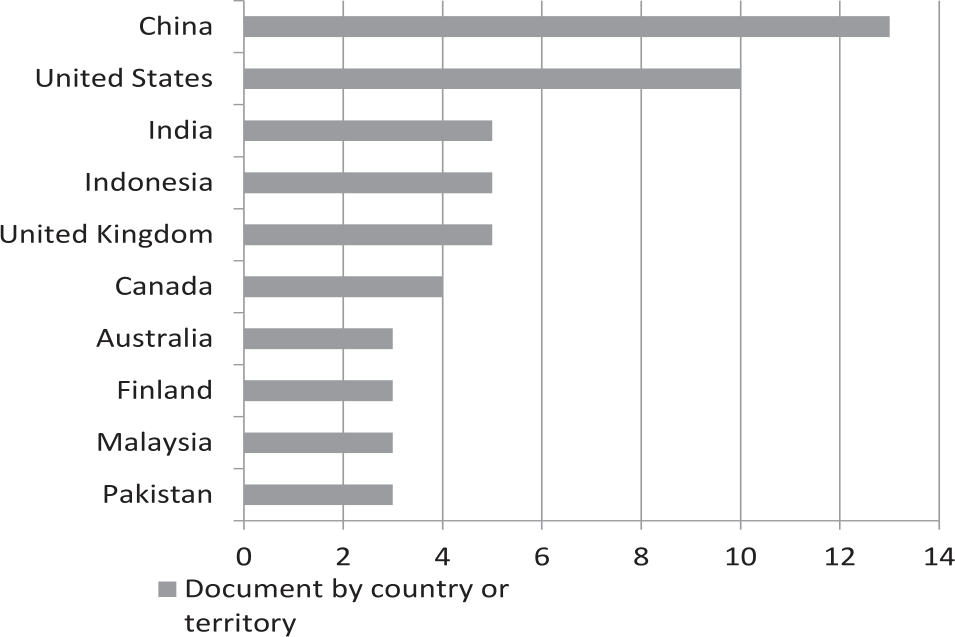
Fig. 5.
Top 10 Authors on the Topic of Green Leadership (1994- 2023). Source: Processed via Scopus, 2023.
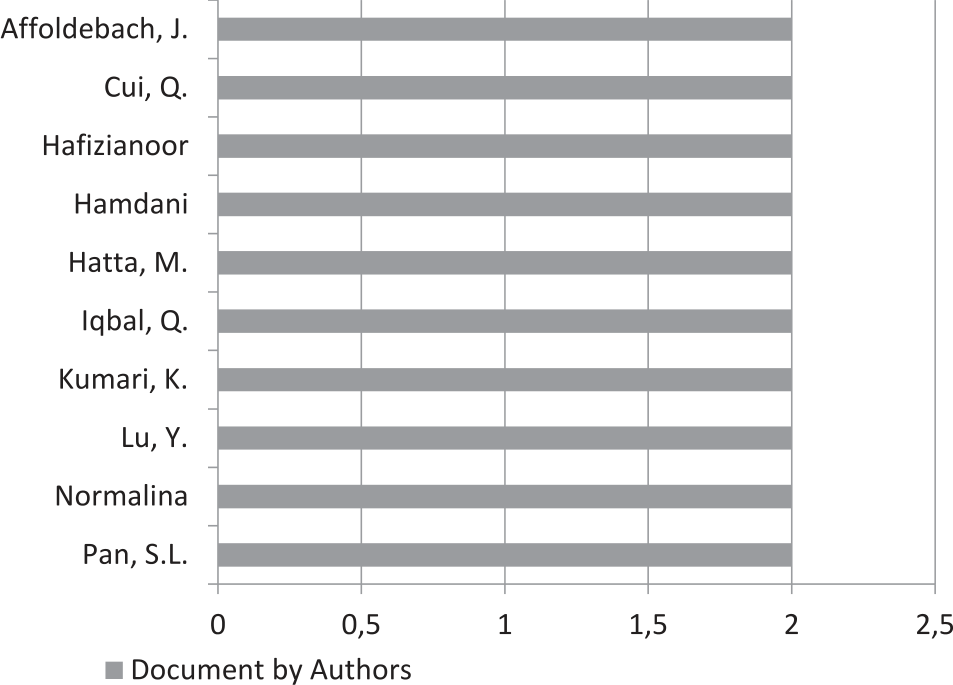
Fig. 6.
Types of Documents with the Most Publication on Green Leadership Source: Processed via Scopus, 2023.
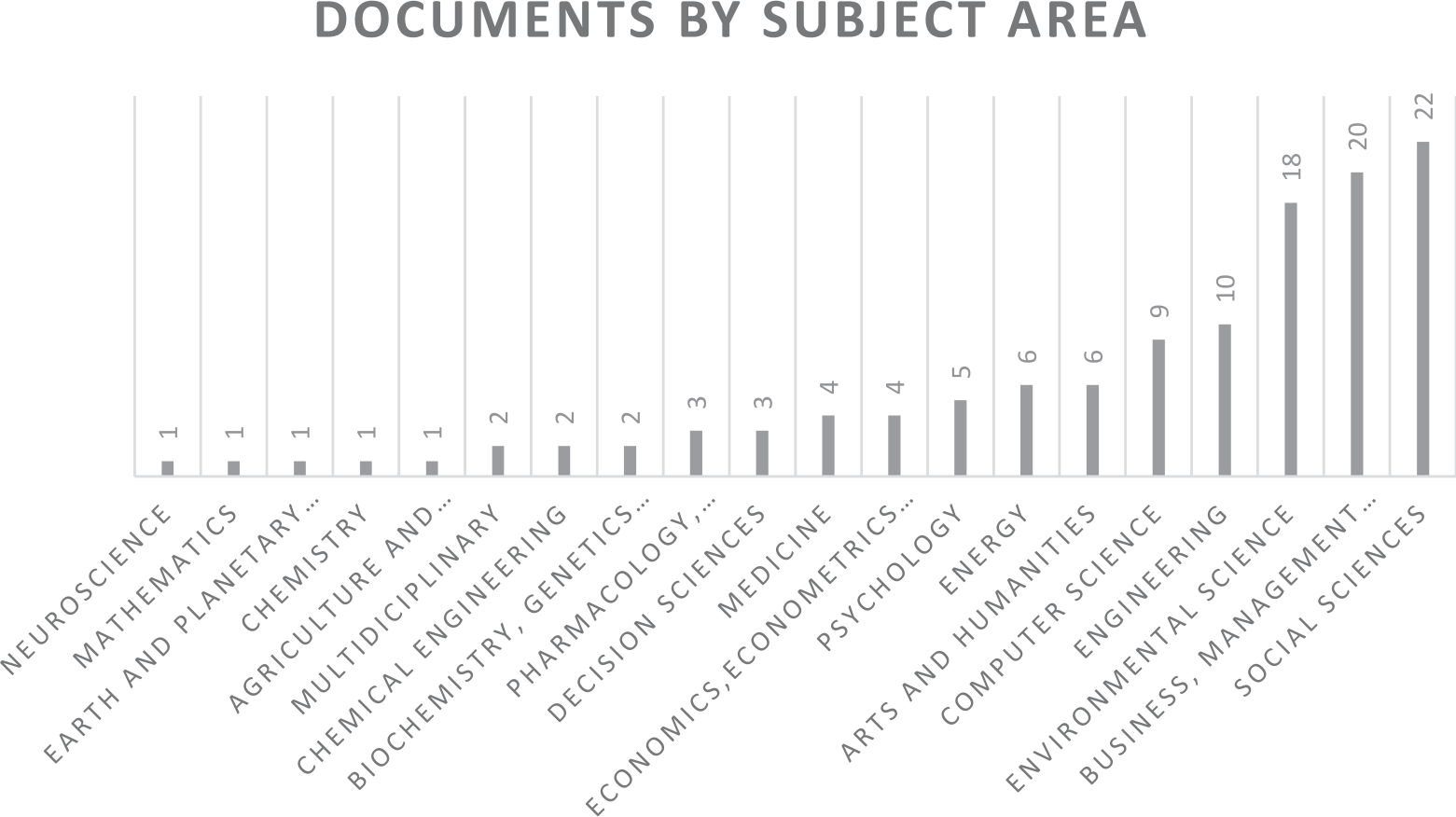
(3) Environmental Science with 18 documents; (4) Engineering with 10 documents; (5) Computer Science with 9 documents; (6) Arts and Humanities with 6 documents; (7) Energy with 6 documents; (8) Psychology with 5 documents; (9) Economics, Econometrics, and Finance with 4 documents; and (10) Medicine with 4 documents. These are the top ten subjects among all topic categories with the greatest number of papers. This illustrates the variety of perspectives, approaches, and scientific disciplines that are employed to investigate the subject of green leadership. Therefore, in order to comprehend the study of green leadership challenges, one must learn from a variety of disciplines in addition to focusing on environmental issues, green behavior, and green policies. Only then will the issues of green leadership be better understood and addressed.
Mapping of Research Topics: Content Analysis and Issues
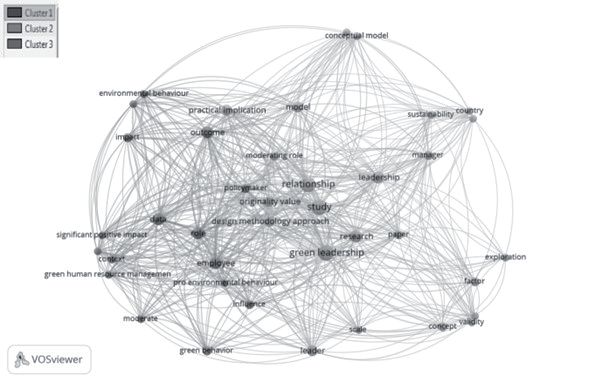
By using the Vosviewer tool, we also present research cluster data, as shown in Fig. 8. Drawing from a diverse range of papers available in the Scopus Database from 63 documents, the following list of study subjects has been recognized as being closely linked to green leadership. It was discovered that Fig. 8 displays the research issues associated with this topic. Fig. 8 and Table 1 show 3 clusters that holistically depict the development of research on the topic of green leadership, where each cluster shows a strong connection between topics. The 3 clusters are shown in red images (cluster 1), which consist of context; data; employees; environmental behavior; green behavior; green behavior; green human resource management; hospitality sector; hypothesis; impact; influence; moderate; outcome; policymaker; pro-environmental behavior; roles; significant positive impact. In research on the topic of green leadership, these keywords have a strong relationship with the highest citation groups and clusters most discussed by researchers in this field. Cluster 2 (green) consists of a conceptual model; countries; design methodology approach; economy; hospitality industry; leadership; model; moderating role; originality value; practical implication; relationship; study; and sustainability. In this cluster, each keyword has a strong association with lower citations than the first cluster. Cluster 3 (blue) consists of concept; confirmatory factor analysis; exploration; factors; green leadership; leader; manager; papers; research; scale; and validity. In this cluster, each of these keywords also has a strong relationship with a lower number of citations compared to the other 2 clusters.
Fig. 8.
Analysis via Vosviewer (the research issues associated with the Green Leadership Topics). Source: Processed via Vosviewer, 2023.
Not much has changed from what is depicted in Fig. 9. The overlay visualization’s results indicate some concerning tendencies in the most recent research on green leadership from 1994 to 2023 (depicted in the picture with the hue “yellow” being the brightest). These trends are being investigated by international experts. Some of the research questions are: (1) How can employees’ pro-environmental passion and actions become influenced by leaders’ environmentally-specific transformational leadership and pro-environmental workplace practices?; (2) What is the impact of an environmentally conscious company culture’s determinants and consequences on the green behavior of its employees?; and (3) What theoretical links exist between age-biased leadership preferences for transitioning from stable exploitation to exploration and the exploration-exploitation dilemma? (4) How and when is sustainable performance impacted by sustainable leadership (SL)? (5) What conclusions can be drawn from the evaluation of how stakeholders and decision-makers use policies to market the city and its greening initiatives both domestically and abroad, and how policies concerning urban climate change are influenced by aspirations for green leadership?
Table 1.
Analysis via Vosviewer (the research issues associated with the Green Leadership Topics). Source: Processed via Vosviewer, 2023.
Fig. 9.
Analysis via VOSviewer (Type of Analysis: Co-occurrence (All Keywords)) Source: Processed via VOSviewer, 2023.
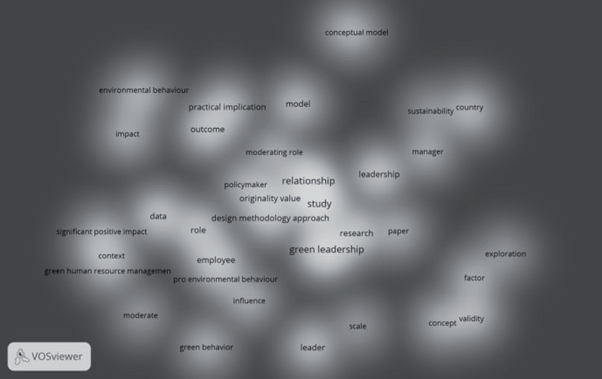
There is currently a dearth of studies on these studies and several research trends on how green leadership contributes to the global implementation of eco-friendly legislation. The identification and analysis findings are meant to bolster already-conducted research and promote green leadership initiatives in the pursuit of pro-environmental policies that can be successfully implemented in several nations across the globe.
Discussion – Research Identification
Green Leadership in Decision-Making towards a Sustainable Future
This section examines the impact of green leadership, as determined by the articles in our sample, on pro-environmental decision-making (we selected 15 documents based on the research criteria we had previously set and the citation level of the top documents in this field to see how far the issue of green leadership research contributes more broadly). We find green leadership, which we divide into three groups: (1) Green leadership’s prevalence; (2) Green leadership’s impact in the commercial sector (business); and (3) Green leadership’s influence in the public sector (refer to Table 2).
Research is still required to promote improvements in pro-environmental behavior in light of these issues. The idea of “green leadership” is being applied to studies worldwide in a variety of contexts, including government, business, and private groups, where pro-environmental policies are being made. These studies are described in the following table.
The 15 documents above were chosen because they most closely match the previously established criteria with the highest citations. The results of previous studies indicate a tendency that the application of the concept of “green leadership”, which is implemented by a leader in a country, company, or particular institution, has direct or indirect implications for the implementation of pro-environmental policies in the institution, region, or company concerned [25, 37-41]. The results also show that environmental innovation is a means by which sustainable leaders indirectly impact environmental performance. Nevertheless, the presence of managerial discretion does not improve their influence on environmental innovation [42, 43]. In addition, transformational green leadership in the business sector promotes environmentally conscious green organizational behavior, as well as a rise in green process and product innovation and the application of green technology in the hospitality sector [42, 47]. Accordingly, this study emphasizes how employee behavior is impacted by green leadership [23, 29, 37, 49, 50]. On the other hand, the findings explain that companies that pursue profit but also prioritize the environment must invest in green technologies [46]. On the other hand, the aforementioned research also demonstrates that the benefits of “green leadership” on pro-environmental policies also have additional ramifications pertaining to age-related leadership bias, which encourages older leaders to make use of conservative resources. non-renewable resources and a more youthful pioneer in the investigation of renewable substitutes [38]. In addition, other studies also explain how the application of information technology (IT) contributes to preserving the environment for future generations [44, 45, 48]. Kardoyo et al. [19] discovered that while green leadership had little effect on organizational identity, it had a considerable impact on environmental policy support, environmental responsibility, green mindfulness, and green self-efficacy. Trends in previous research results show a noteworthy influence of green leadership on public pro-environmental behavior and private organizations, both regarding environmental policy support, the behavior of organizational members or employees, green products and green innovation produced, as well as technological tools used to support a sustainable environment in the future. In our opinion, the important issues highlighted in this research are green politics, green policy, green bureaucracy, and green government. The urgency of this issue can be seen in the challenges of the global political system, environmentally friendly policy issues, and green government systems.
Table 2.
Identification of Research Findings according to the research topic’s applicability, relevance, and similarity (selection based on document citation level in. Scopus).
Critical Findings
The Robertson & Barling [25] study’s findings did not clarify the degree to which leaders’ environmental descriptive norms and their leadership and pro-environmental behavior influence organizational decisions and policies, or the degree to which this influence is generated by the presence of these environmental descriptive norms and leadership and pro-environmental behavior. The research results of Al-Swidi et al.’s [37] cross-sectional data gathered at a particular time point are used in this research. To investigate in-depth changes in behavior and performance and demonstrate causal linkages, researchers must employ a longitudinal technique, as human research management and leadership may need time to reflect on their cultural and behavioral changes. According to the research result of Spisak et al. [38], there must be further research that is more measurable and accurate because appearance/ look does not always indicate/align with a person’s age. The findings of Begum et al. [39] cannot be applied to other industries because the samples were only taken in China from high-tech industrial sectors. Because this study is cross-sectional, a longitudinal approach could provide a deeper comprehension of the variables [43]. It is also not possible to generalize the findings of Iqbal and Piwowar-Sulej’s [40] research before carrying out comparable studies in other regions of Asia and Western nations.
According to Affolderbach & Schulz [41], the author’s criticism of the green leadership policy in Vancouver does not include clear and definite indicators, but rather the author’s assumptions, because the answer from one respondent is not able to generalize the context as a whole. In the research result of Mejia [47], there is a small sample size; hence, it’s possible that the findings cannot be applied generally. To lessen this impact, future longitudinal studies should be conducted to find trends in the hospitality industry’s acceptance and application of green technology over a period of years. Tan et al. [44] used a single case study. The technique is frequently criticized for having a generalizability issue. The result of the research by McVoy et al. [45] indicates that efforts to better connect transportation with the requirements of a sustainable society and to establish a triple bottom line approach to sustainability are currently underway. So, the results of its implementation are still not visible and measurable.
According to Jung et al. [46], this research is limited to manufacturing firms, so it can’t be generalized. According to Ahmed et al. [42], outcomes also showed a strong correlation between green innovation and green transformational leadership without providing an explanation about the side impact of this implementation. According to Sharif [48], there are limitations in theory and data, so further research is needed to gain a more comprehensive result. According to Srour et al. [49], there is a chance of bias because the research sample was IT workers who answered self-reporting questionnaires. Kardoyo et al. [19] note that while green leadership indicators can be assessed in terms of leadership behavior and style in influencing organizational members, this research solely focuses on the outputs of pro-environmental policies; hence, more research is required in this area. In general, previous research still does not highlight important matters/contemporary problems such as green policy and environmental issues, green politics, and green bureaucracy. This issue pays attention to various environmentally friendly behaviors, practical actions, and structural authority in the green leadership research section.
Implications: Conceptual, Practical, and Policy
Every year, the concept of green leadership is being emphasized more and more on a global scale. Various studies have discussed this concept, but conceptually, these studies still only focus on the effect of applying the concept of green leadership in policymaking, but practically have not touched on practical aspects of implementation. In addition, the scant literature on green leadership demonstrates that the idea has not been widely implemented in a variety of public and commercial companies worldwide. So, it is necessary to continue to encourage its implementation toward a sustainable future.
Research related to green leadership and its implications for a sustainable future is important, considering that world governments currently have a global orientation, which is manifested in sustainable development goals. Apart from that, environmental problems are a real threat to world society now and in the future. Research results shown by Mikhaylov [51] explained that climate change has a significant impact on human health around the world, particularly in African countries. The increase in greenhouse gas emissions is blamed for infectious and non-infectious diseases, as well as detrimental effects on nutrition, water security, and other societal disruptions. The global average temperature is steadily rising, and atmospheric CO2 concentrations have surpassed 400 ppm as the greenhouse effect intensifies. To meet the Paris Agreement objective, local governments should focus on reducing emissions from industry. In this case, environmentally friendly policies implemented by both government and private institutions (companies/ corporations) are crucial for realizing these goals in a systematic manner.
Conclusion
According to publications in the Scopus database, trends associated with this research have been documented since 1994 and have increased until the present day (2023), when 63 documents matching the subjects researched in this research were retrieved. Green leadership has been researched from a variety of angles, using a range of approaches and scientific fields. The Scopus database contains a variety of research publications on green leadership (at least seven academic disciplines have been determined).
Future scholars can benefit from the research topic on green leadership by comprehending the notion of green leadership and its impact on the formulation of pro-environmental policies. Thus, this study adds both conceptually and practically to the growing body of work on green leadership around the world. This research problem can also be used to generate data for future studies on the subject of green leadership, examining worldwide research trends that have been, have not been, and will be investigated. Subsequent study endeavors should focus on the following areas, according to the researcher: (1) Green leadership implementation; (2) Leadership behavior and style in influencing organizational members; and (3) Public acceptability of green leadership.
The study’s conclusion is that there is no denying green leadership’s impact on laws that support the environment. However, the effectiveness and ability of leaders also have an impact on how pro-environmental policies are implemented and how much of an impact they have. This indicates that pro-environmental policies are not the only thing that green leadership refers to; pro-environmental policies are also reflected in the actions of organizational members. An effective leader must be able to encourage group members to support environmental initiatives.
This research only focuses on the Scopus database, so the authors suggest that future research will not only focus on the Scopus database so that the resulting research related to green leadership can be more holistic and comprehensive. We also suggest various issues in support of this study for future research that need to be highlighted, such as green politics, green policy, green bureaucracy, and green government. The urgency of this issue can be seen in the challenges of the global political system, environmentally friendly policy issues, and green government systems.

