

Introduction
Soil, as the largest organic carbon reservoir in terrestrial ecosystems, connects the atmosphere, hydrosphere, and biosphere. It can both reduce CO2 concentration by enhancing soil carbon sequestration and release greenhouse gases into the atmosphere, thus exerting significant impacts on global carbon cycling and agricultural production [1-3]. Soil organic carbon (SOC), an integral part of soil carbon reservoirs, plays crucial roles in stabilizing soil structure and regulating greenhouse effects [4, 5]. Agricultural management practices influence the input and decomposition of soil organic carbon, thereby affecting soil carbon sequestration potential [6-9]. Song et al. [10] showed that the annual global organic carbon loss, due to farming, reached 0.06%, and the loss of surface soil organic carbon pool in China reached 14.8±15.1t·hm-2. Büchi et al. [11] showed that soil organic carbon concentration and storage increased under no-tillage conditions, and the average particle size and proportion and carbon content of surface macroaggregates in no-tillage and organic fields were higher compared with traditional tillage. Moreover, different types of fertilizers, such as chemical fertilizers and organic amendments, have variable impacts on the soil organic carbon content [12-14]. Liu et al. [15] also showed that long-term chemical fertilization and straw returning can reduce N2O emissions (15.2%) and improve the buffering and long-term stability of soil organic carbon pools in the paddy field system. However, there are few long-term comprehensive studies on the three factors of tillage methods, fertilizer types, and straw return amount, and the effects of different combinations on soil organic carbon are still unclear.
Soil organic carbon has a long cycling period and complex biogeochemical processes. Although long-term monitoring is a good method, the number of experimental sites is limited, and the data obtained are temporally and spatially discrete [16]. Moreover, various factors such as climate, soil fertility, and agricultural management measures affect the entire agricultural carbon cycle. Therefore, it is possible to use models to comprehensively consider these influencing factors, identify patterns in the observed variables, and make reasonable inferences. With the development of terrestrial ecosystem modeling tools, the DNDC (DeNitrification-DeComposition) model has become one of the most successful carbon and nitrogen cycle models in the world because of its accurate simulation results and the simulation of carbon and nitrogen cycle process in the agricultural field is experienced and effective [17, 18]. Using the DNDC model, Forster et al. [19] found that soil organic carbon storage in the Boreal Grasslands would be jointly affected by climate change and agricultural management. Fan et al. [20] studied the changes in soil organic carbon from 2003 to 2016 in an intensive farming area in eastern China, indicating that the DNDC model exhibited good simulation performance for soil organic carbon dynamics in the study area, with no carbon loss observed across all regions. Therefore, it is evident that the DNDC model can be effectively applied to simulate regional soil carbon pools, nitrogen pools, and other components. It holds significant value in investigating changes in regional soil ecosystem carbon pools and understanding the impact of climate change on soil carbon pools.
Huainan City, located in the middle reaches of the Huaihe Basin, has extensive agricultural land, yet research on soil organic carbon in its farmlands remains limited. Moreover, traditional farming practices dominate the agricultural management system. This study utilizes the DNDC model to comprehensively consider factors such as climate, soil fertility, and regional characteristics over the long term. This approach is crucial for investigating and enhancing soil organic carbon levels in Huainan City. Therefore, this study optimizes agricultural cropping systems using the DNDC model combined with response surface methodology from three aspects: tillage methods, fertilizer types, and straw return amount. To explore the changes in soil organic carbon under optimized farming systems and simulate soil carbon sequestration under different scenarios of optimized farming systems. This not only provides theoretical support for adopting soil organic carbon management practices to enhance carbon sequestration in the region but also lays a foundation for implementing effective carbon sink measures and establishing sustainable agricultural cultivation systems. This research is significant for promoting the rational utilization of soil resources and sustainable agricultural development in the area.
Materials and Methods
Overview of the Study Area
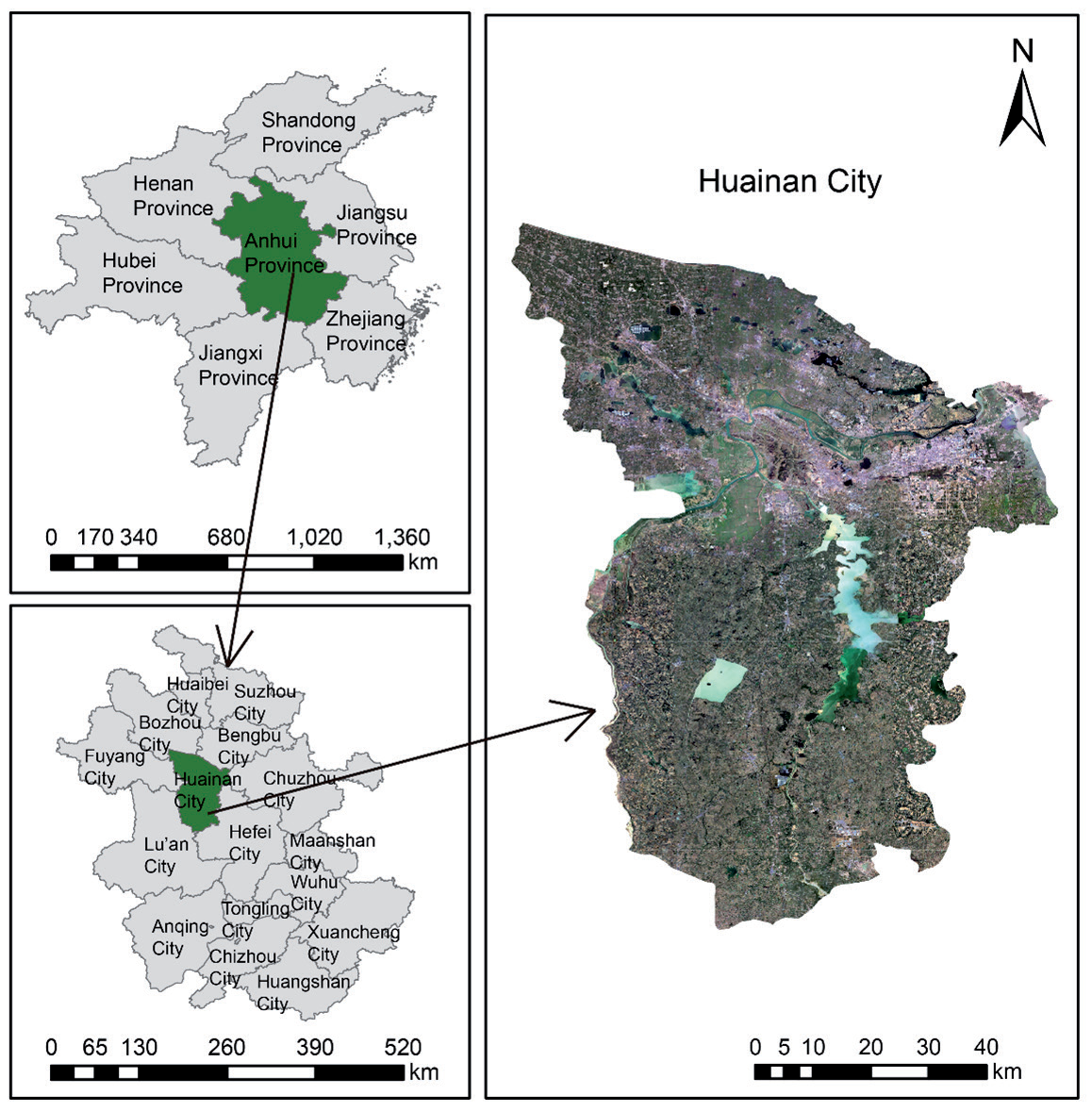
Huainan City is located in the middle of Anhui province in China between the north latitude of 31°54'8''~33°00'26'' and the east longitude of 116°21'5''~ 117°12'30''. Fig.1 shows the location diagram of the study area. The climate in this area is subtropical, with four distinct seasons during the year. The average annual temperature in Huainan is 15.3℃, and the annual mean rainfall is 937.2 mm. The rainfall mainly occurs during the summer season. Huainan City is dominated by paddy soils, with mortar black soil type, yellow-brown soil type, and tidal soils. The cropping system is mainly predominated by rice-wheat crop rotation. The planting area under rice and wheat cultivation is 280,000 hm2 and 215,000 hm2, respectively.
Model Input Parameters and Data Sources
The databases required for implementing the DNDC model in the region include one geographic information system (GIS) database and one meteorological database. The GIS database comprises 10 files, including geographic information data, crop areas, crop physiological parameters, and fertilization details. The meteorological database contains daily maximum and minimum temperatures, as well as daily precipitation data from meteorological stations. The crop database includes physiological parameters and field management measures for various crops.
The meteorological data used in this study are sourced from the National Meteorological Science Data Center (http://data.cma.cn) and the National Oceanic and Atmospheric Administration (NOAA, https://www.ncei. noaa.gov). The meteorological files for the model store data from the Huainan station, covering 42 years from 1980 to 2021, including daily maximum temperatures, minimum temperatures, and daily average rainfall.
The data for the geographic information database come from the Second National Soil Census data, the World Soil Database (HSWD), literature, and statistical yearbooks. Soil parameters include soil type, texture, moisture, and organic carbon content, which are crucial for estimating soil carbon and nitrogen absorption, release, and transformation. Crop parameters include maximum yield and water requirements. Agricultural management parameters include fertilization timing, types of fertilizers, fertilizer quantities, and crop type parameters, which are also very important for estimating farmland productivity and nitrogen and carbon absorption and release. The DNDC model stores parameters for 56 types of crops. For this study, major crop planting systems in Huainan City were selected based on the Huainan Statistical Yearbook, focusing on seven main crops: rice, corn, wheat, soybean, potato, rapeseed, and cotton.
Data Processing
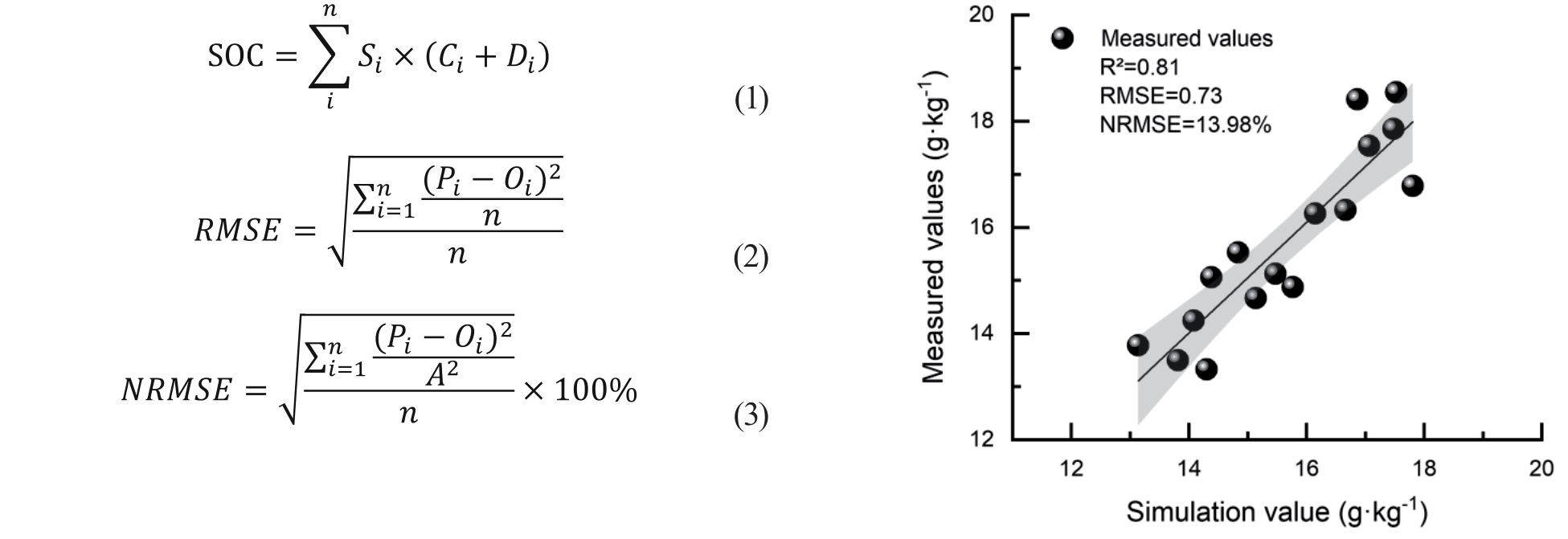
Soil organic carbon (SOC, equation (1)) storage: In this study, soil organic carbon storage was calculated at a depth of 0-20 cm. The n is the number of grid points simulated by the model; S is the planting system area (hm2) of each grid point; C and D are 0-10 cm and 10-20 cm soil depth soil organic carbon density (kgC·hm-2), respectively. This study uses Root Mean Square Error (RMSE, equation (2)), Normalized Root Mean Square Error (NRMSE, equation (3)), and the coefficient of determination (R²) for accuracy validation to assess the agreement between simulated results and observed results. In the formulas, P represents the simulated values, O represents the observed values, and A represents the mean of the observed values. In this study, Microsoft Excel 2007 and Origin 2021 were used for data processing. Design-Expert 12 and the DNDC model version 9.5 were used in the current study.
Results and Discussion
DNDC Model Validation
Based on the traditional farming system (traditional tillage + chemical fertilizer and organic fertilizer + 50% Straw return amount) in Huainan, the DNDC model was used to simulate the soil organic carbon. The DNDC model was validated according to the data samples of the Soil Basic Nutrient Data Set of Soil Testing and Formula Fertilization (2005-2014) and the field sampling survey data in 2021. As shown in Fig. 2, the RMSE, NRMSE, and R2 of the model simulation of organic carbon values compared to the measured values are 0.73, 13.98%, and 0.81, respectively, indicating a high degree of fit. Therefore, the model simulation is effective and can be used to simulate soil organic carbon in the farmland of Huainan City.
Soil Physicochemical Properties Analysis
According to Fig. 3, based on the relevant soil physicochemical parameters provided by the Harmonized World Soil Database for correlation analysis, it can be observed that within a certain range, there is a negative correlation between soil organic carbon and soil pH in Huainan City, while there is a positive correlation with soil clay content and cation exchange capacity. Soil pH directly affects the growth of microorganisms and the activity of metabolic products in the soil. In acidic soil conditions, microbial activity is lower, which slows down the decomposition rate of organic carbon, thus favoring its accumulation [21- 23]. Higher clay content in soil indicates smaller soil particles and larger surface area, providing more space for organic carbon to adsorb onto particles, thereby increasing the stability and sequestration capacity of organic carbon in the soil [24-26]. Soil cation exchange capacity affects the ability of carboxyl and hydroxyl groups and other anions to bind and adsorb organic carbon in the soil, thereby influencing the retention time and resistance to the decomposition of soil organic carbon, ultimately enhancing its stability [27-30]. Practices such as returning crop residues to the soil and adding organic fertilizers can reduce soil bulk density, adjust soil pH, and increase soil cation content, thereby significantly impacting the sequestration of organic carbon in agricultural soils in Huainan.
Response Surface Experiments and Results
The DNDC model was used to simulate changes in soil organic carbon under different tillage, fertilization, and straw return practices. Using tillage methods, fertilization types, and straw return amount as influencing factors, and soil organic carbon storage as the response variable, the Box-Behnken response surface optimization experimental design was employed to optimize the conditions. The relationship between the coded levels of each factor and the experimental values is shown in Table 1.
Based on the orthogonal experimental design in Table 1, the specific experimental design schemes designed by Design-Expert 12 can be seen in Table 2. The above results underwent second-order multivariate regression analysis, variance analysis, and regression coefficient significance testing. According to Table 3, the model’s F-value is 48.41, indicating a significant model; the lack-of-fit F-value is 4.45, indicating insignificance. The model’s correlation coefficient R2 = 0.9842 demonstrates strong reliability in accurately reflecting the relationships between soil organic carbon and various variables. Furthermore, the model’s determination coefficient R2 = 0.9984, corrected determination coefficient RAdj2 = 0.9639, RAdj2-RPred2=0.9639-0.7996<0.2, and coefficient of variation CV%=4.22%<10 indicate a good fit of the model. The use of this quadratic regression model yields effective predictions. Additionally, Table 3 shows that both fertilizer types and straw returning amount significantly affect soil organic carbon, while tillage methods have a significant effect. The order of influence on light transmittance values is: fertilizer types > straw return amount > tillage methods.
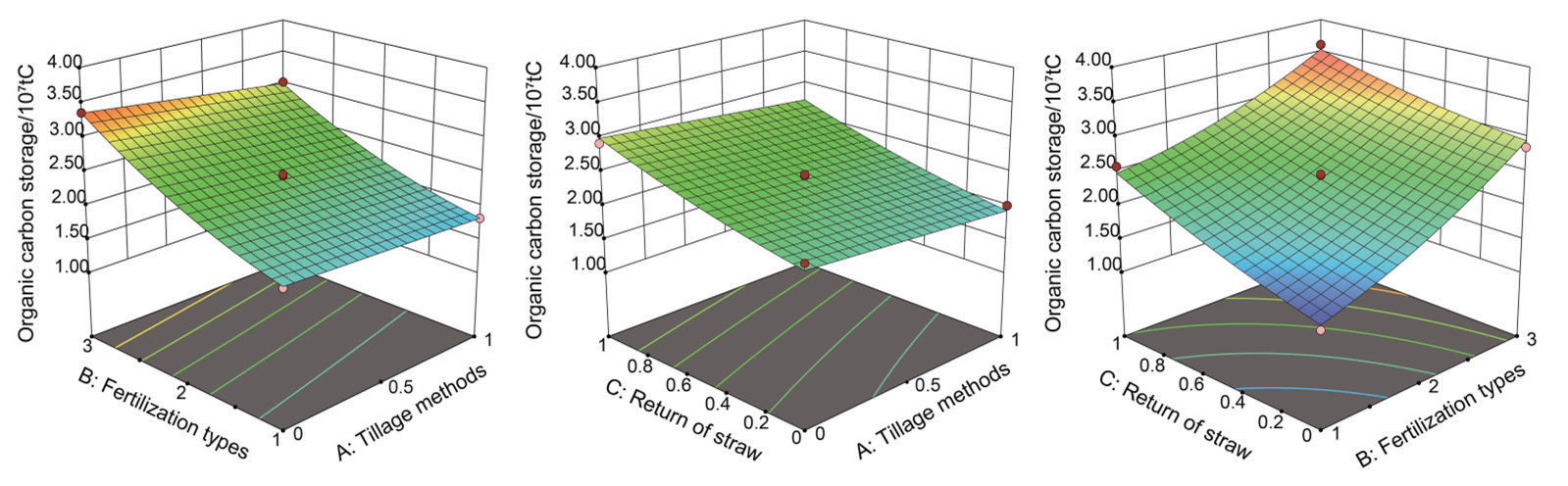
The response surface plot is a three-dimensional fitted graph of response values against various influencing factors, which allows for intuitive observation of interactions among these factors [31]. Fig. 4 indicates that fertilizer type is the most significant influencing factor; as fertilizer type varies, soil organic carbon increases gradually, with a steep change in the curve. Soil organic carbon is highest when both chemical and organic fertilizers are applied. While chemical fertilizers are rich in nutrients and organic fertilizers have low nutrient content, solely using chemical fertilizers long-term can lead to soil salinization and compaction [32, 33]. Concurrent application of organic fertilizers not only adjusts soil pH and increases soil cation content but also utilizes the interaction between carbon elements in organic fertilizers and inorganic elements in chemical fertilizers, promoting organic matter transformation and mineralization, effectively enhancing soil organic carbon reservoirs’ content and stability [34, 35]. As straw returning amount increases, soil organic carbon also gradually increases, reaching its maximum at 100% straw return. Straw returning not only directly increases soil organic carbon reservoirs but also reduces human interference in the soil surface layer, maintaining soil stability and increasing organic carbon content in macro and microaggregates [36]. The impact of tillage methods on soil organic carbon is minimal, with soil organic carbon slowly increasing as tillage frequency decreases. Compared to traditional and reduced tillage, no-tillage reduces human disturbance to the soil surface, effectively maintaining soil structure stability and enhancing nutrient and water retention capabilities [37, 38], thereby promoting soil organic carbon sequestration.
Fig. 3.
Analysis of the correlation between soil organic carbon and physico-chemical indicators. Note: A-Soil organic carbon, B-Crushed stone volume percentage, C-Sand content, D-Silt content, E-Clay content, F-Soil texture classification, G-Bulk density, H-pH, I-Cation exchange capacity
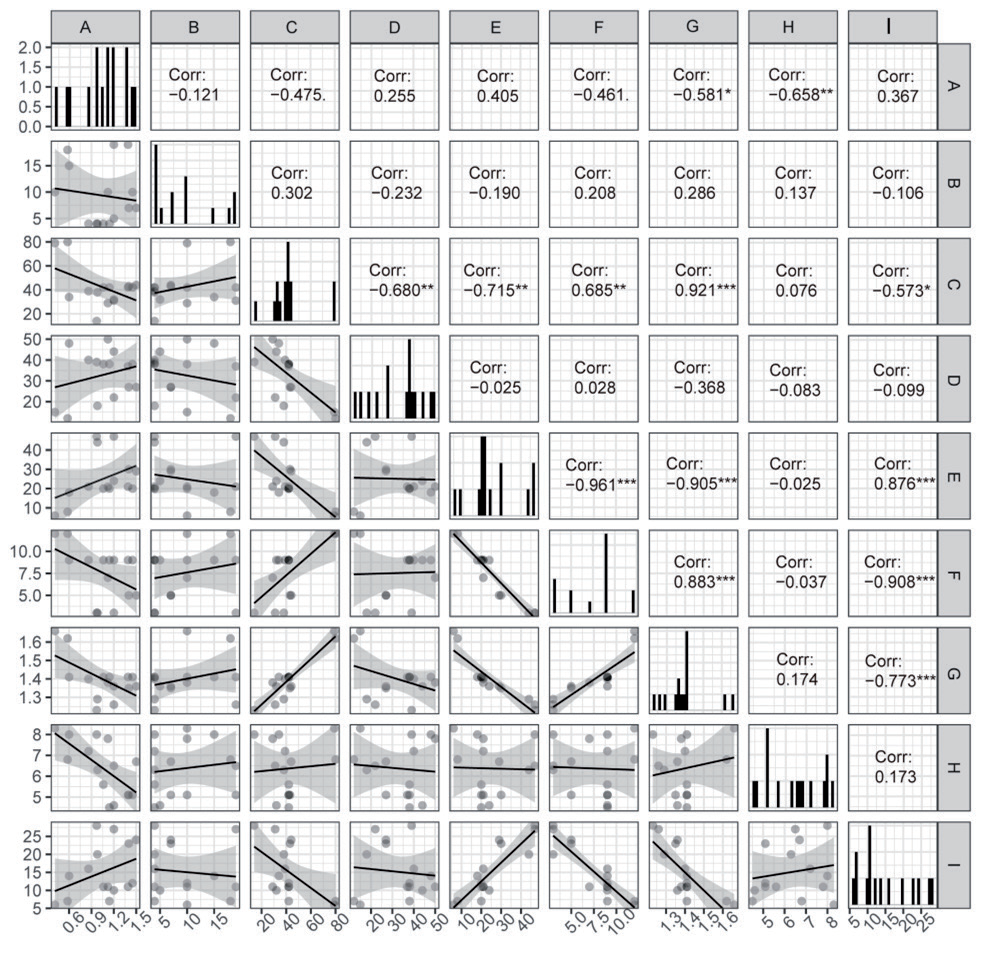
Table 1.
Table of experimental factors and levels.
Table 2.
Design of experiments and results.
Table 3.
Significance test of regression model coefficients.
Furthermore, using the response surface model to predict soil organic carbon, the optimized best tillage system is identified as no-tillage + chemical fertilizer with organic fertilizer + 100% straw returning. Under these conditions, the predicted organic carbon storage is 3.68×10⁷tC. To validate the accuracy and reliability of the model and response surface analysis experimental data, multiple simulations using DNDC were averaged to obtain a soil organic carbon storage of 3.71×10⁷tC in Huainan City, which differs from the predicted value by only 0.8%, confirming the reliability of the prediction in accurately reflecting the relationship between soil organic carbon and various factors.
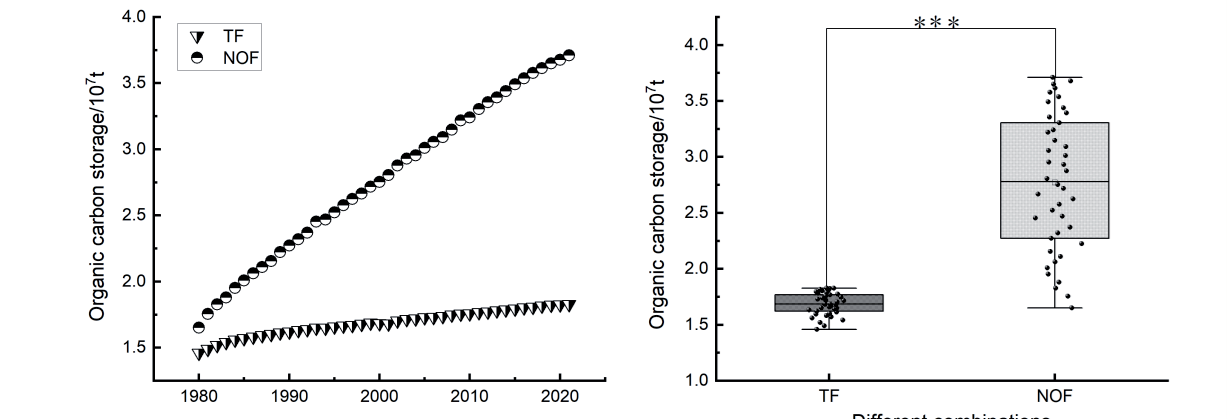
Characteristics of Soil Organic Carbon Changes under Optimized Tillage Systems
As shown in Fig. 5, under traditional tillage systems (traditional tillage + chemical fertilizer + 50% straw returning, TF), soil organic carbon increases slowly from 1.41×10⁷tC to 1.82×10⁷tC, with an organic carbon storage increase of 0.41×10⁷tC and a growth rate of 29%. In contrast, under the optimized tillage system (no-tillage + chemical fertilizer with organic fertilizer + 100% straw returning, NOF), soil organic carbon storage significantly exceeds that of the traditional tillage system, with soil organic carbon storage reaching 3.71×10⁷tC and a growth rate of 124%, which contributes to mitigating global warming to some extent. No-tillage reduces soil disturbance and damage to aggregate structures, while combining chemical fertilizers with organic fertilizers and straw returning increases carbon reservoir content and stability. Implementing all three measures simultaneously increases carbon content in the soil [34, 39-41]. Therefore, adopting an optimized tillage system in Huainan not only promotes carbon sequestration in farmland soils but also improves soil quality in the region, which is crucial for sustainable soil resource utilization and agricultural development.
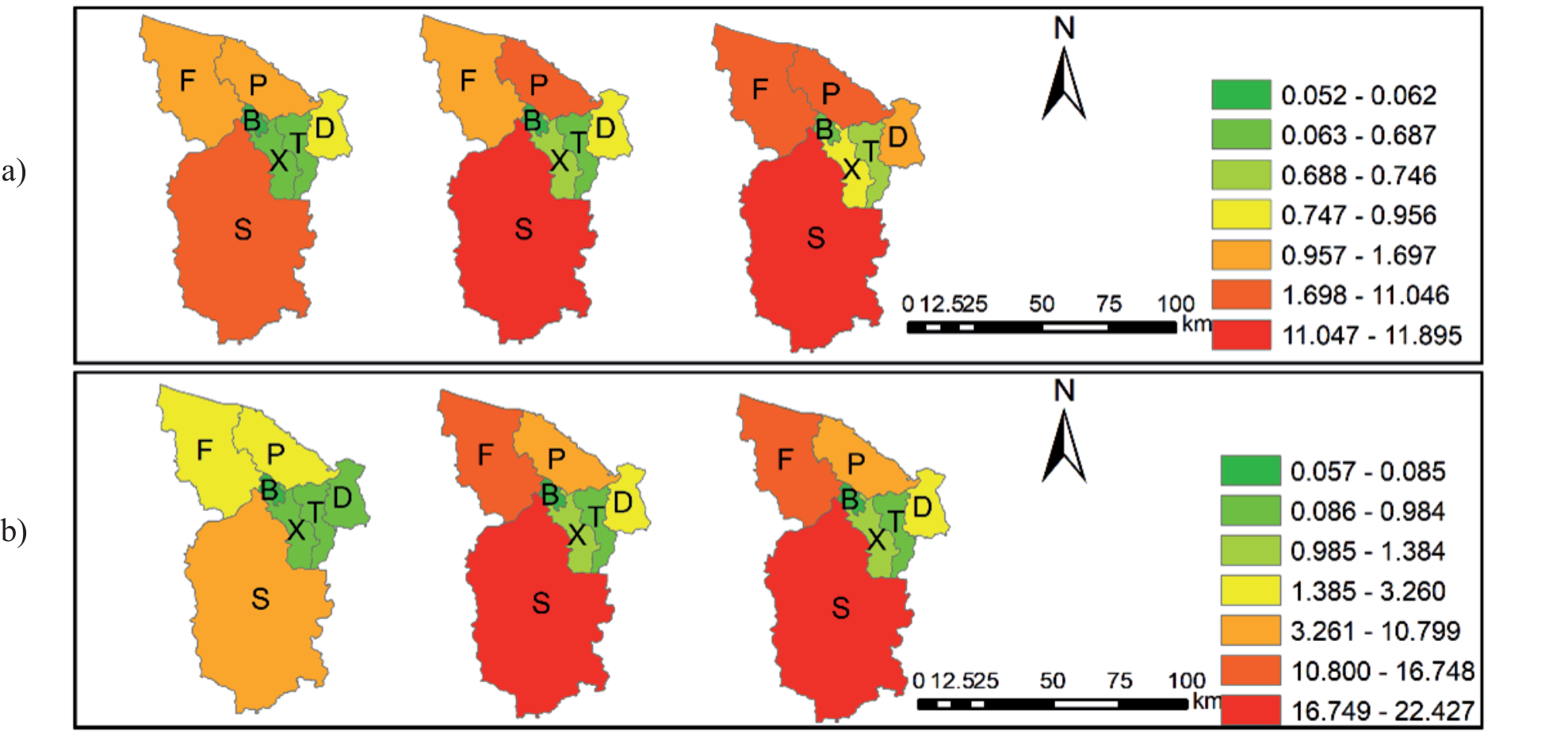
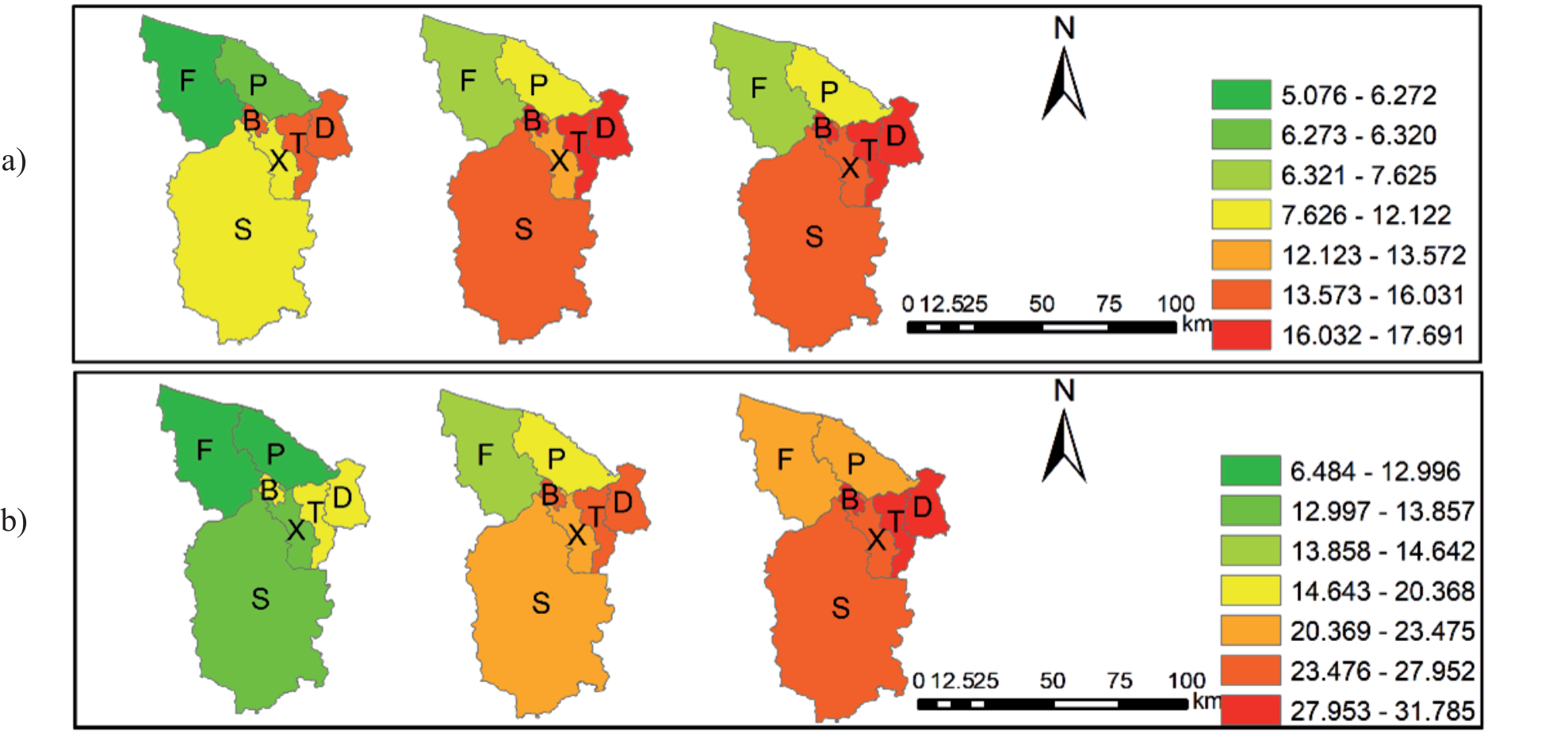
Based on Fig. 6 and Fig. 7, it is evident that under both tillage systems, the soil organic carbon storage and content in various districts show an increasing trend. However, the organic carbon growth rate under optimized tillage is significantly higher than that under conventional tillage, with growth rates exceeding 80%, indicating a better carbon sequestration effect. Among the two tillage systems, Shouxian has the highest SOC storage (11.89×10⁶tC for conventional tillage and 22.42×10⁶tC for optimized tillage). Shouxian’s farmland area accounts for about 56% of the study area’s total farmland, and the area of paddy soils is large (70%). Paddy soils have higher organic carbon content compared to dryland soils, leading to greater SOC storage [42]. Among all districts, Fengtai County exhibits the highest organic carbon growth rate (44% for conventional tillage and 221% for optimized tillage). This is likely because Fengtai County has the lowest initial organic carbon content (5.07 g/kg), and the farther the soil organic carbon content is from its saturation level, the faster the carbon accumulation rate and the easier it is to achieve carbon sequestration [43]. Additionally, in Tianjia’an District, Datong District, and Bagongshan District, the initial organic carbon content in farmland soils is relatively high (Fig. 7). These areas are mostly hilly terrains with better farmland quality and abundant plant litter. Through the mineralization by extracellular enzymes and microbial assimilation, an organic matter carbon pool is eventually formed in the soil, leading to higher organic carbon content [44-46]. However, their organic carbon growth rates are lower than those of other districts (87%, 89%, 94%), which is consistent with the previous analysis.
Characteristics of Soil Organic Carbon under Different Scenarios
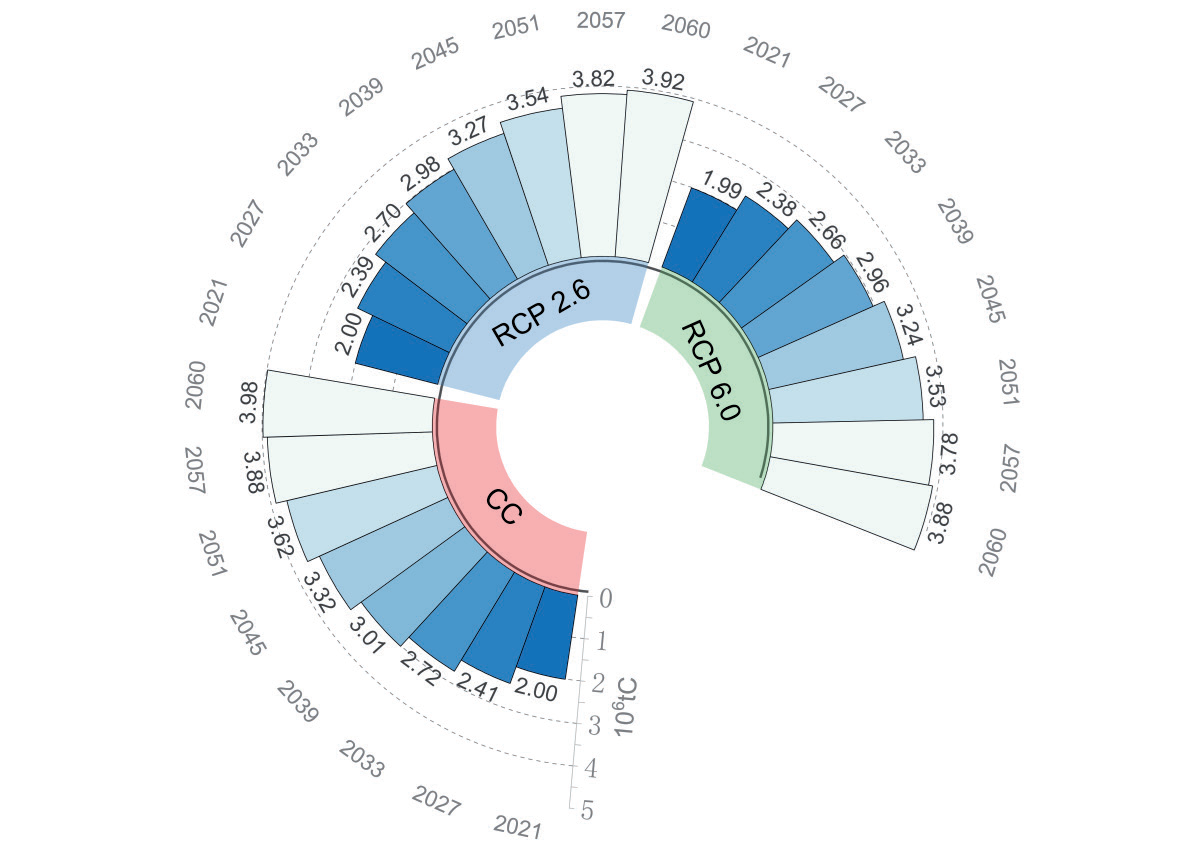
As shown in Fig. 8, based on the previously optimized tillage system as the baseline, simulations were conducted for conventional climate (CC), low-emission scenario RCP2.6 (CO2 concentration 421 ppm, temperature change 1.6°C), and moderate-emission scenario RCP6.0 (CO2 concentration 670 ppm, temperature change 3.0°C) to analyze changes in soil organic carbon content in Huainan City farmland from 2021 to 2060. Results show that under all three scenarios, soil organic carbon exhibits an increasing trend, with organic carbon storage being highest under the conventional climate (3.98×10⁷tC) and total organic carbon growth rates decreasing with increasing CO2 concentration and temperature (99%, 96%, 95%). This may be attributed to increased microbial activity and accelerated organic carbon decomposition rates due to higher temperatures, consistent with previous research findings [47]. Thus, it is evident that global warming and increasing CO2 concentrations are detrimental to soil organic carbon sequestration. Therefore, global cooperation is needed to promote the development and application of clean energy technologies, advance emission reduction technologies, and improve energy efficiency to achieve sustainable development and mitigate the impact of climate change on soil organic carbon.
Conclusions
This article validates the accuracy of the DNDC model, where the RMSE=0.73, NRMSE=13.98%, and R² = 0.81. The model fits well with the observed values, achieving localization and enabling simulation of the dynamic changes in soil organic carbon in the farmland of Huainan City.
Utilizing the DNDC model and combining it with response surface modeling, the optimal carbon sequestration effect is achieved with no-tillage, combined application of chemical and organic fertilizers, and full return of straw. Its carbon sequestration rate far exceeds that of traditional farming systems. Therefore, for farmland in Huainan, promoting appropriate no-tillage practices, combined use of chemical and organic fertilizers, and full straw return can enhance soil organic carbon and carbon sequestration capacity.
Furthermore, simulations of carbon sequestration optimization under different scenarios indicate that under conventional climate, RCP2.6, and RCP6.0, soil organic carbon shows an increasing trend. However, with the increase in CO2 concentration and temperature, the overall growth rate of organic carbon shows a decreasing trend. It is recommended to implement optimized farming systems while advancing emission reduction technologies to mitigate the impact of climate change on soil organic carbon.

